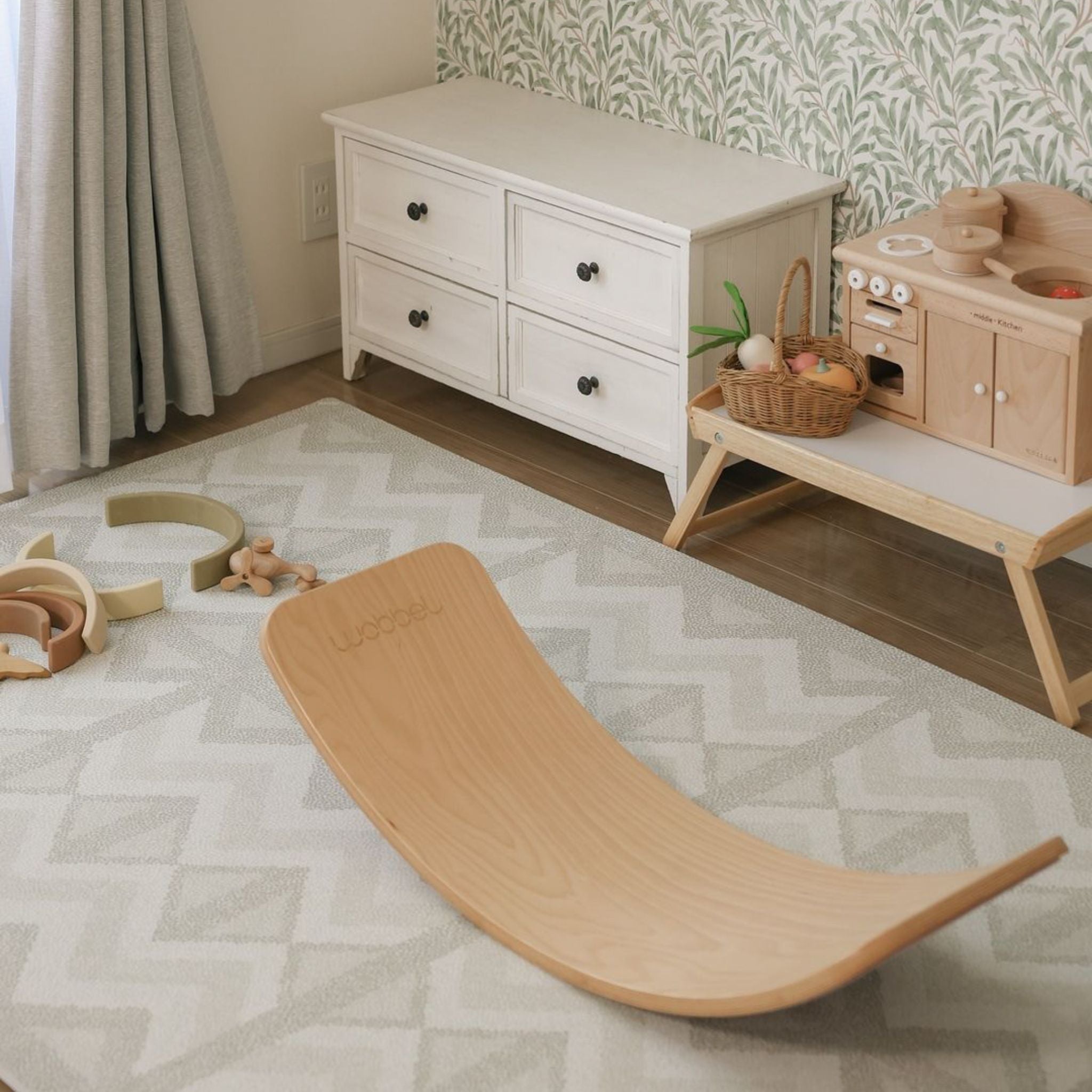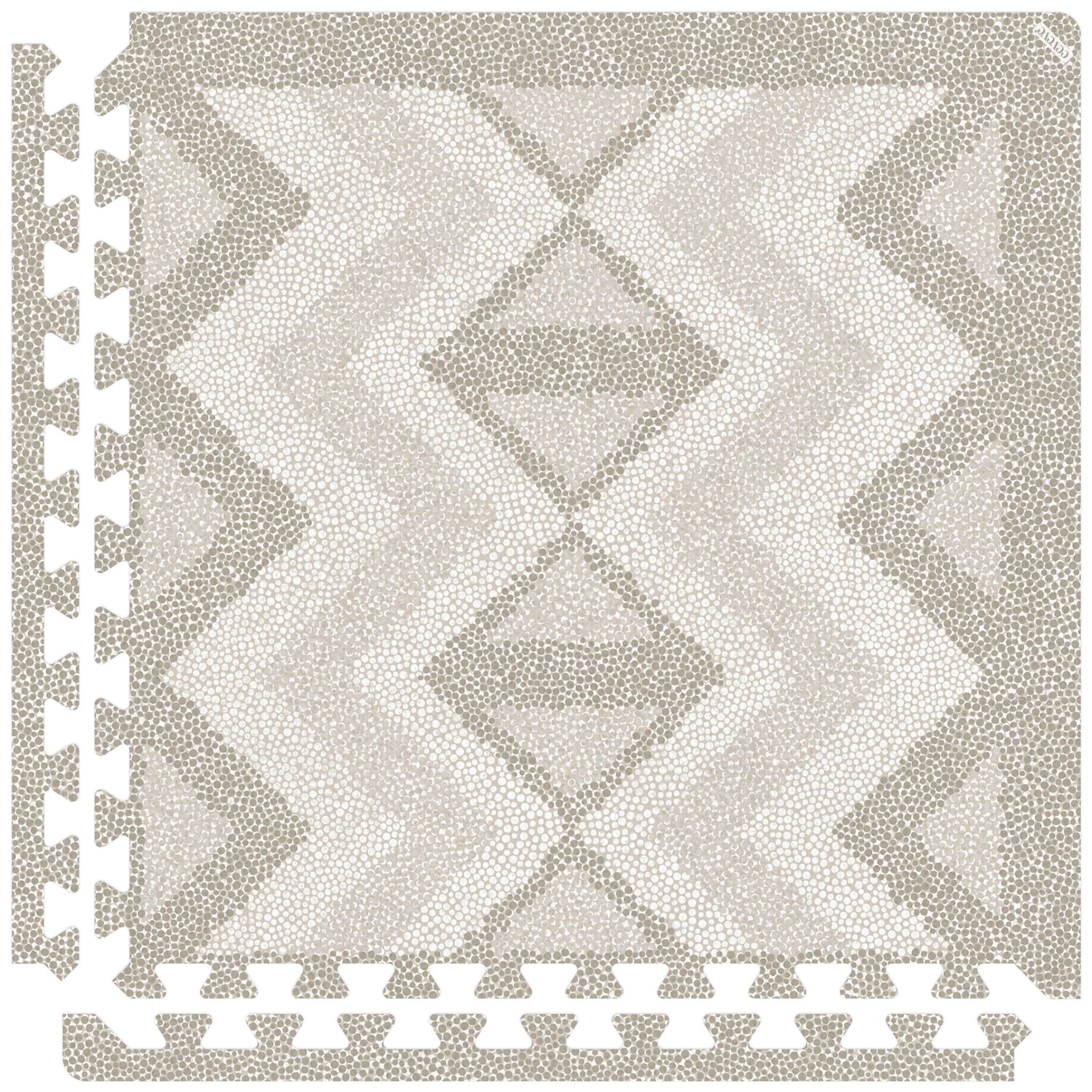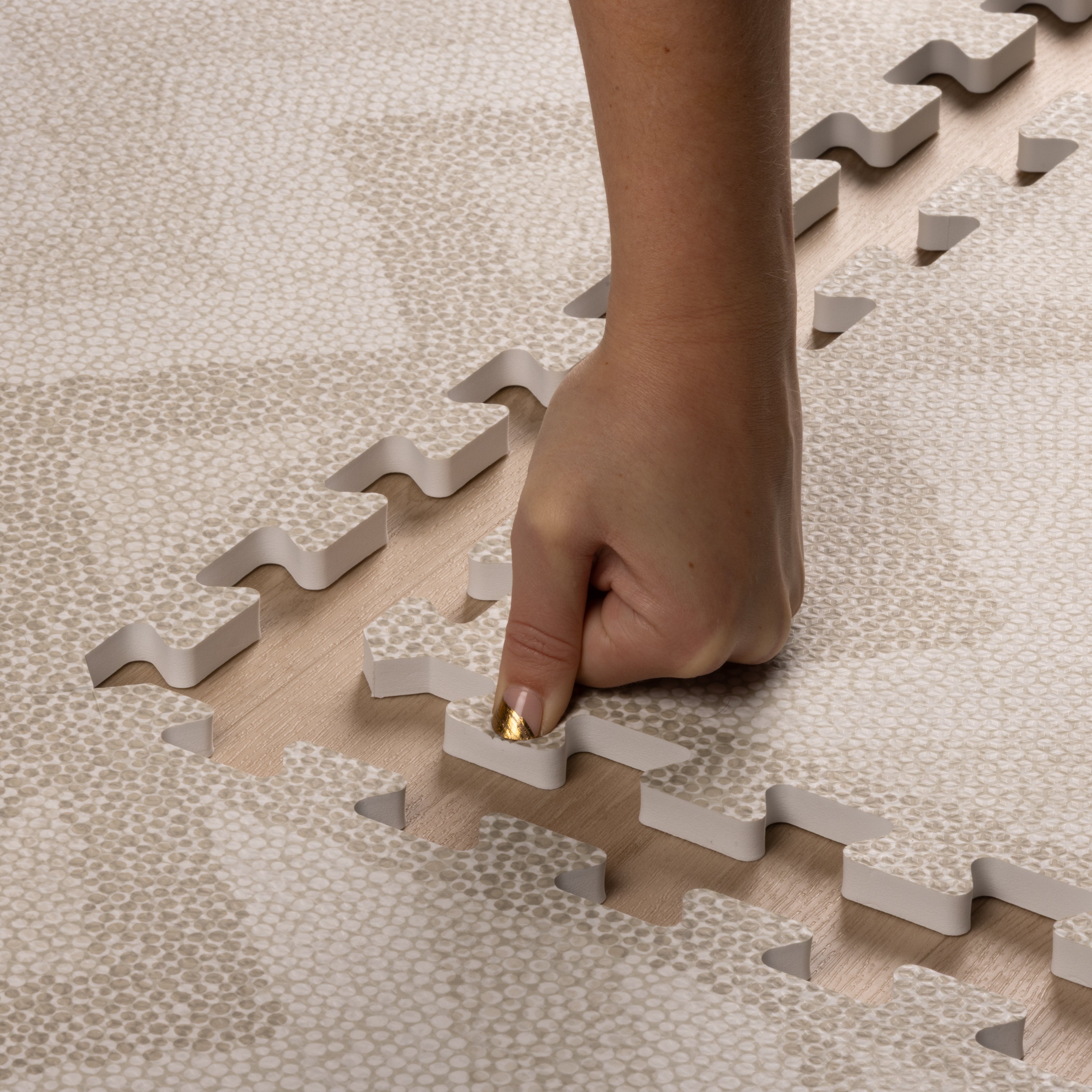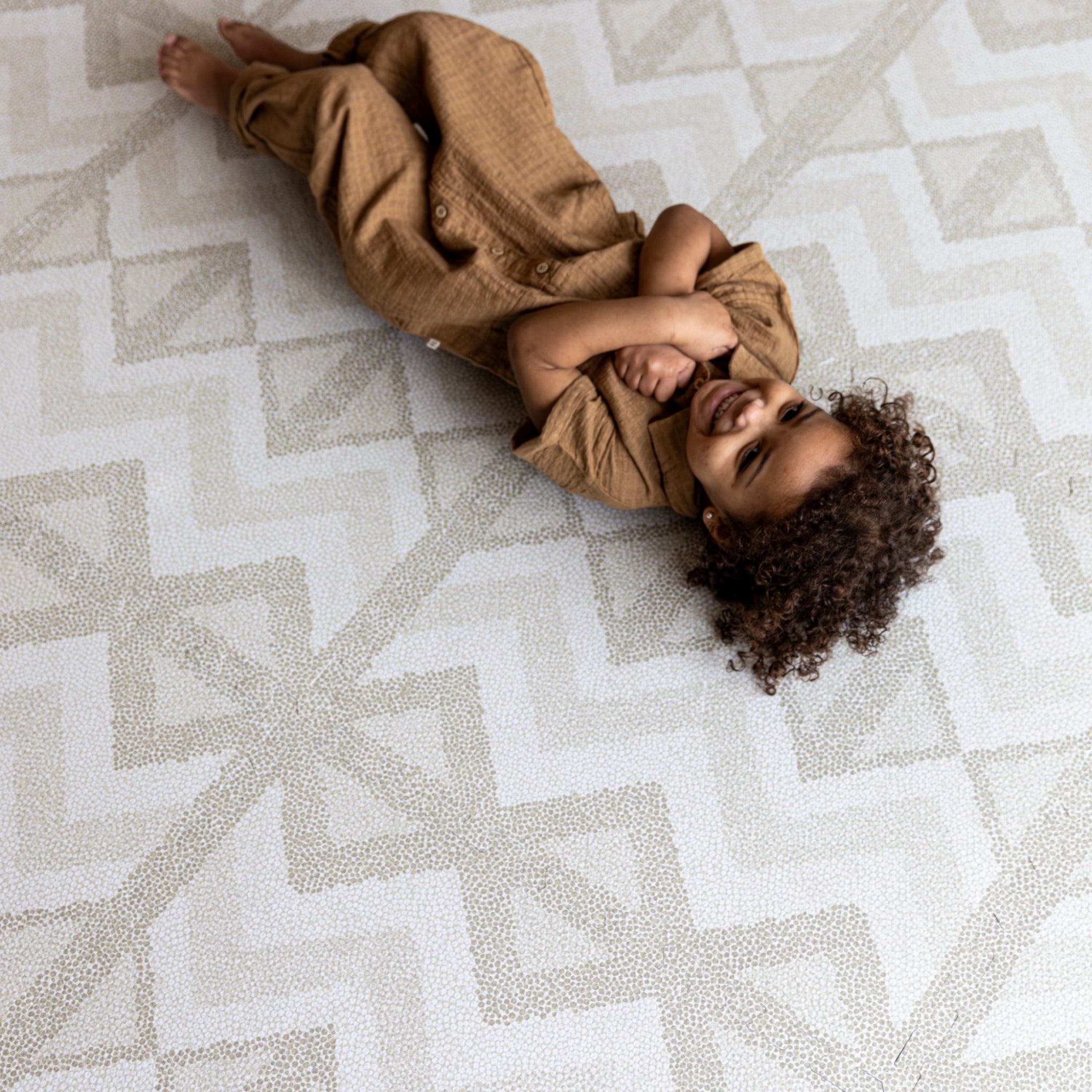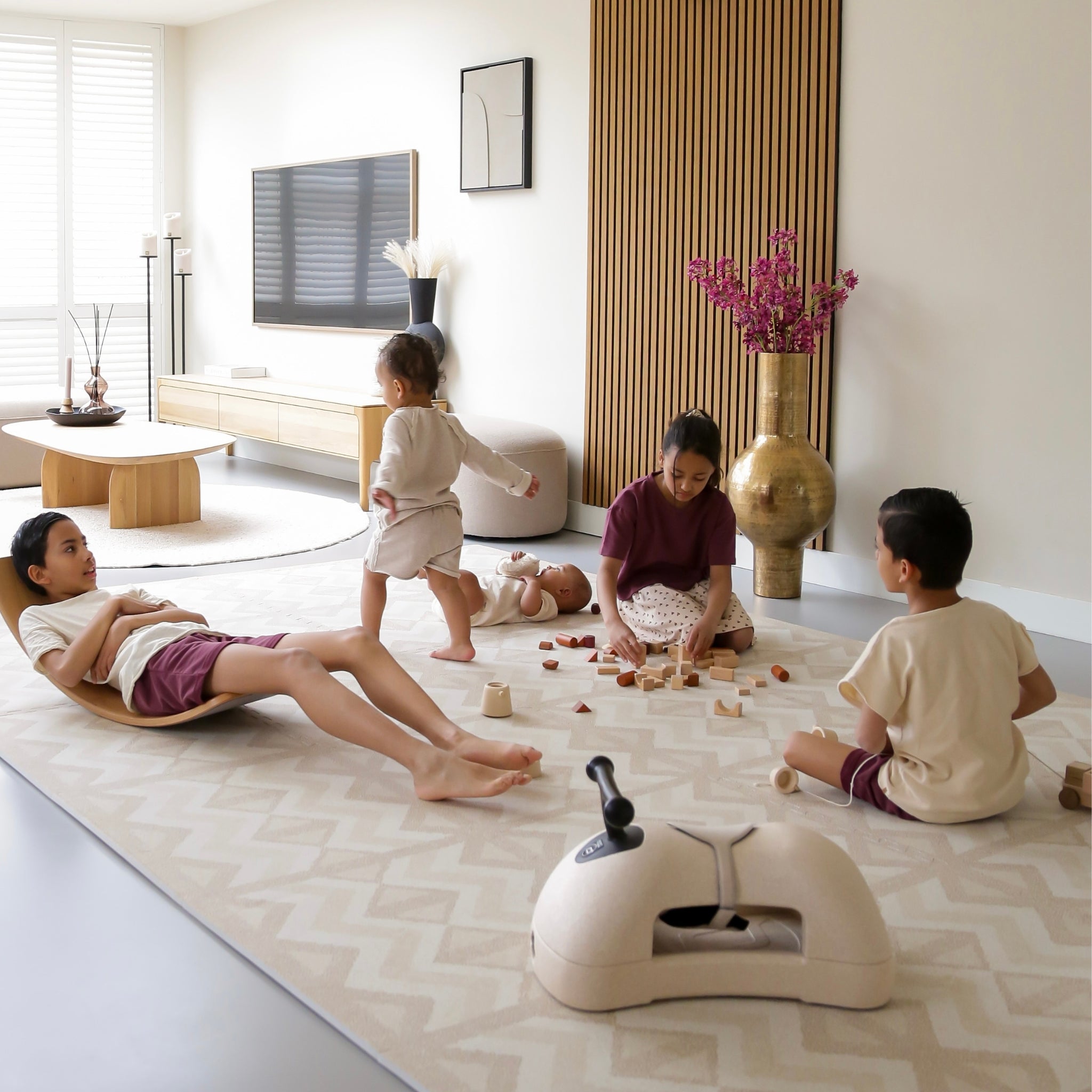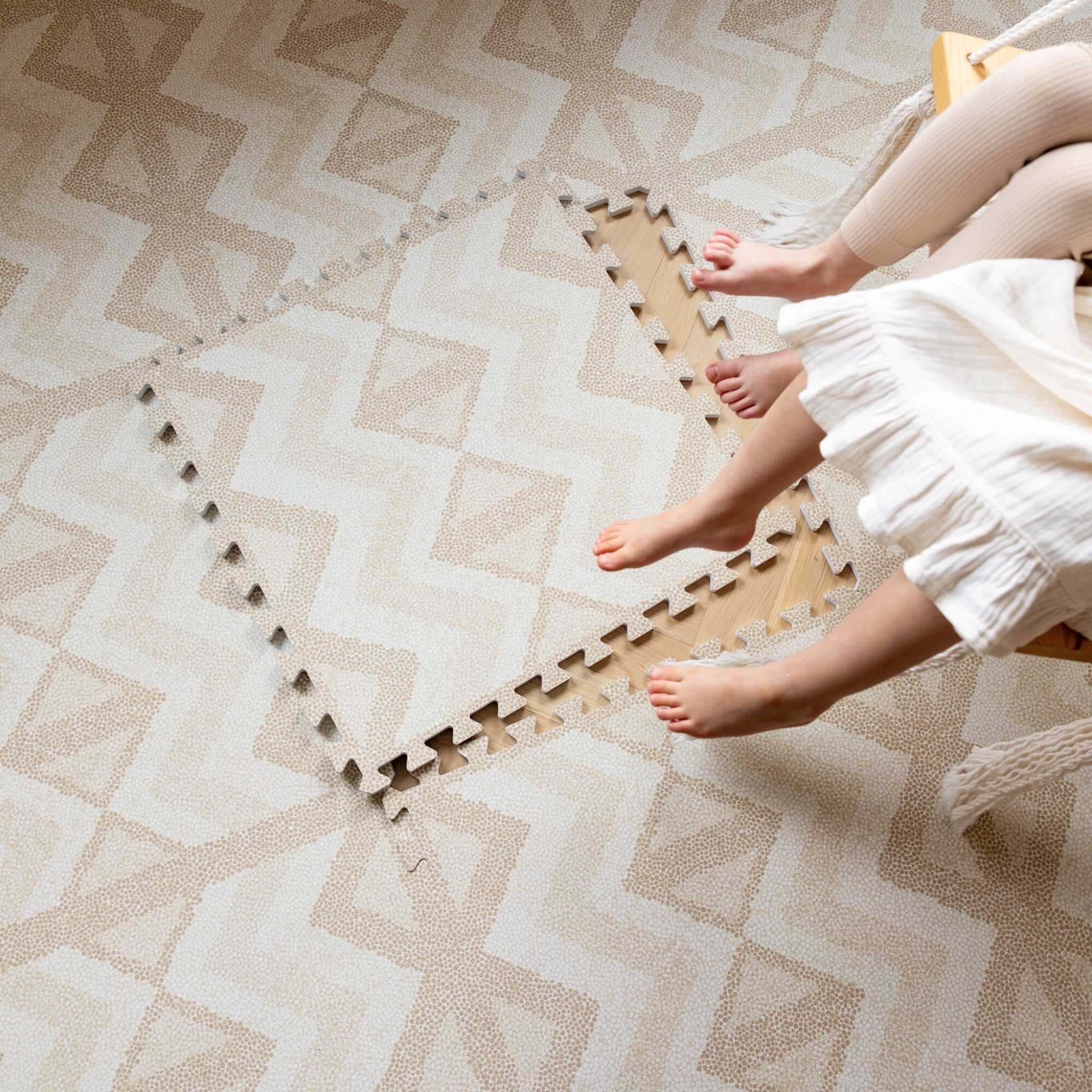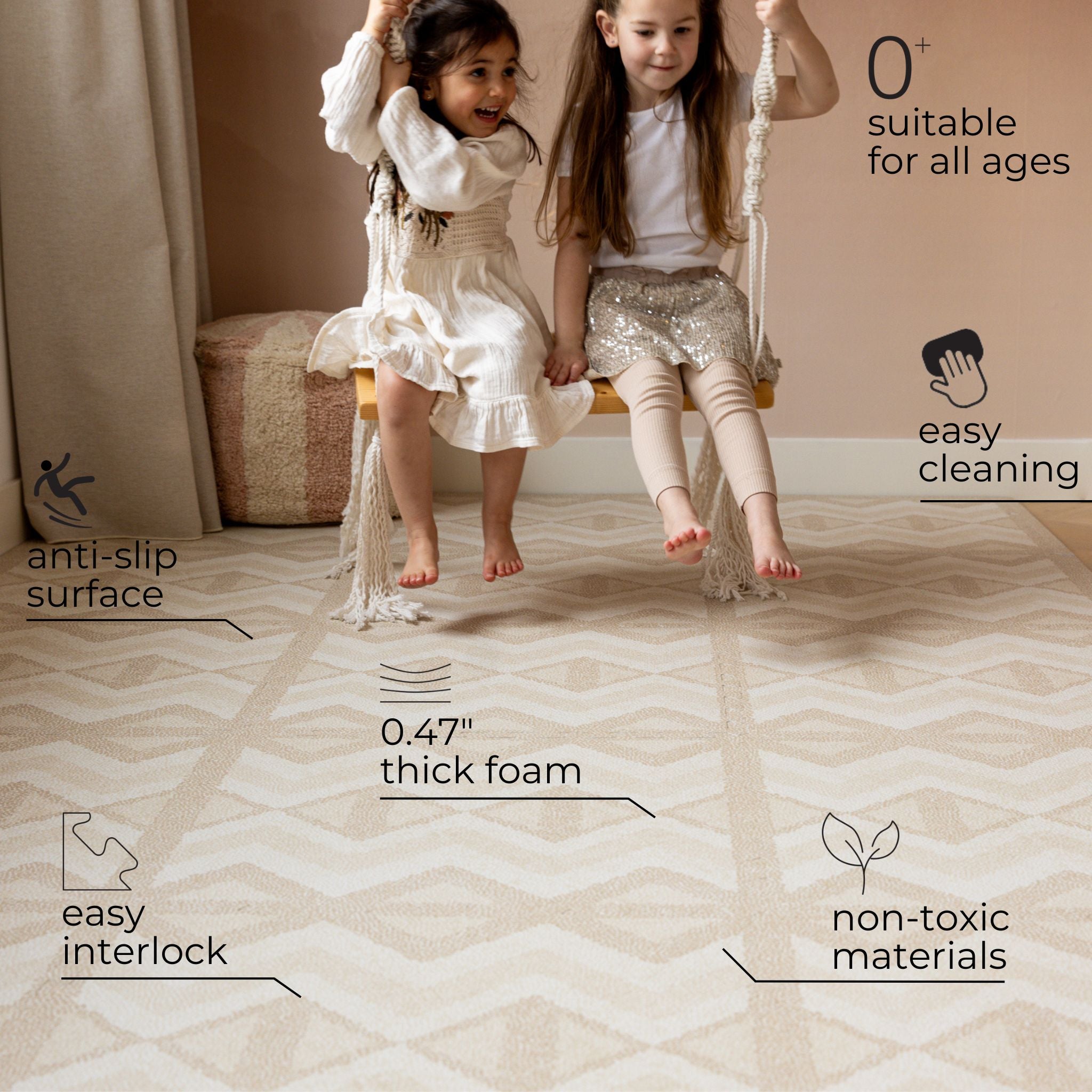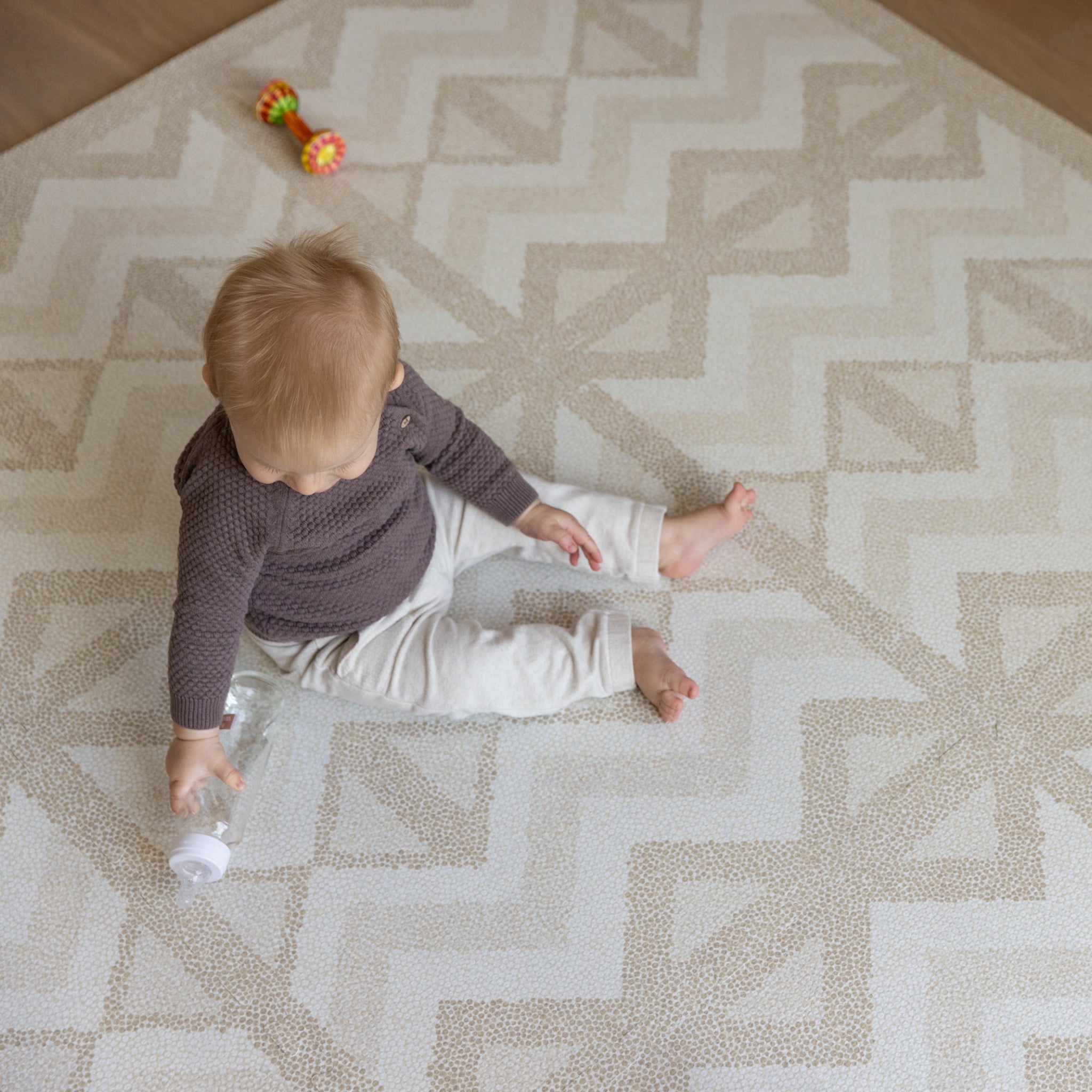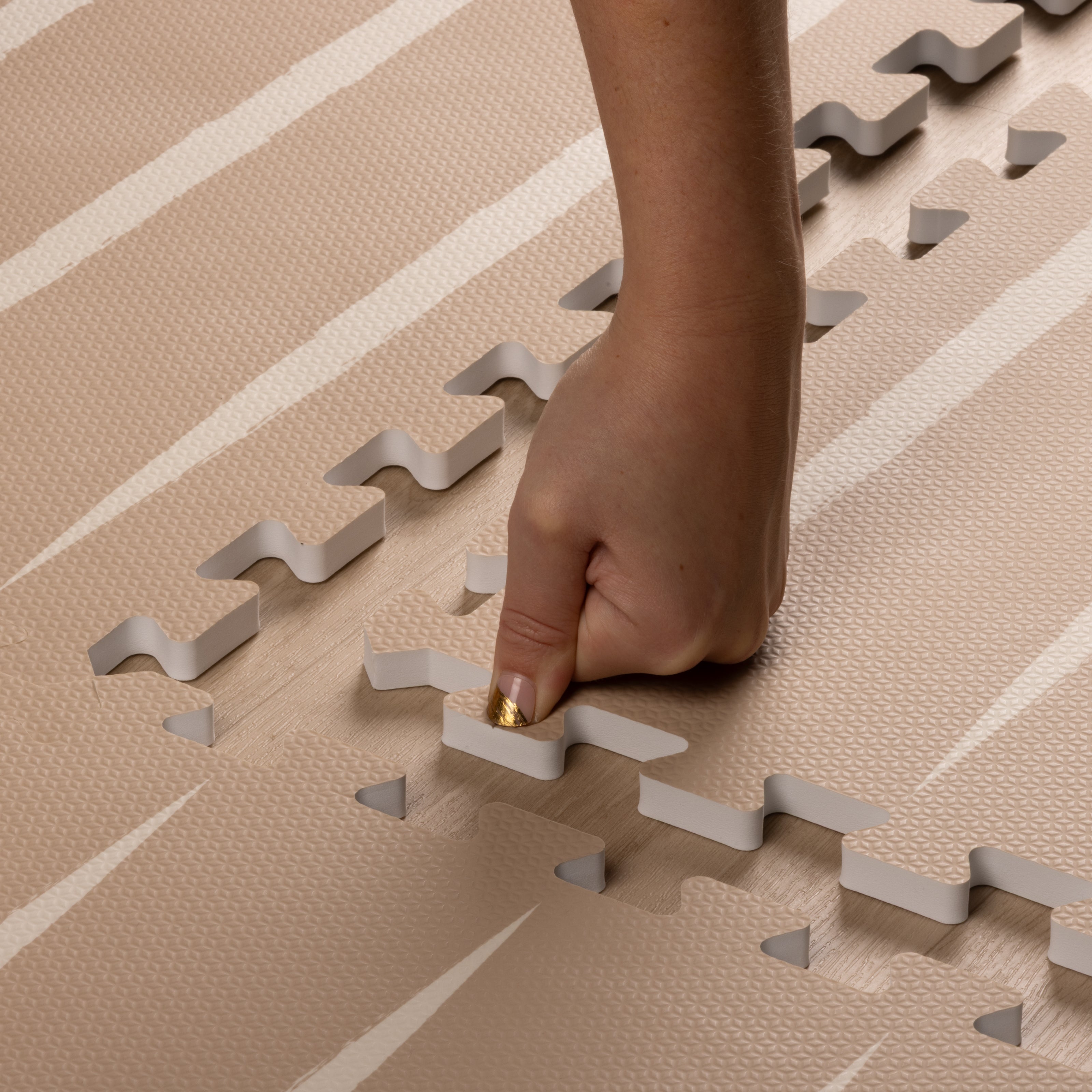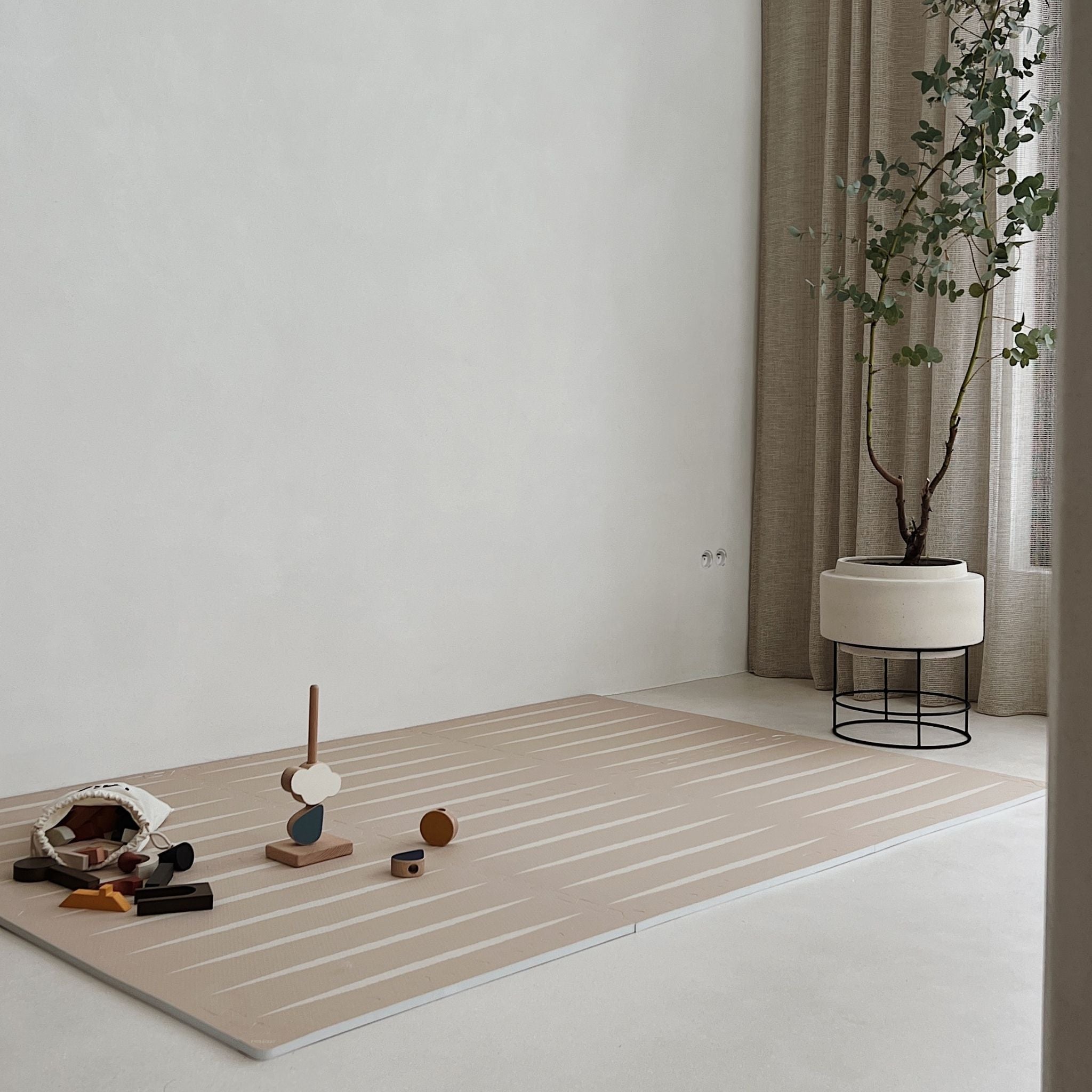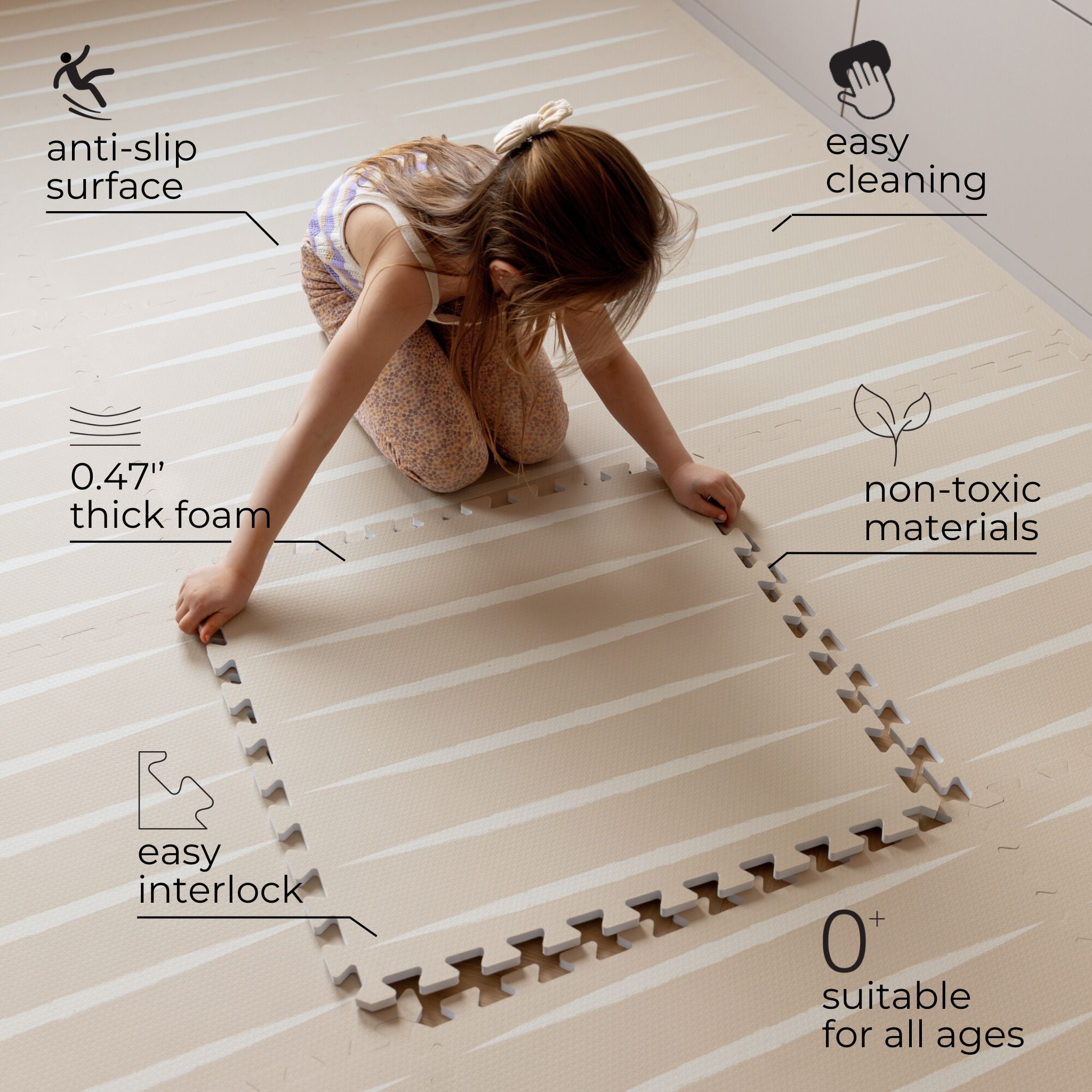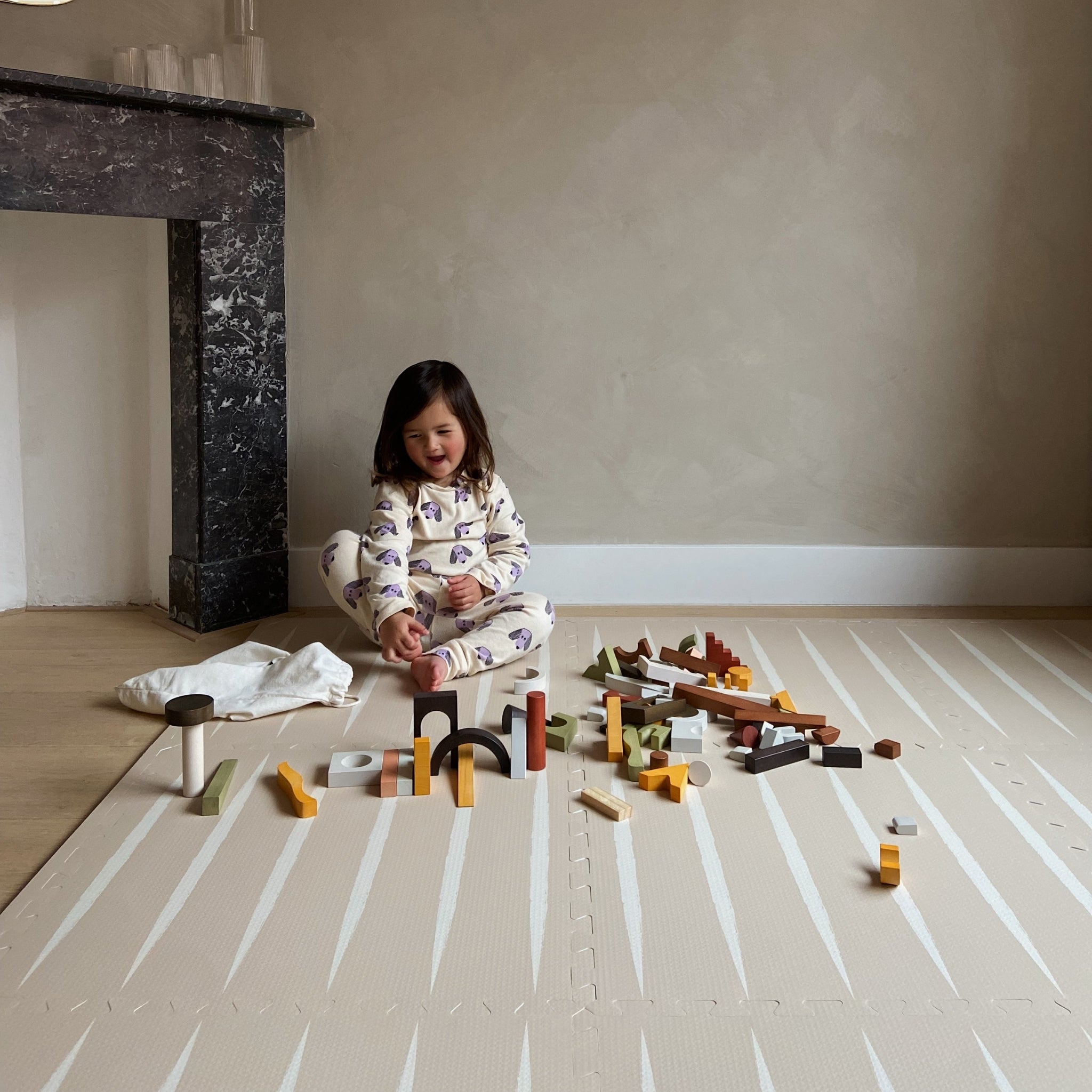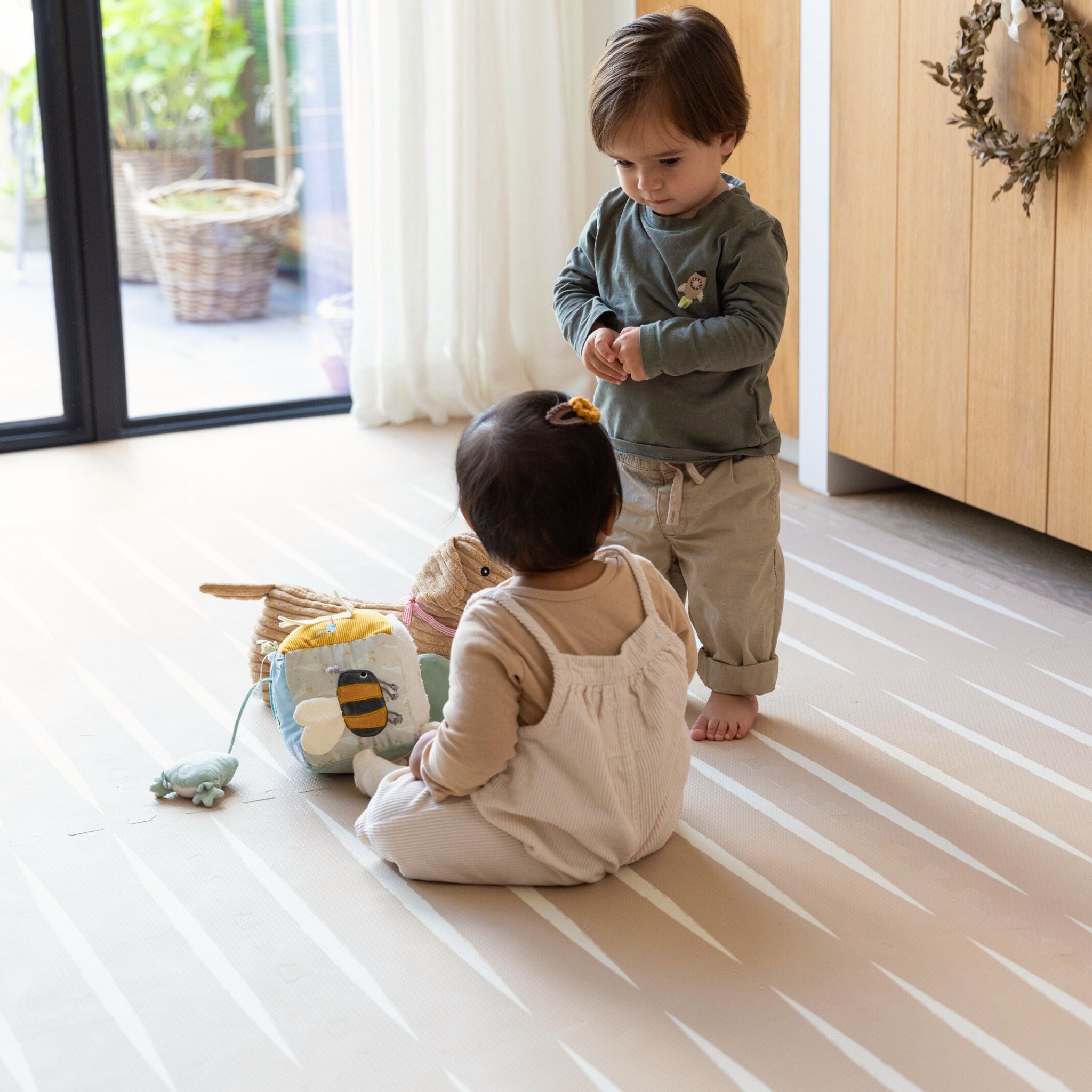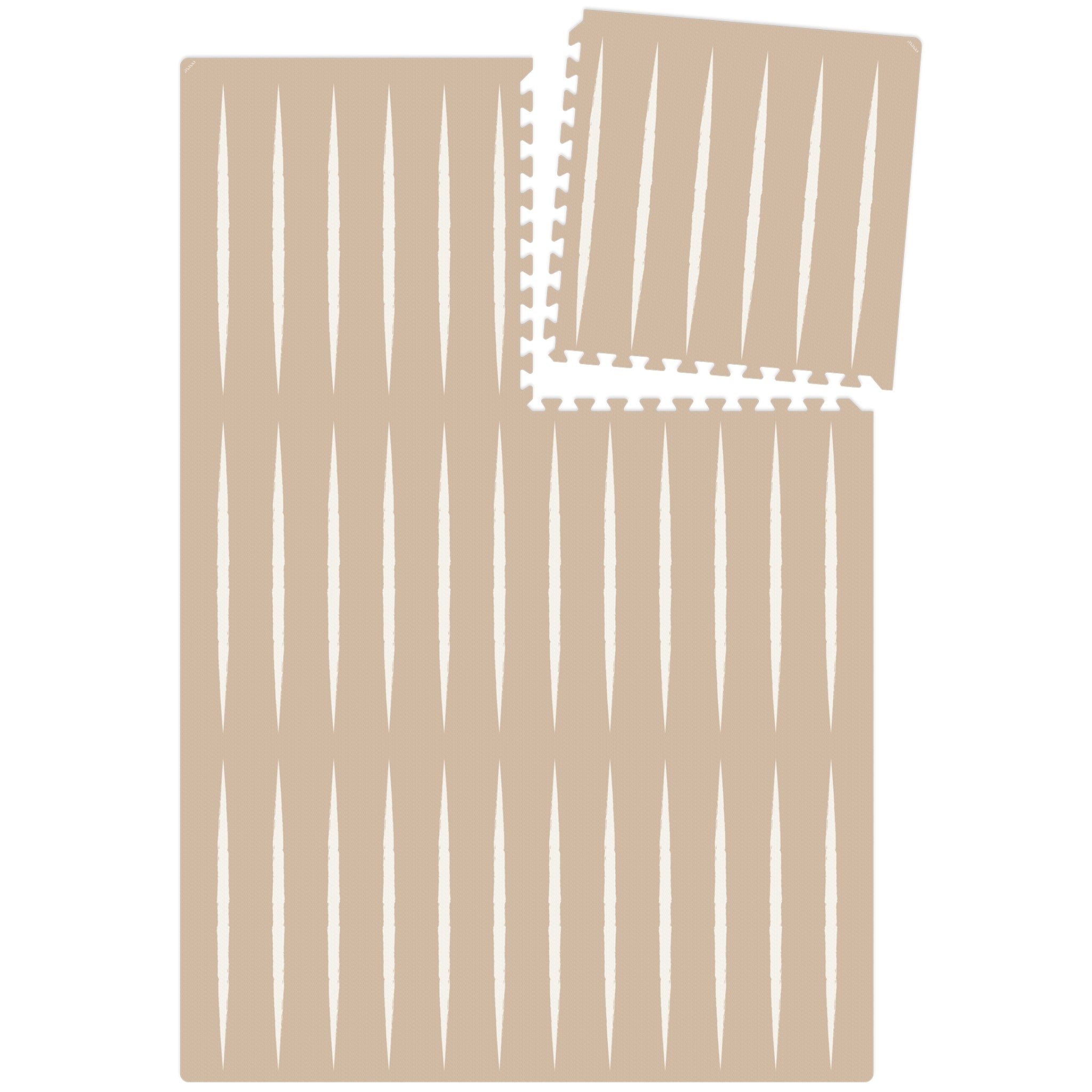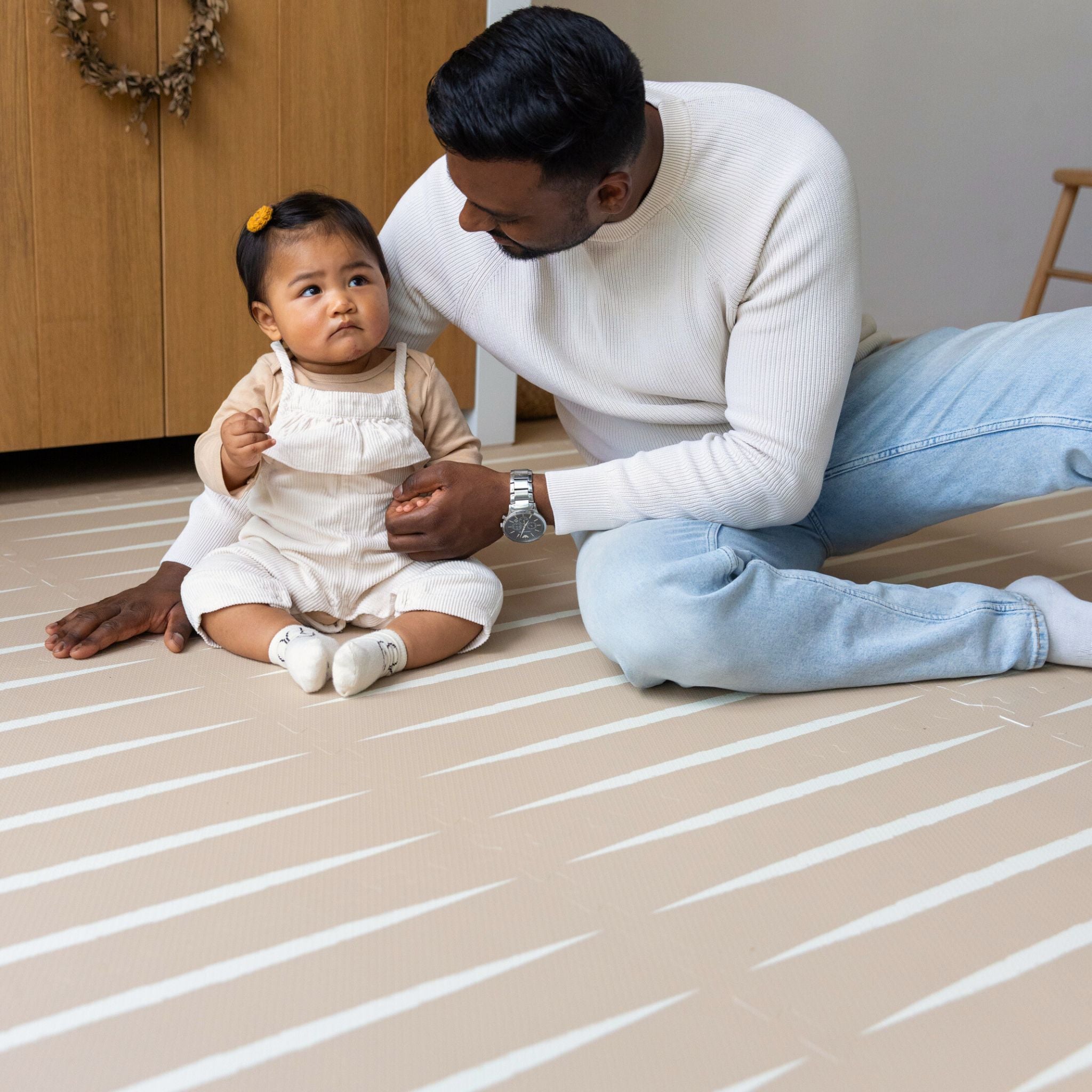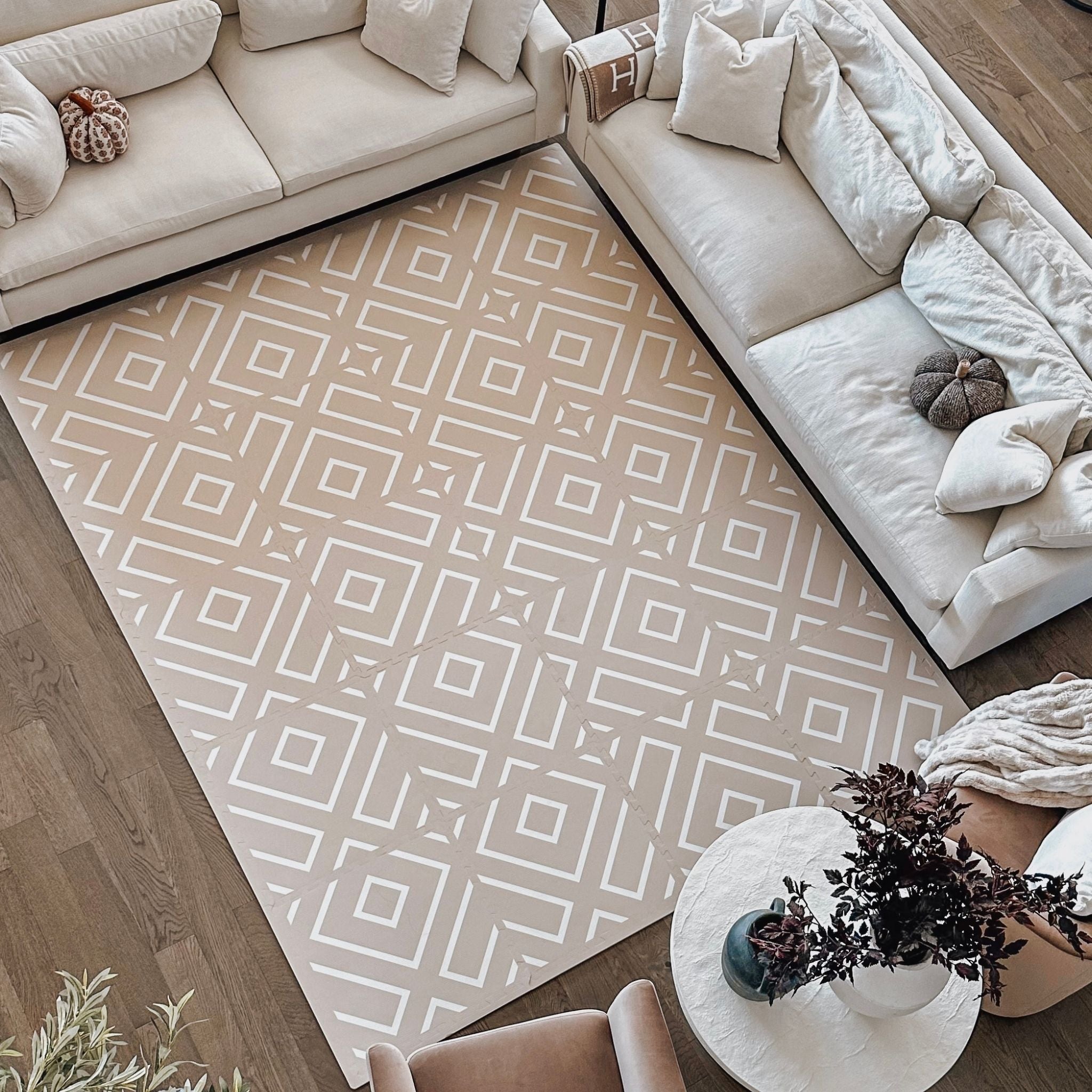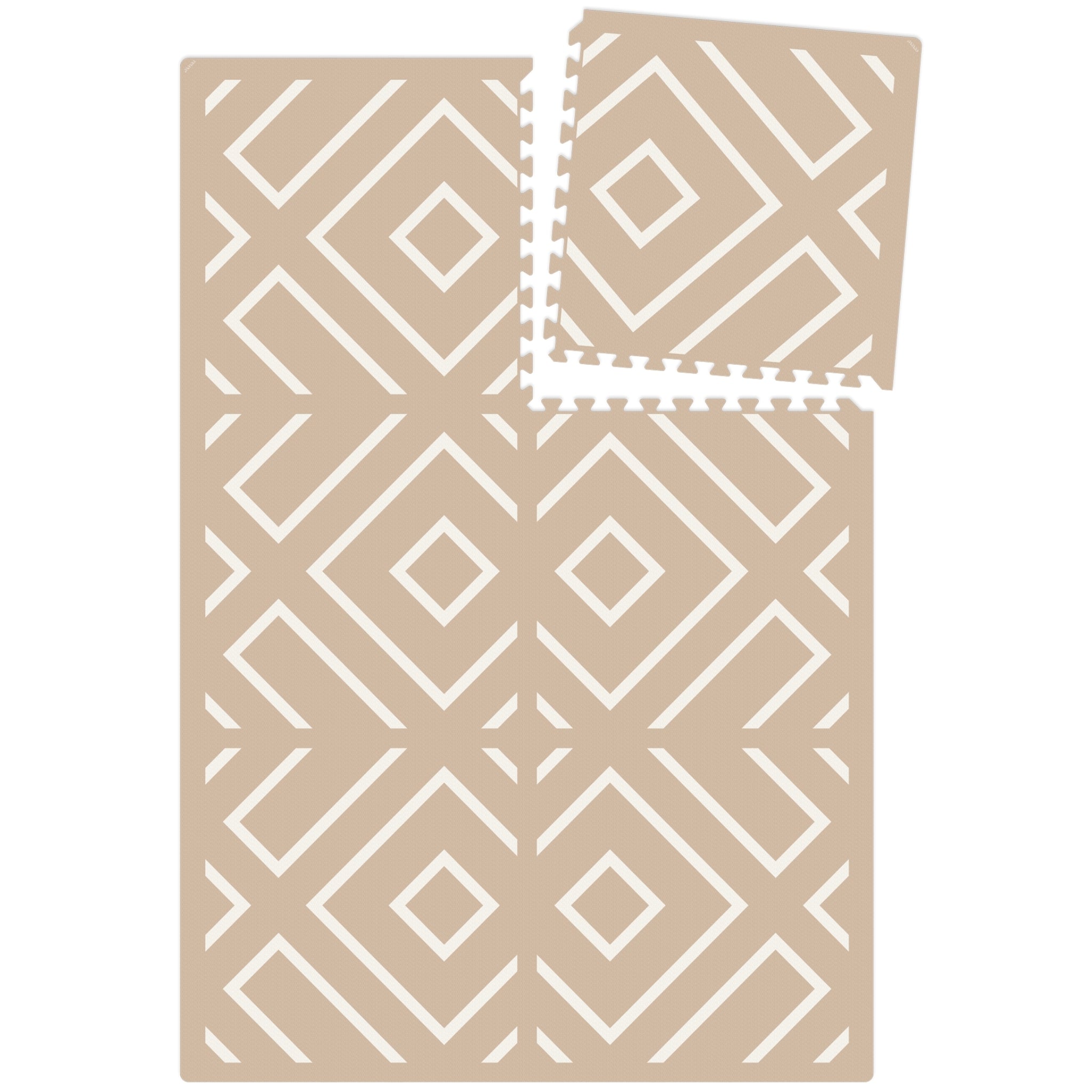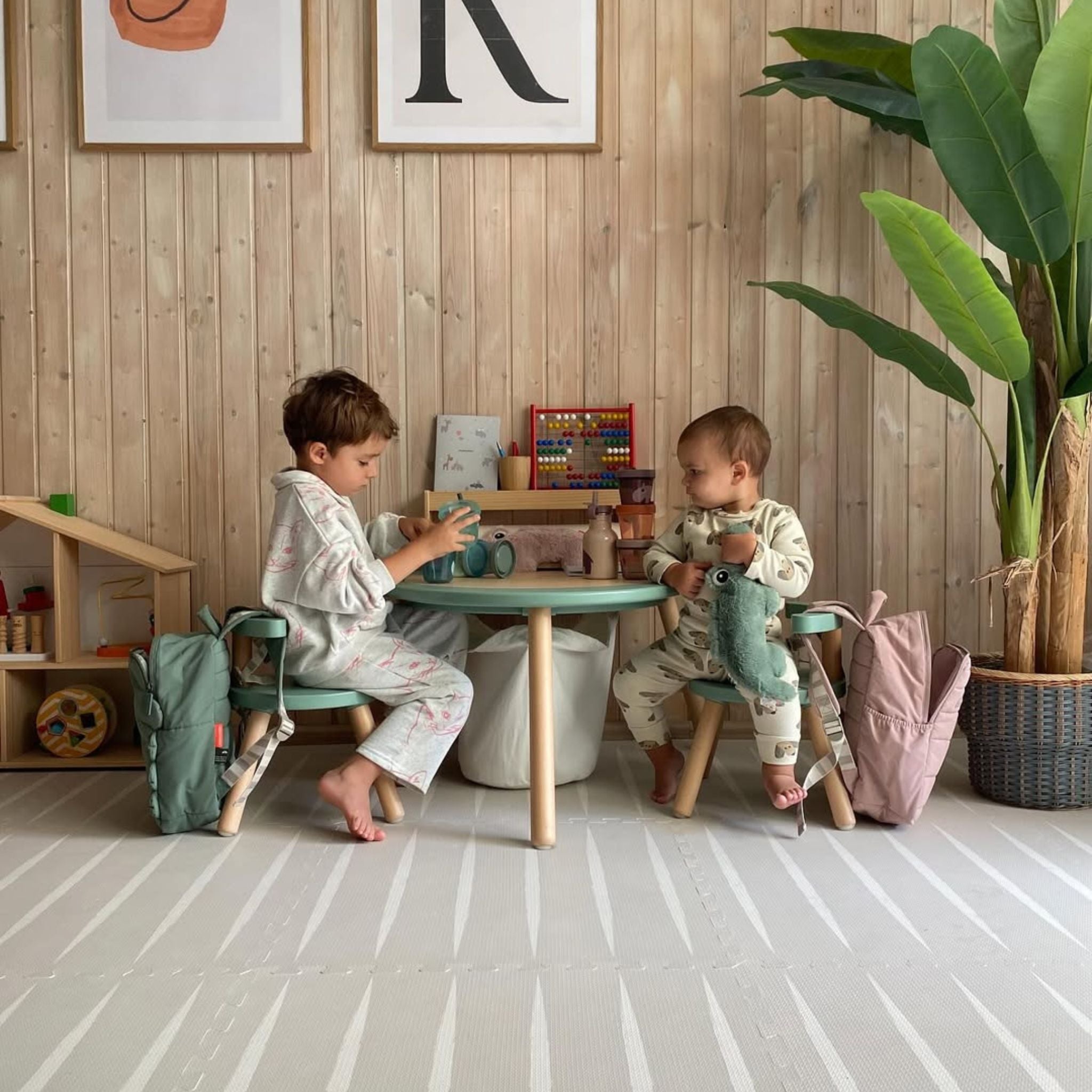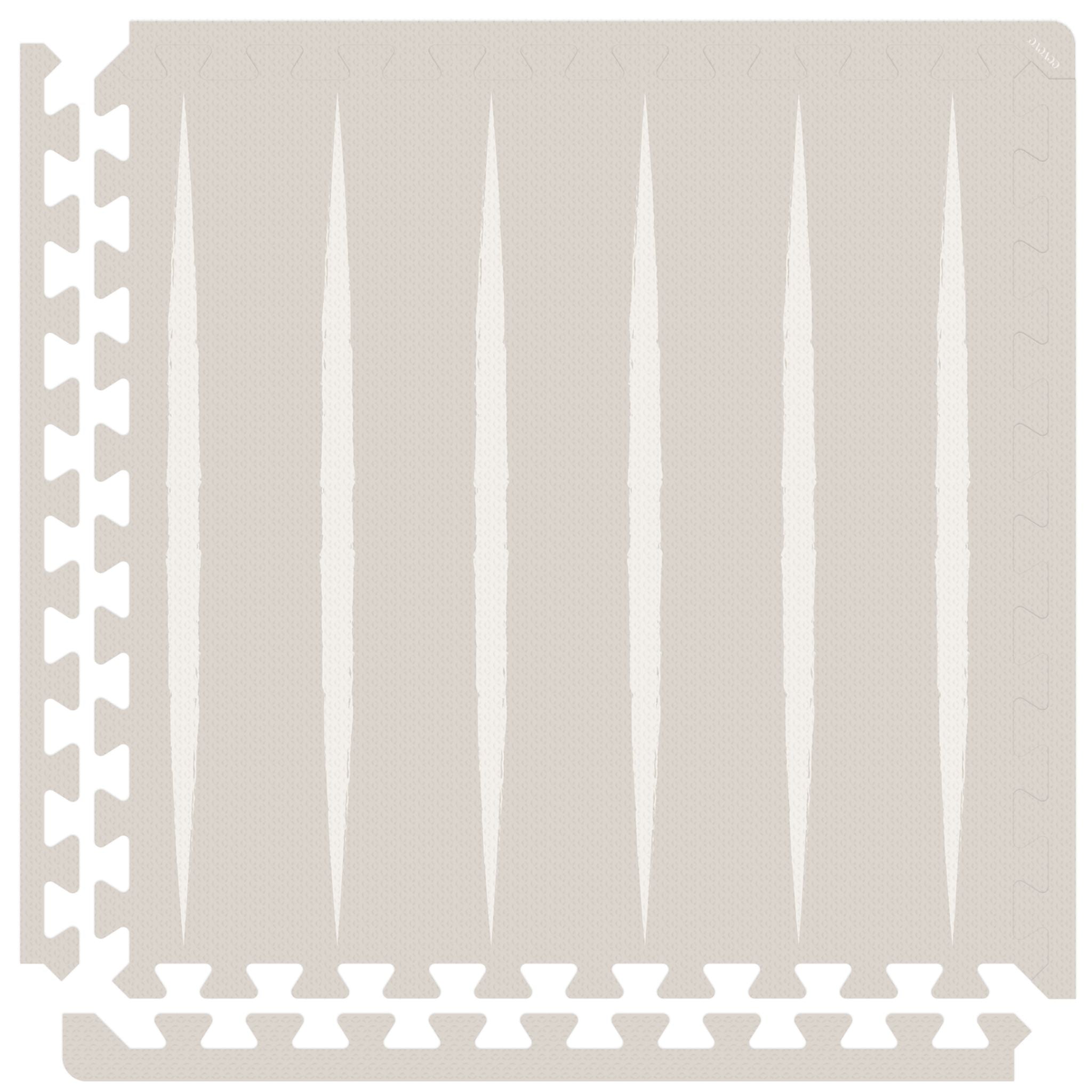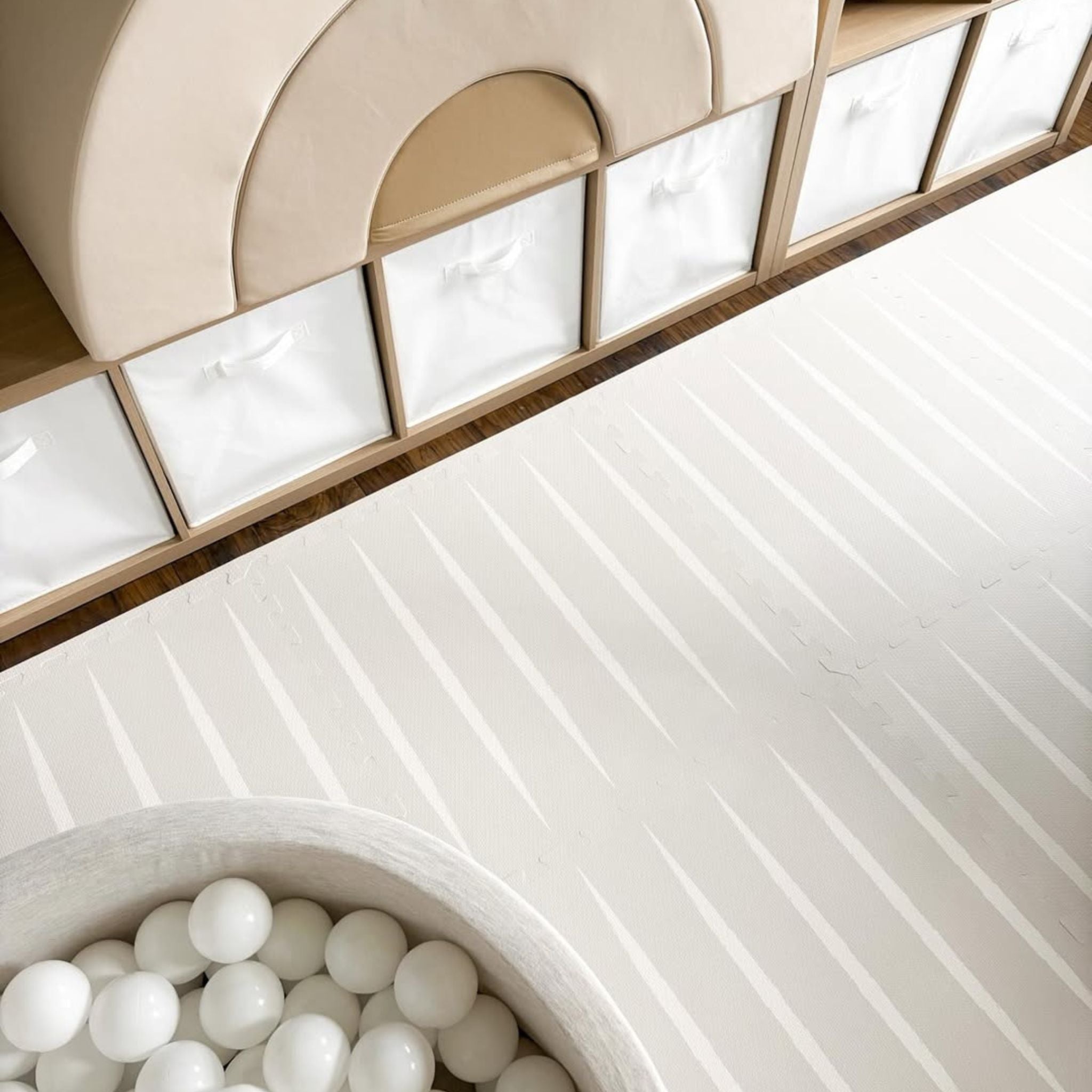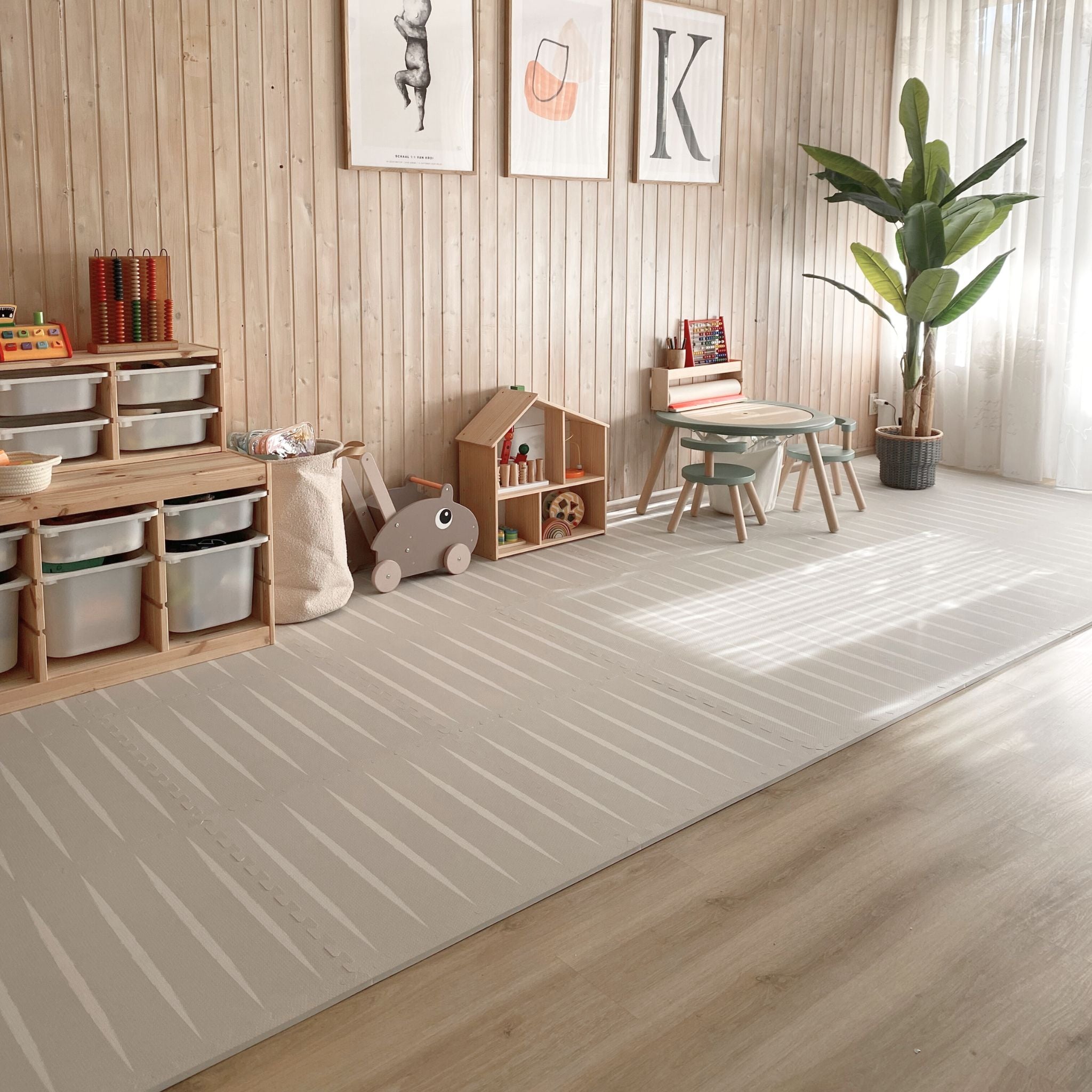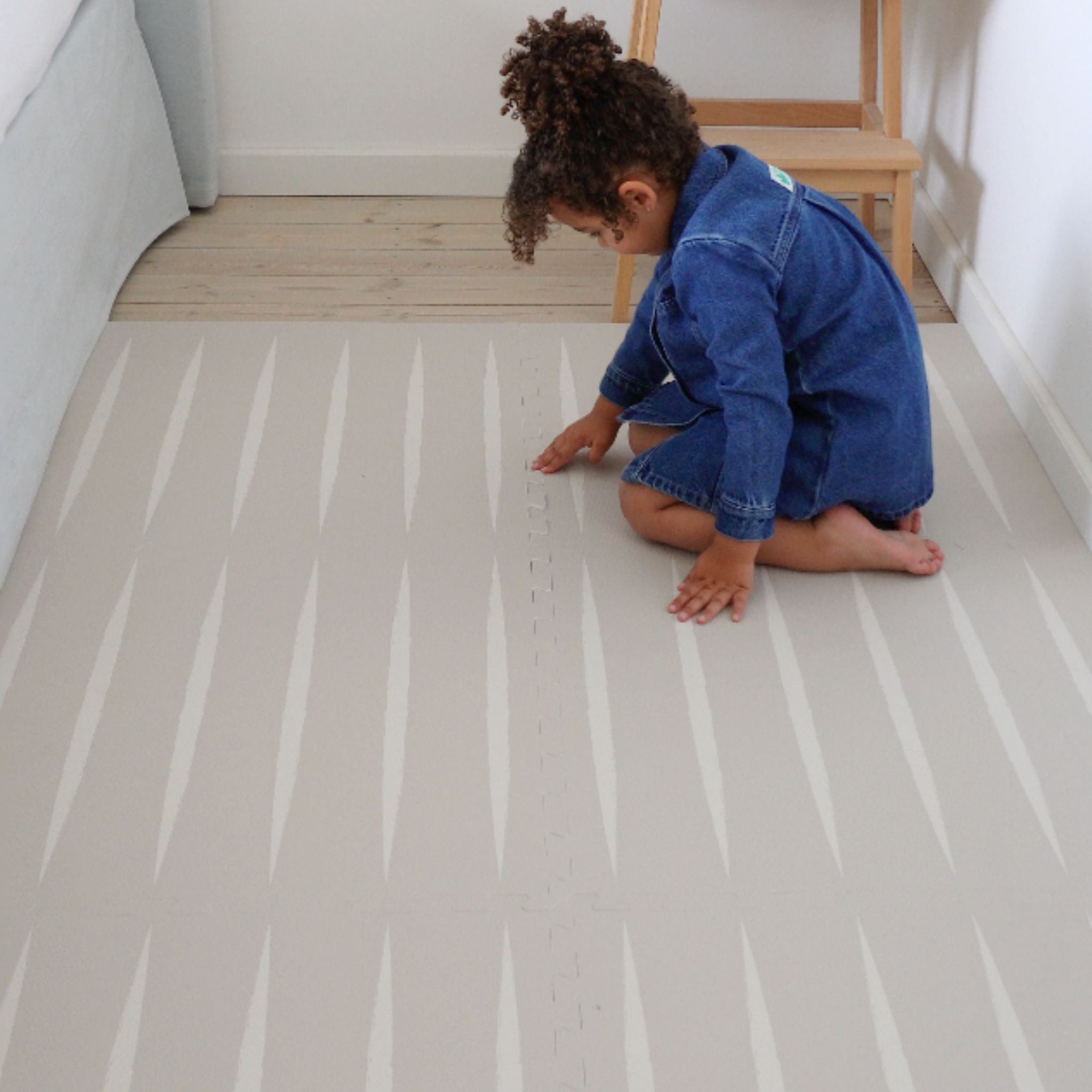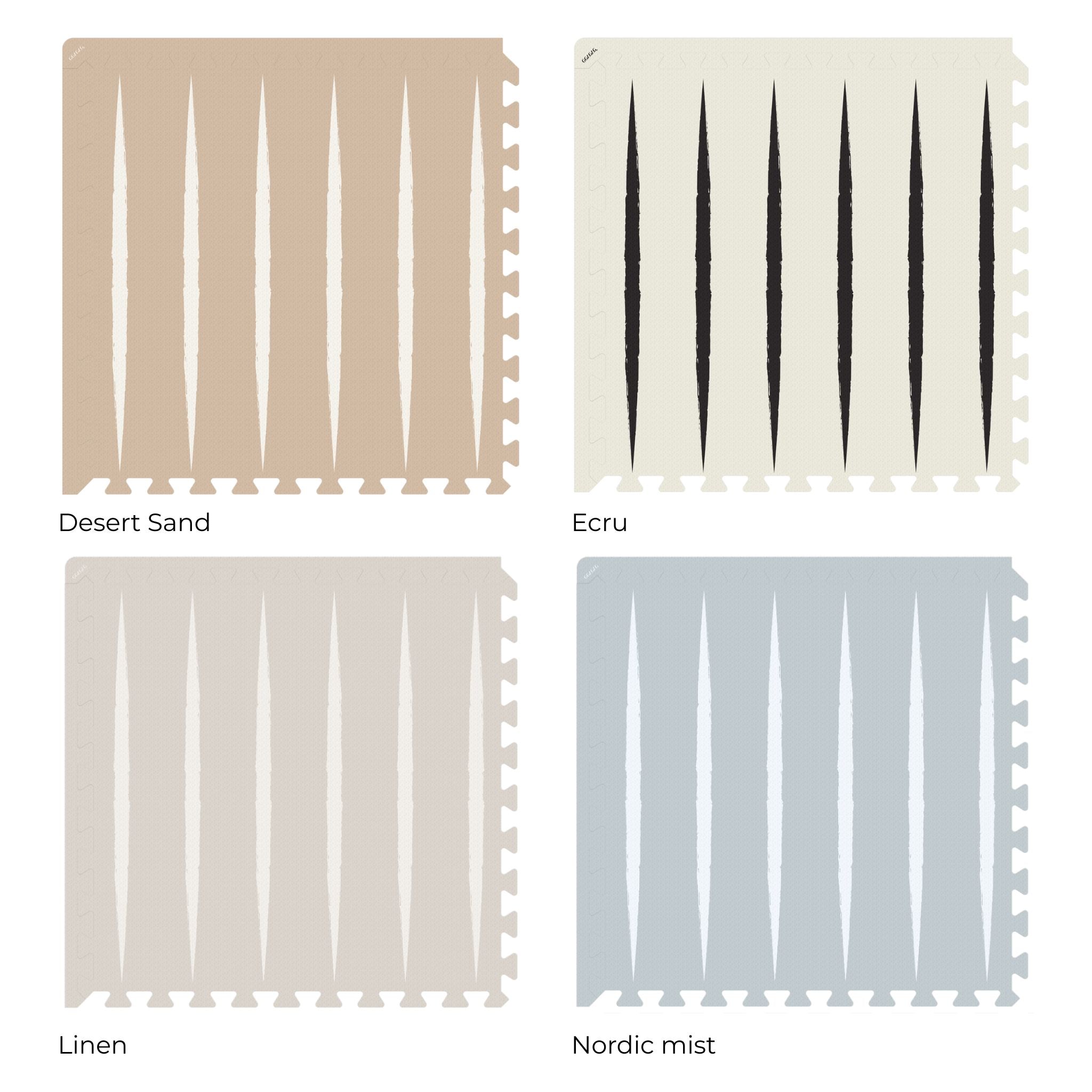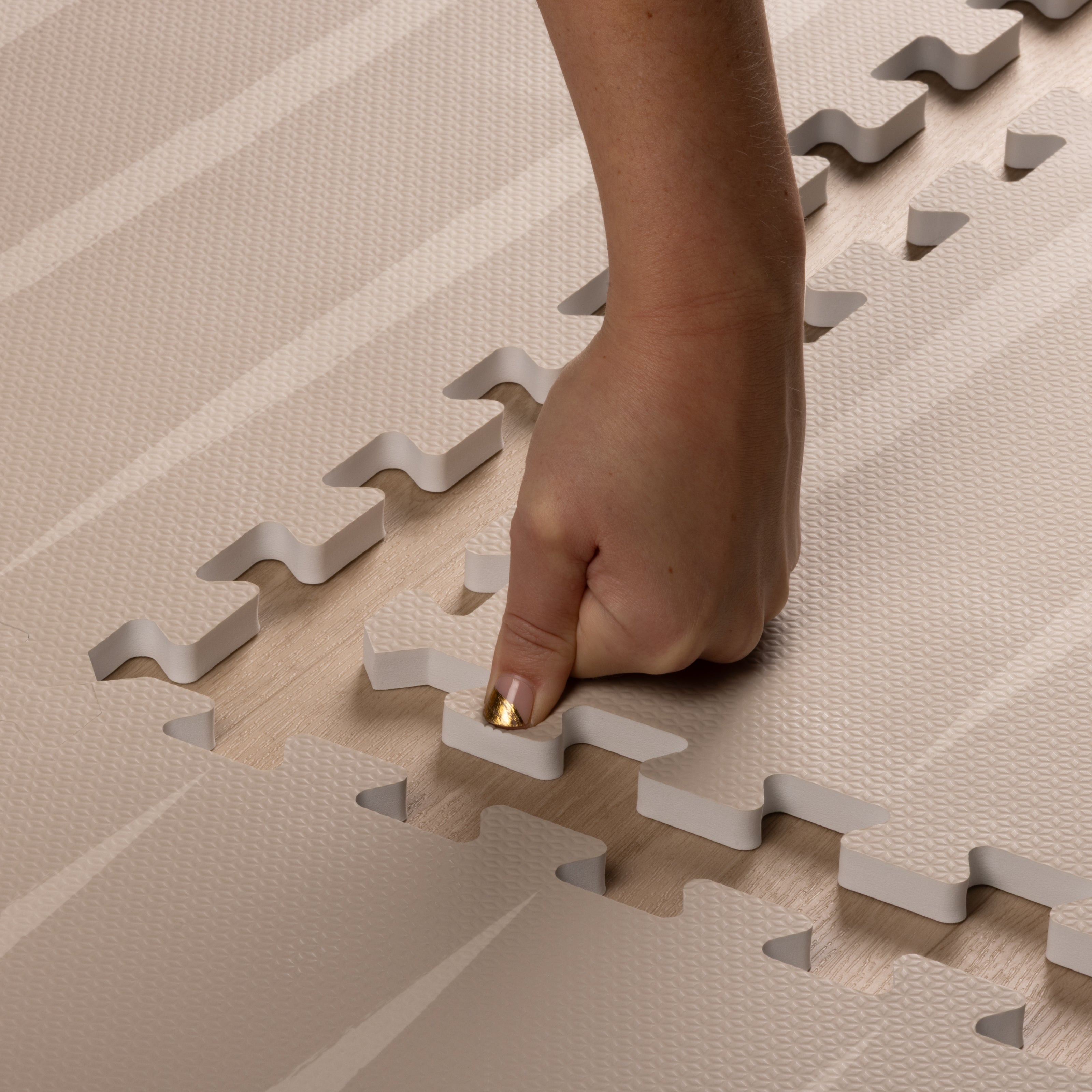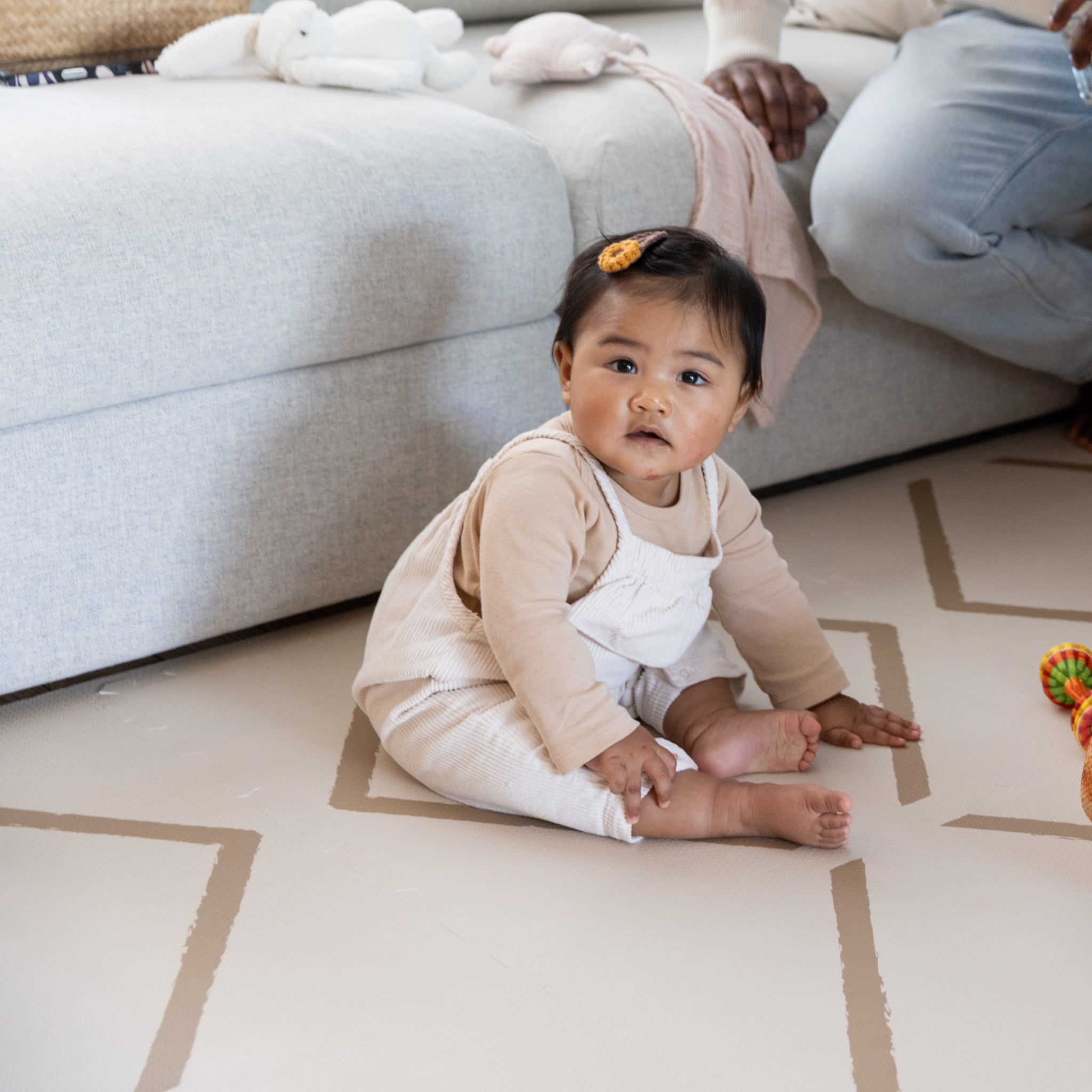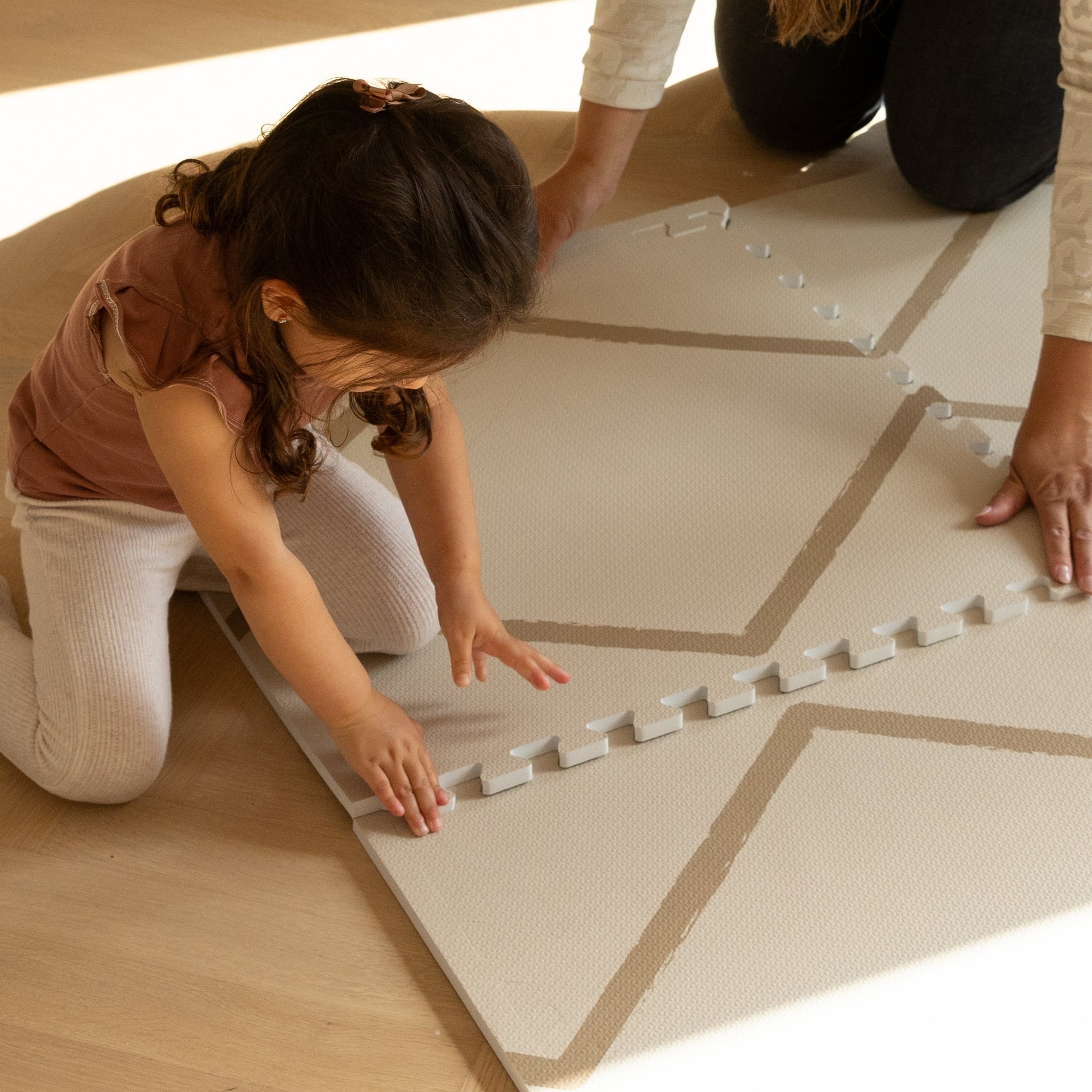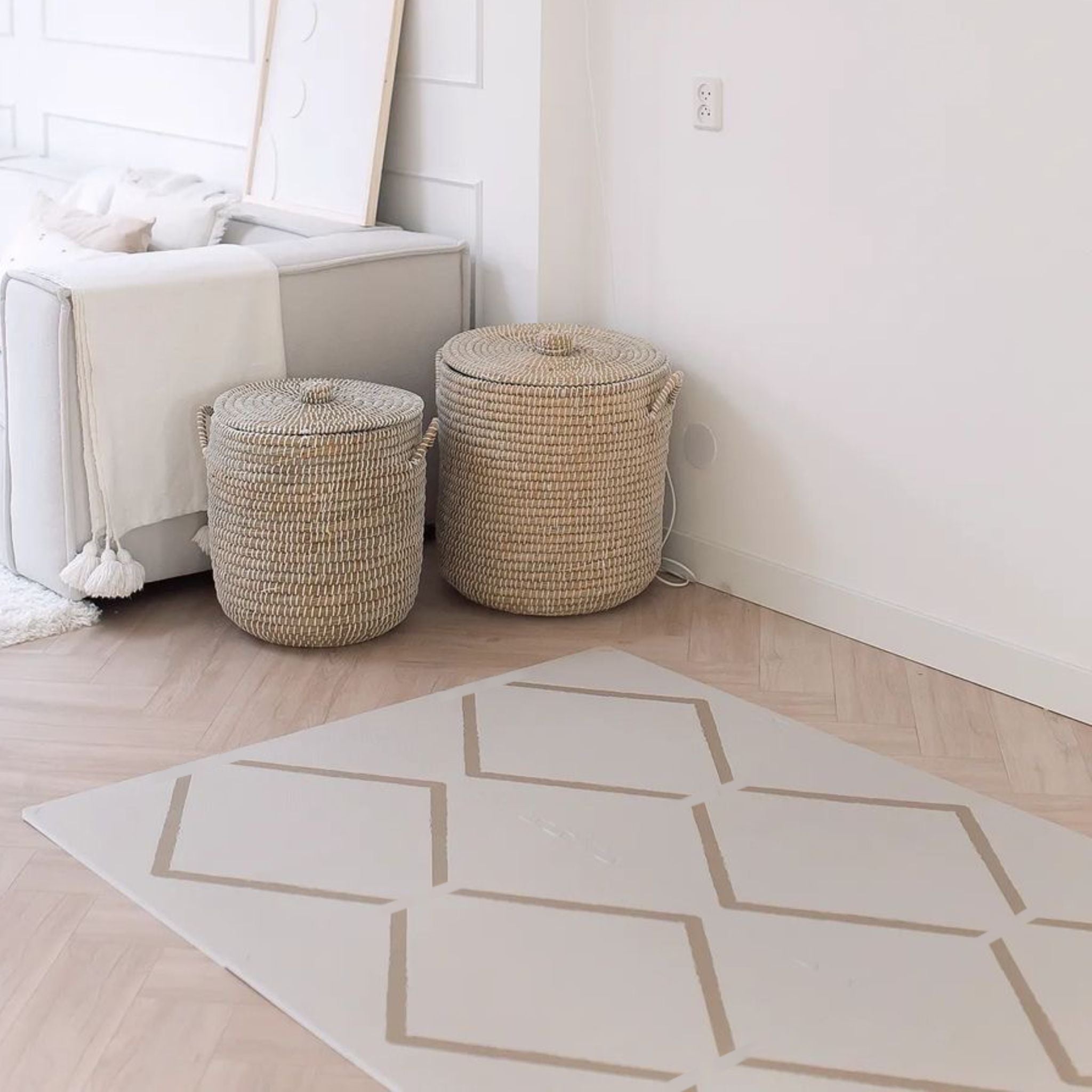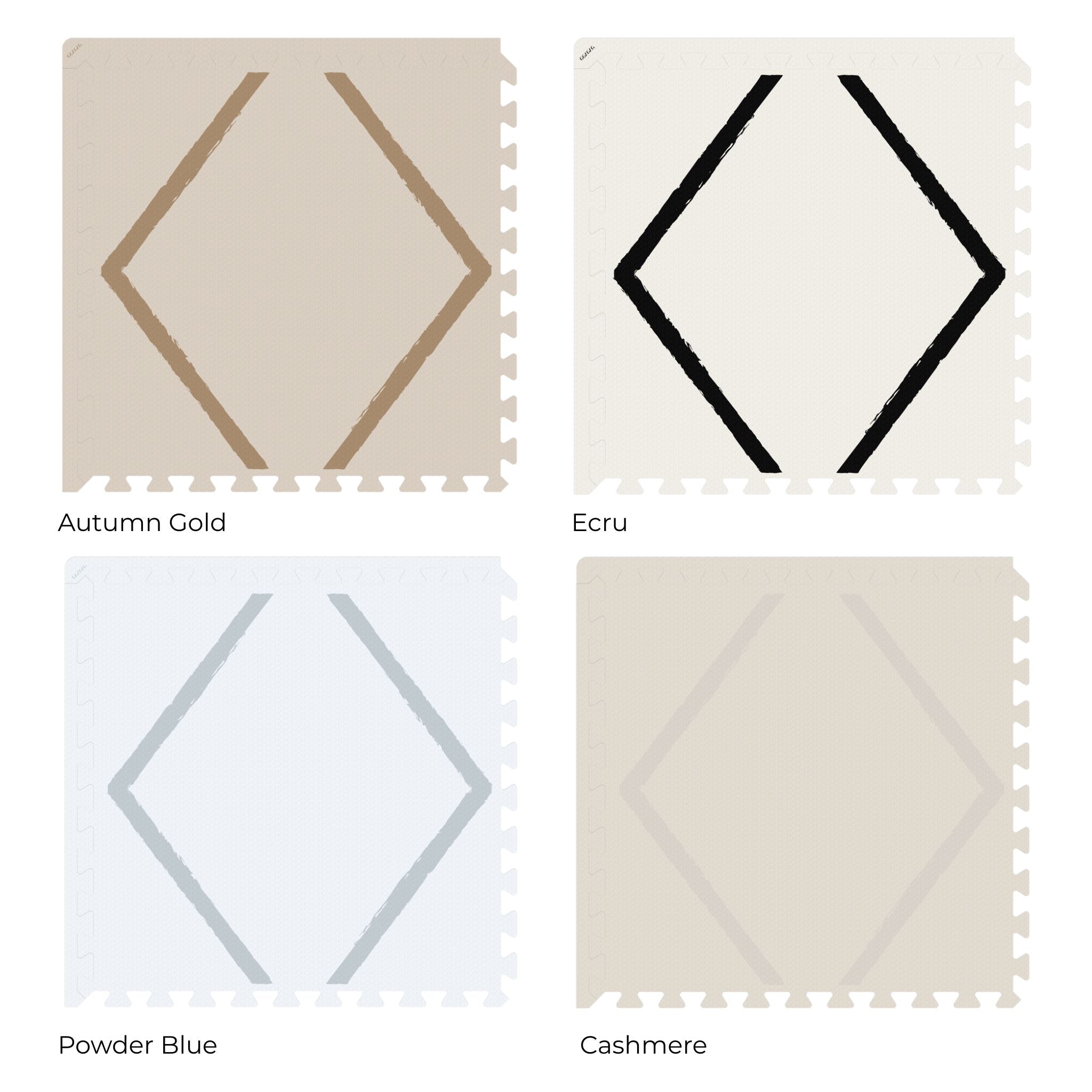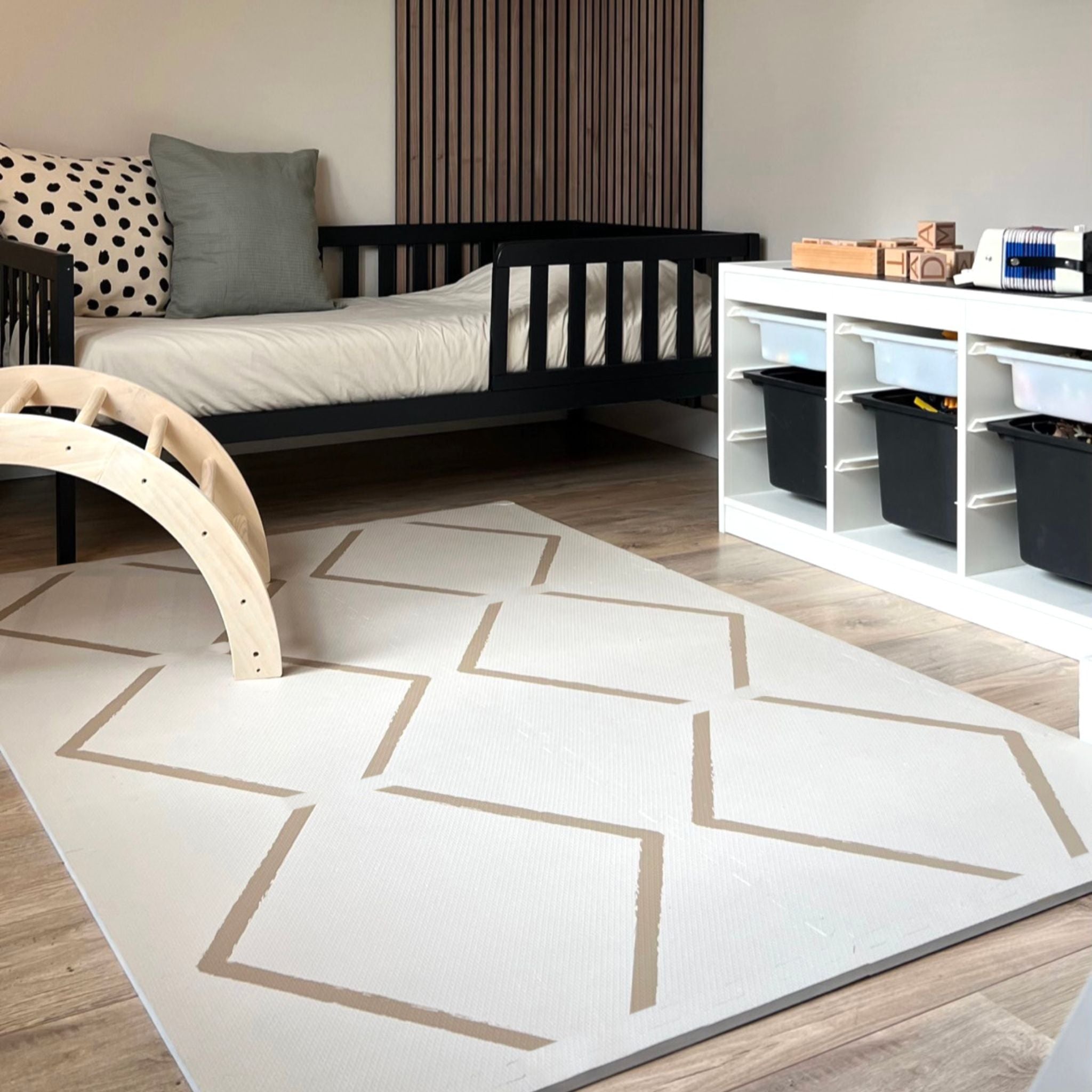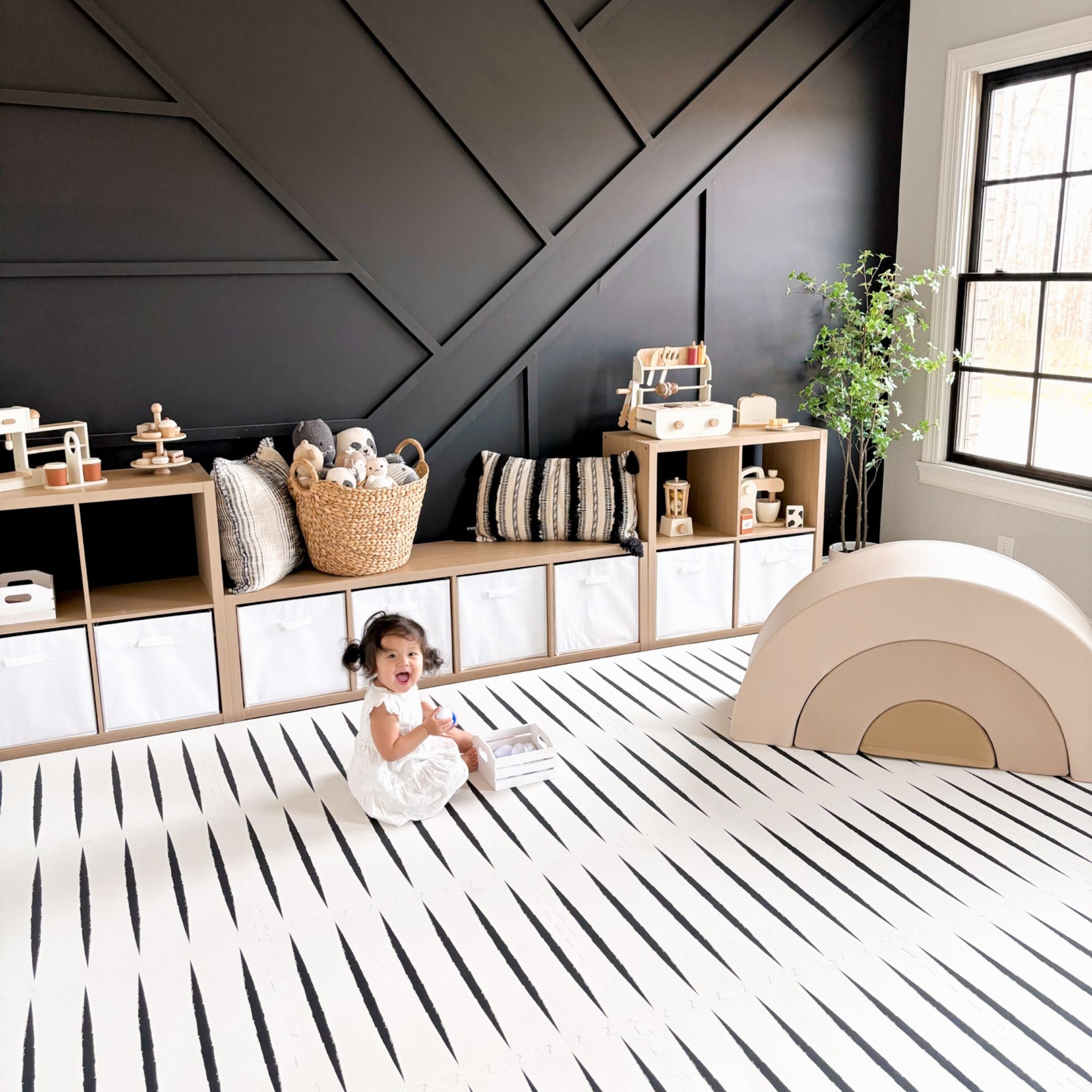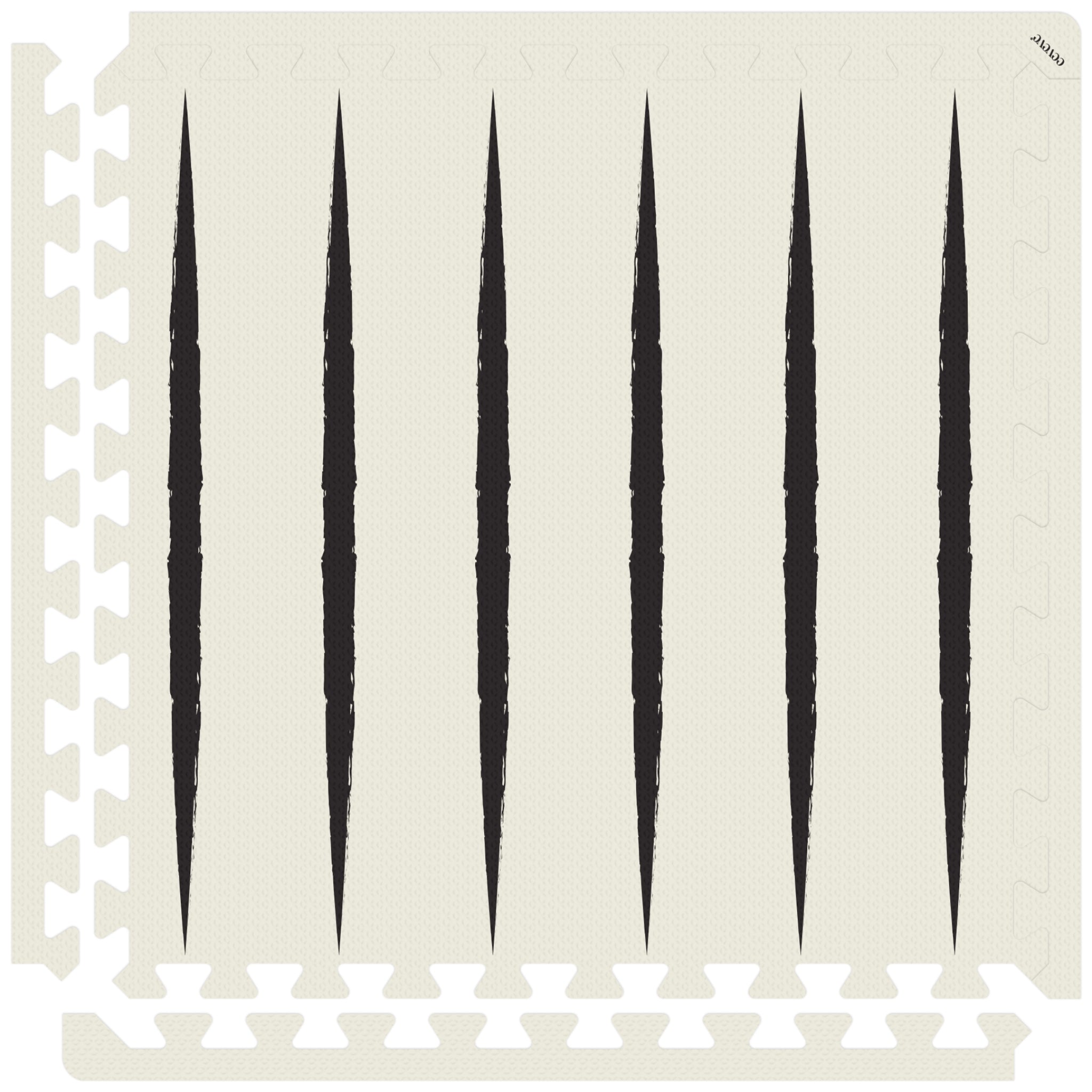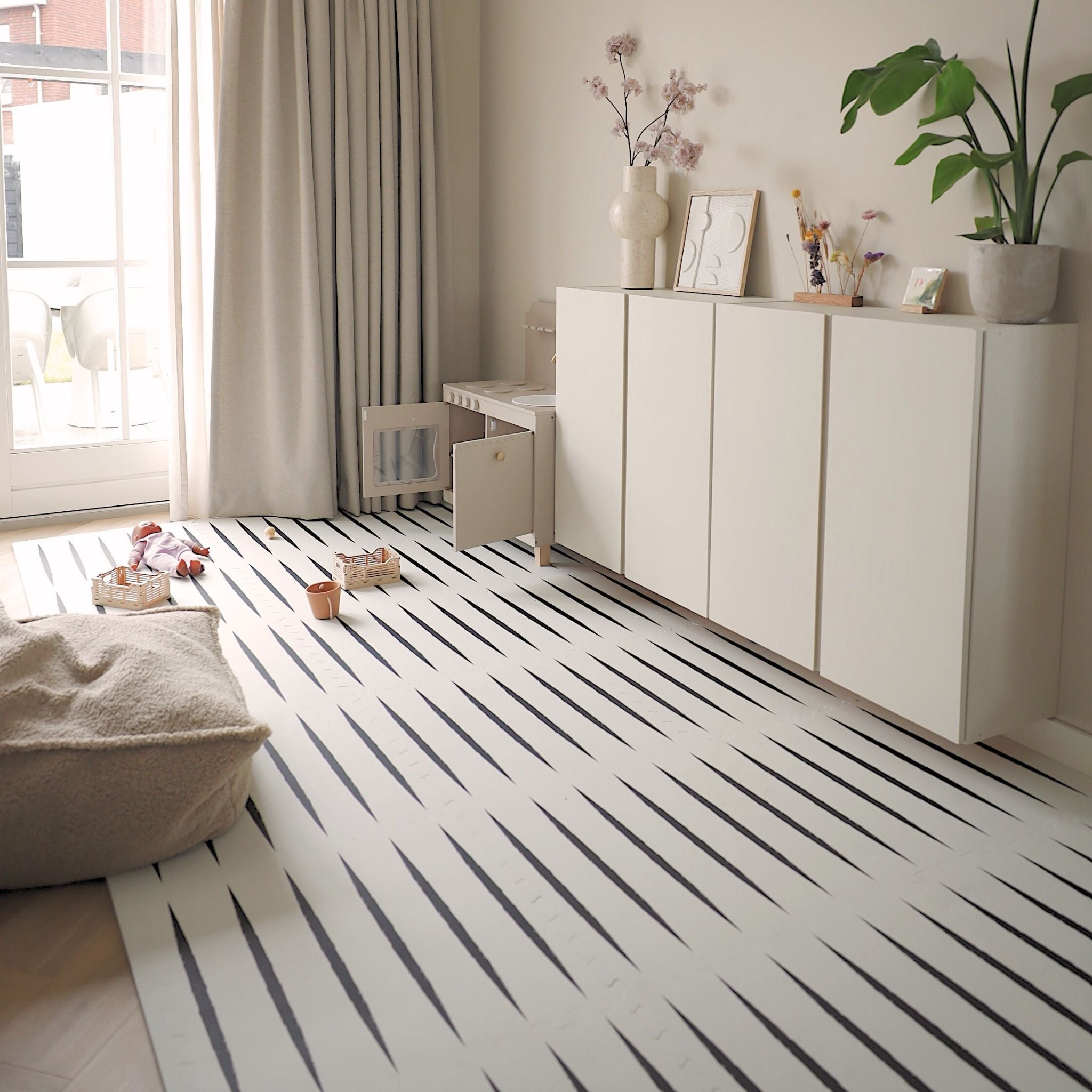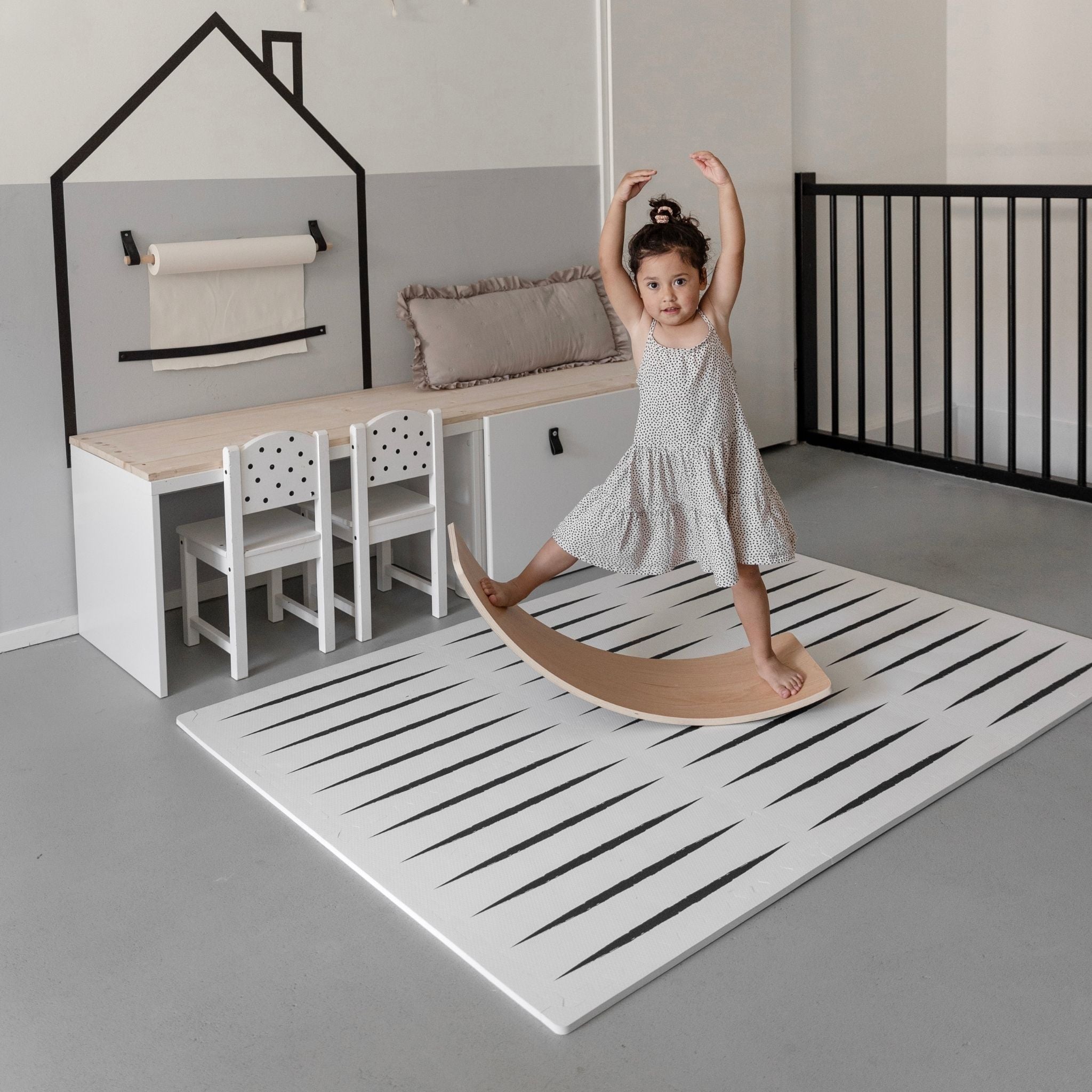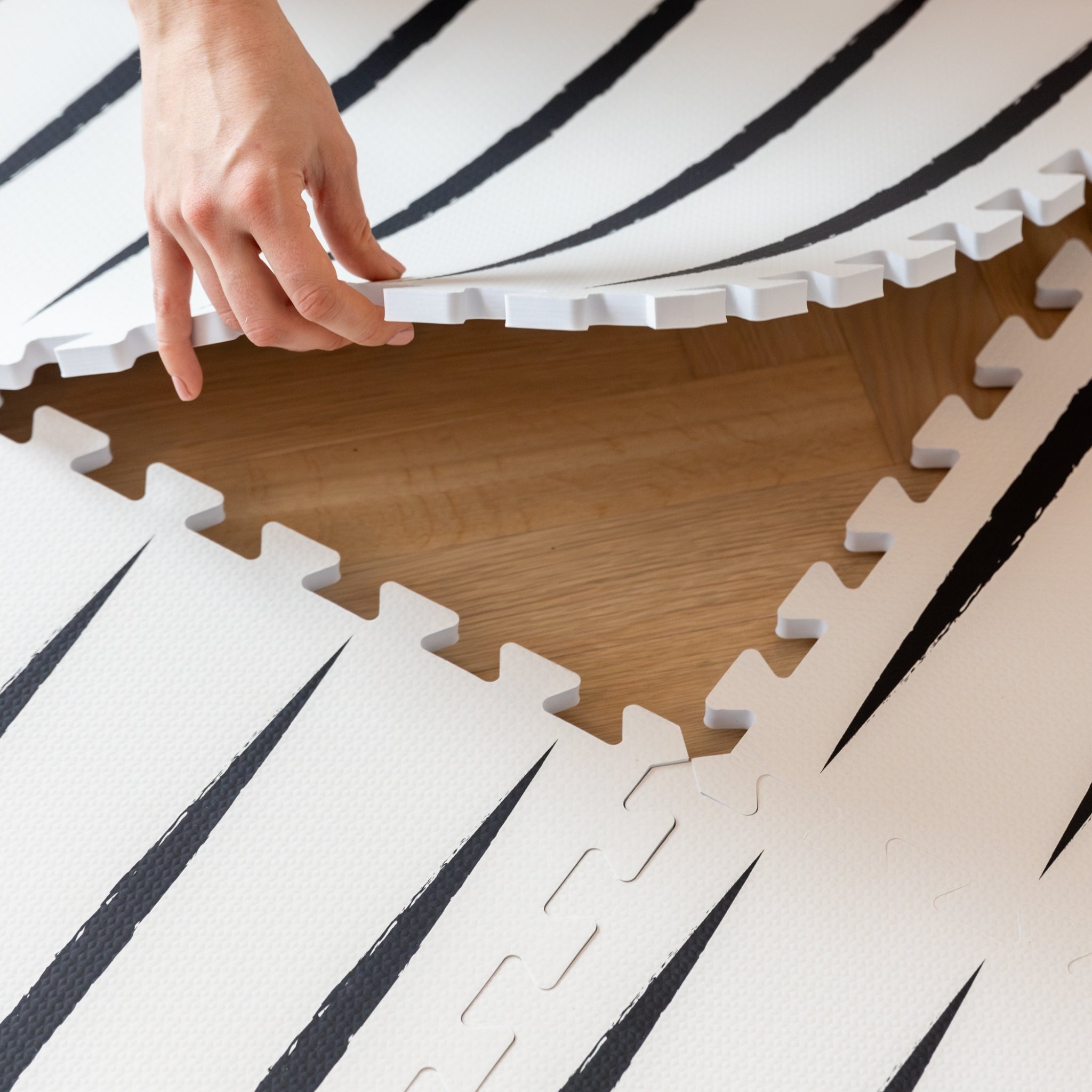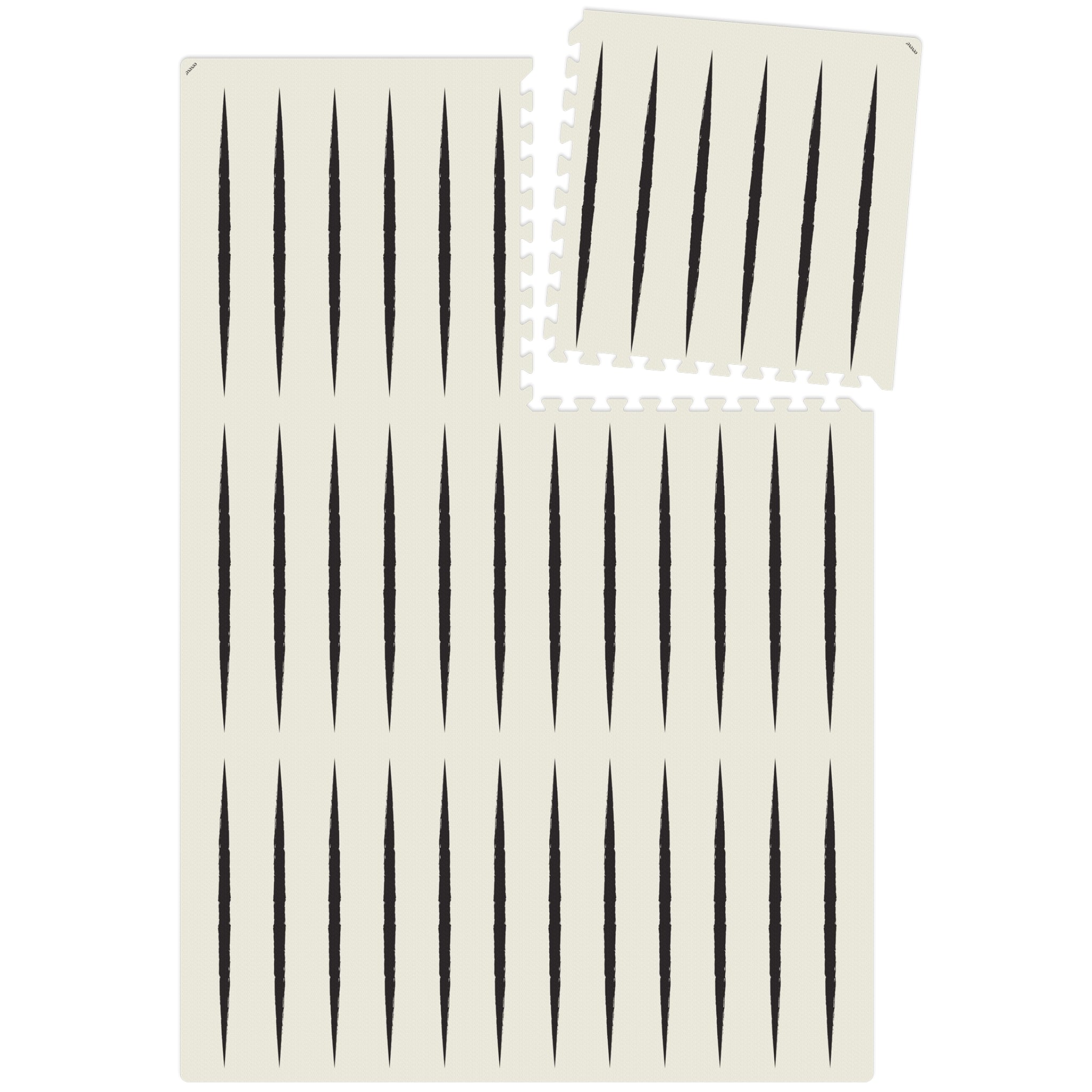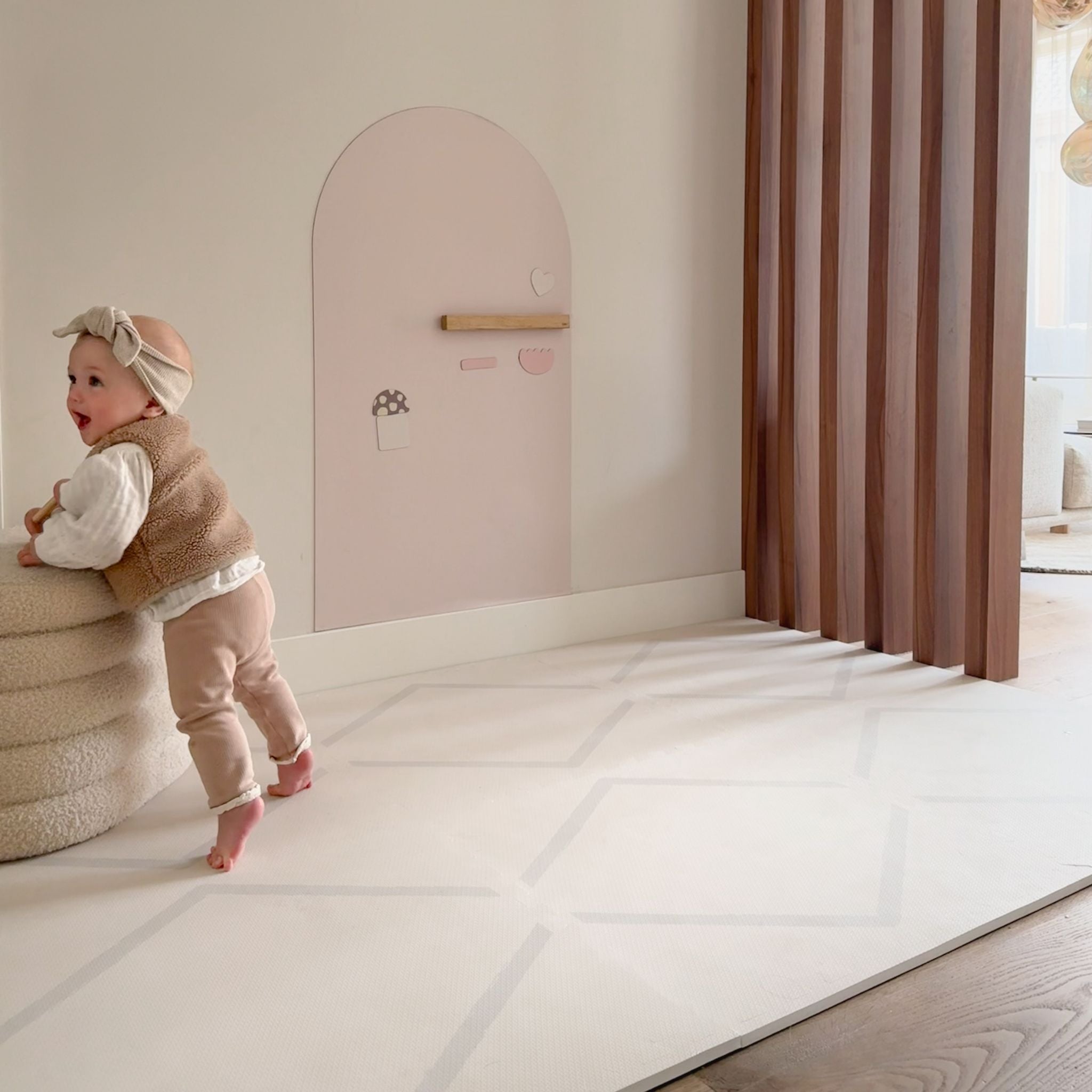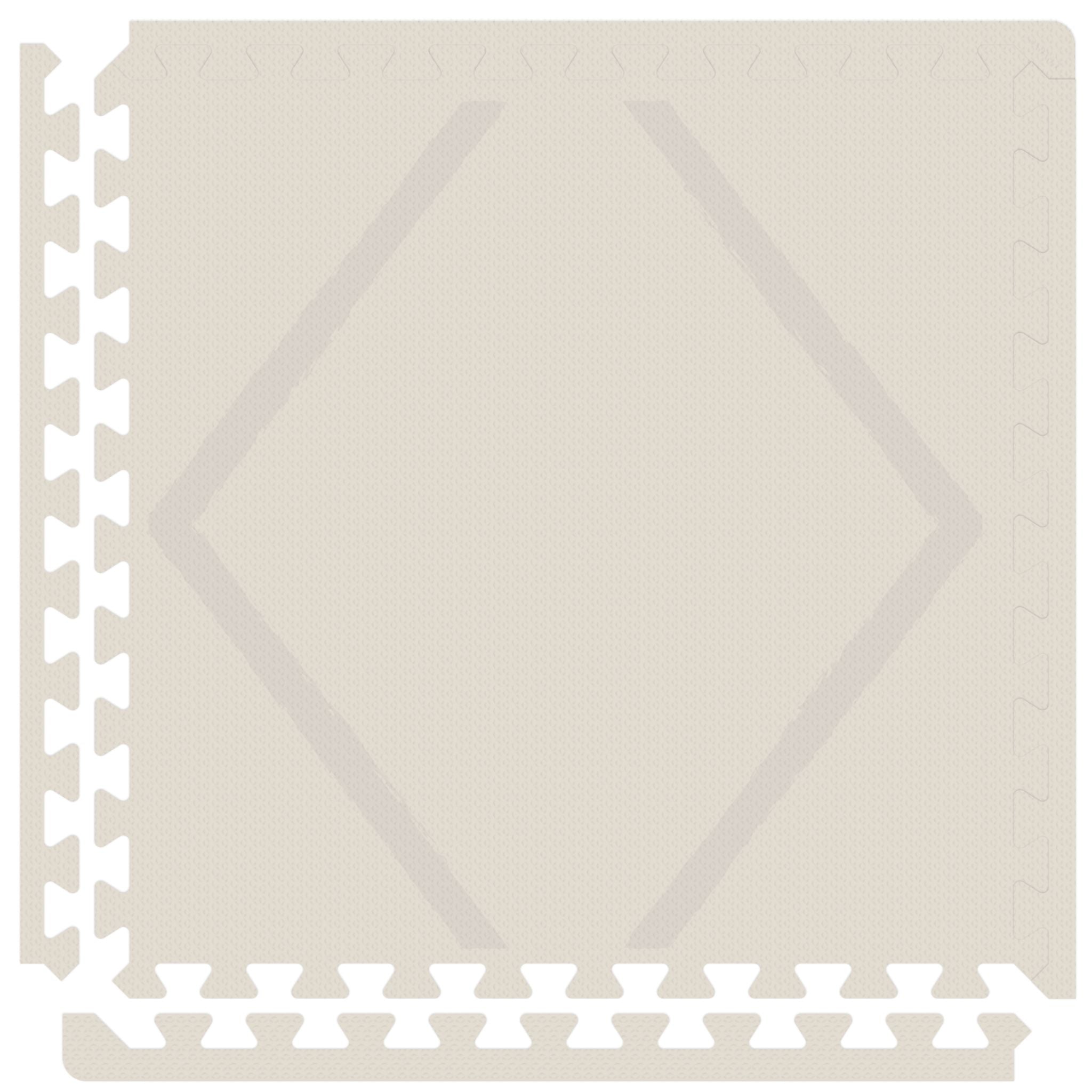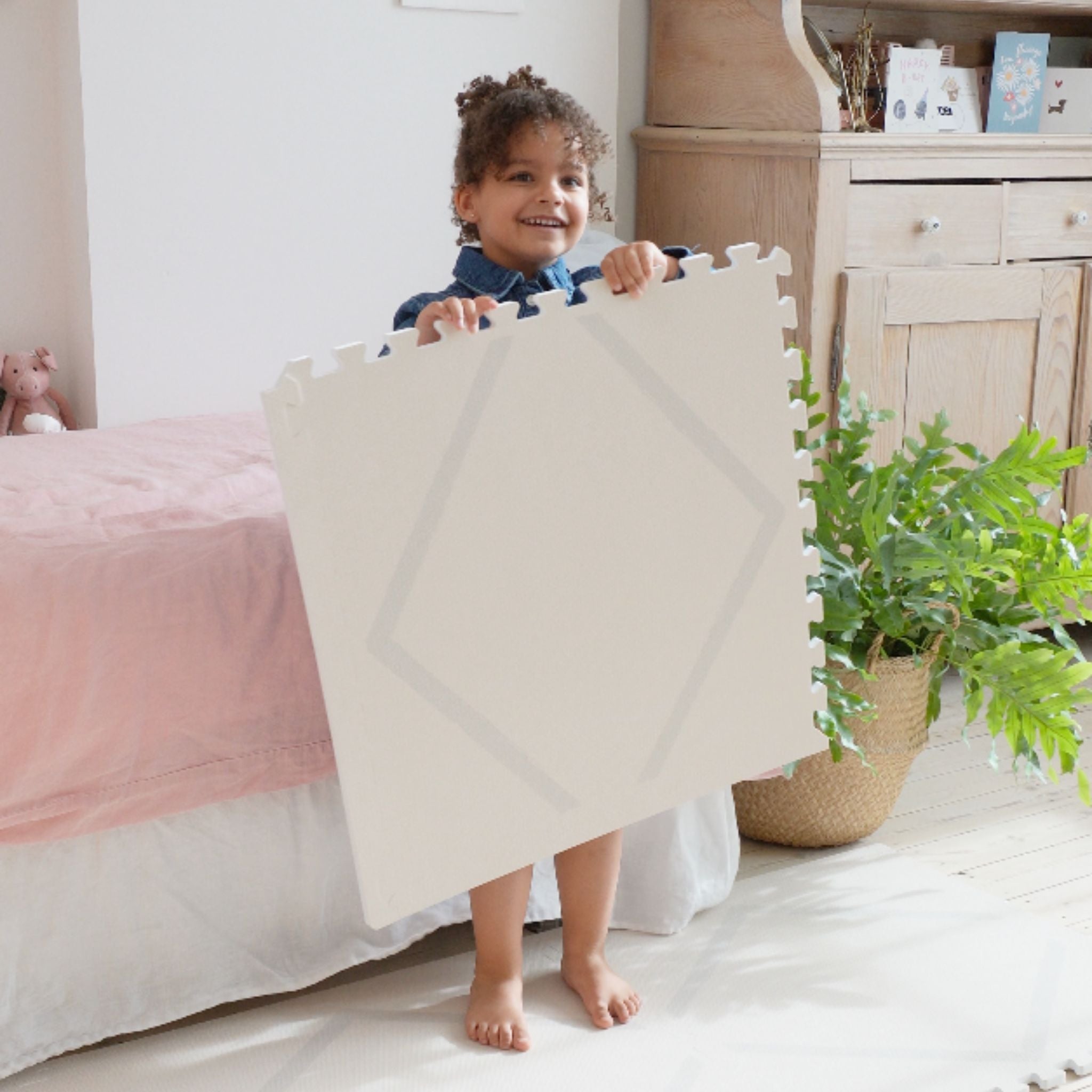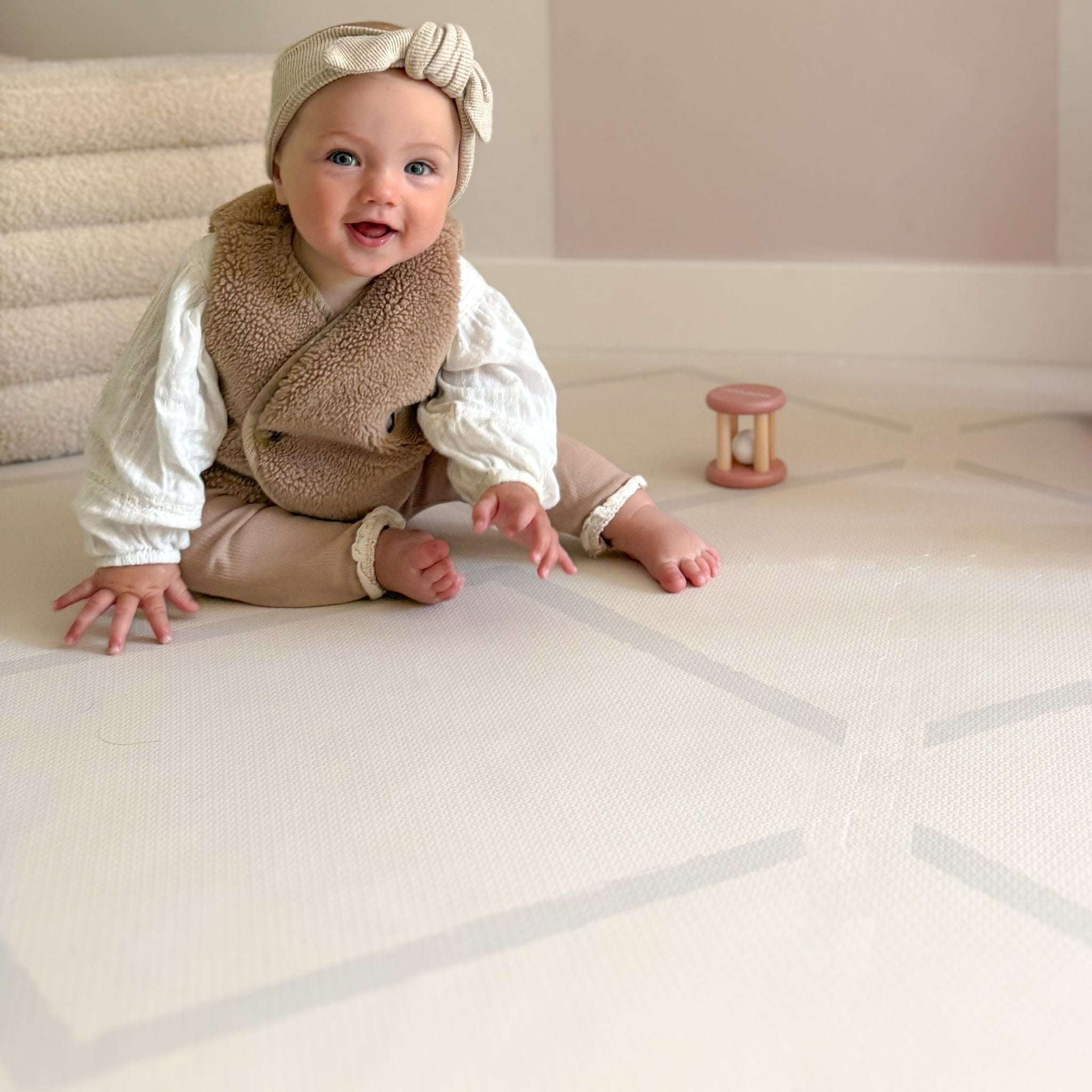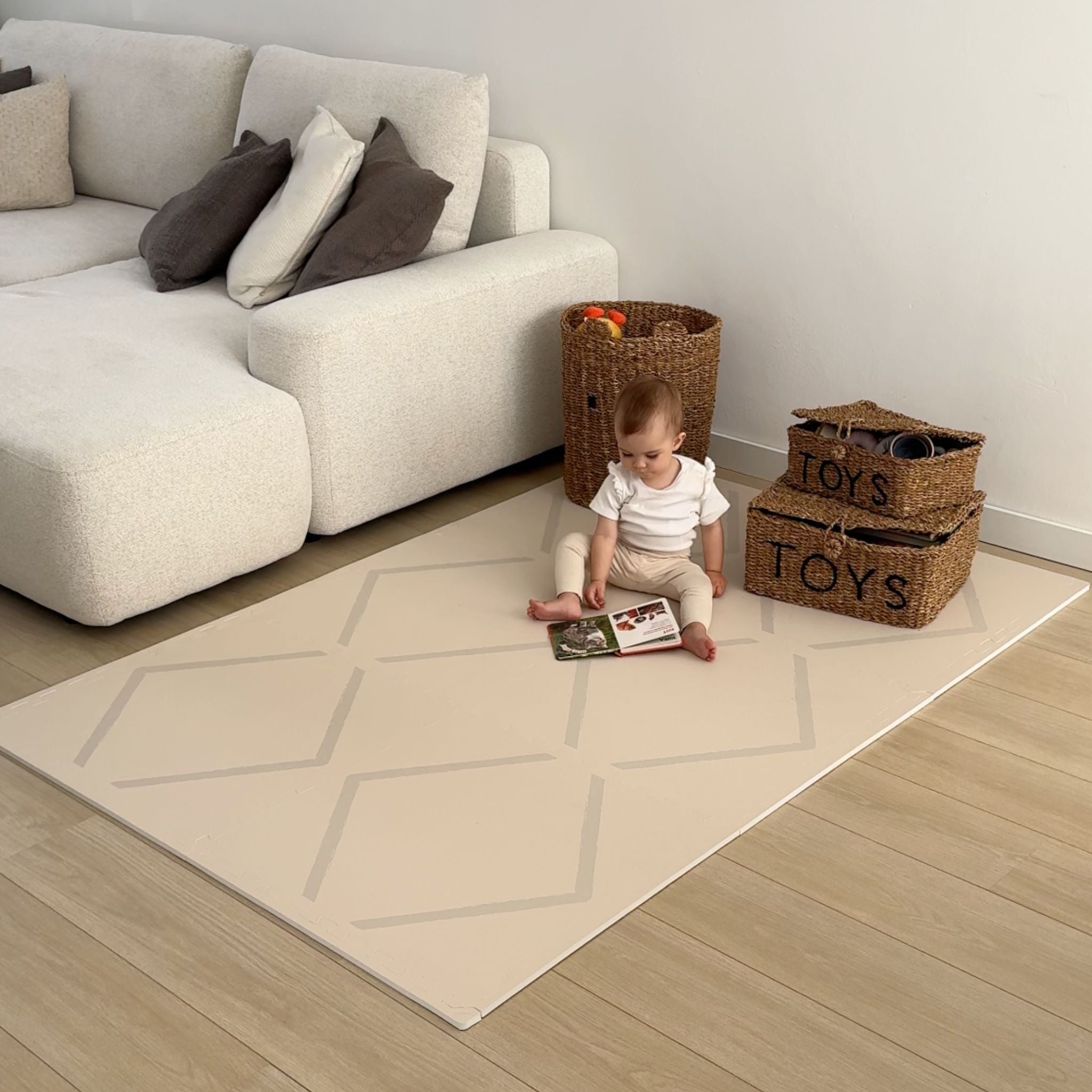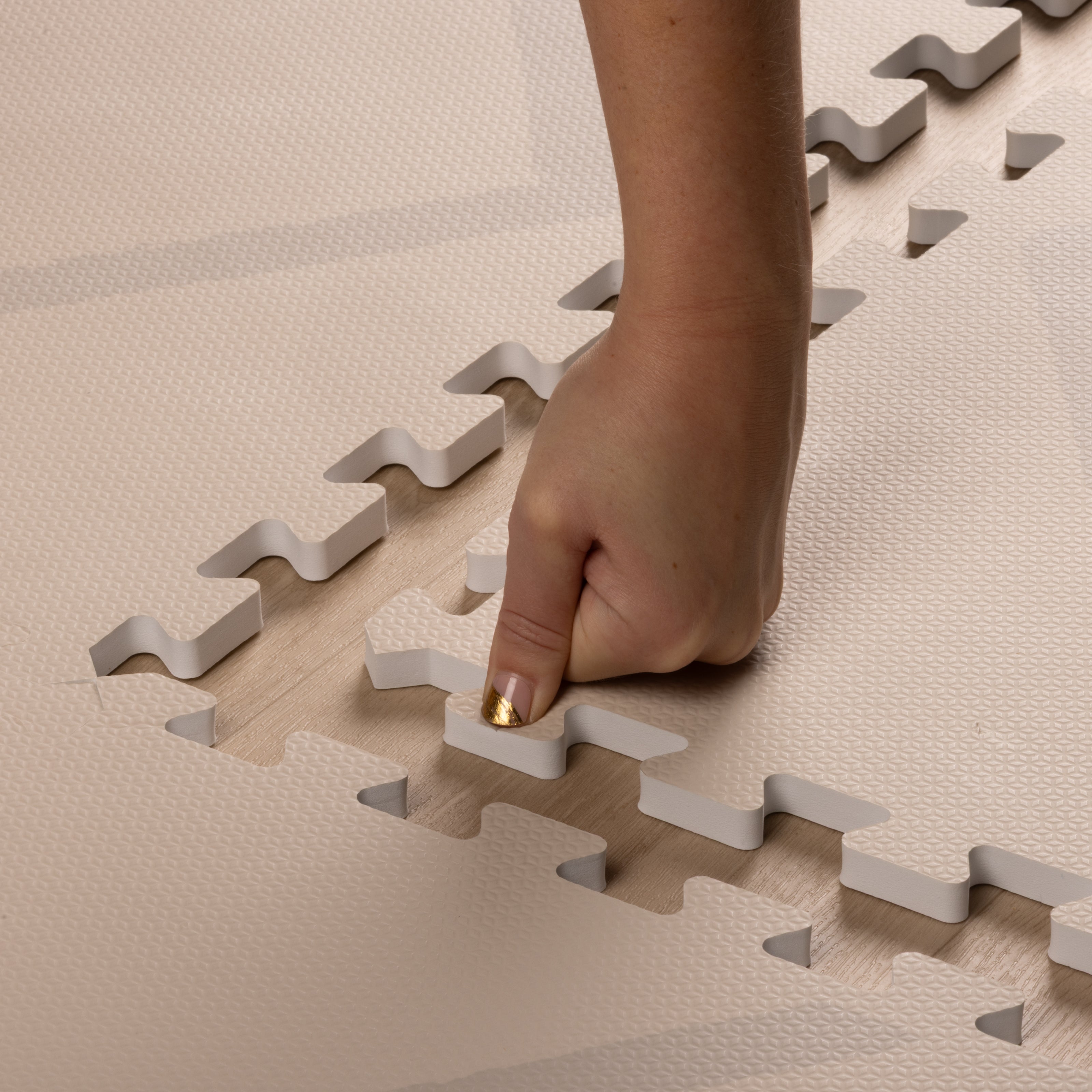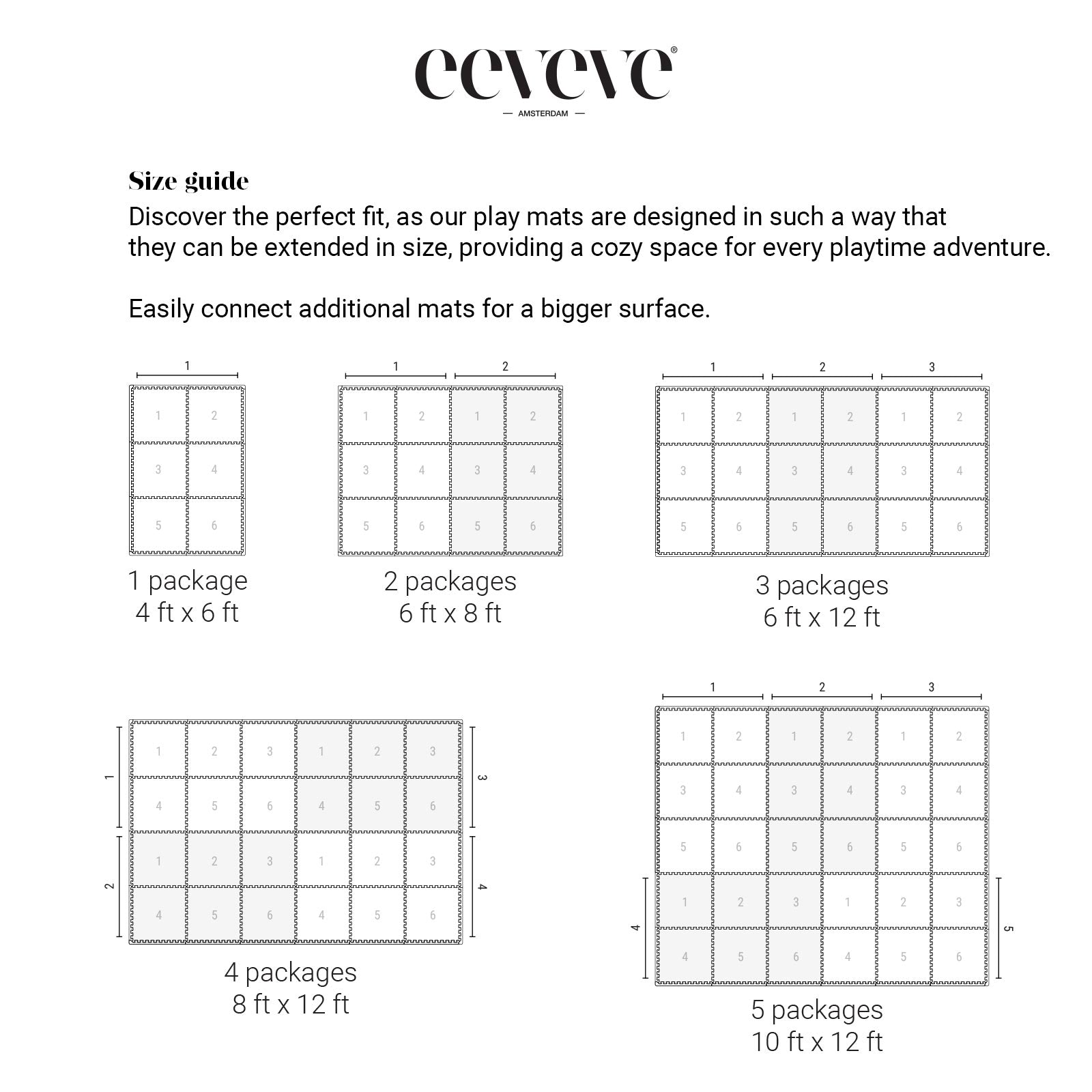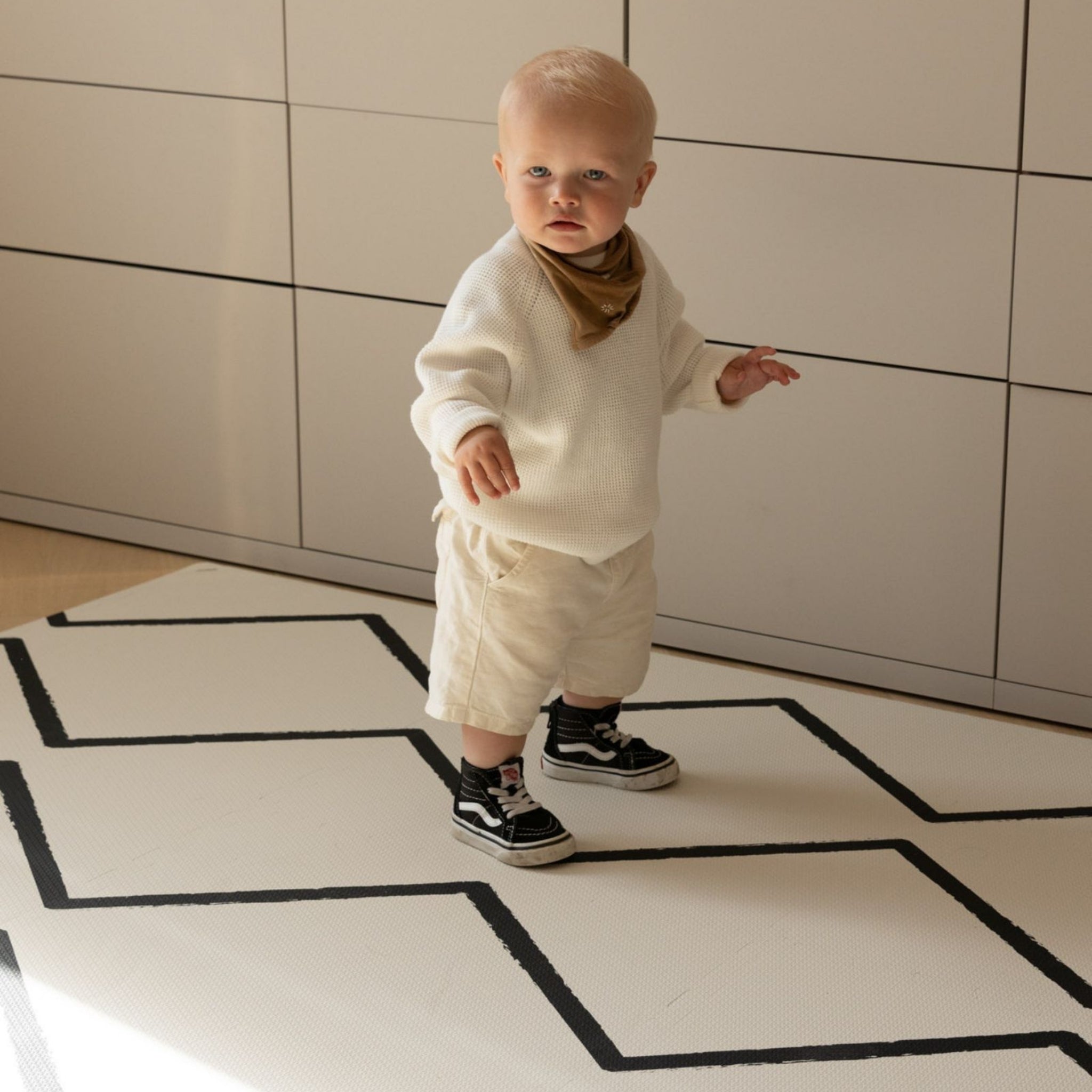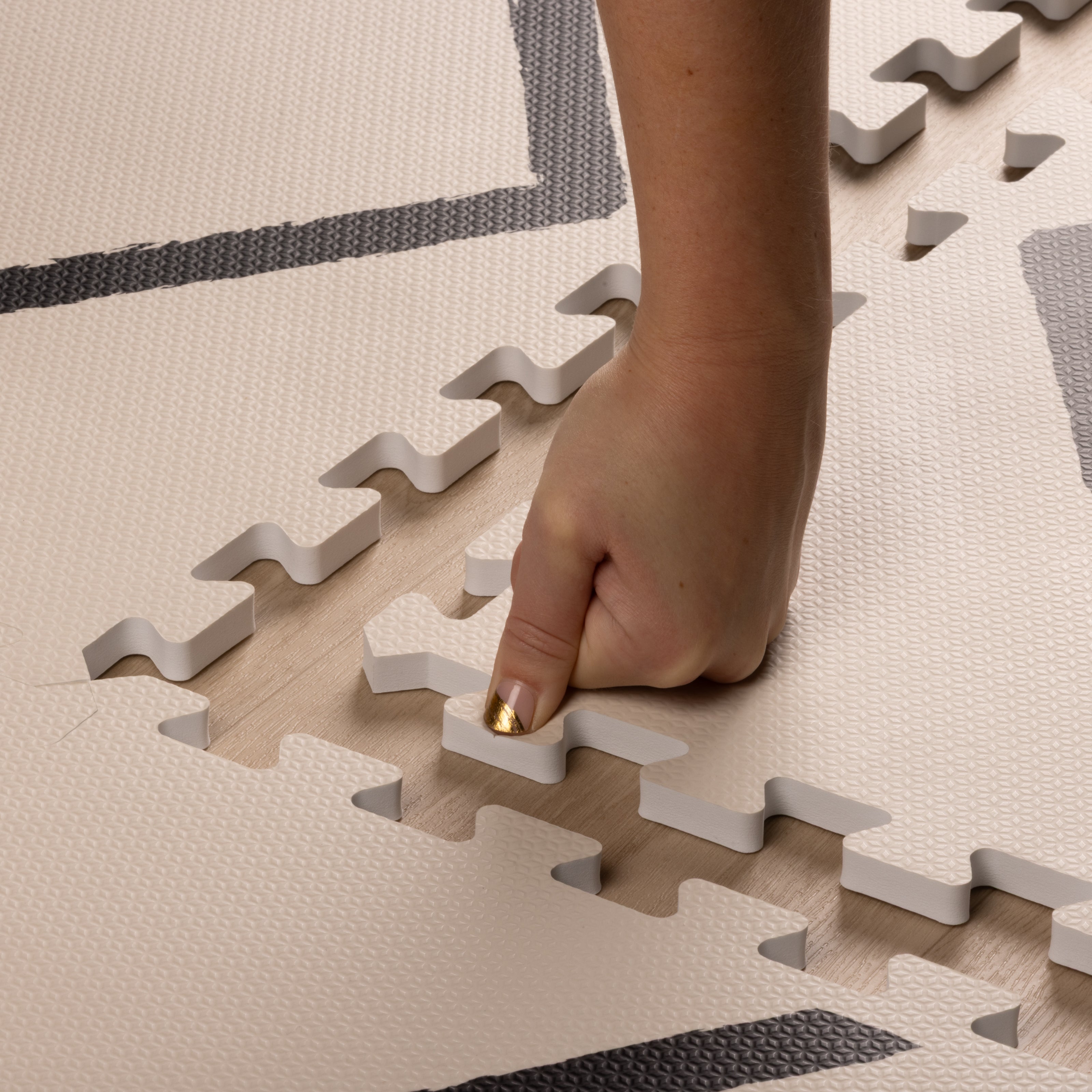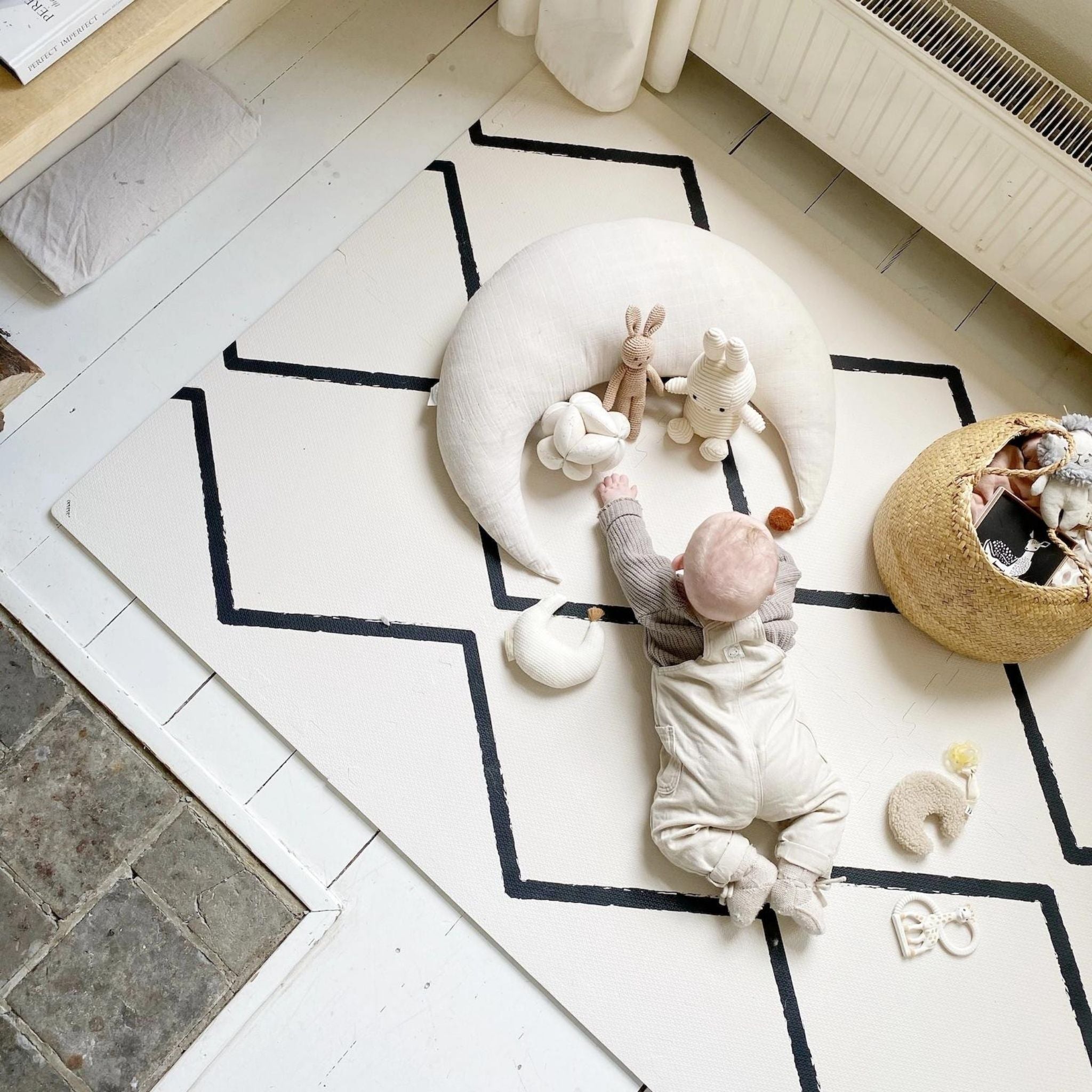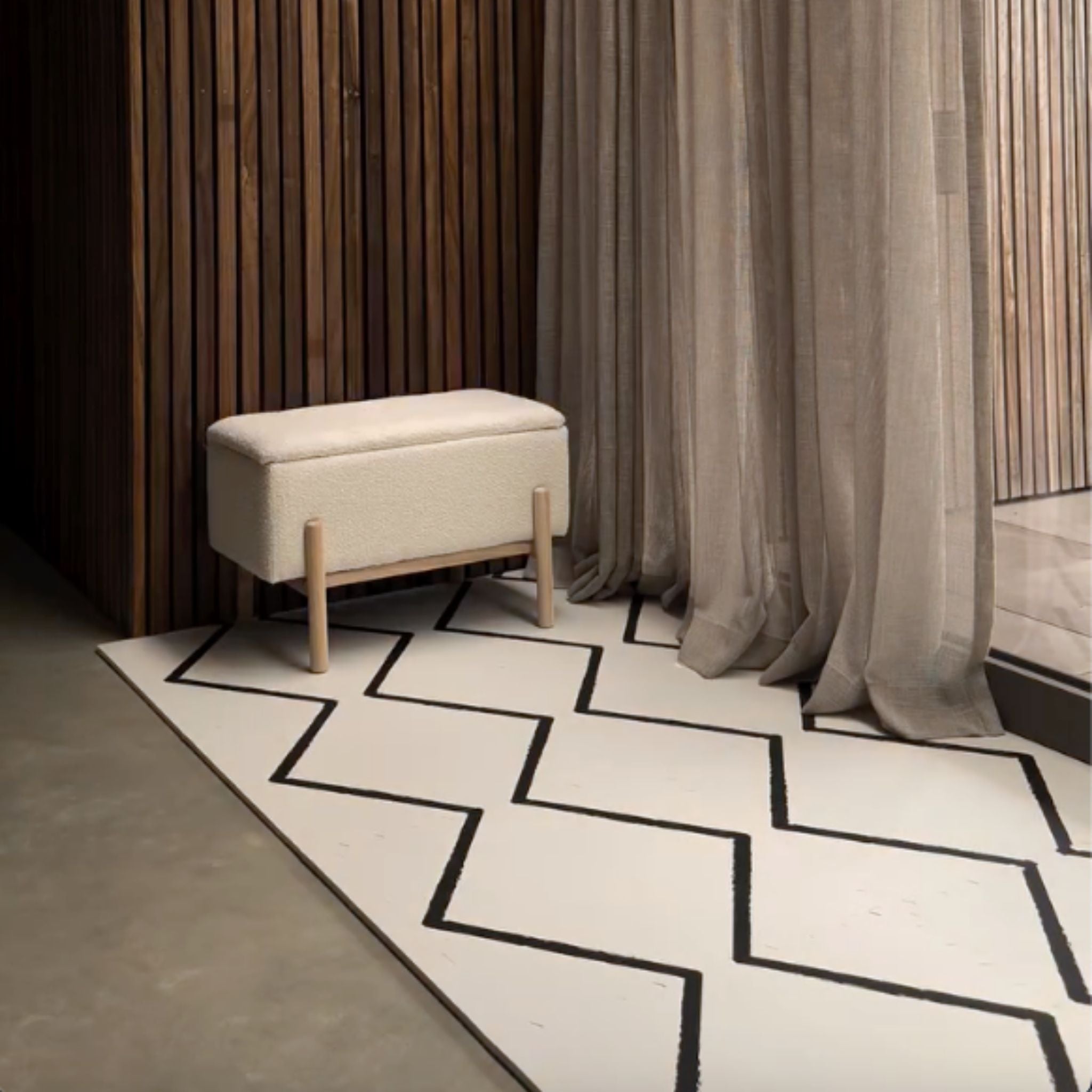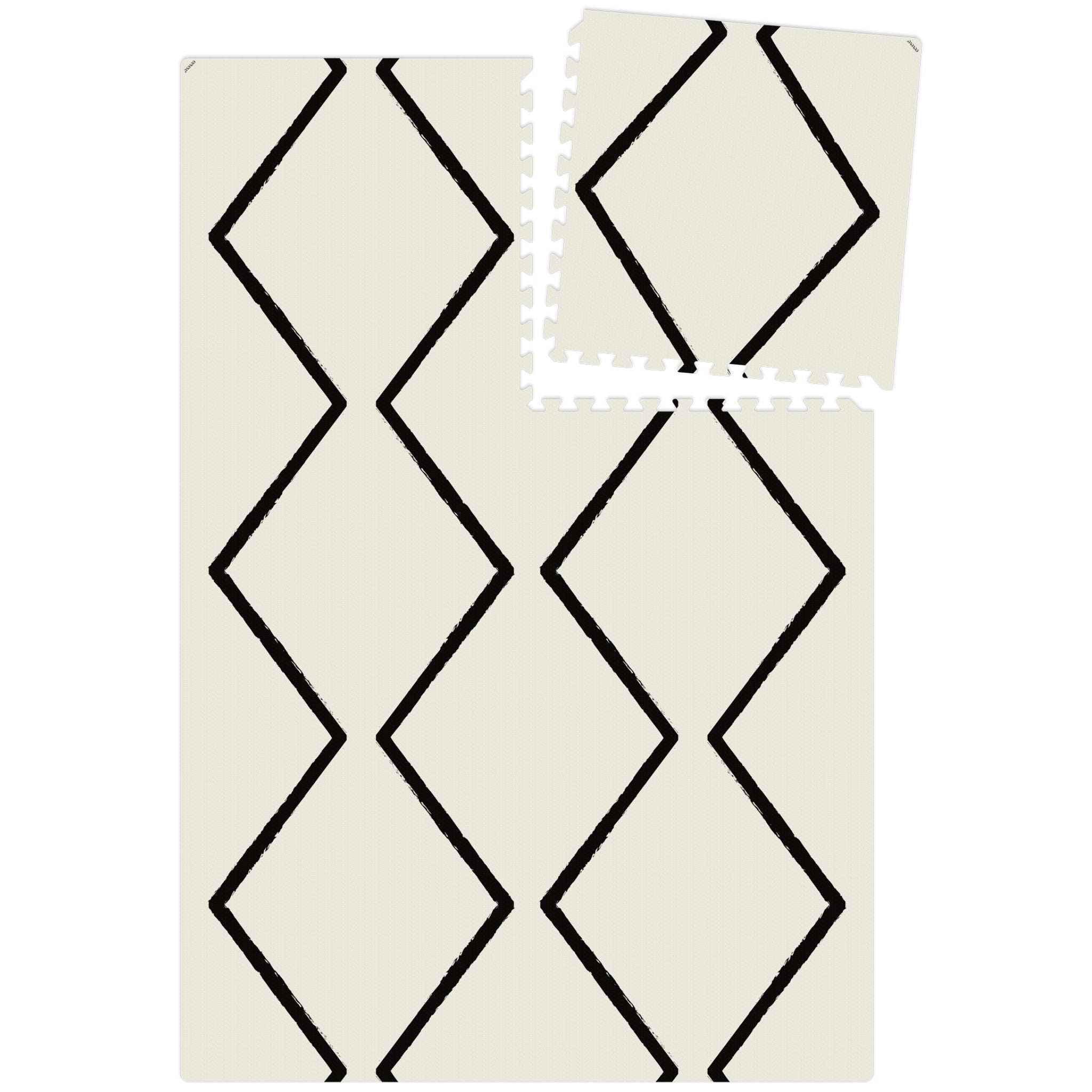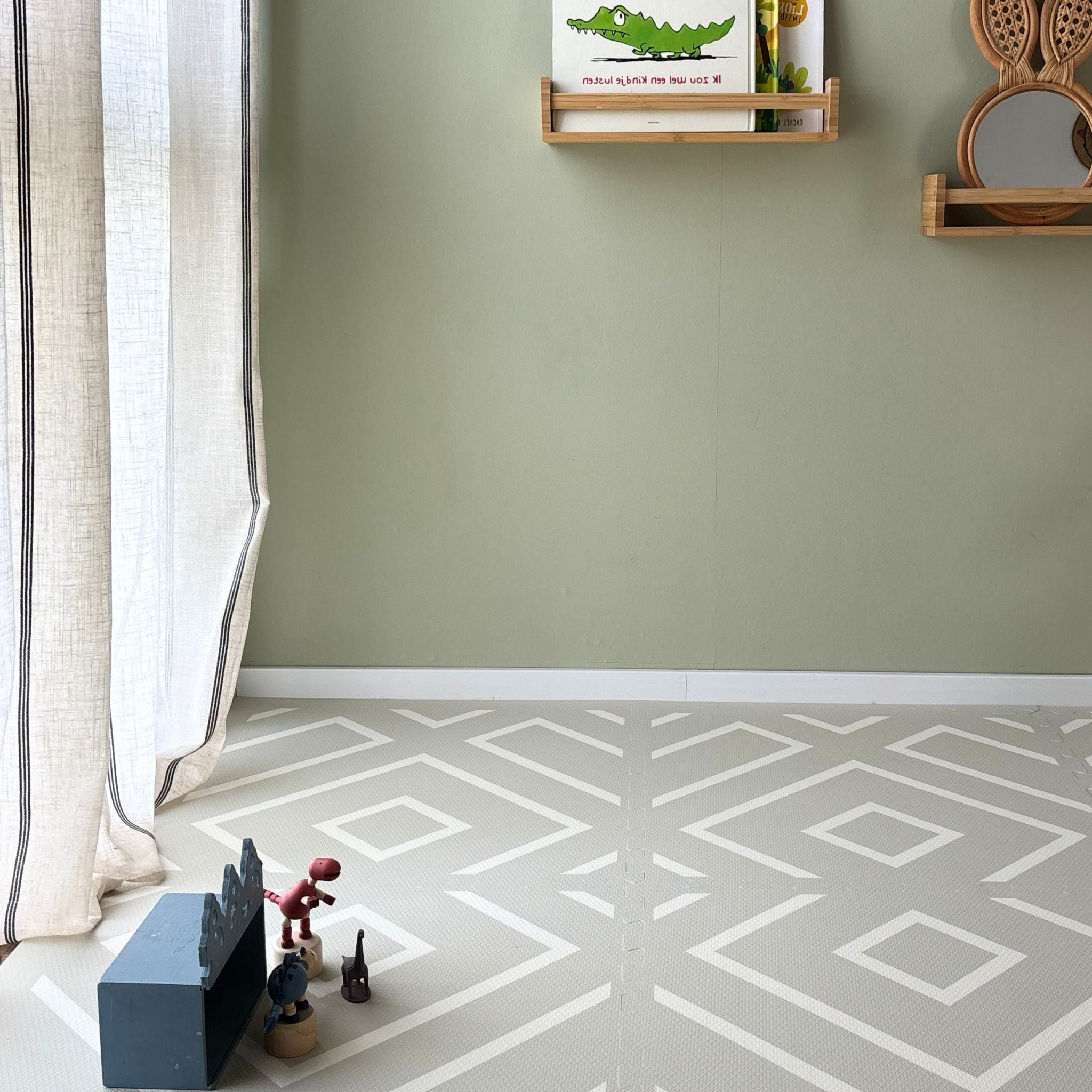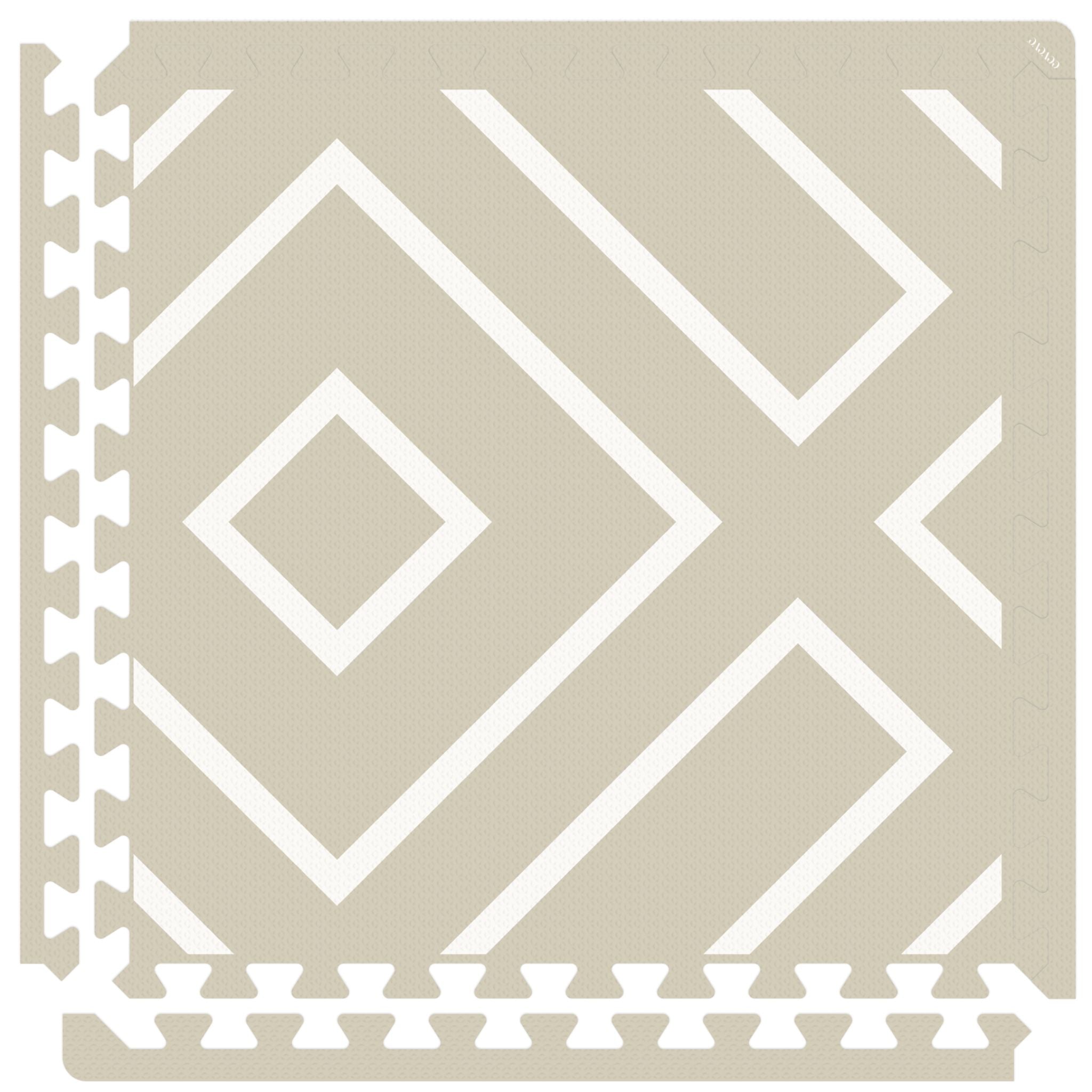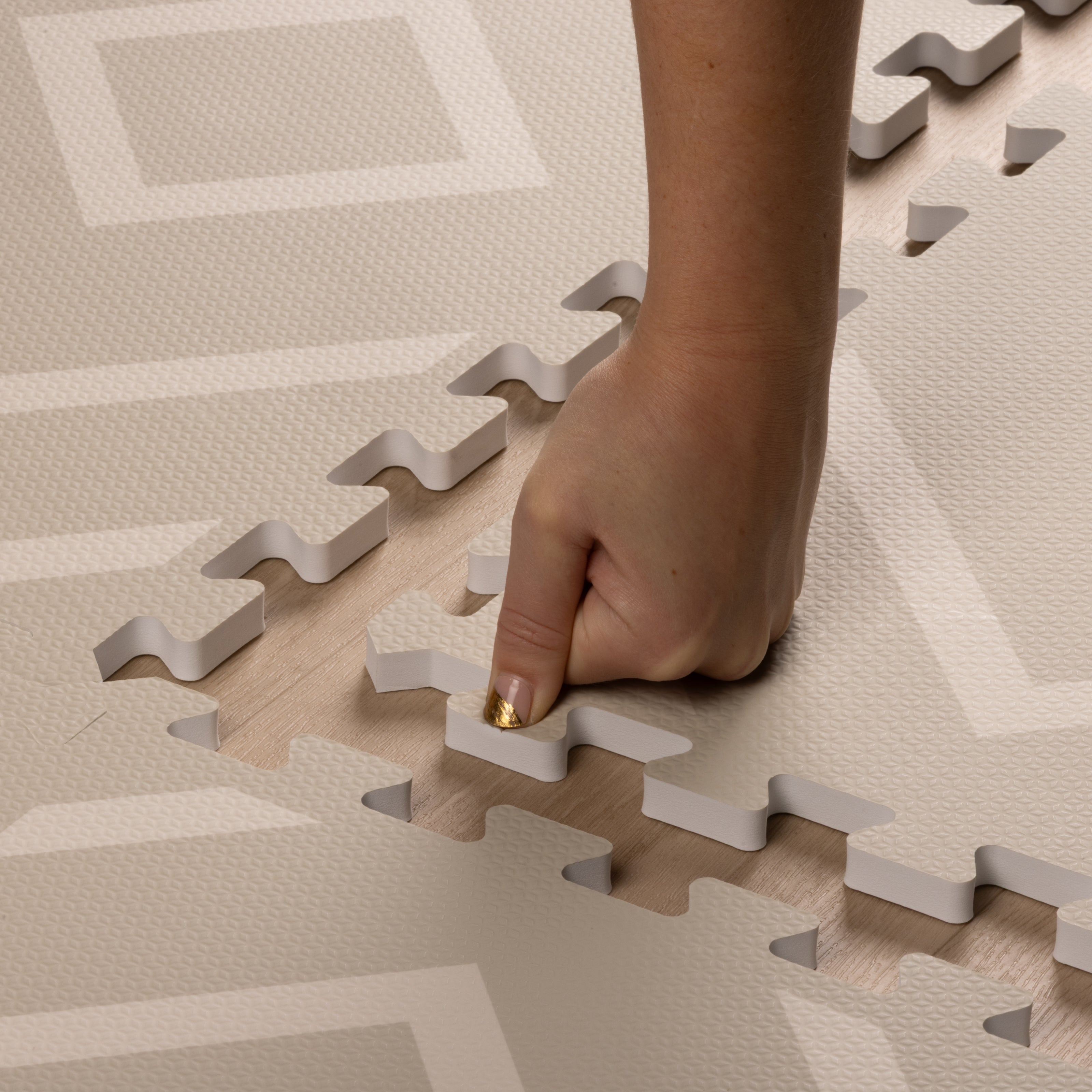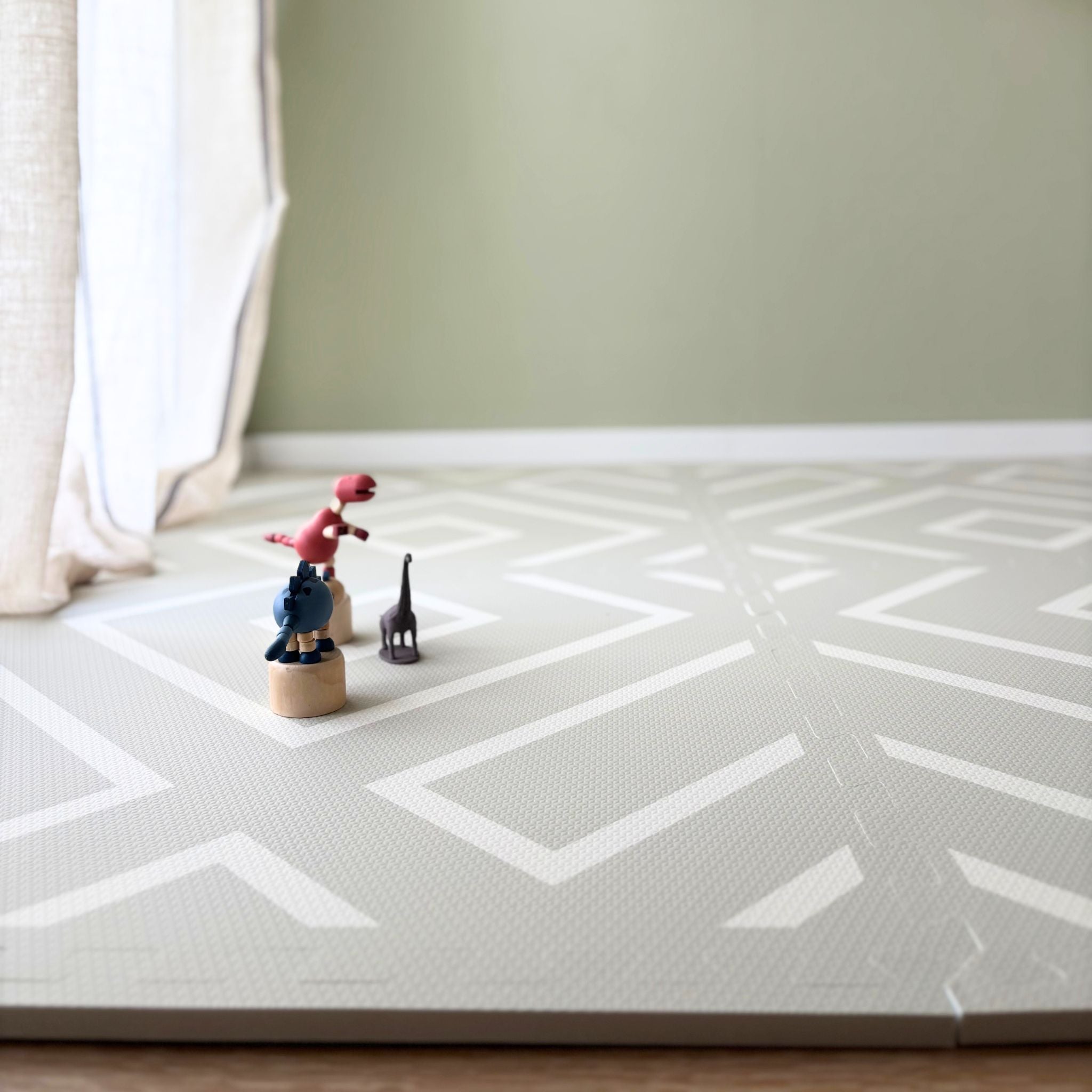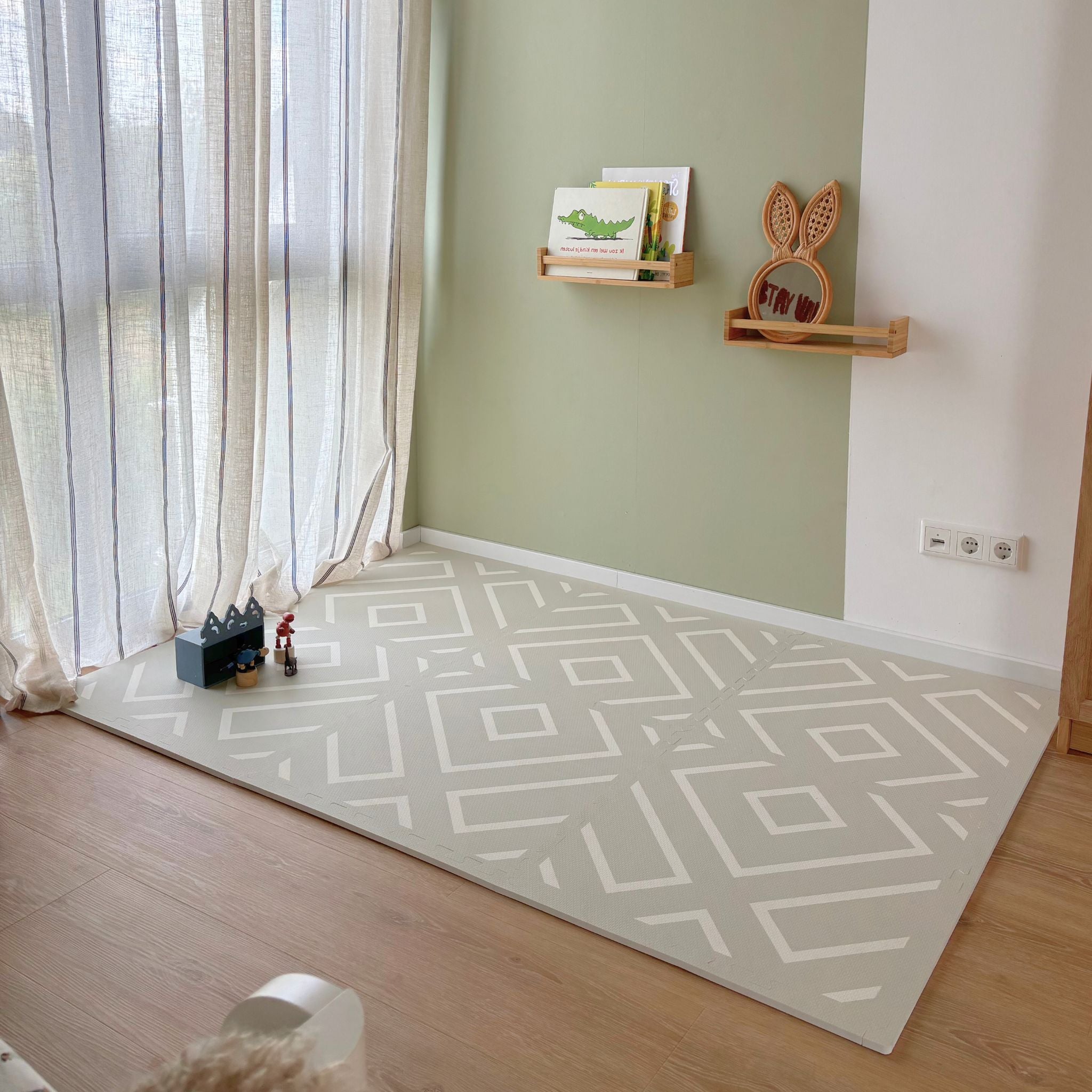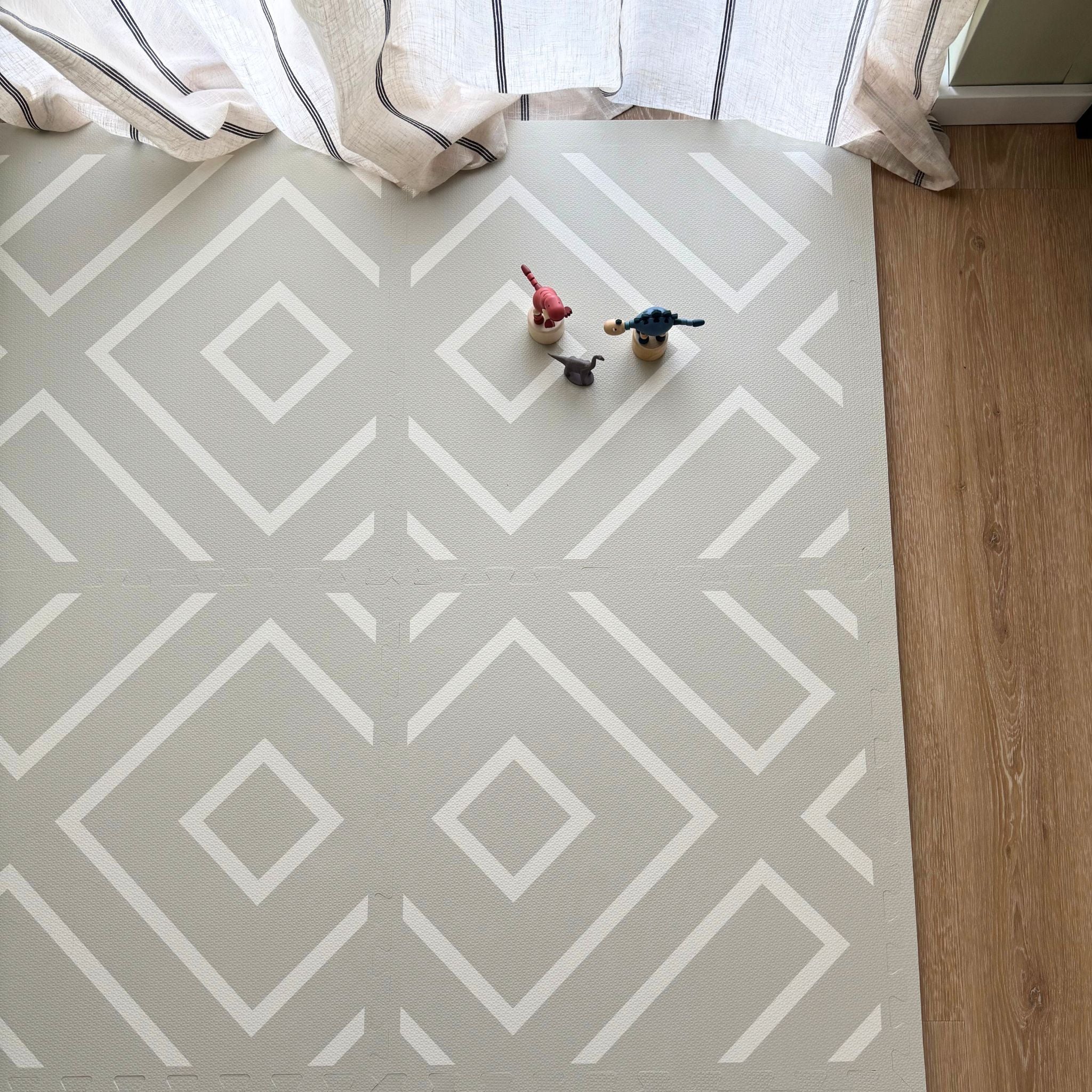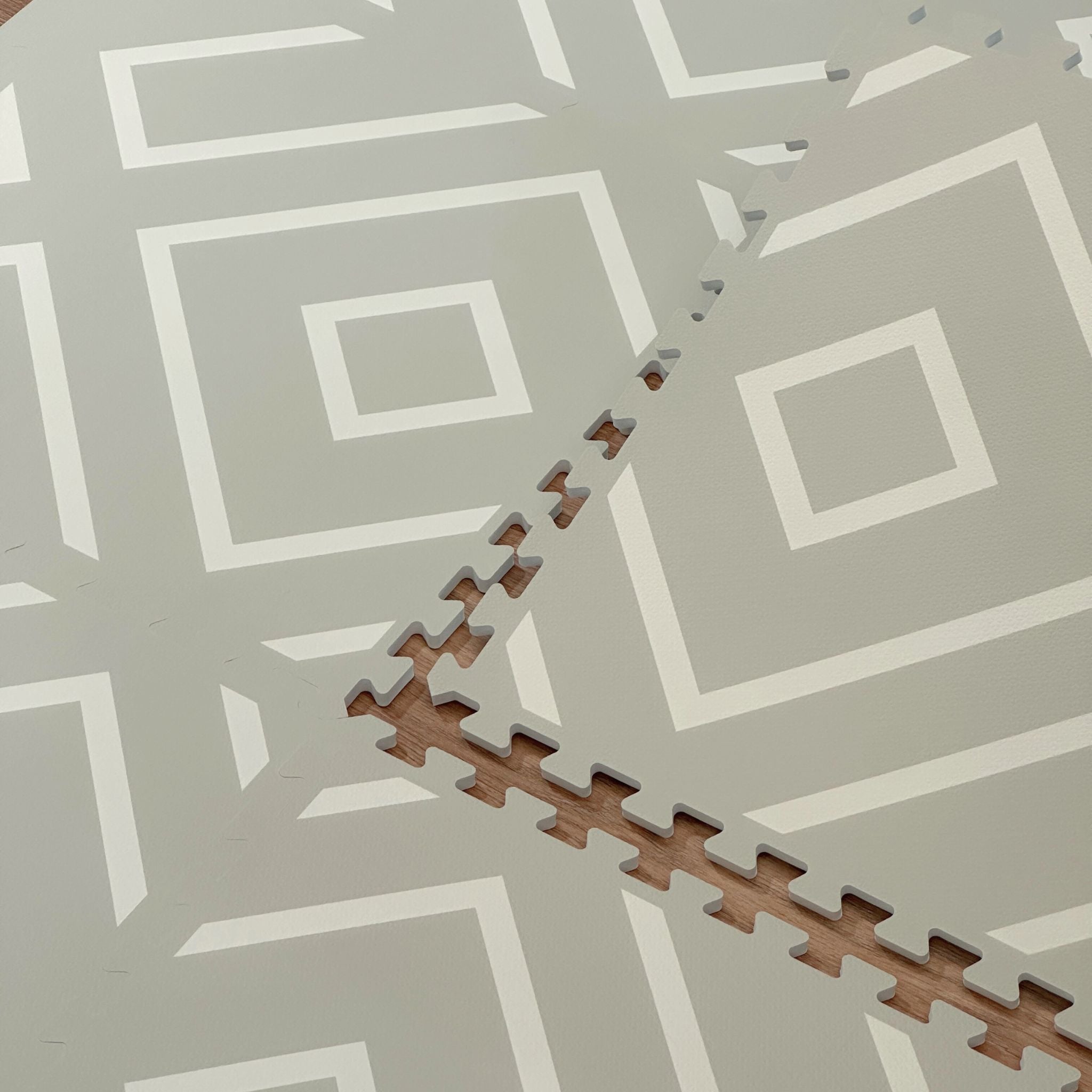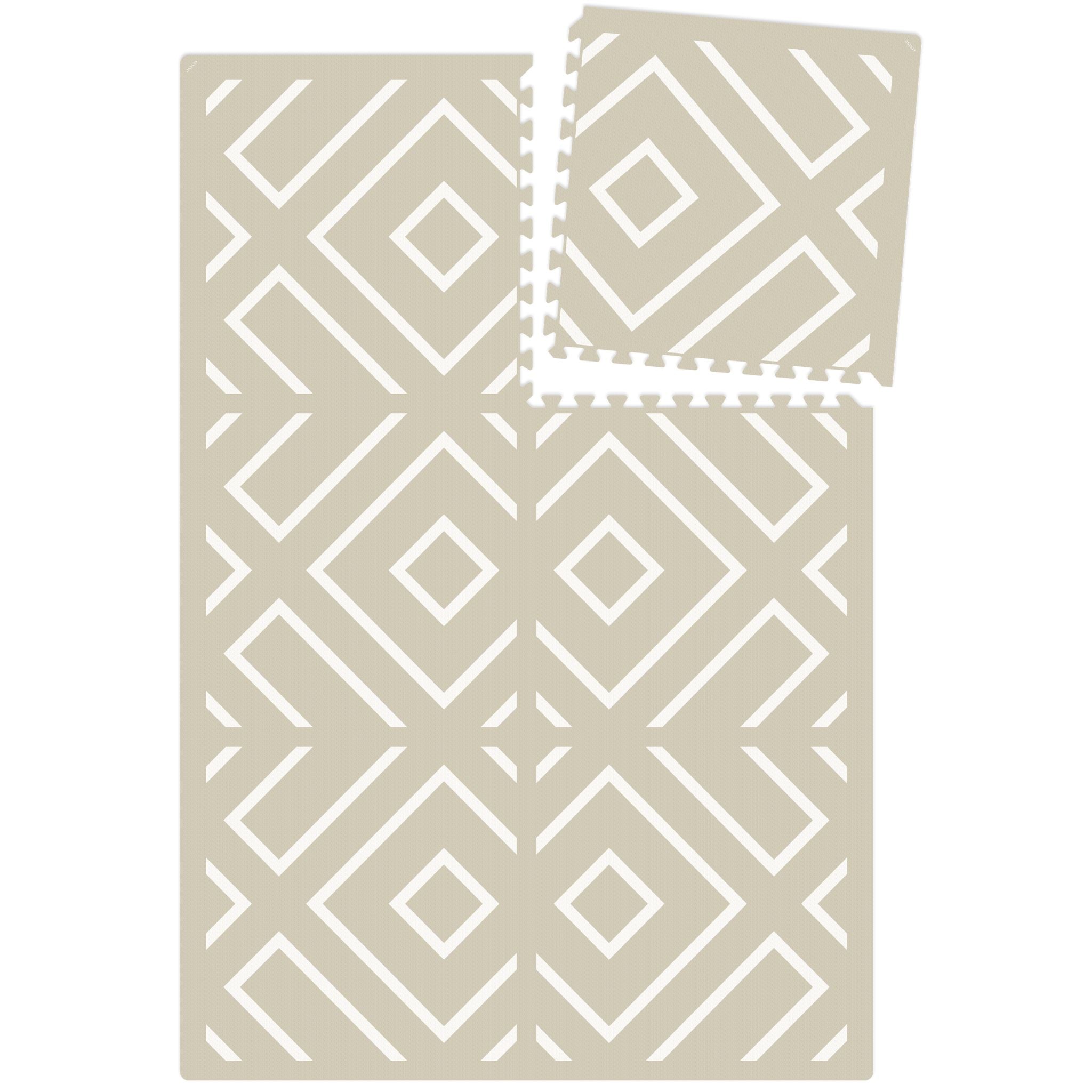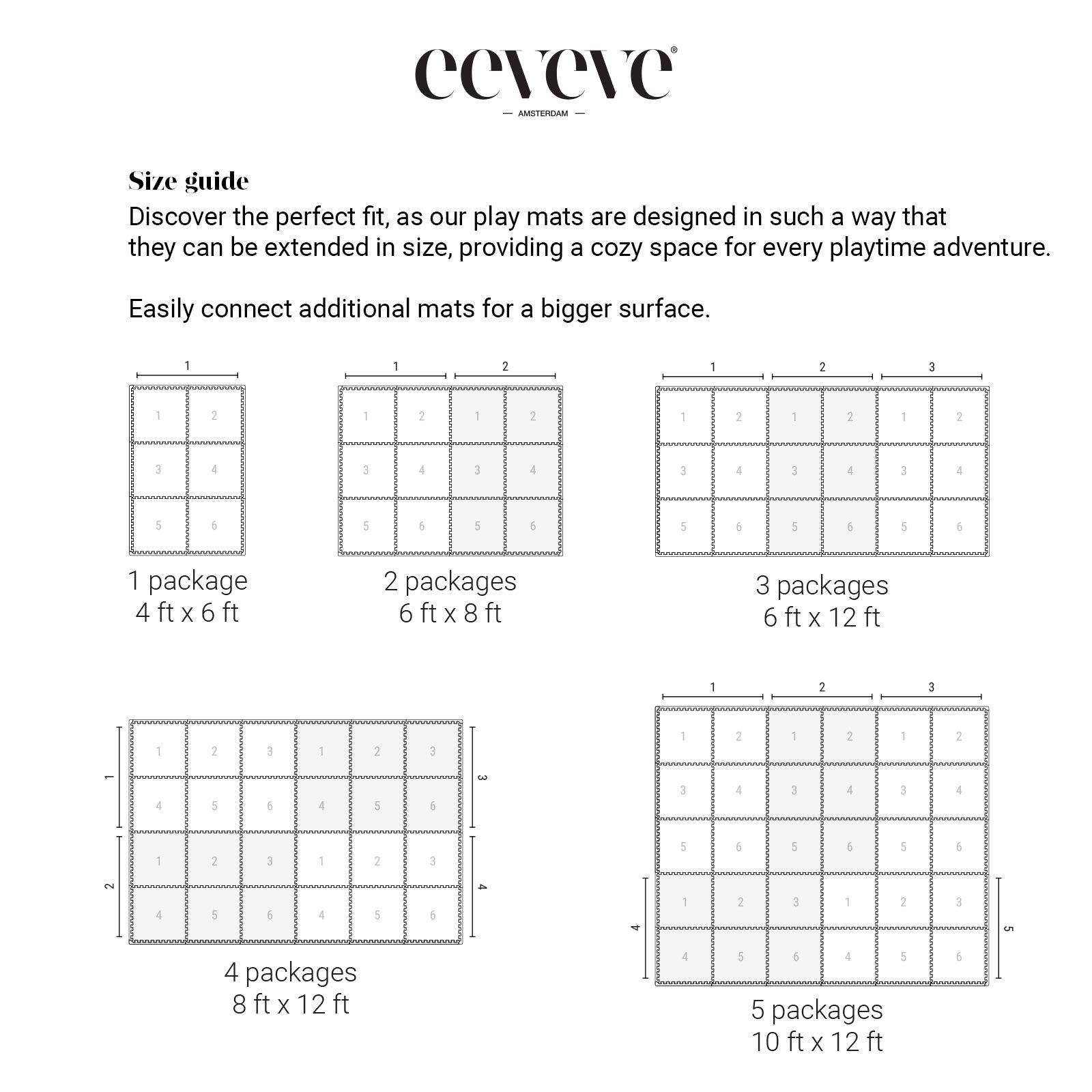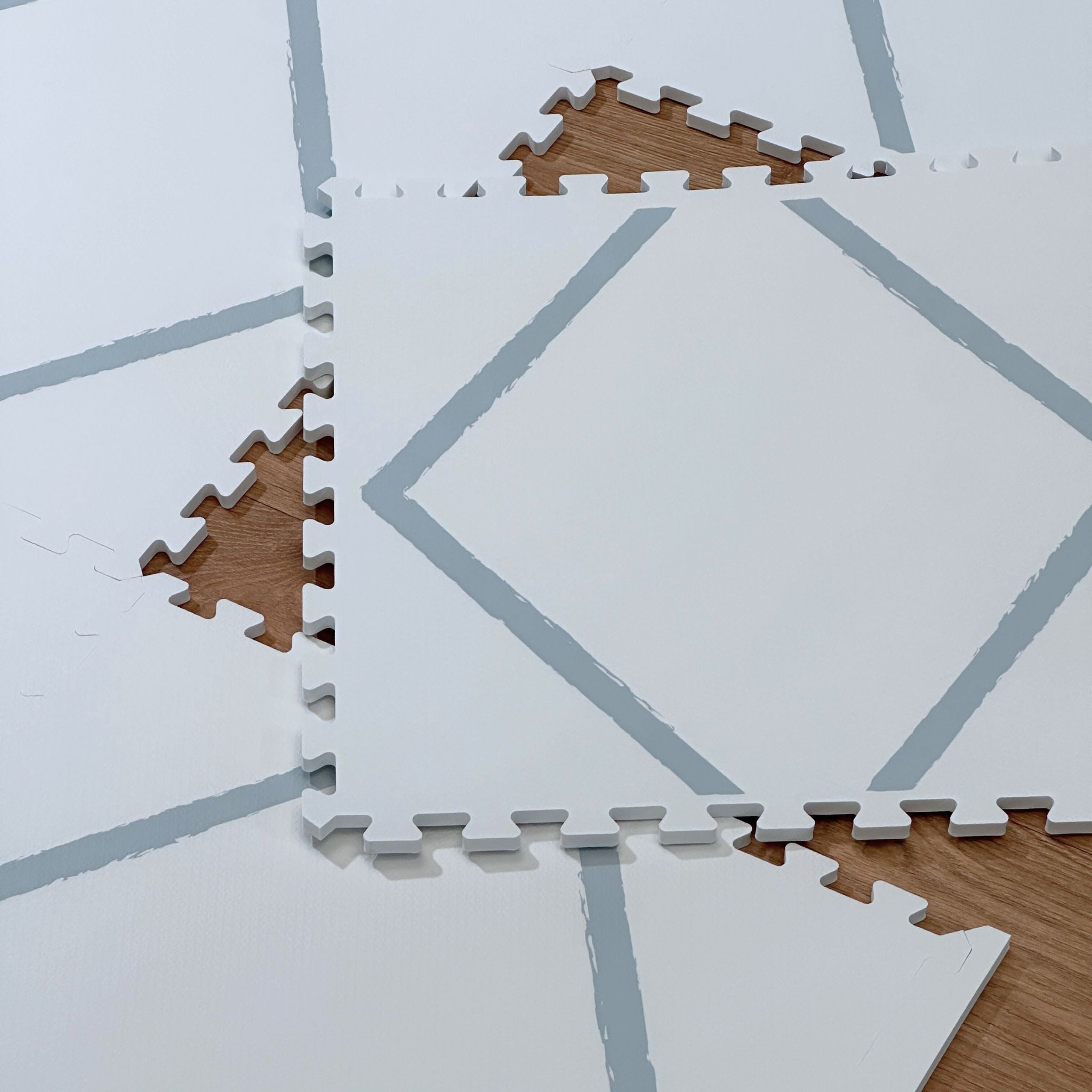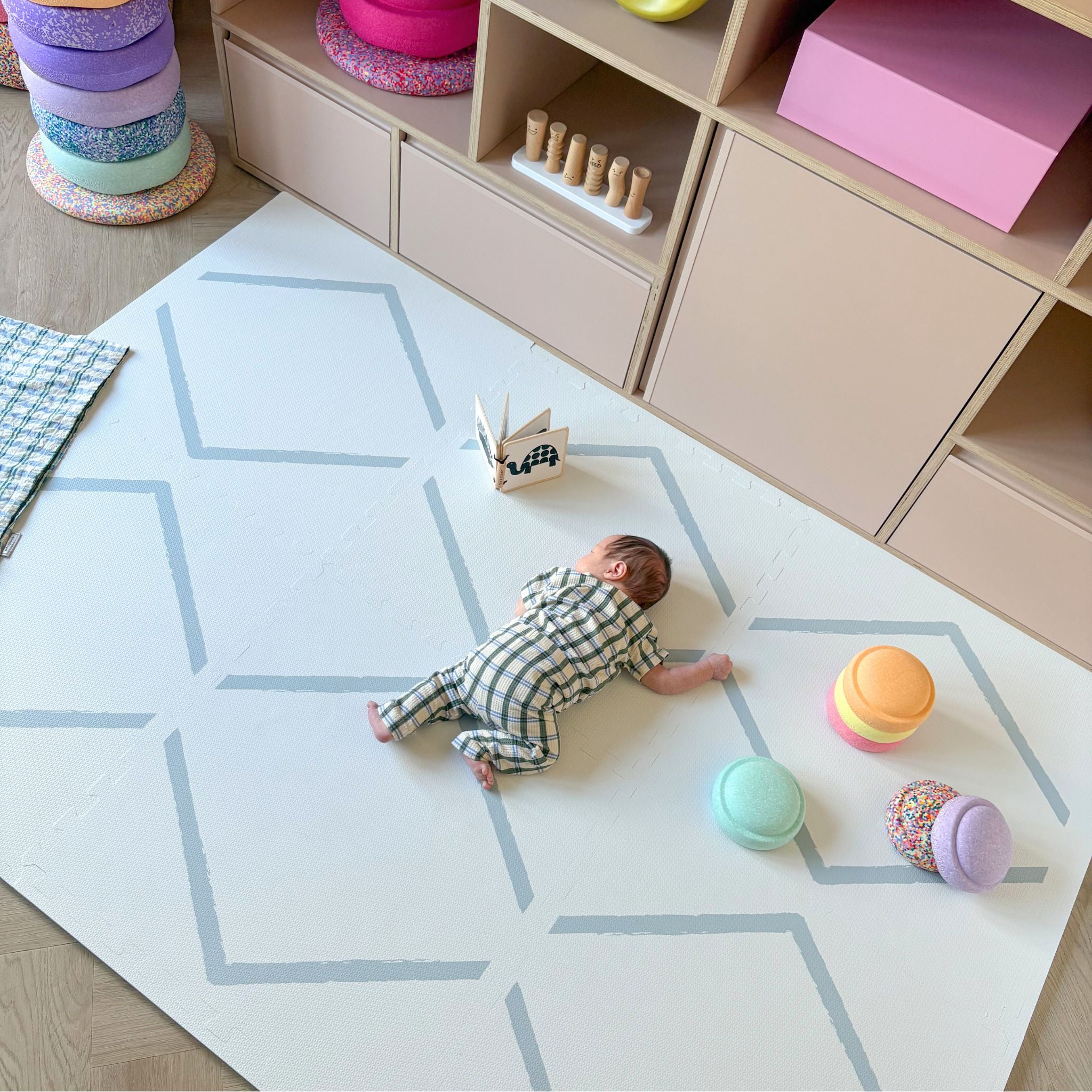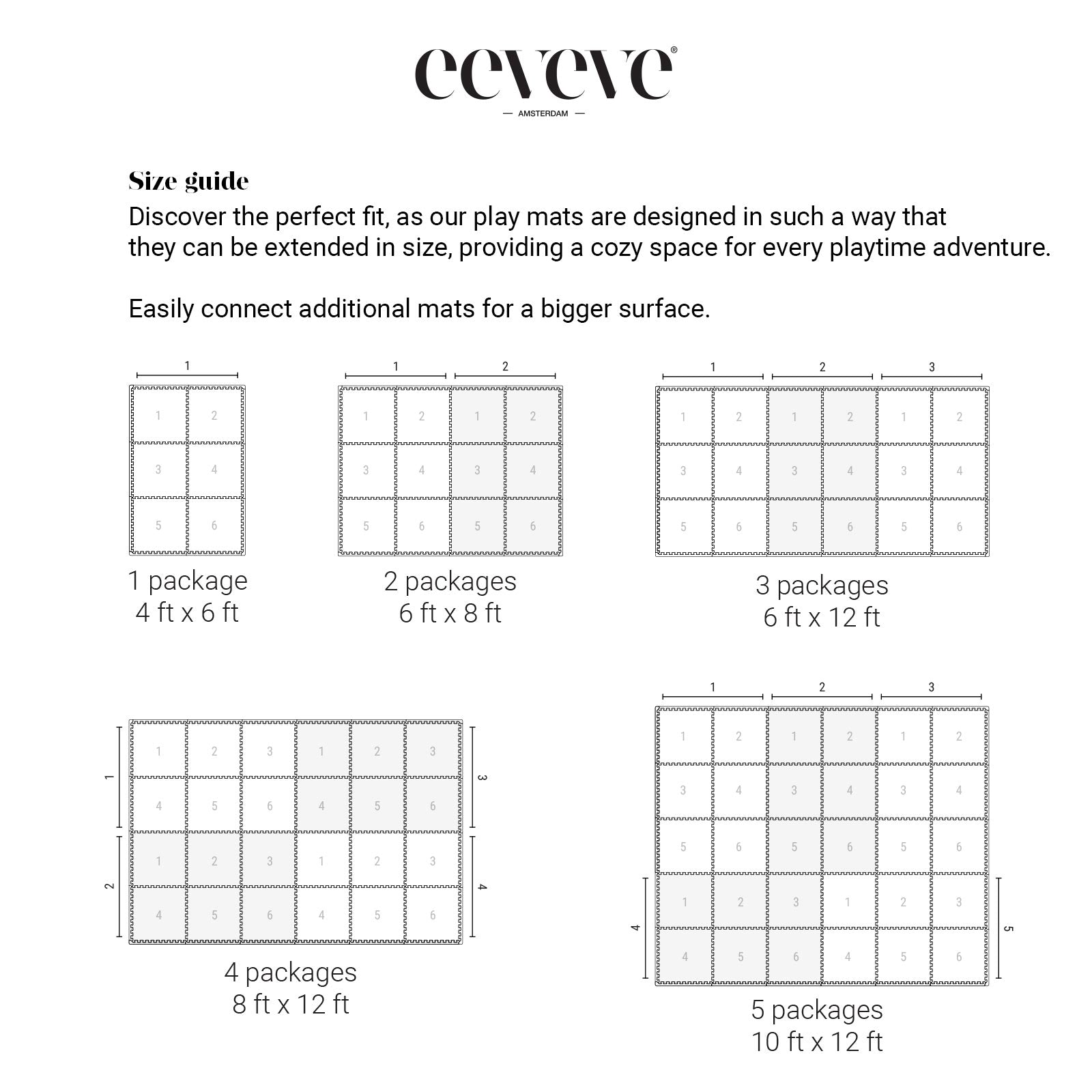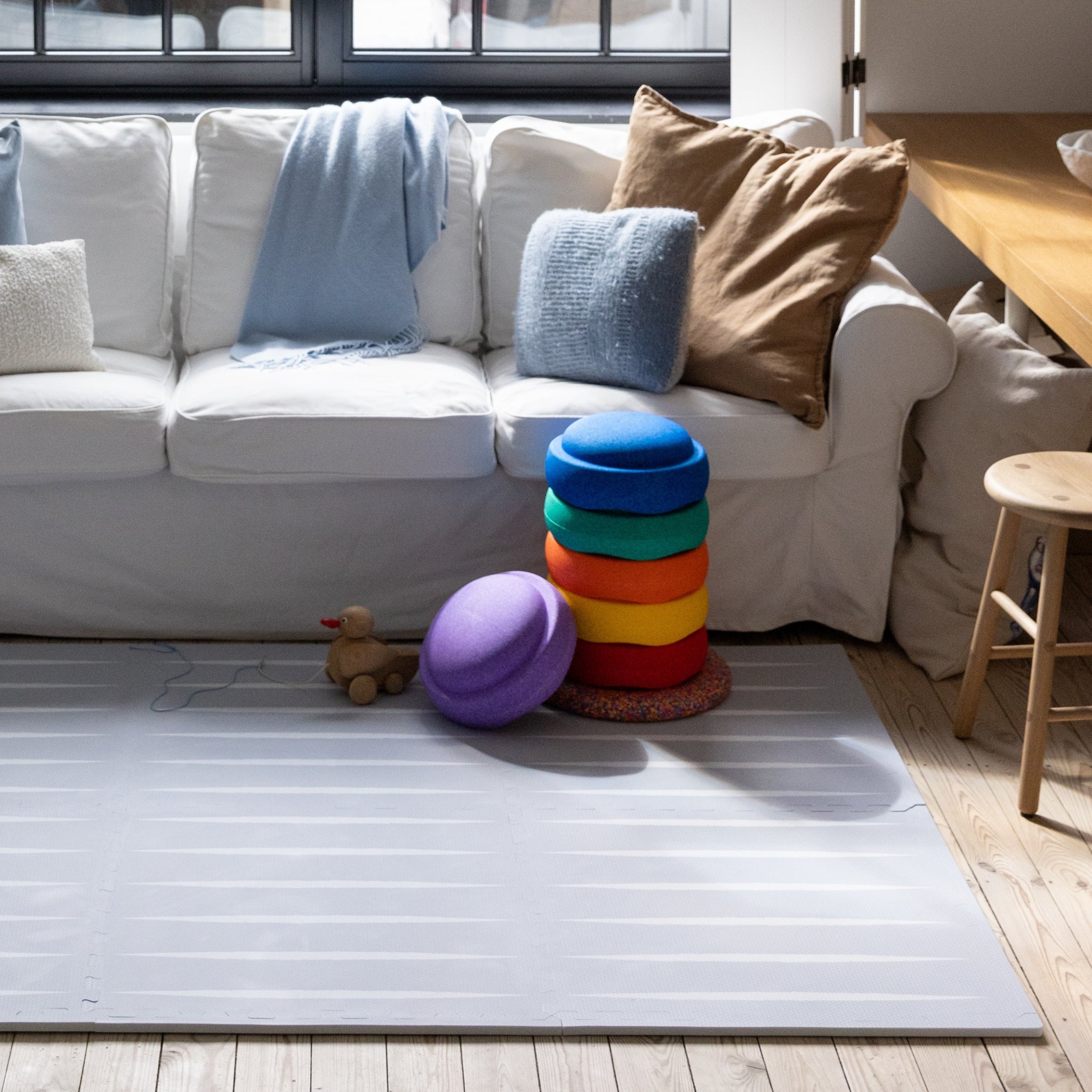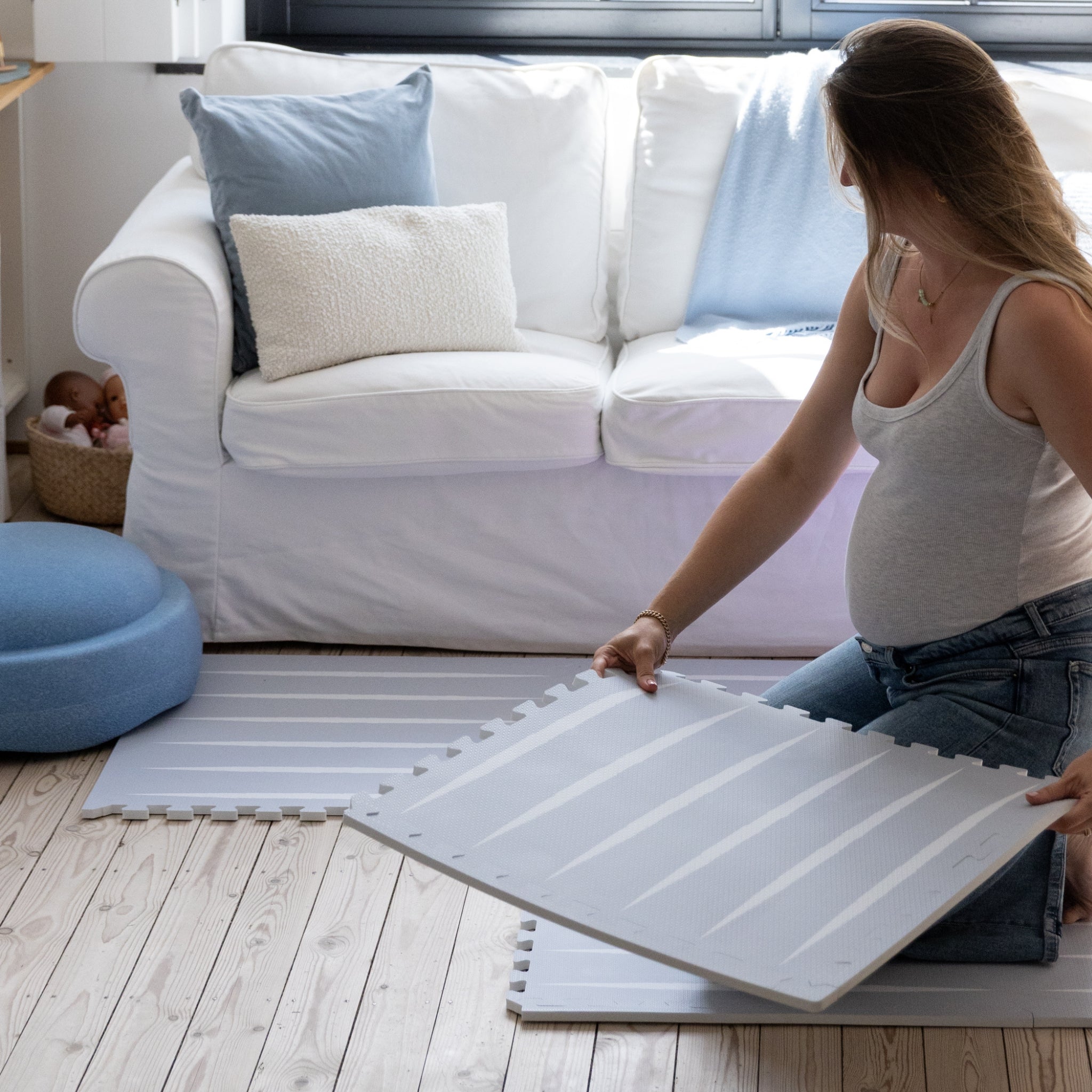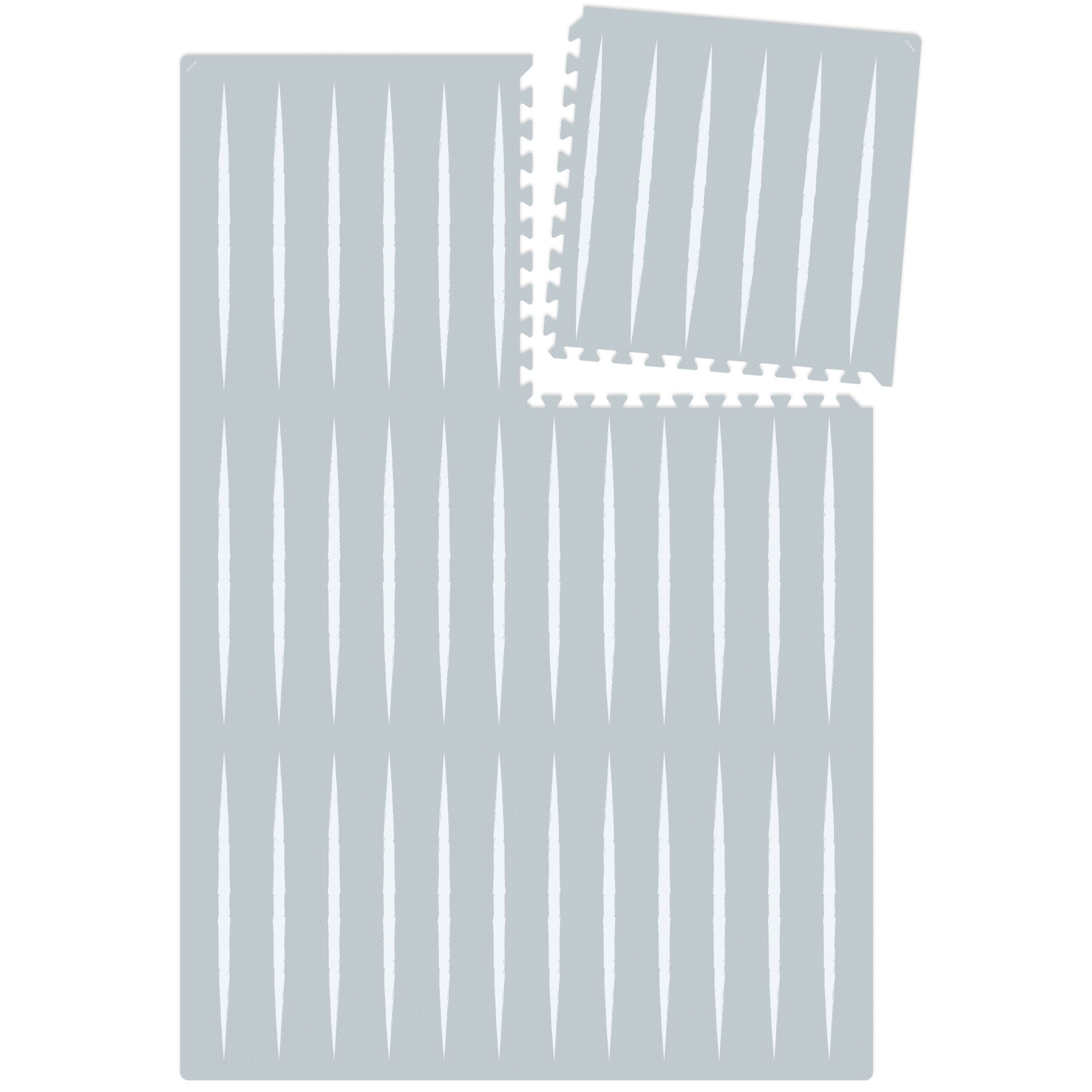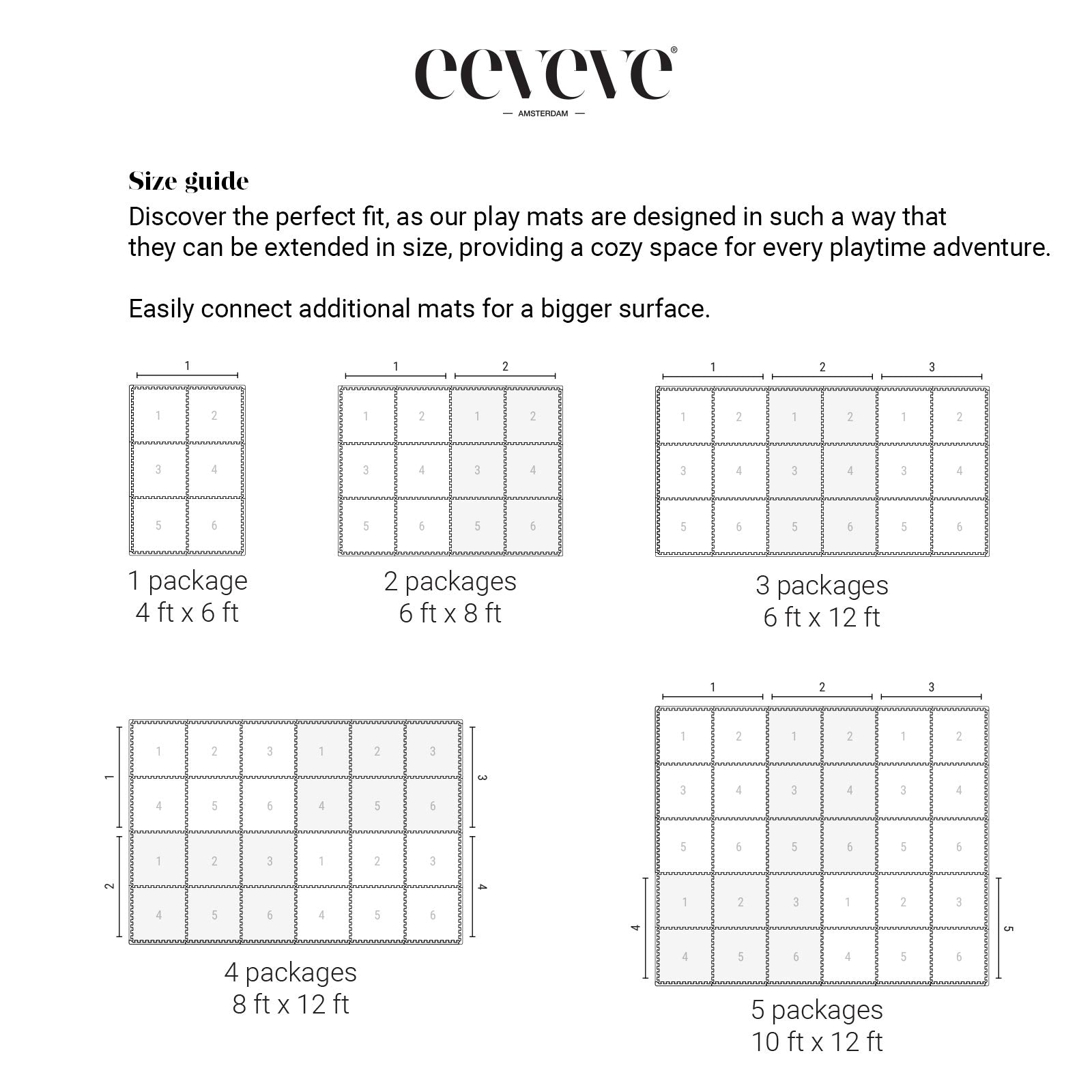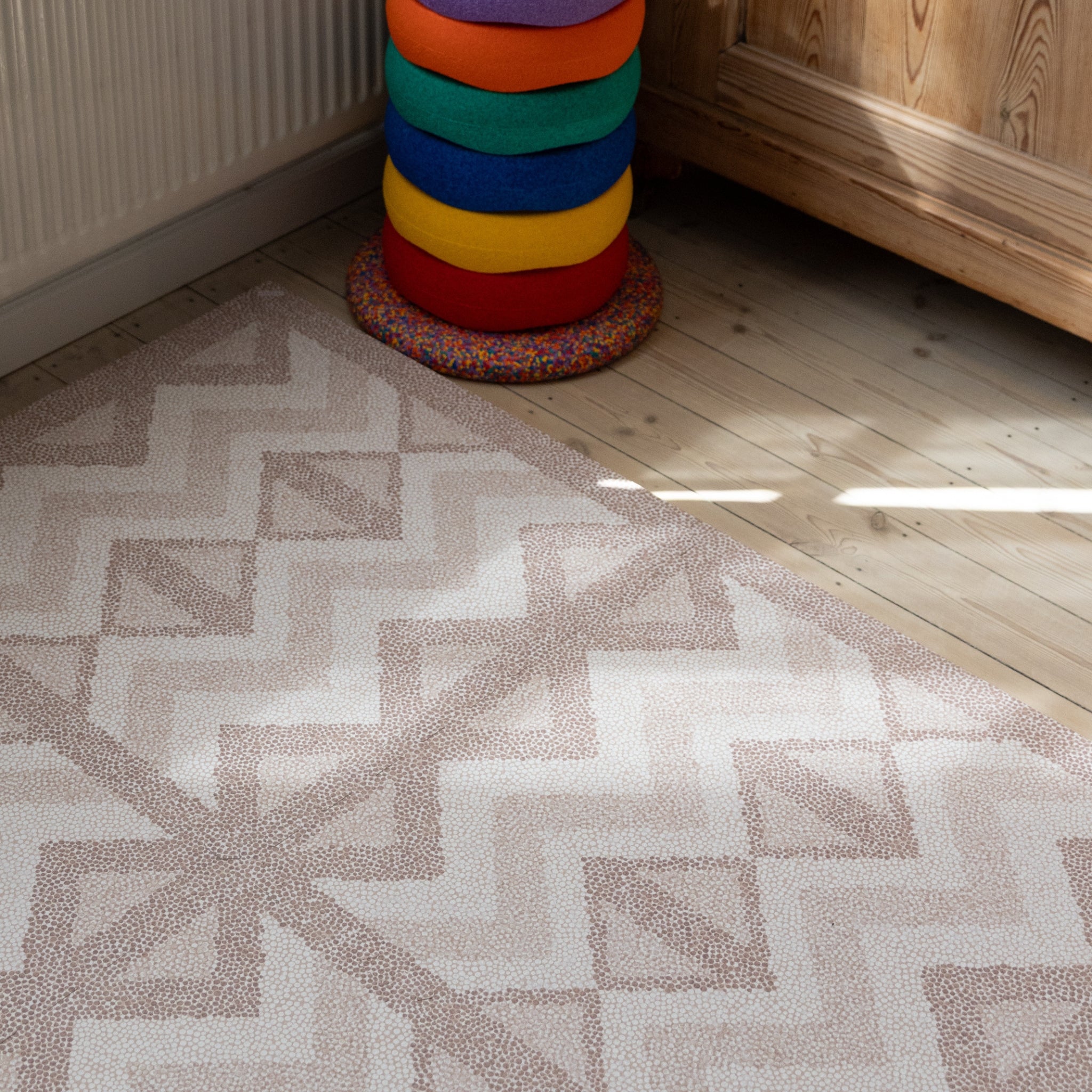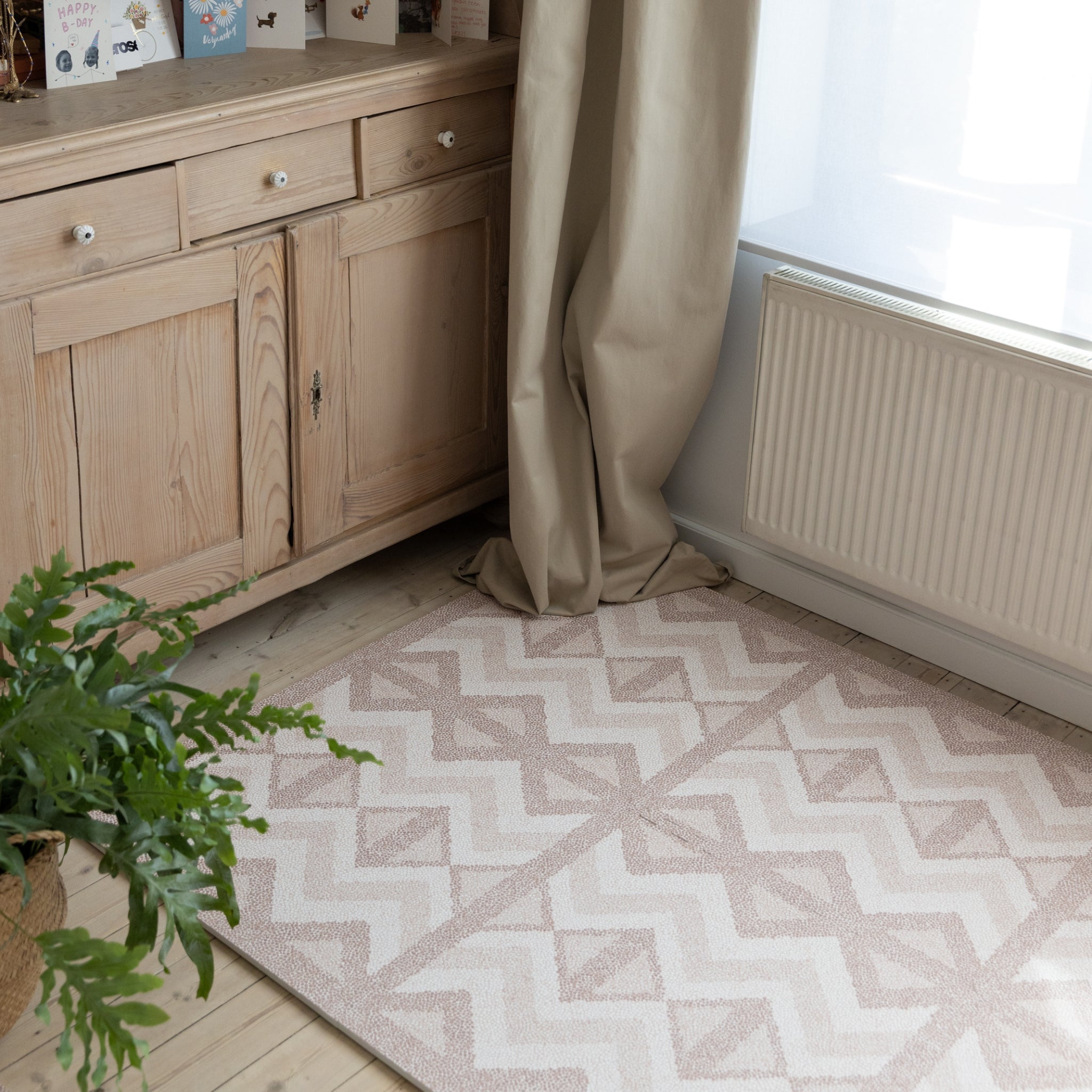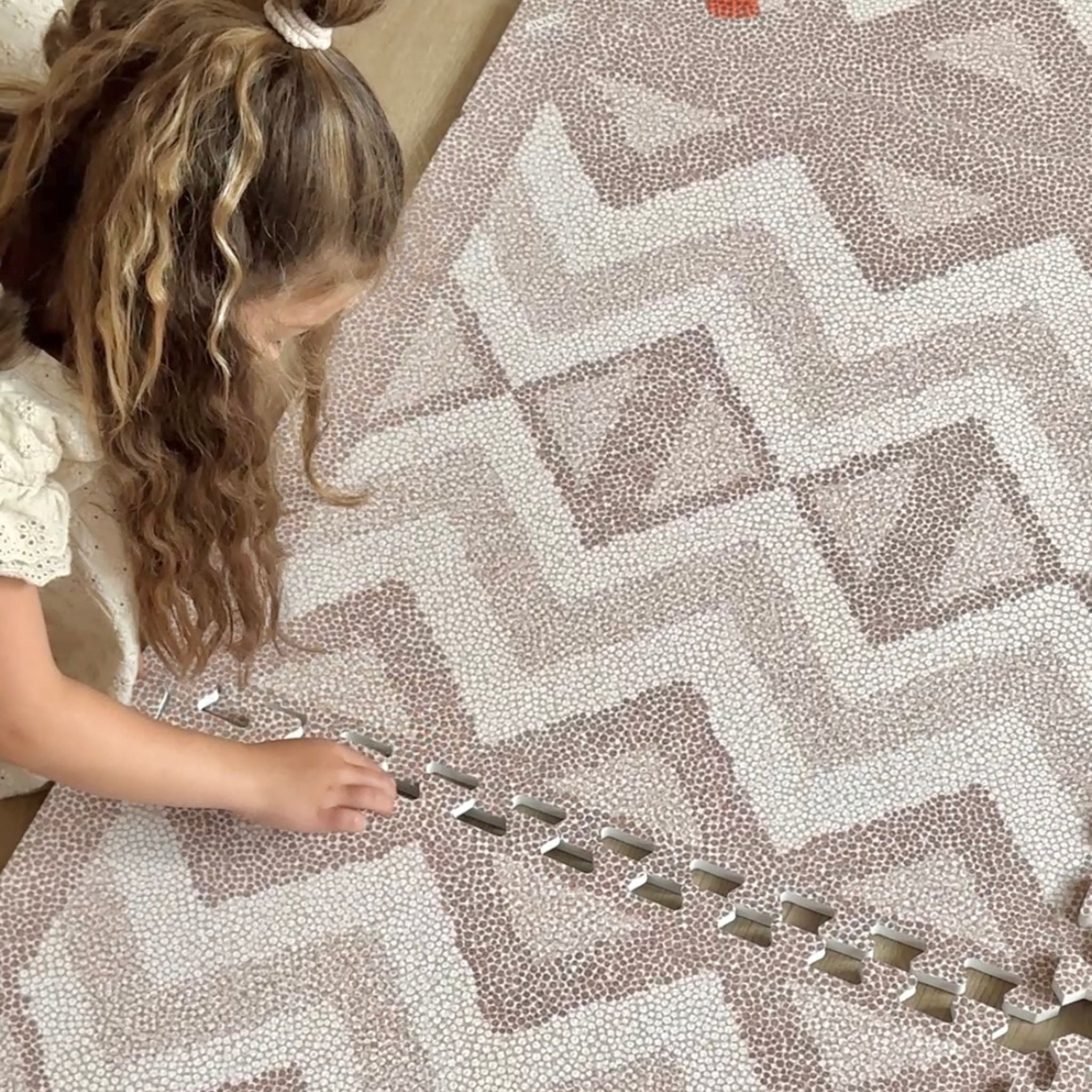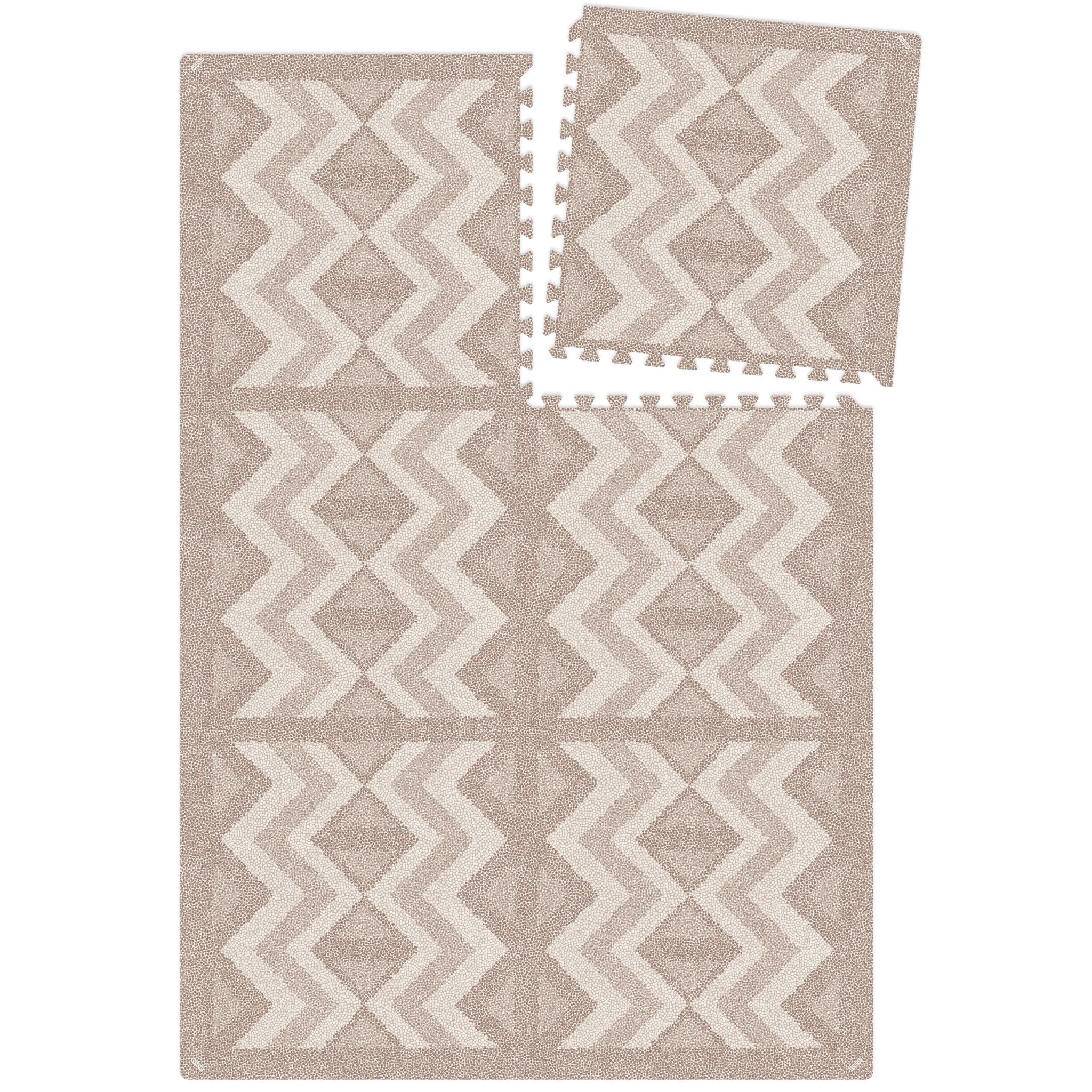
Foam play mats are one of the first baby essentials parents consider and for good reason. Babies spend hours on the floor during tummy time, crawling, and early play. But a common and important question comes up during research: Are foam play mats actually safe for babies?
The short answer is- Yes, if you choose the right one. Here’s what parents should know before buying.
Why Parents Choose Foam Play Mats
Foam play mats are popular because they offer:
- Cushioning for falls and tumbles
- A soft surface for crawling and sitting
- Insulation from cold or hard floors
- A defined, clean play area
However, not all foam play mats are made the same and safety depends heavily on materials and construction.
What Makes a Foam Play Mat Unsafe?
The biggest safety concern isn’t foam itself, it’s what’s inside the foam.
Some low-quality mats may contain:
- PVC (vinyl)
- Formamide (a chemical sometimes found in EVA foam)
- Phthalates or BPA
- Strong chemical odors (a red flag)
Babies touch the mat constantly and often put their hands and the mat in their mouths. Long-term exposure to unsafe materials is what parents should avoid.
What to Look for in a Safe Foam Play Mat
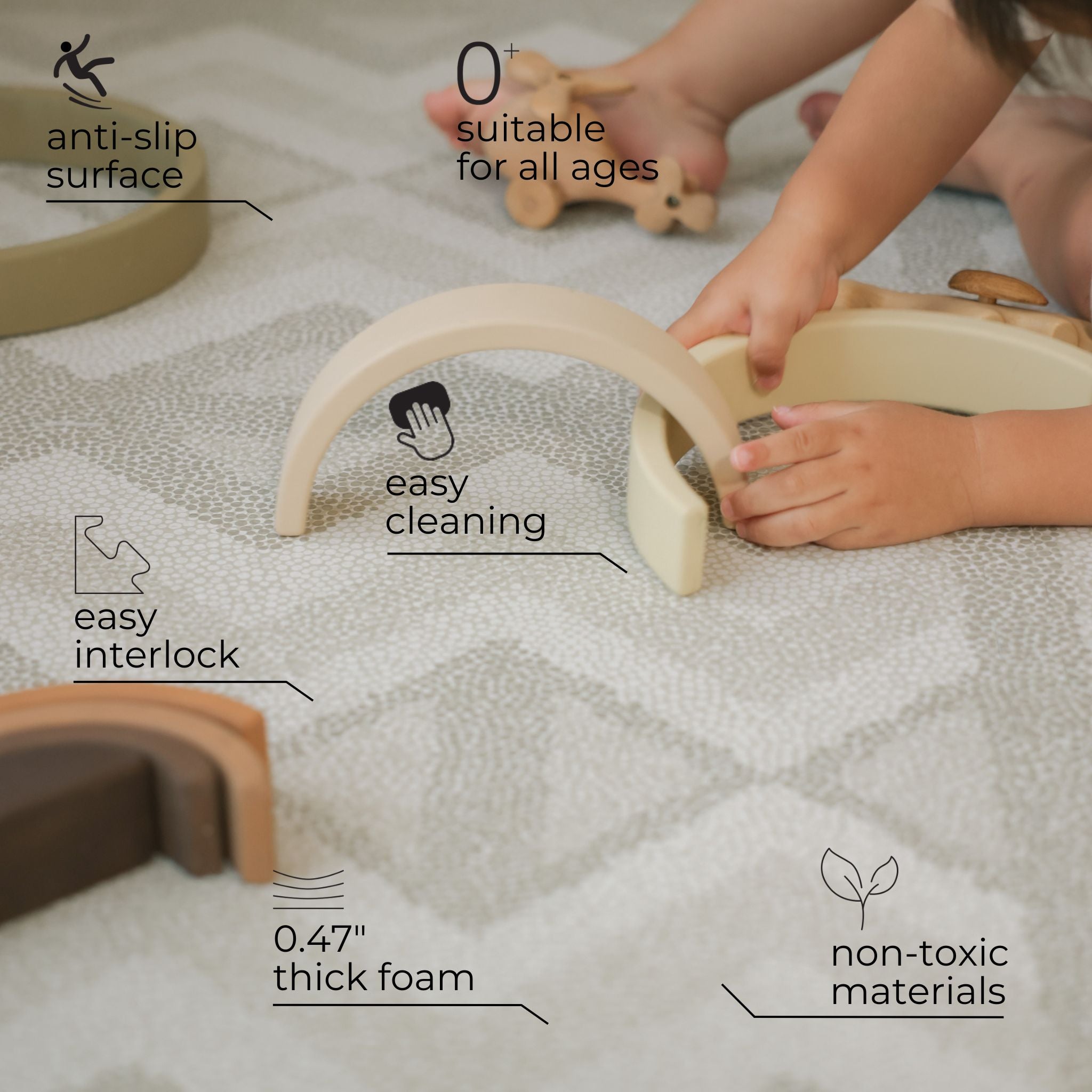
1. Non-Toxic Materials
A safe foam play mat should be clearly labeled as:
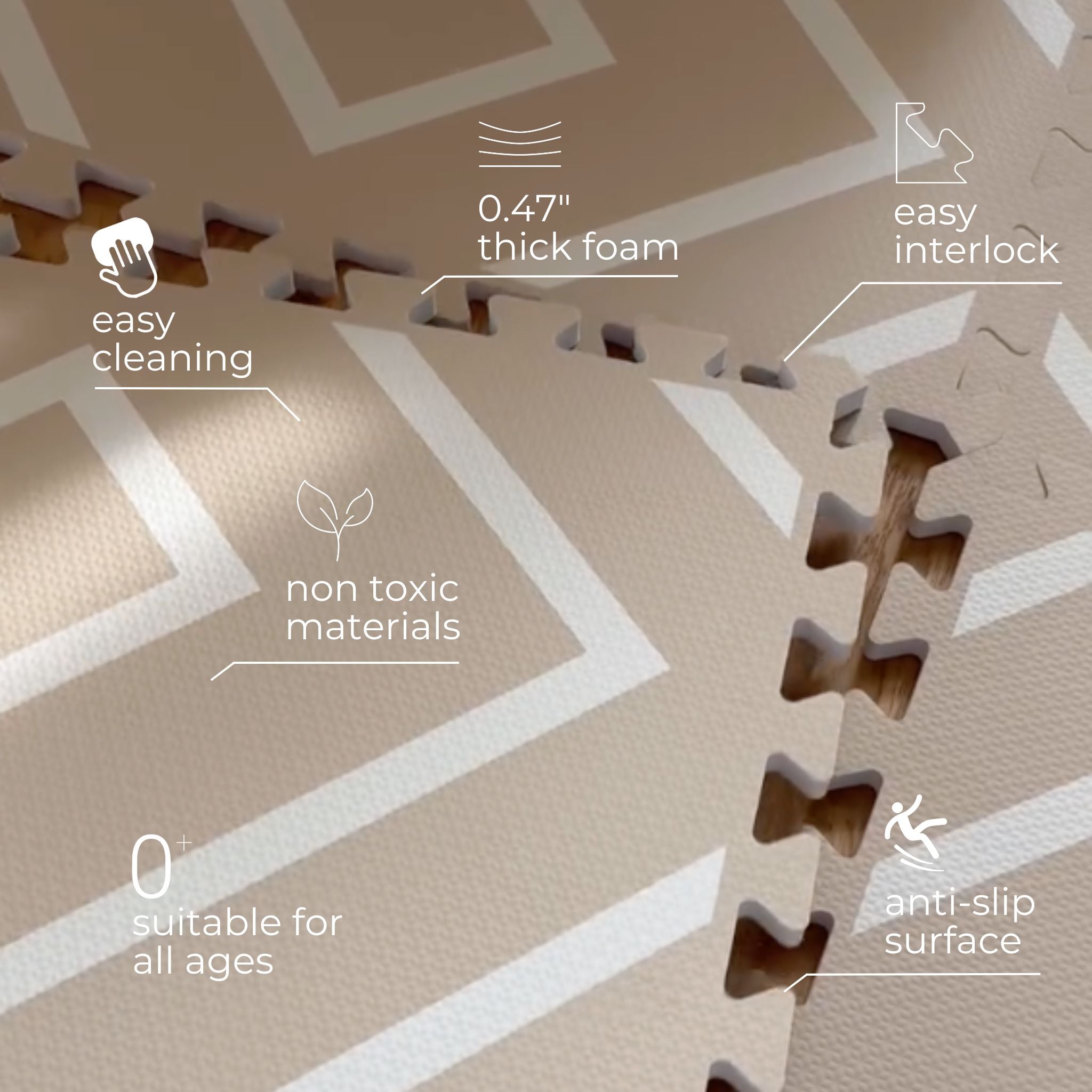
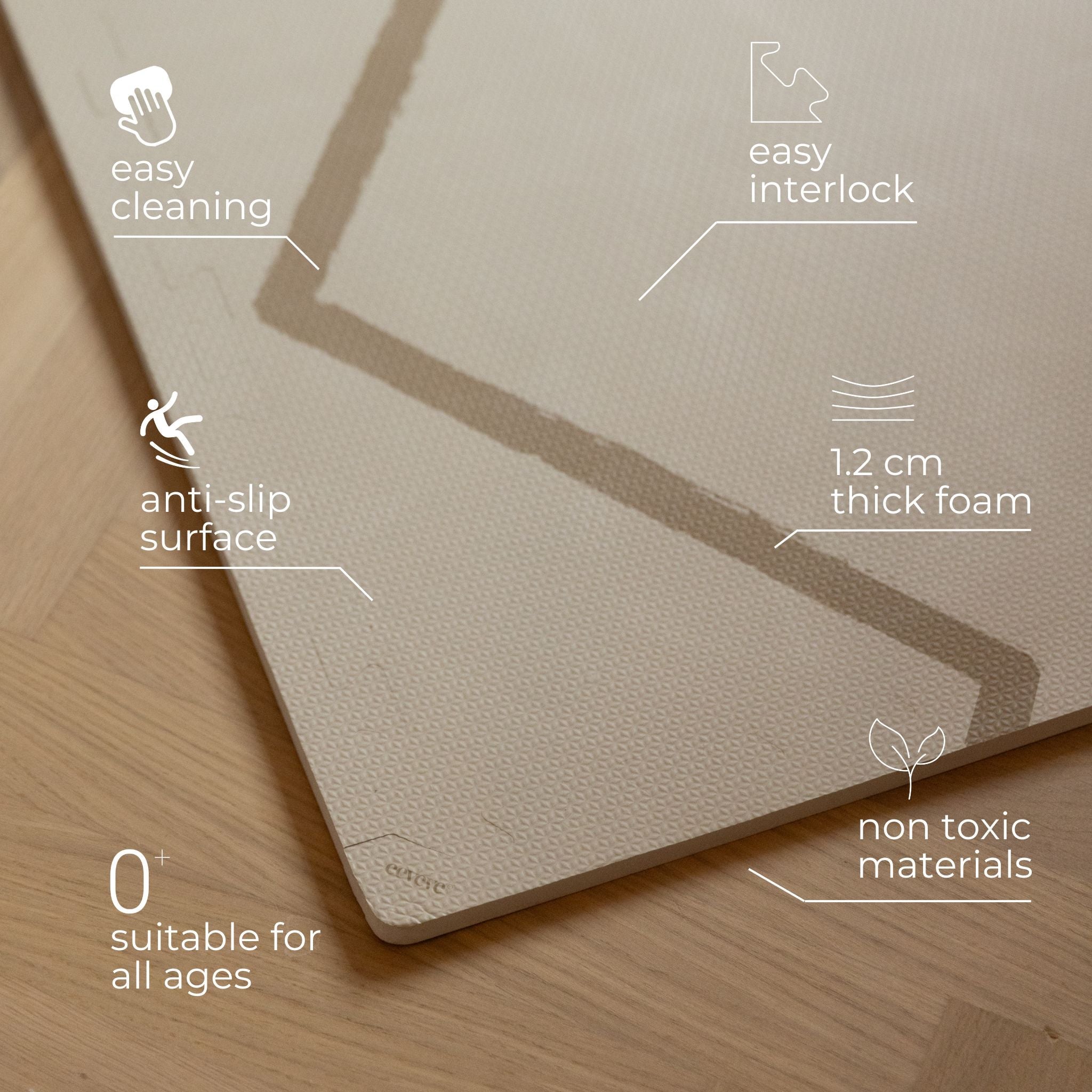
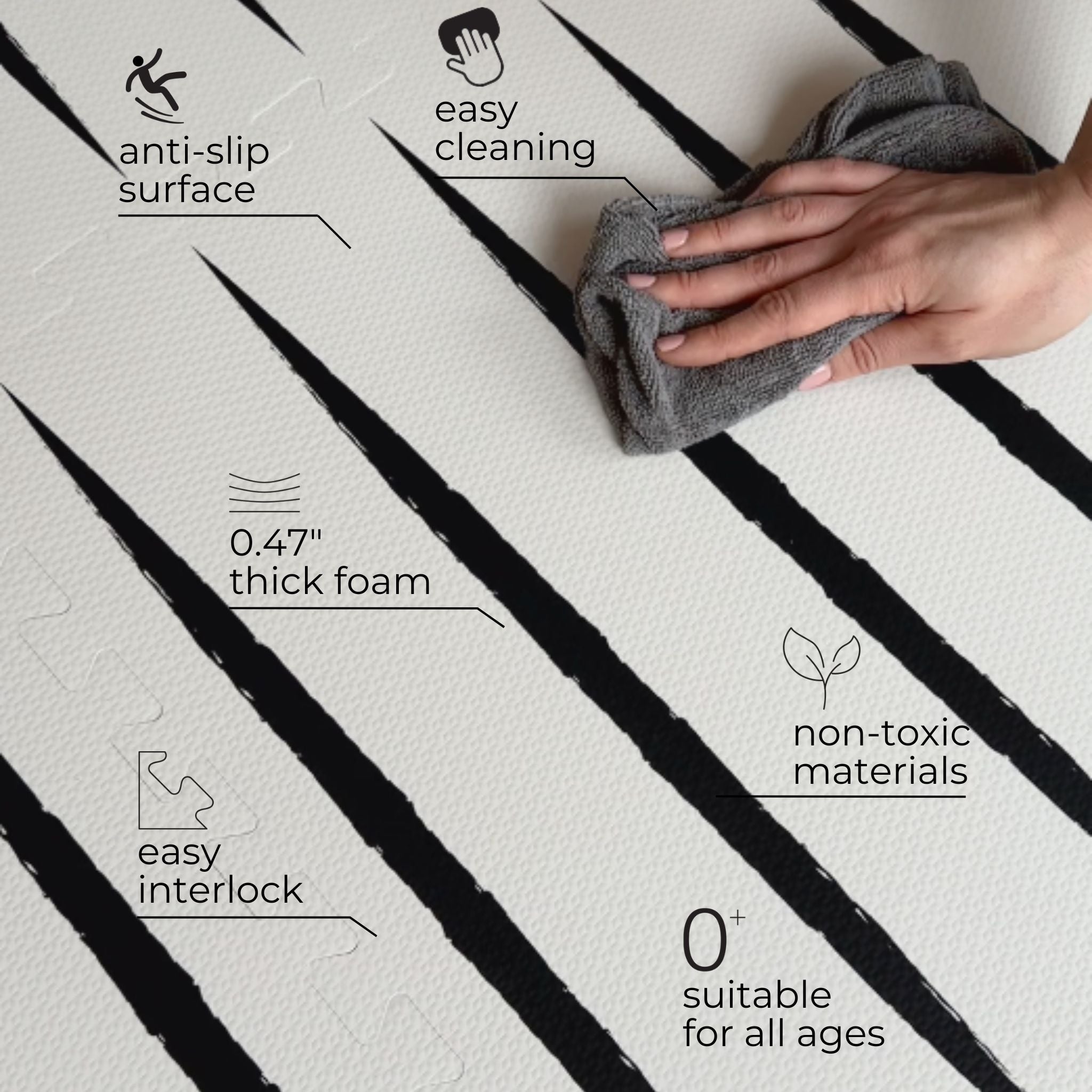
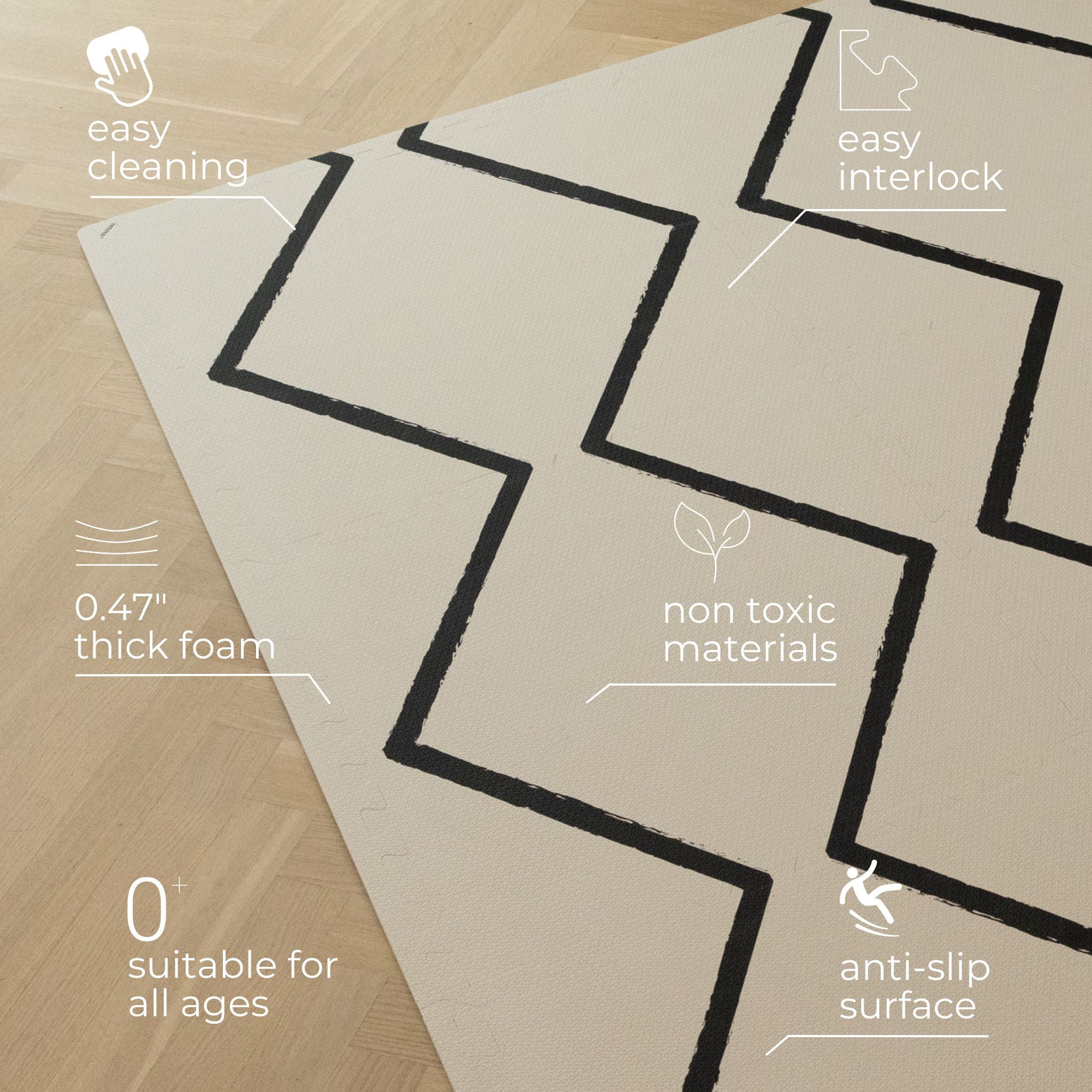
- Non-toxic
- Free from PVC, BPA, phthalates, and formamide
- Tested to meet US baby safety standards
Transparency matters. Brands should clearly explain what their mats are made of.
2. Proper Cushioning & Density
Safety is also physical, not just chemical.
A good foam play mat should:
- Absorb impact during falls
- Support crawling knees and wrists
- Stay firm without being hard
Too thin = no protection
Too soft = unstable surface
Balanced density is key.
3. Easy-to-Clean, Hygienic Surface
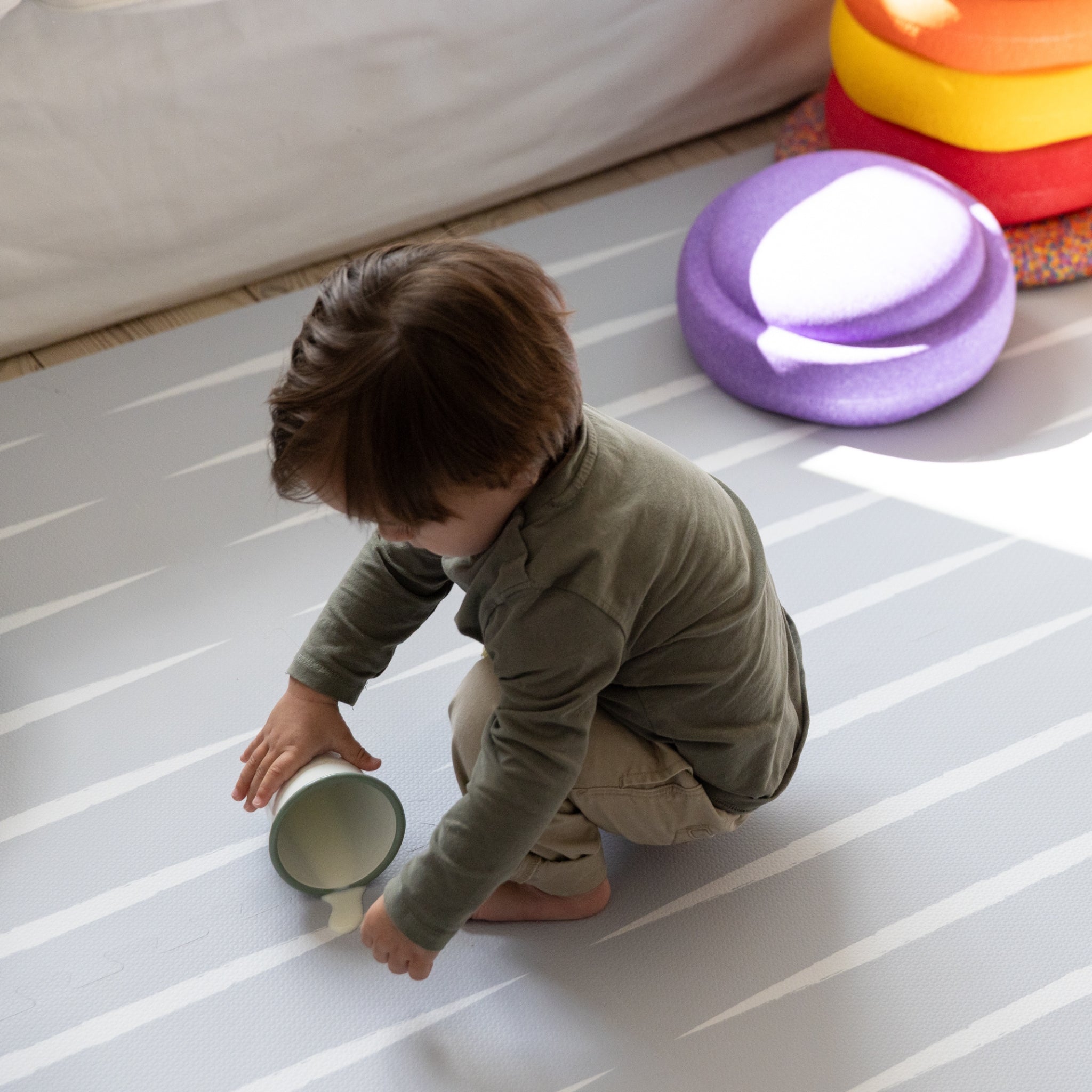
Babies spill, drool, and snack on the floor.
A safe mat should be:
- Wipe-clean
- Spill and stain resistant
- Resistant to trapping dust and crumbs
Fabric mats often require frequent washing, while quality foam mats are easier to maintain daily.
4. Slip-Resistant & Stable
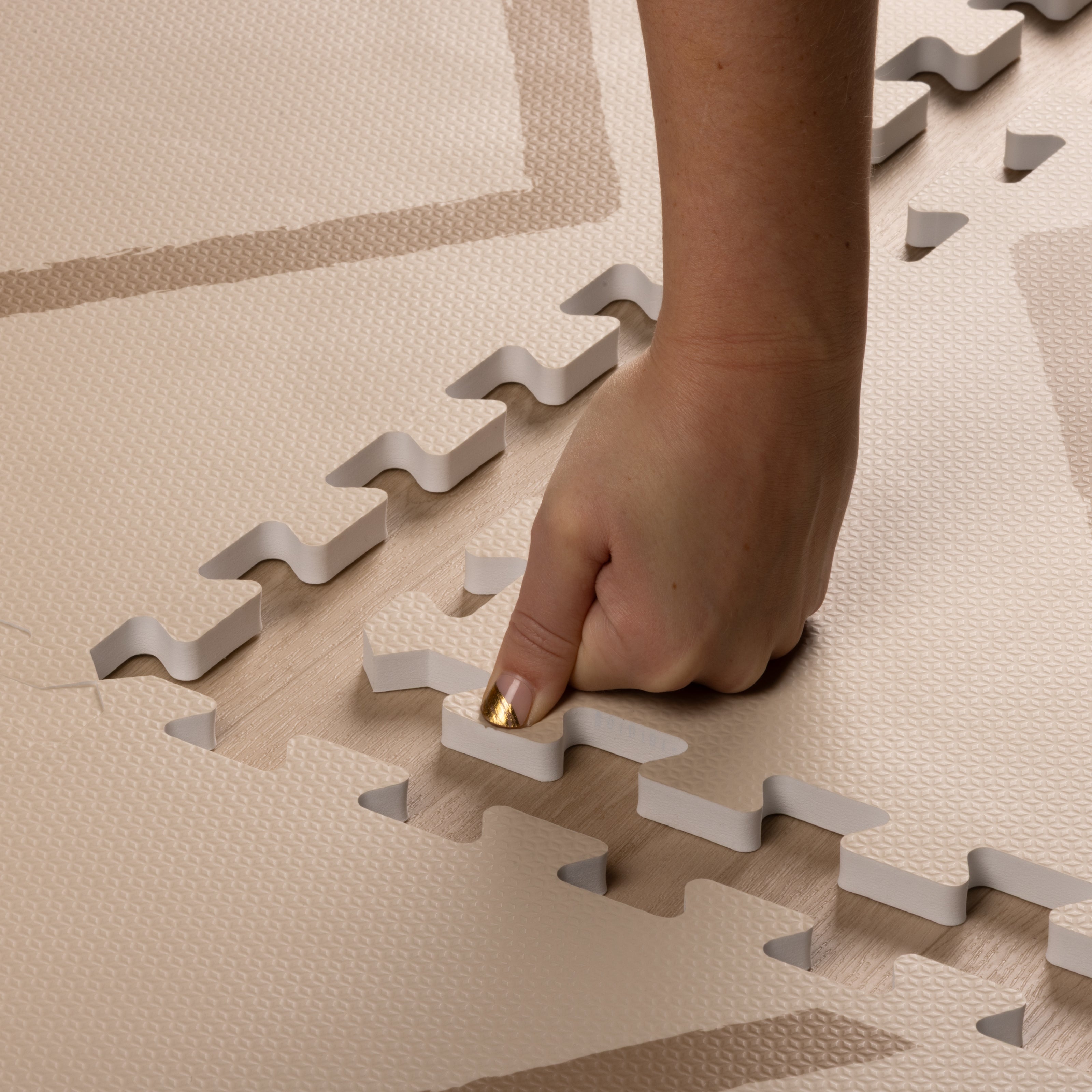
The mat should stay in place on common home surfaces like tile or wood flooring. Slipping or bunching can increase the risk of falls.
Foam Play Mats vs. Fabric Play Mats: Safety Perspective
From a safety standpoint:
- Foam mats offer better cushioning for falls
- Fabric mats may lack impact protection unless heavily padded
For babies learning to roll, crawl, and stand, foam mats generally provide better physical protection when made from safe materials.
Are Foam Play Mats Safe for Newborns?
Yes, when they are:
- Non-toxic
- Free from harmful chemicals
- Firm enough to support tummy time
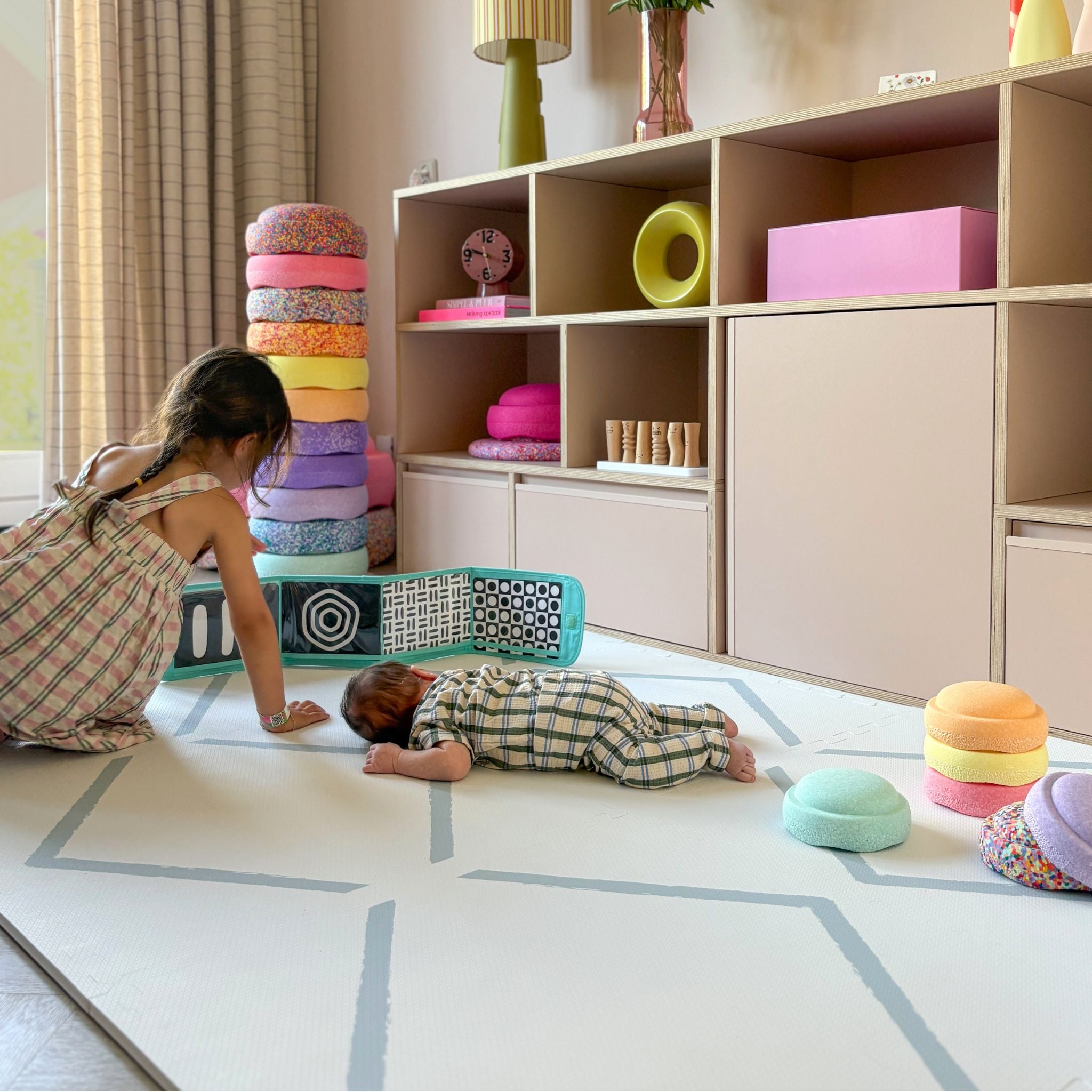
Many parents start using foam play mats from the newborn stage for supervised floor time.
Common Myths About Foam Play Mats
Myth: Foam mats are always toxic
Truth: Only poorly made or uncertified mats pose risks
Myth: Thicker always means safer
Truth: Density matters more than thickness
Myth: Fabric mats are automatically safer
Truth: Fabric mats can still trap dirt and lack fall protection
Final Verdict: Are Foam Play Mats Safe for Babies?
Yes, high-quality foam play mats are safe and beneficial for babies when they:
- Are made from non-toxic materials
- Provide proper cushioning
- Are easy to clean and maintain
- Meet safety standards
The key is choosing a play mat designed specifically for babies, not generic foam flooring.
Brands like Eeveve focus on creating foam play mats that balance safety, comfort, and everyday usability, making them suitable for modern family homes.