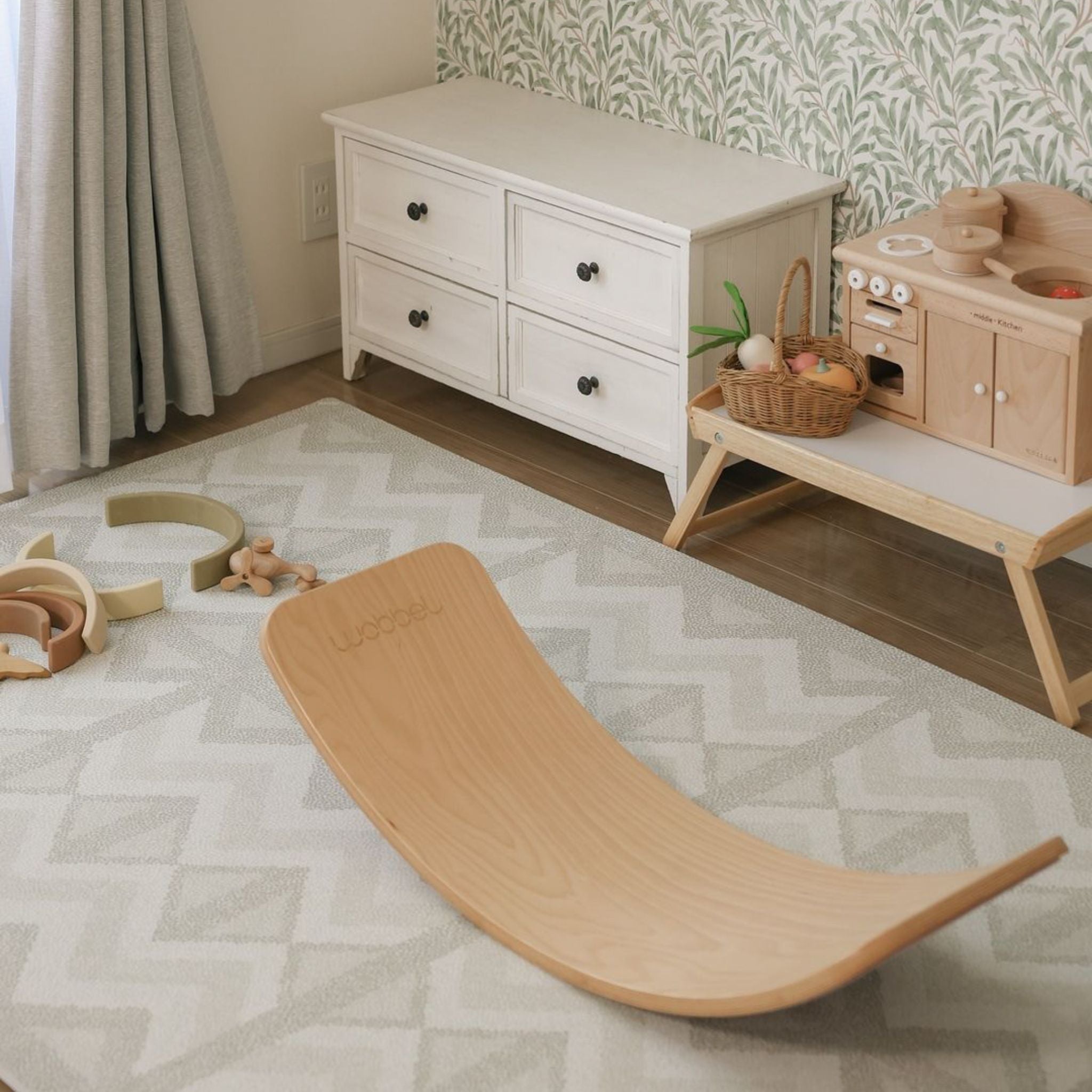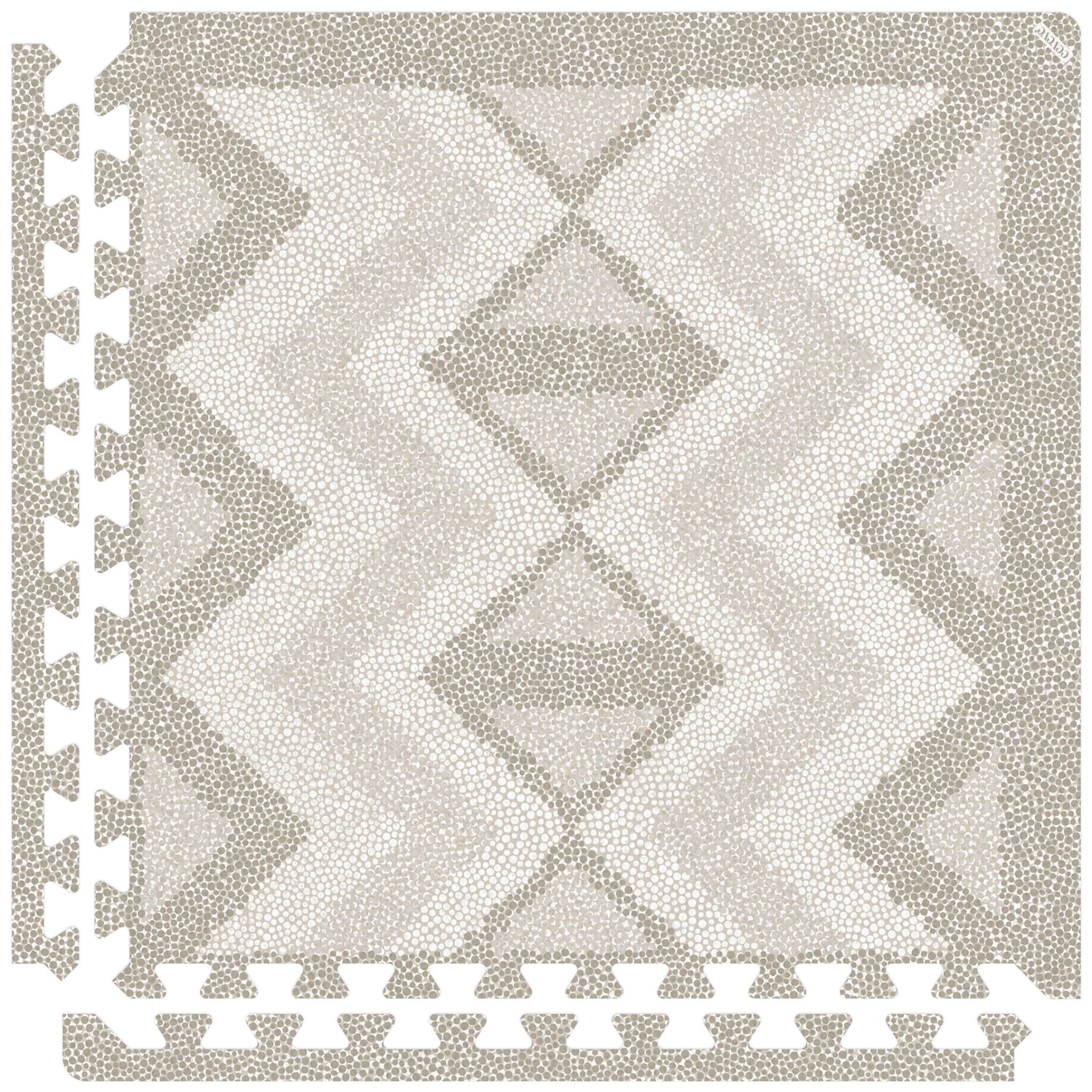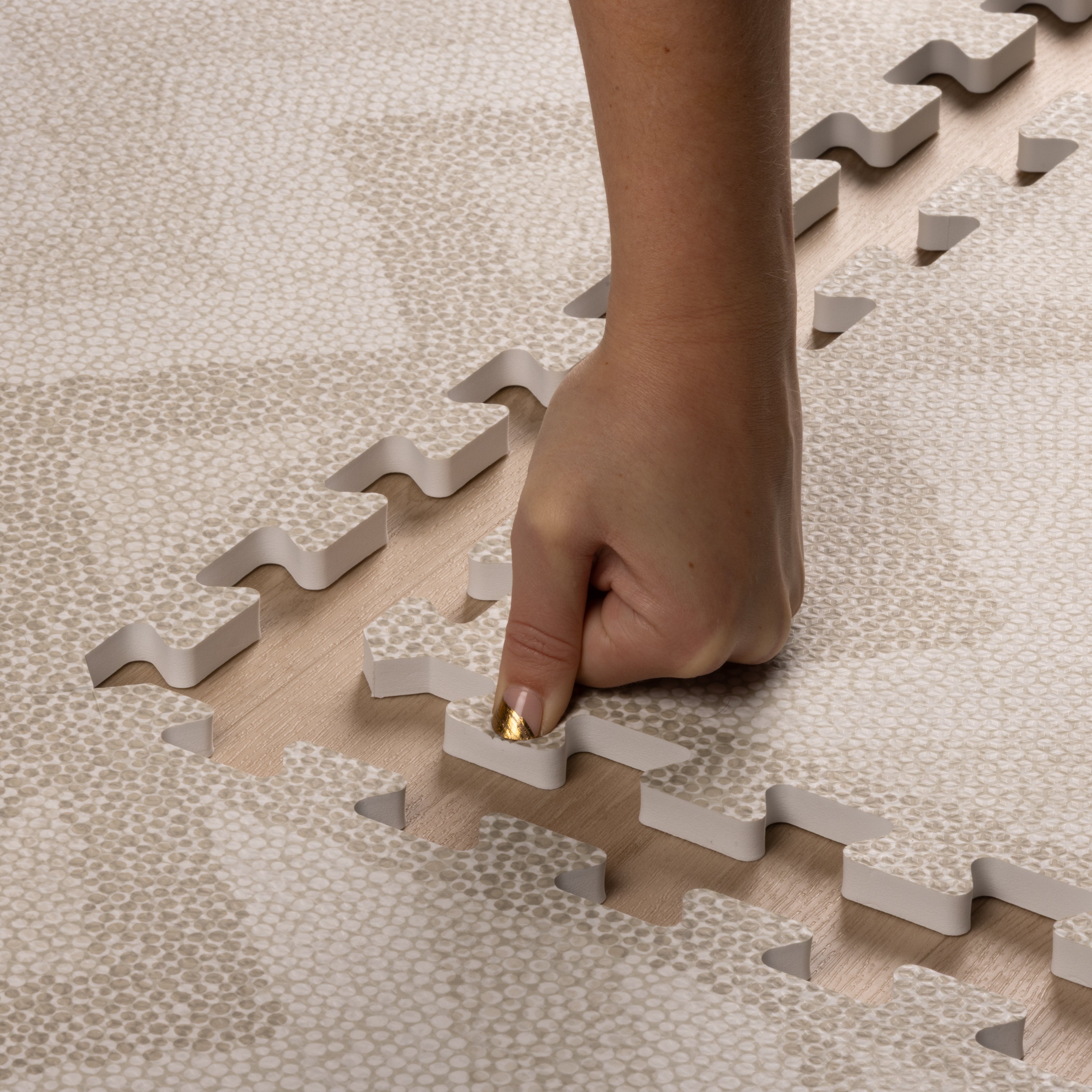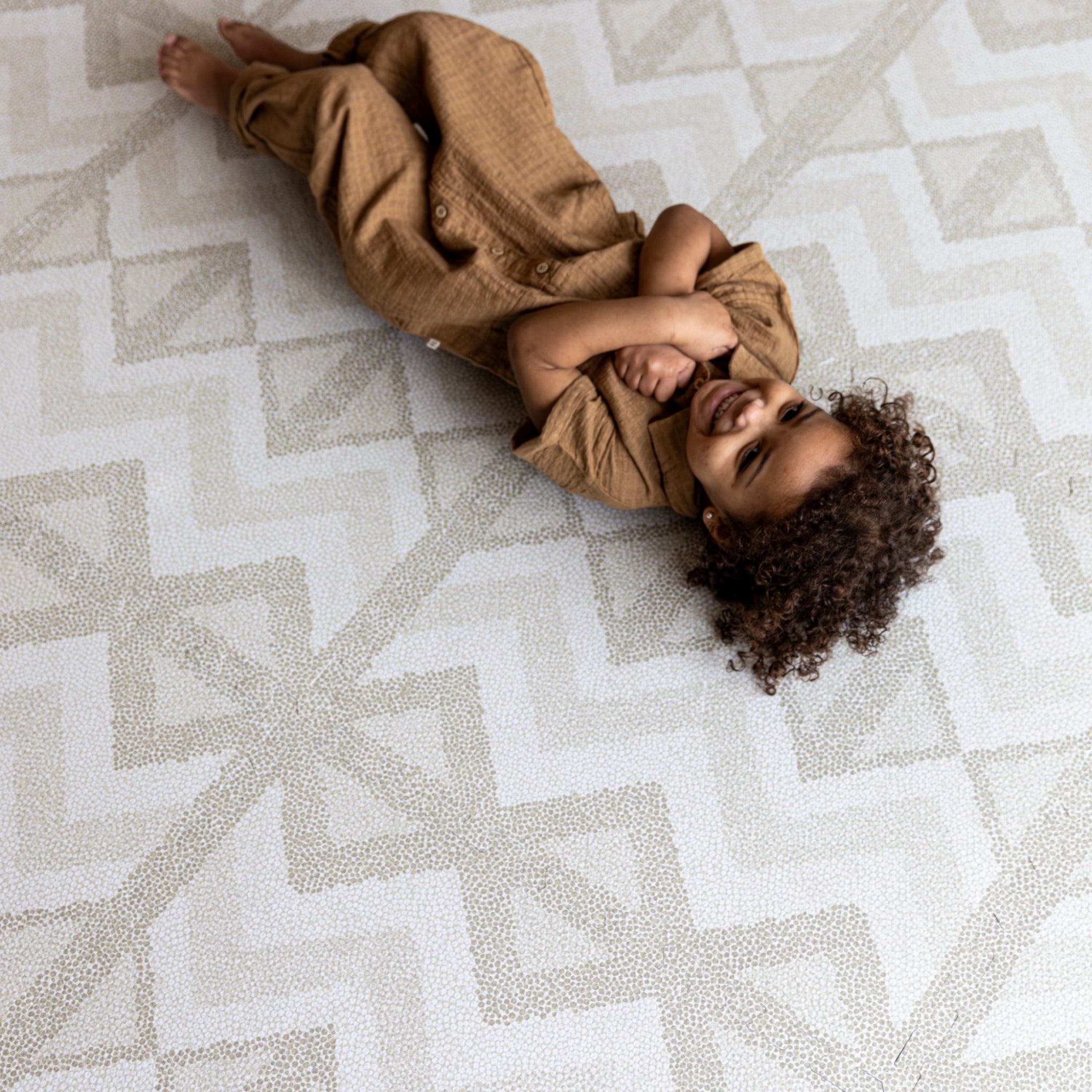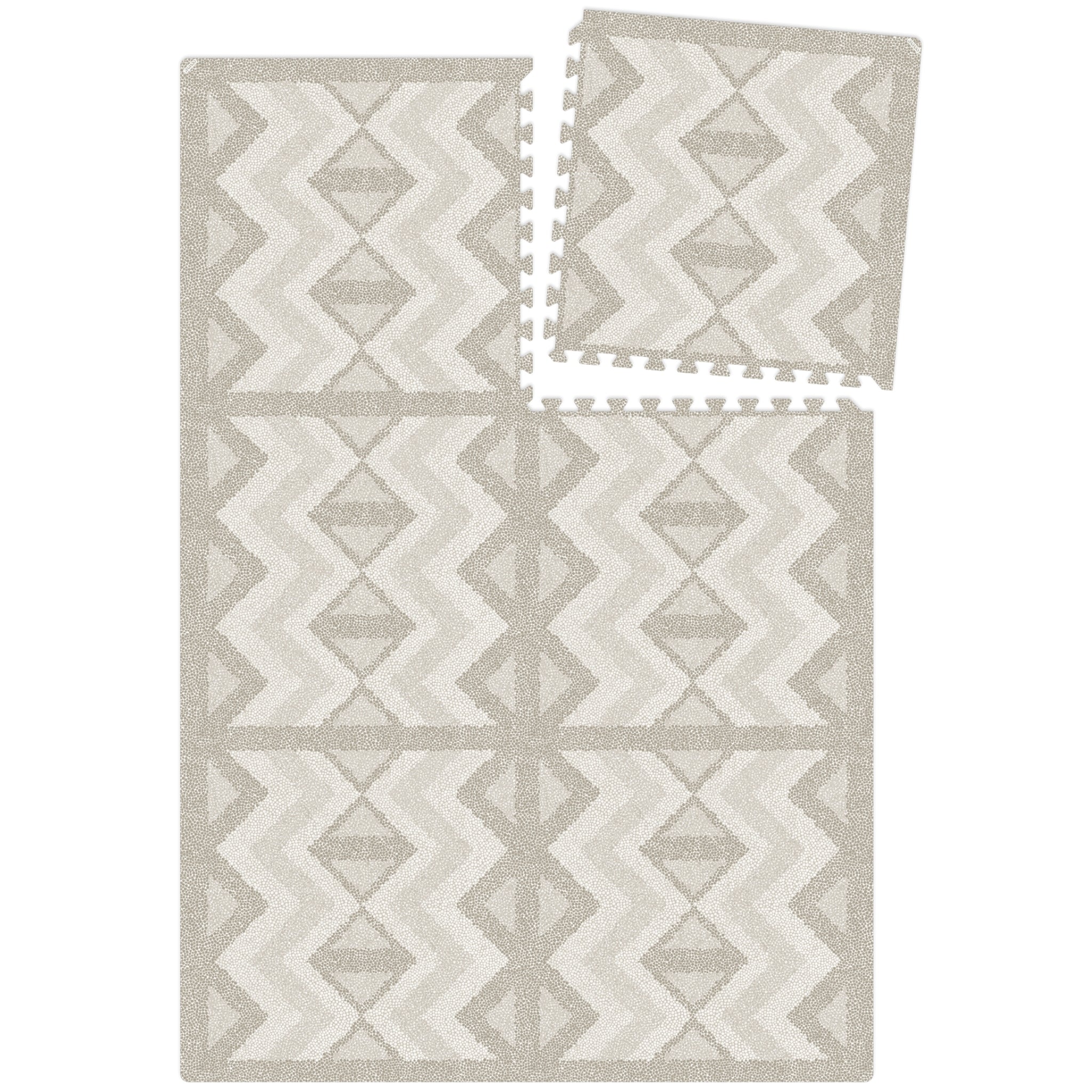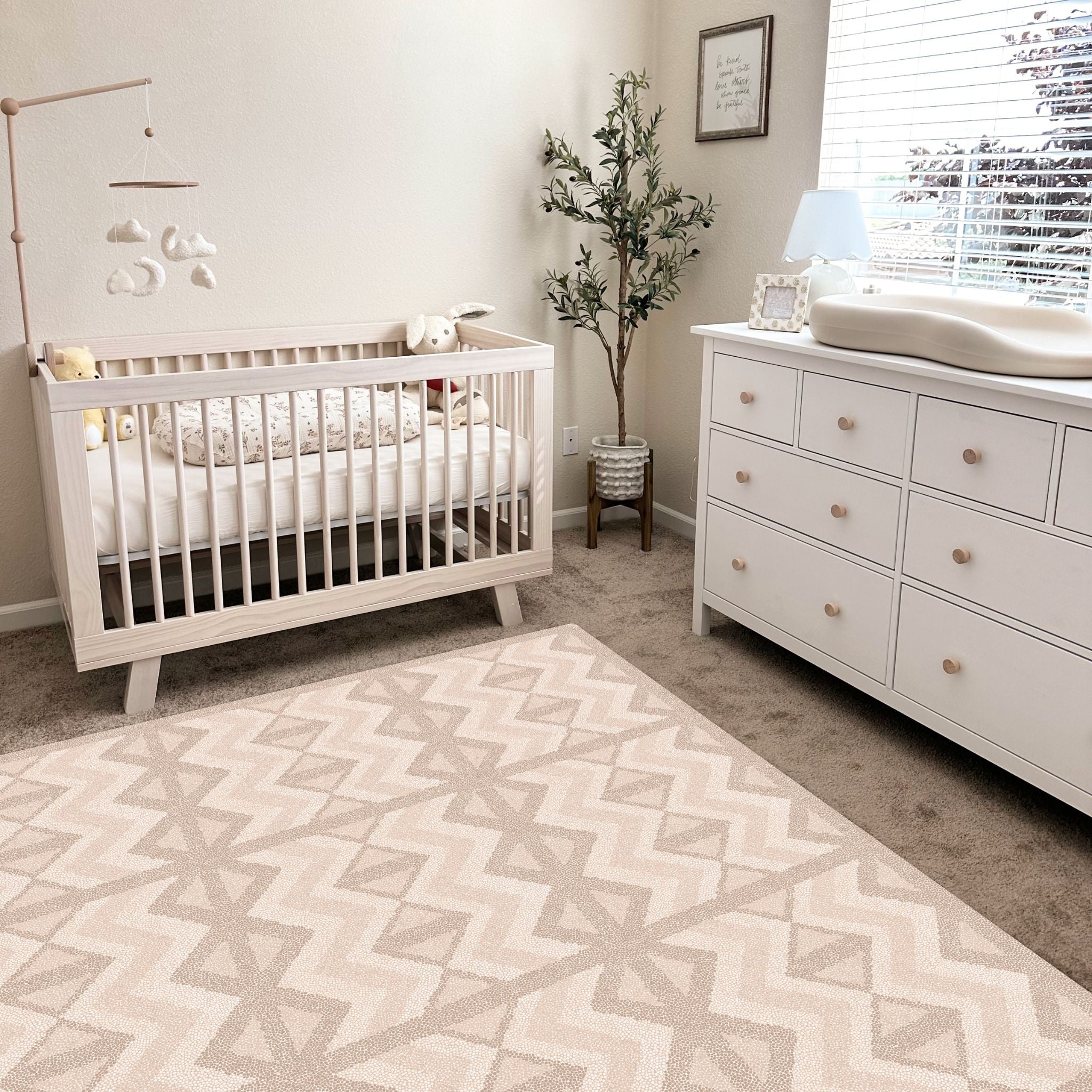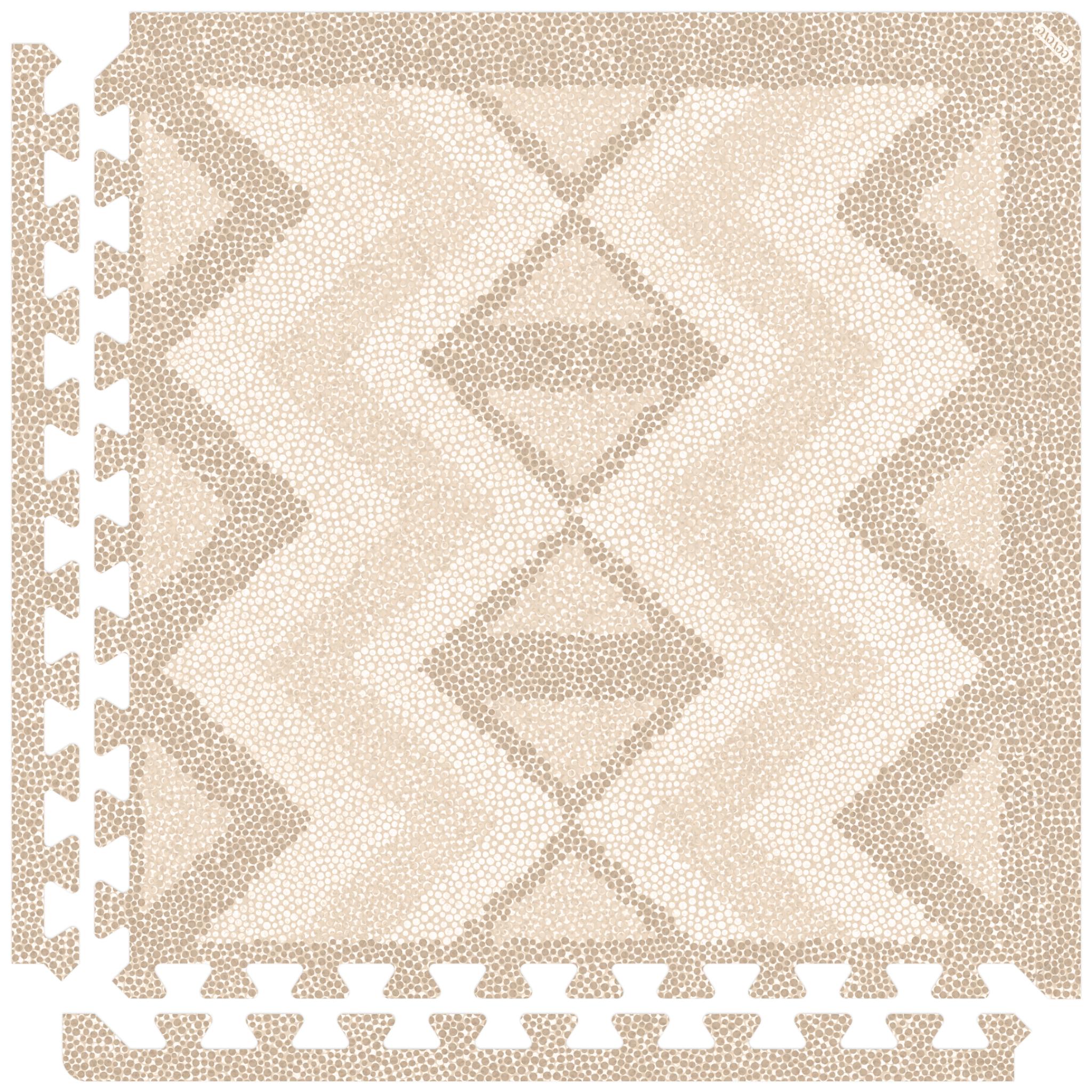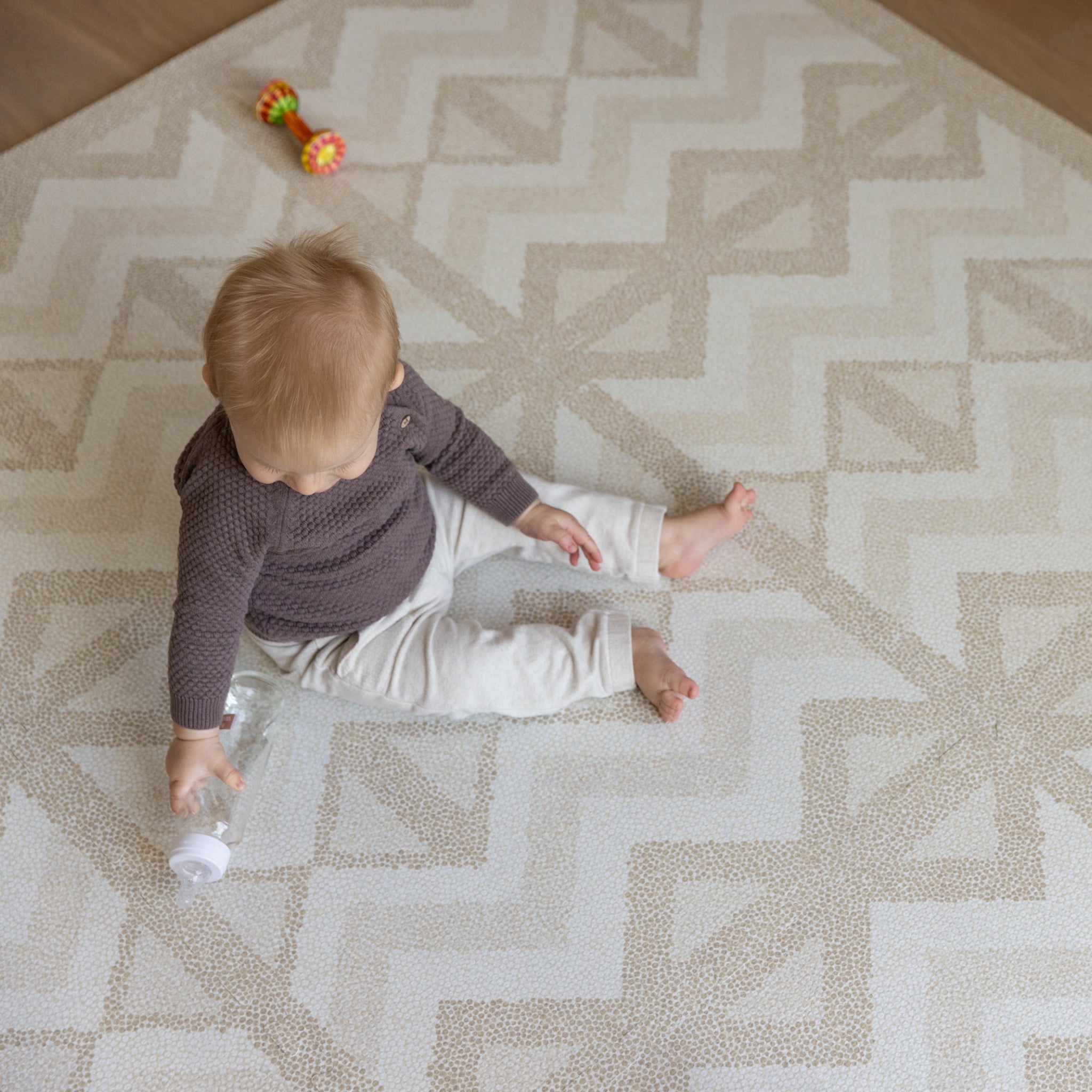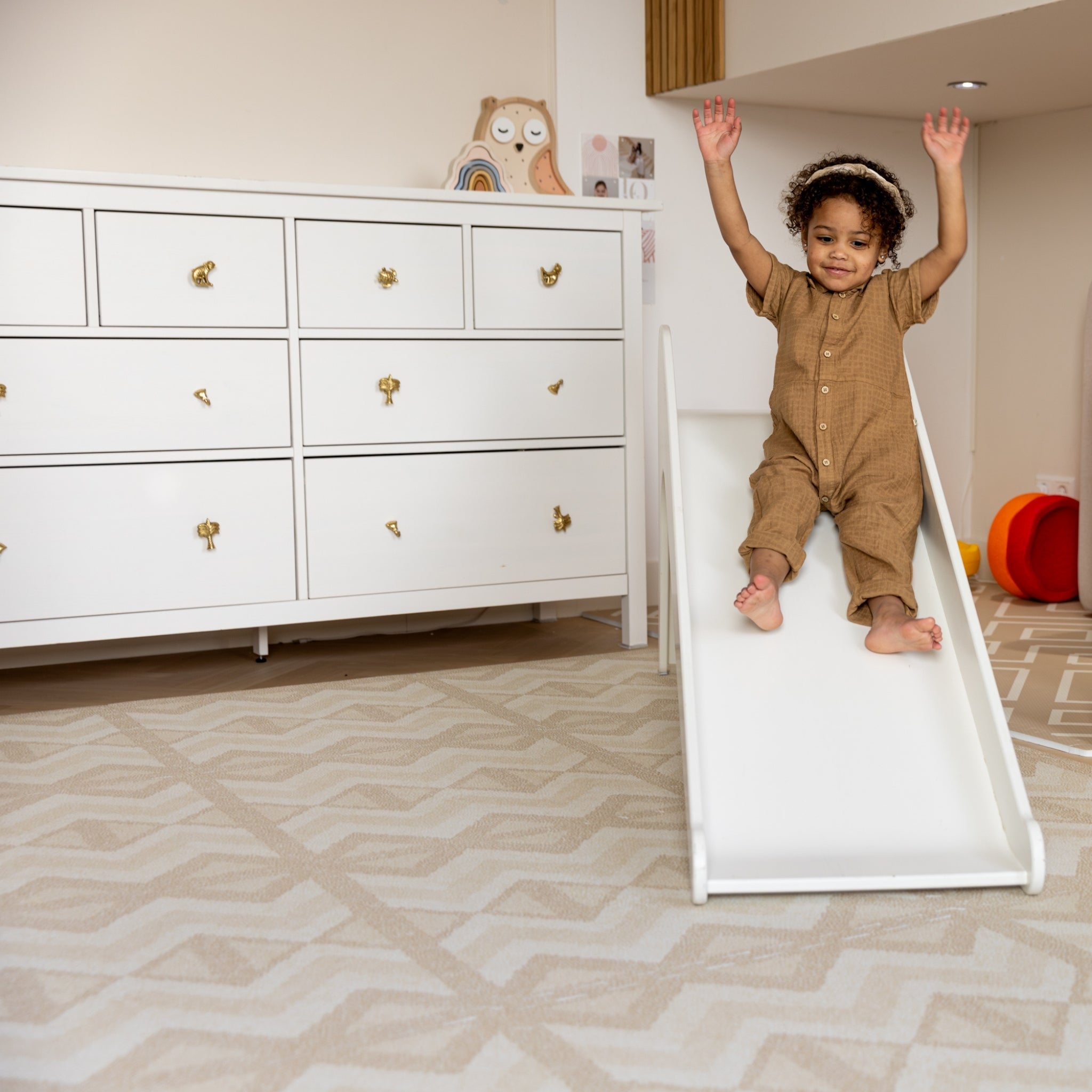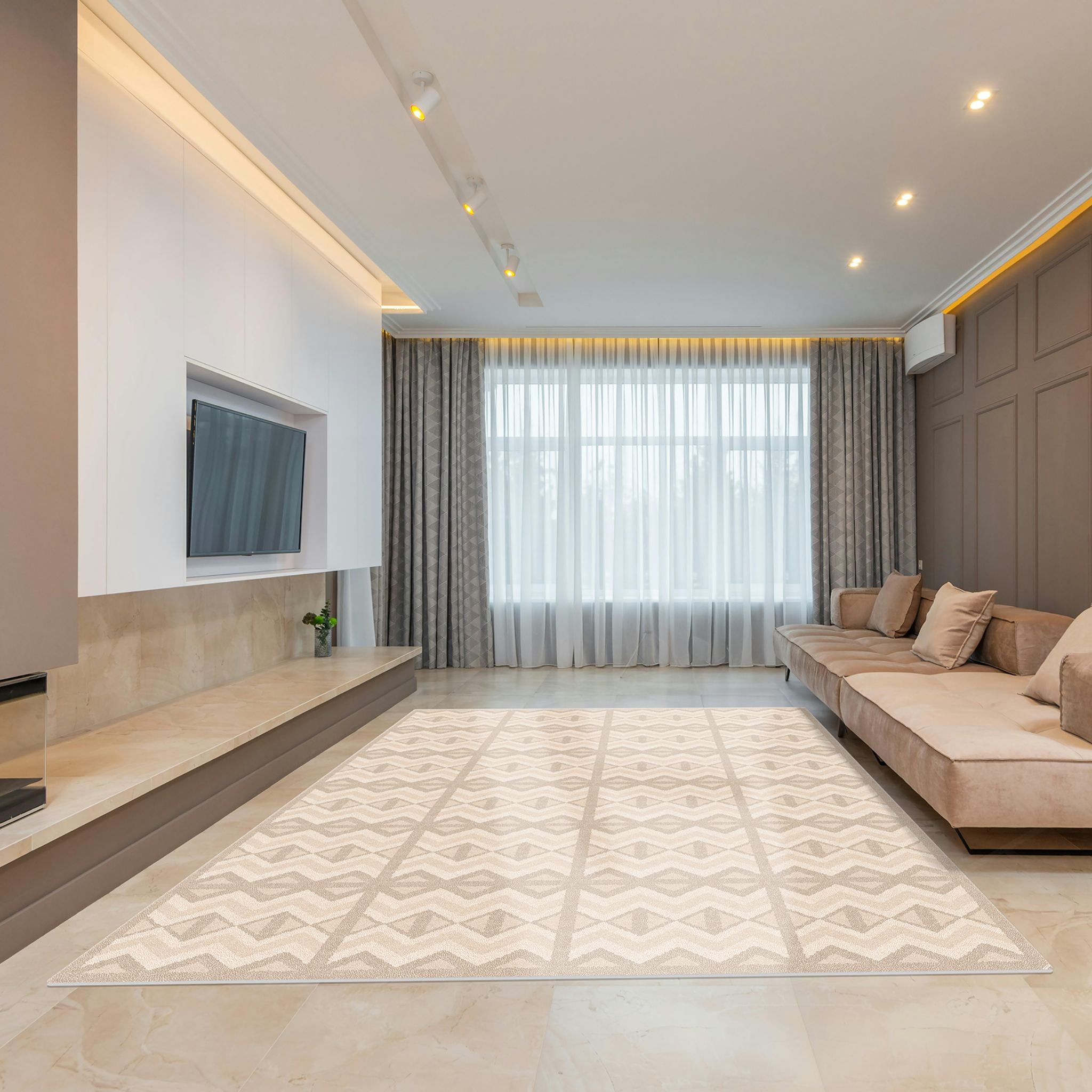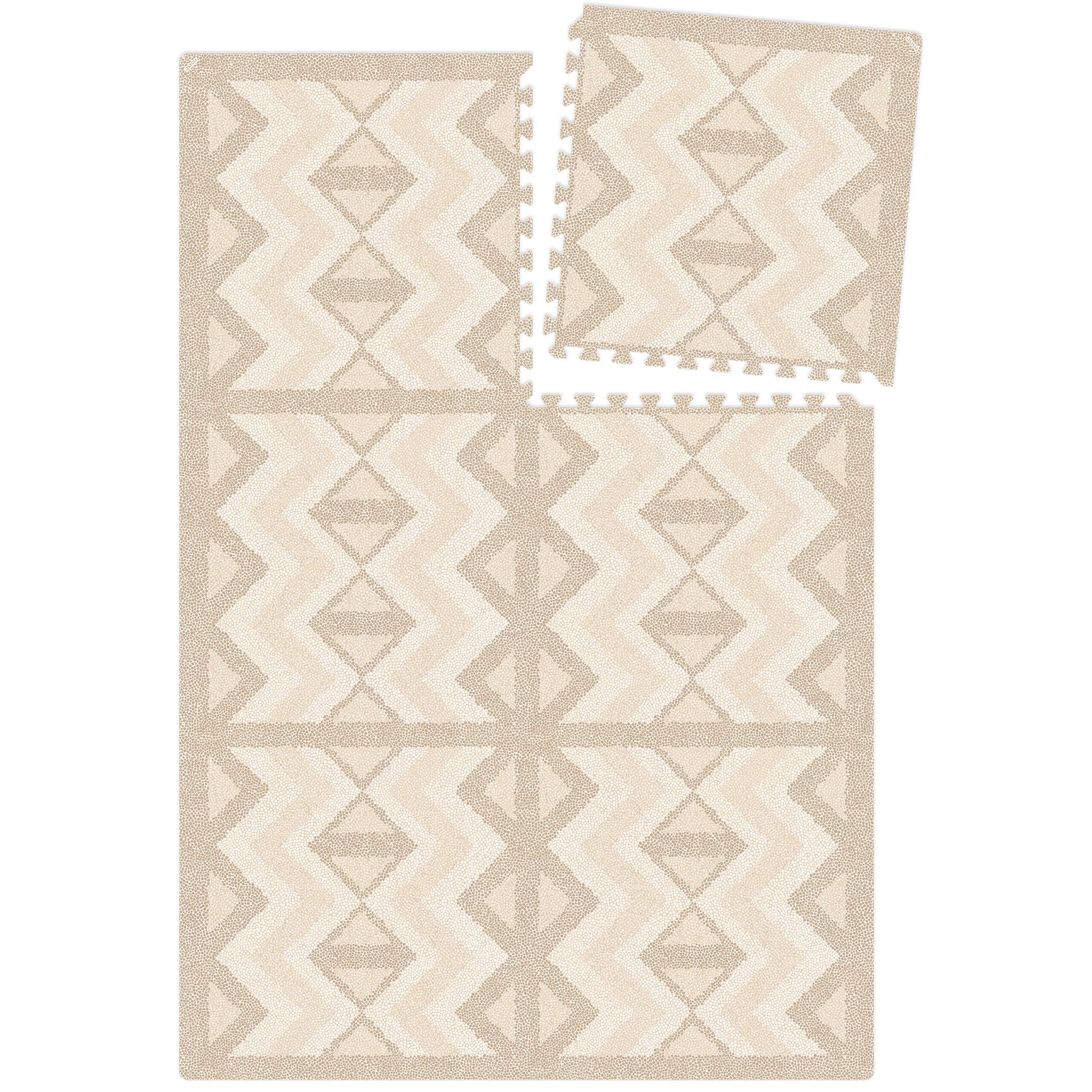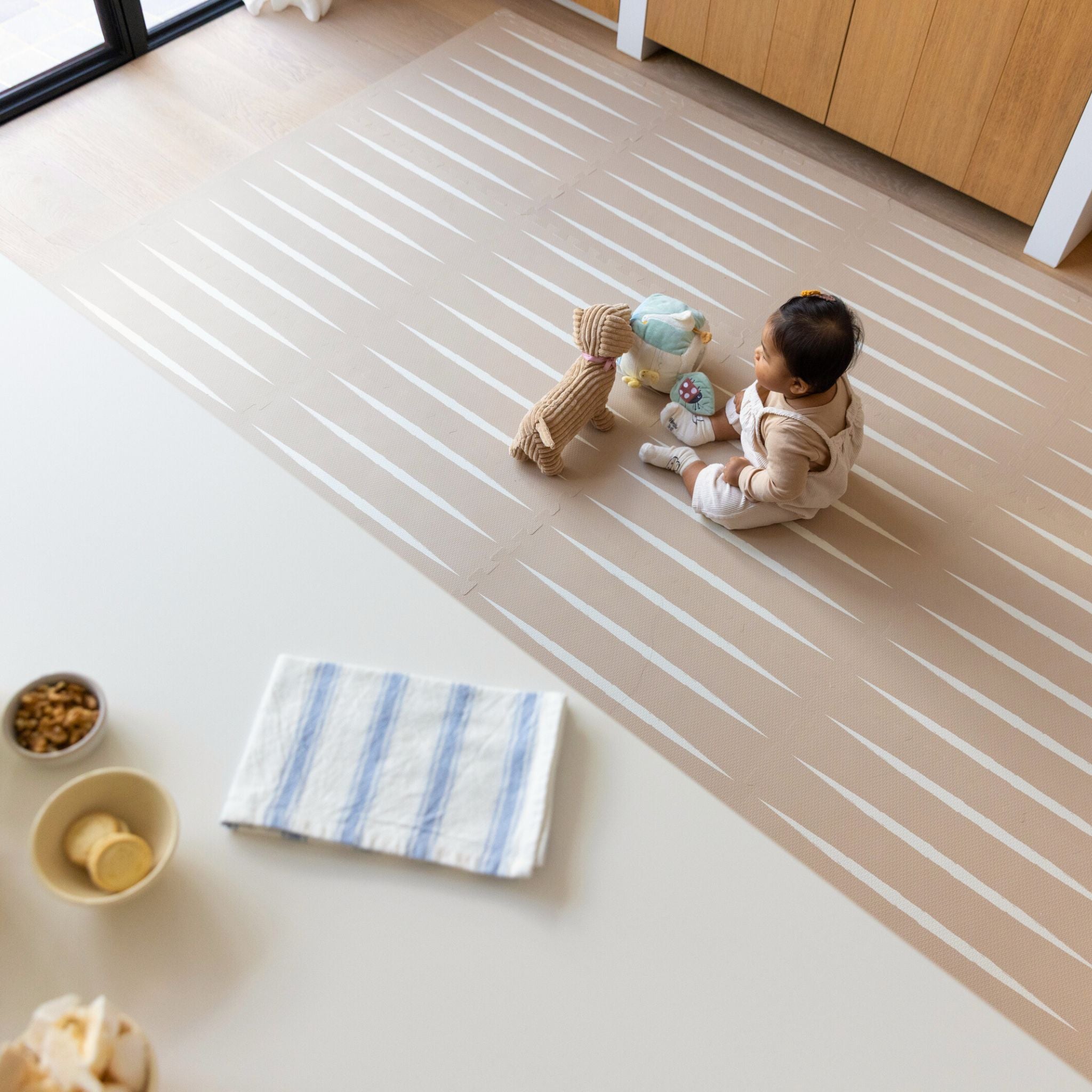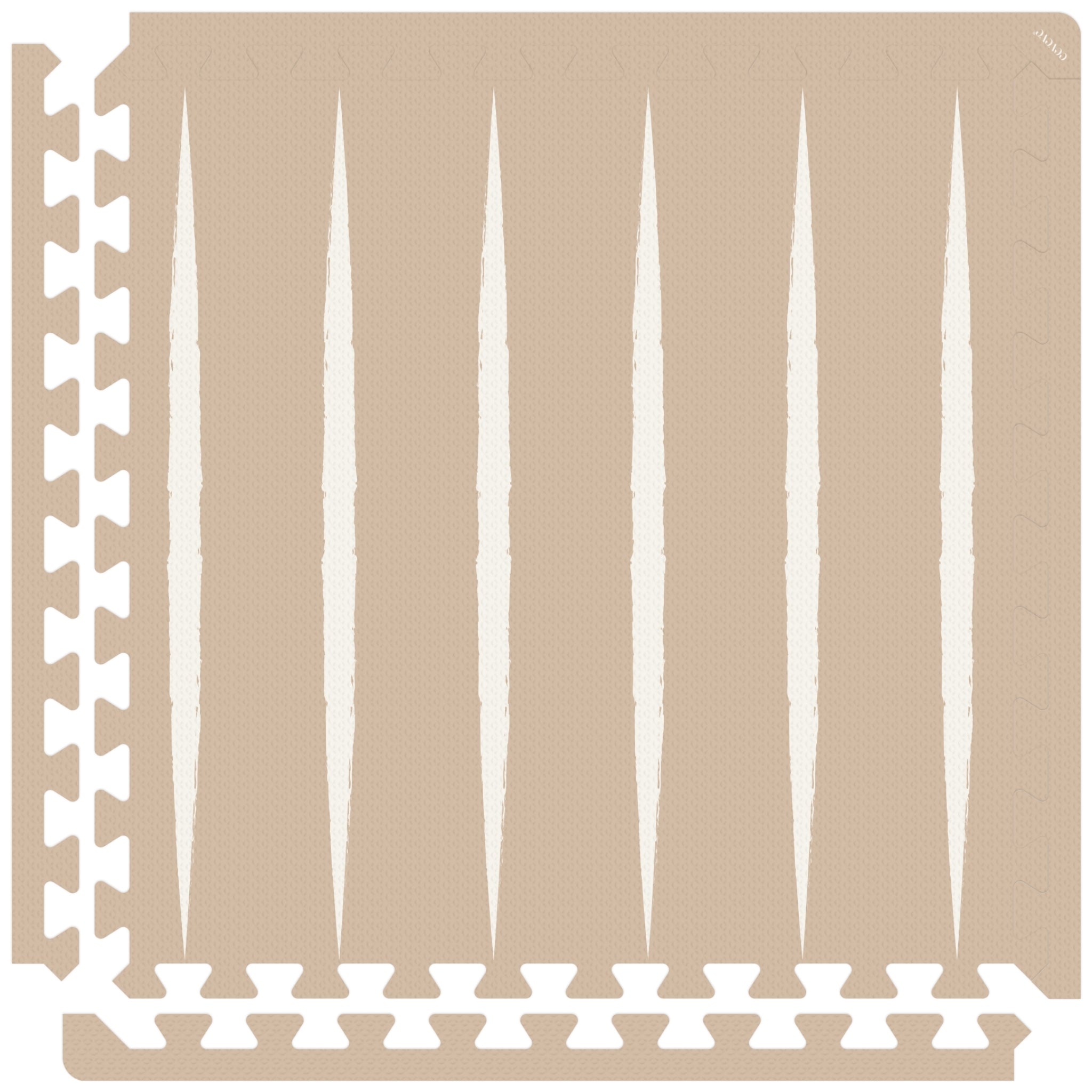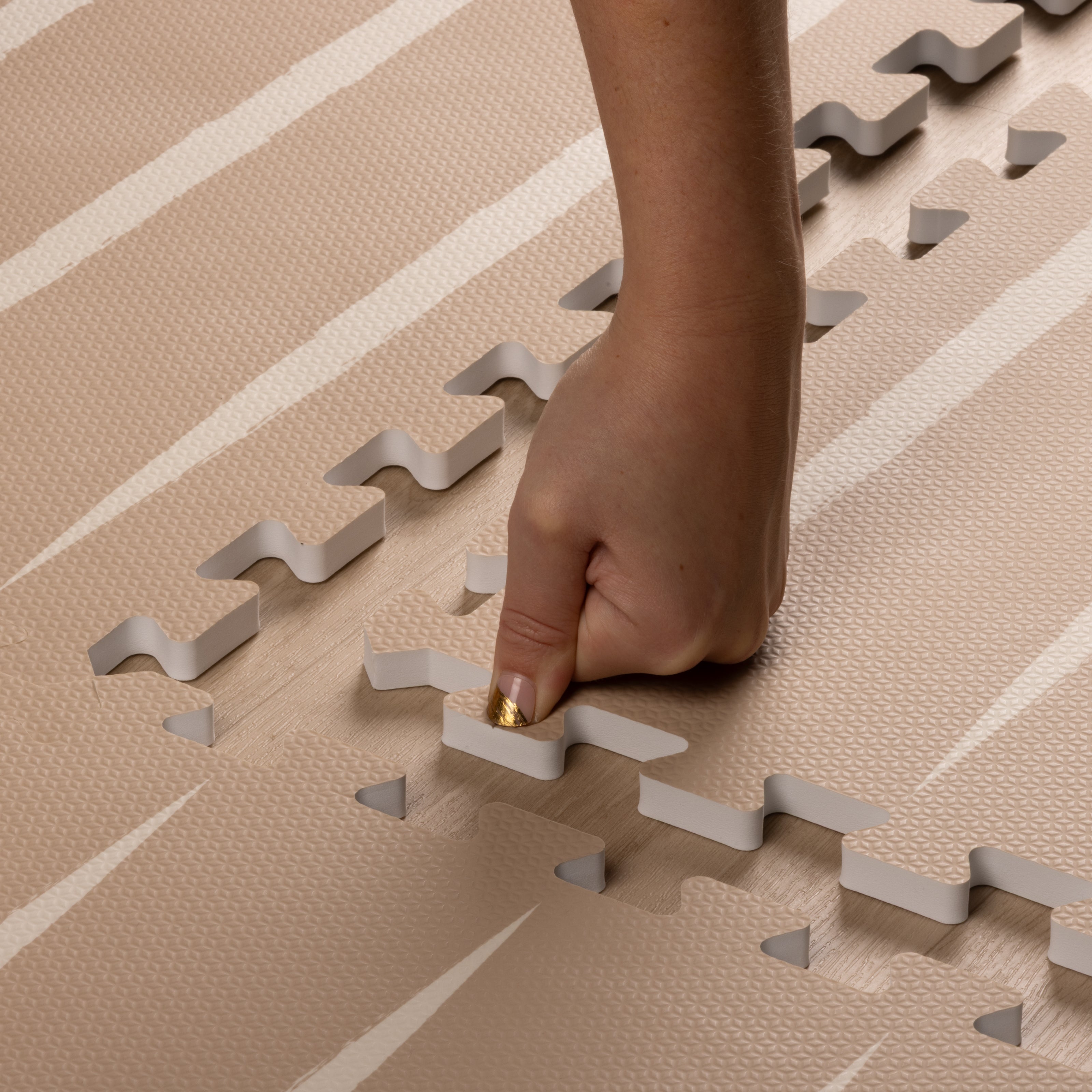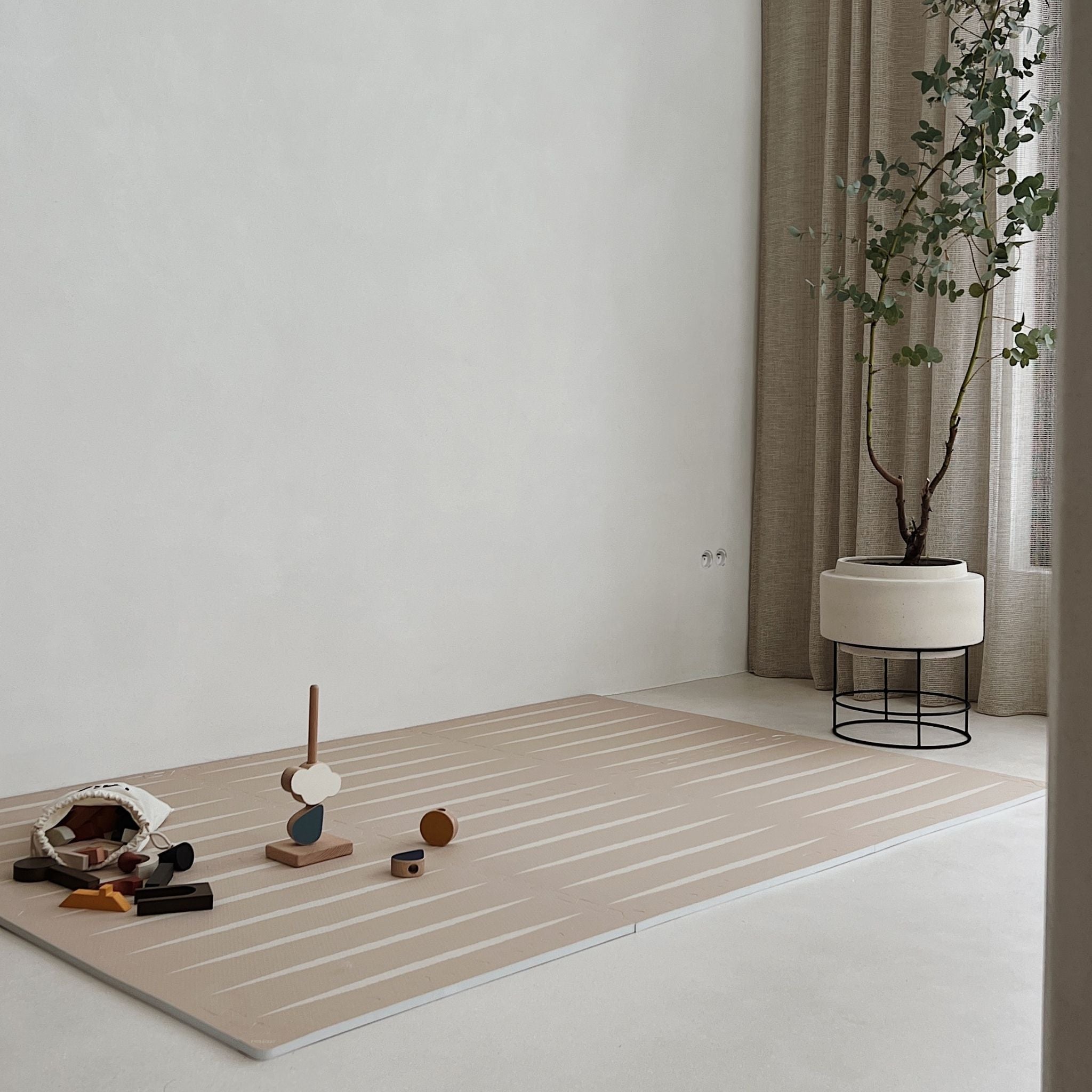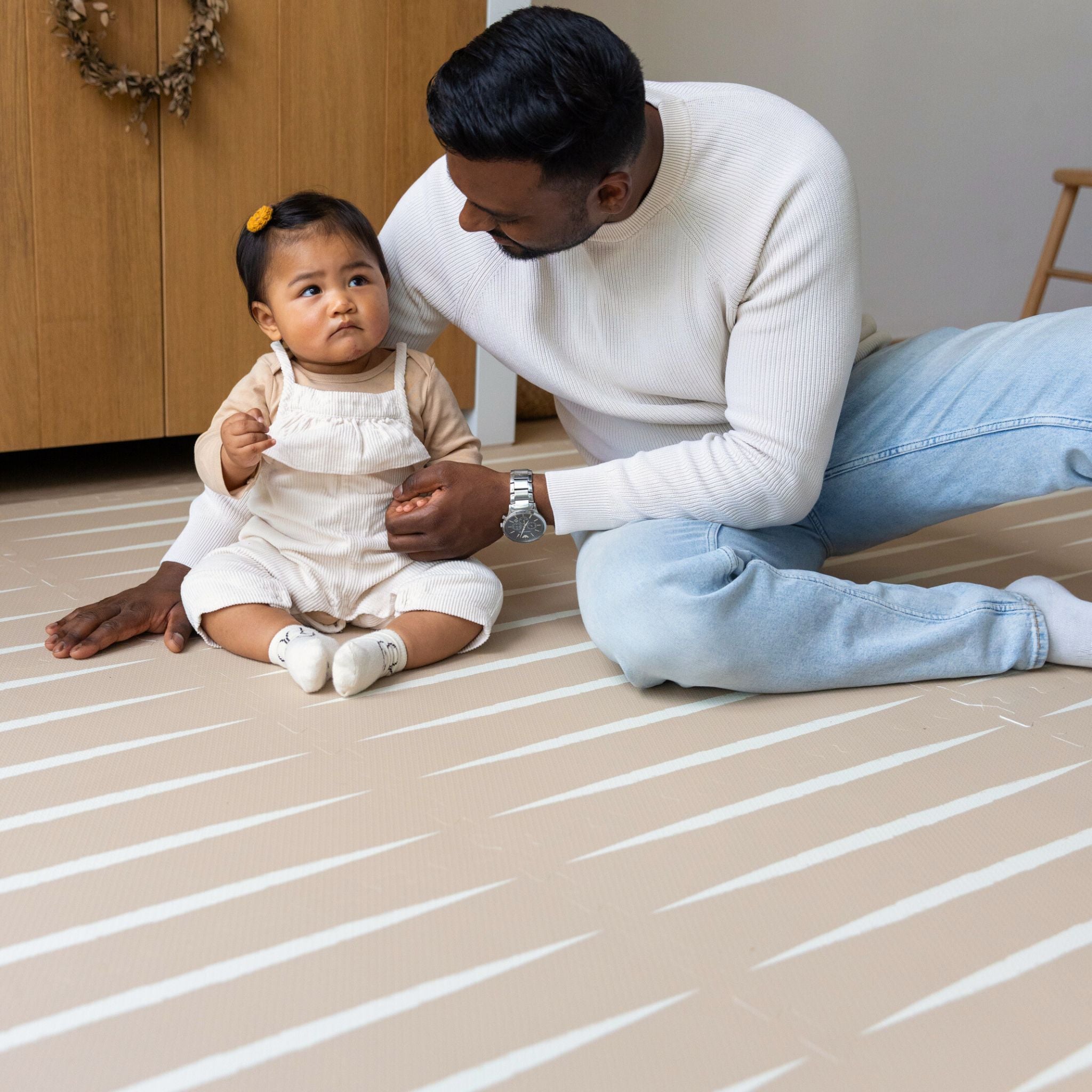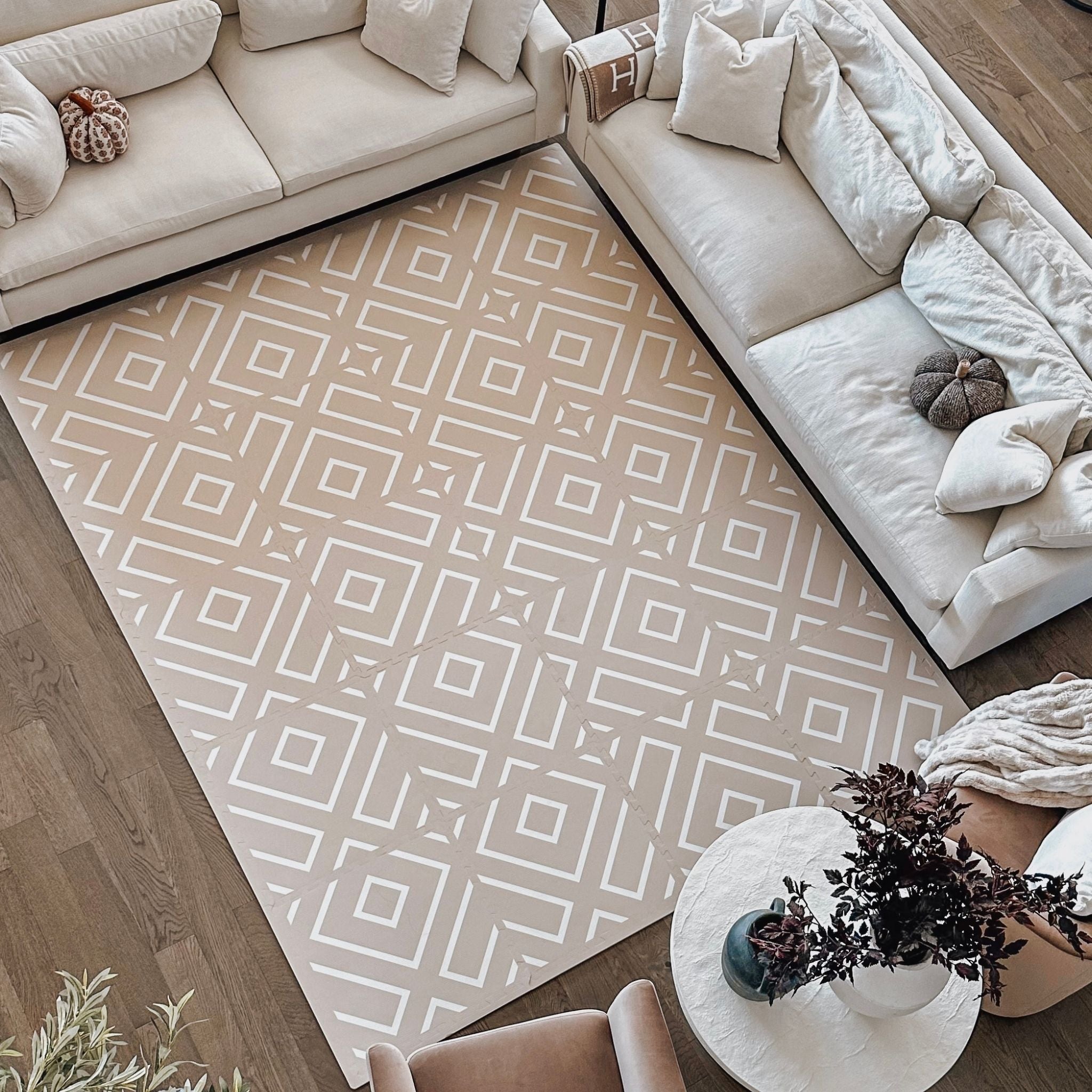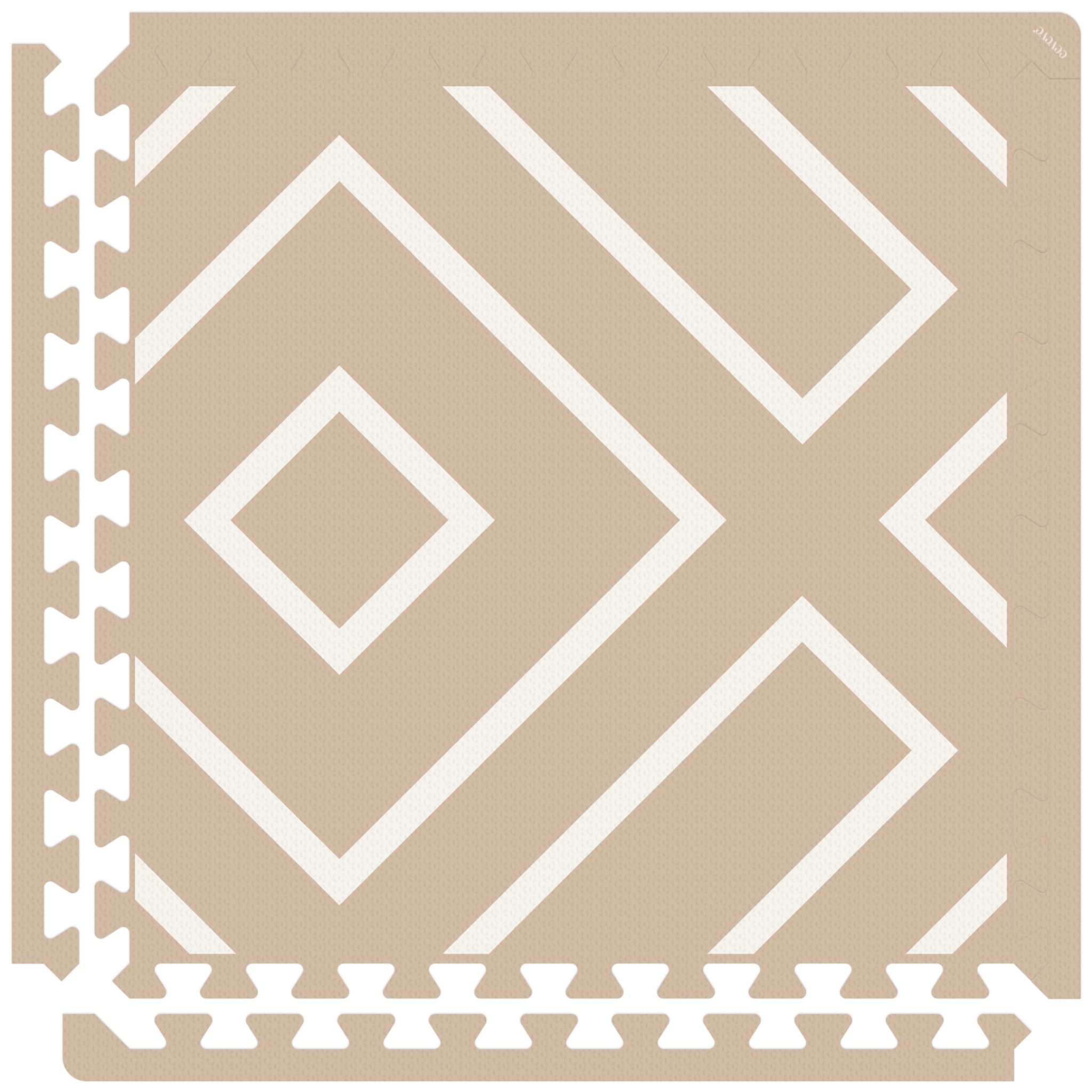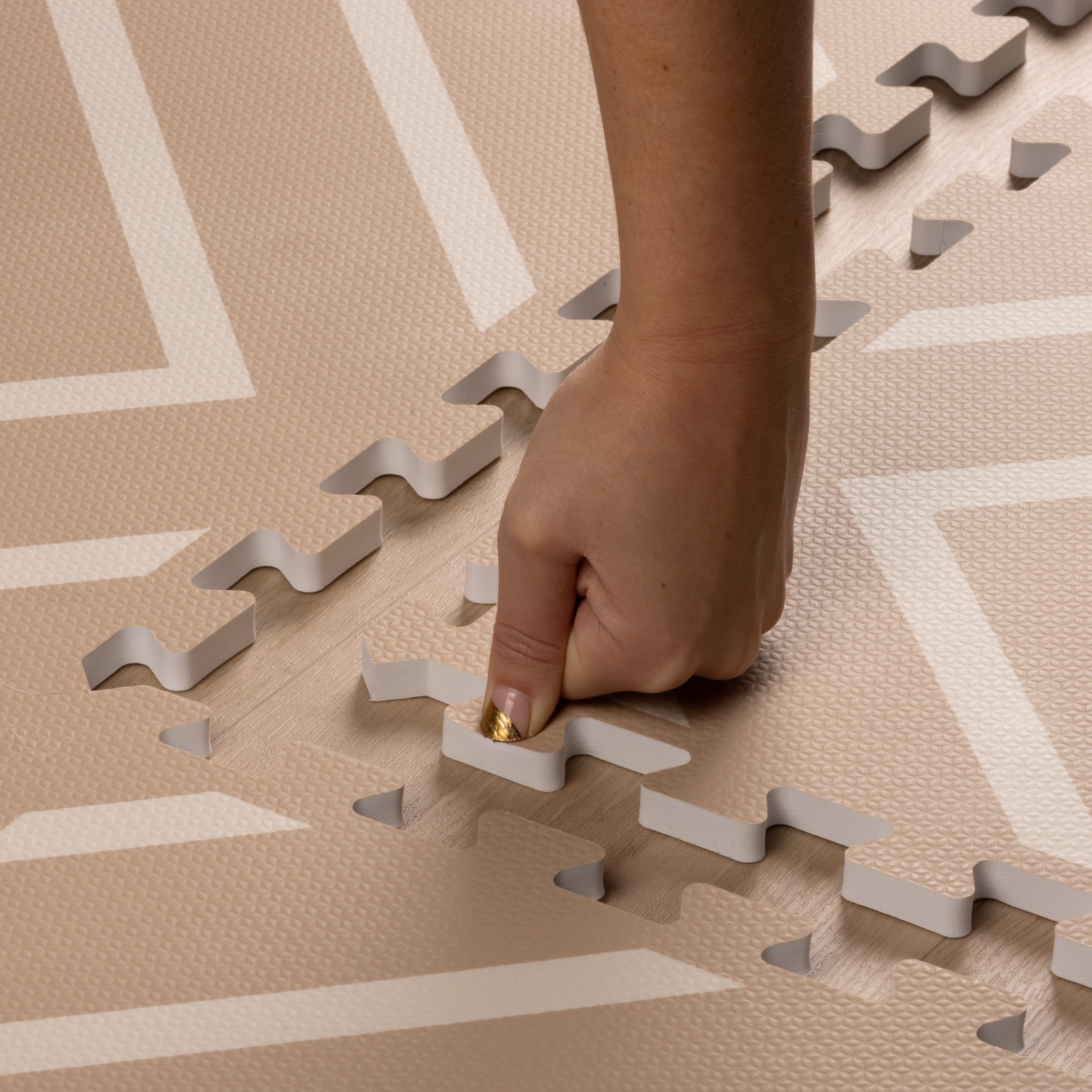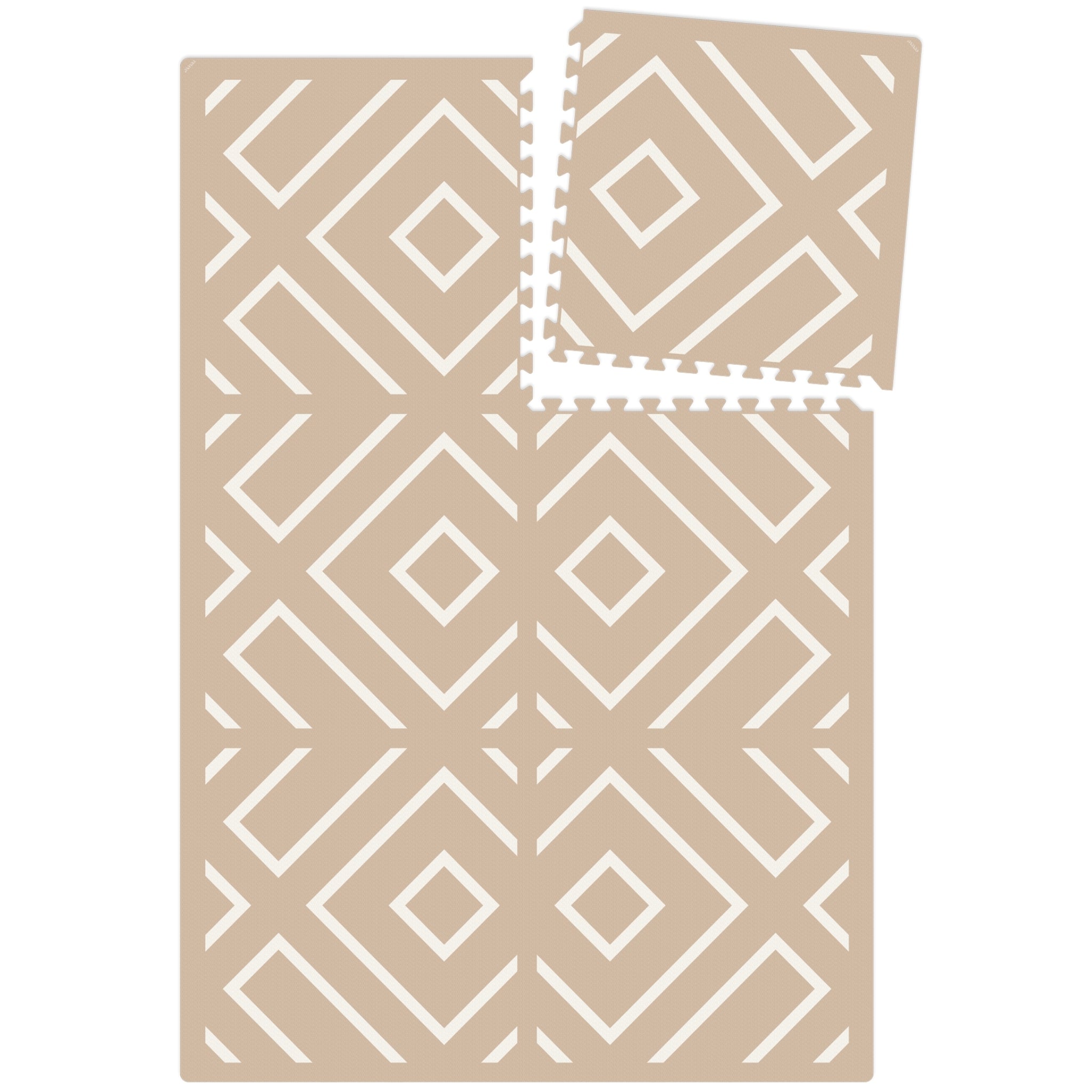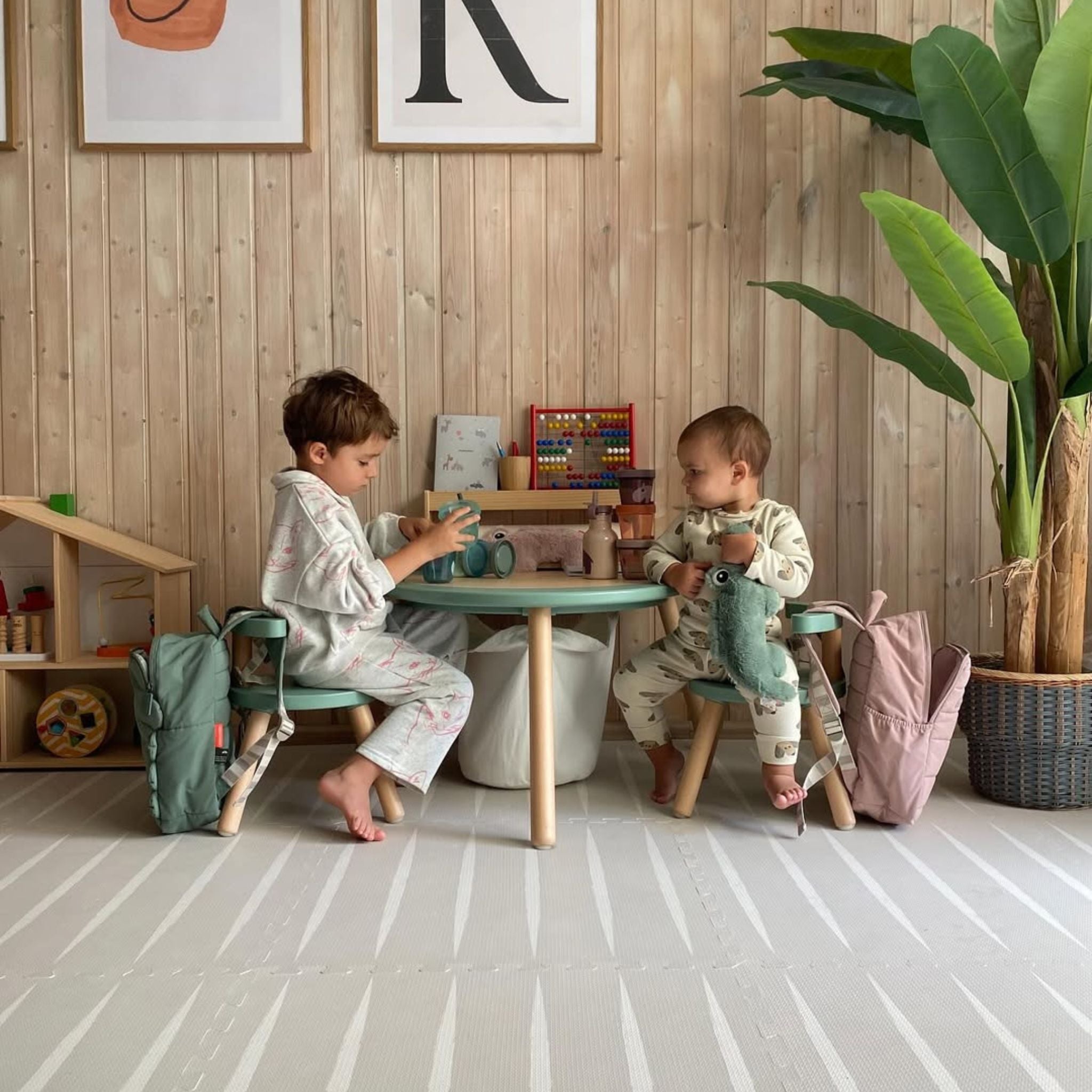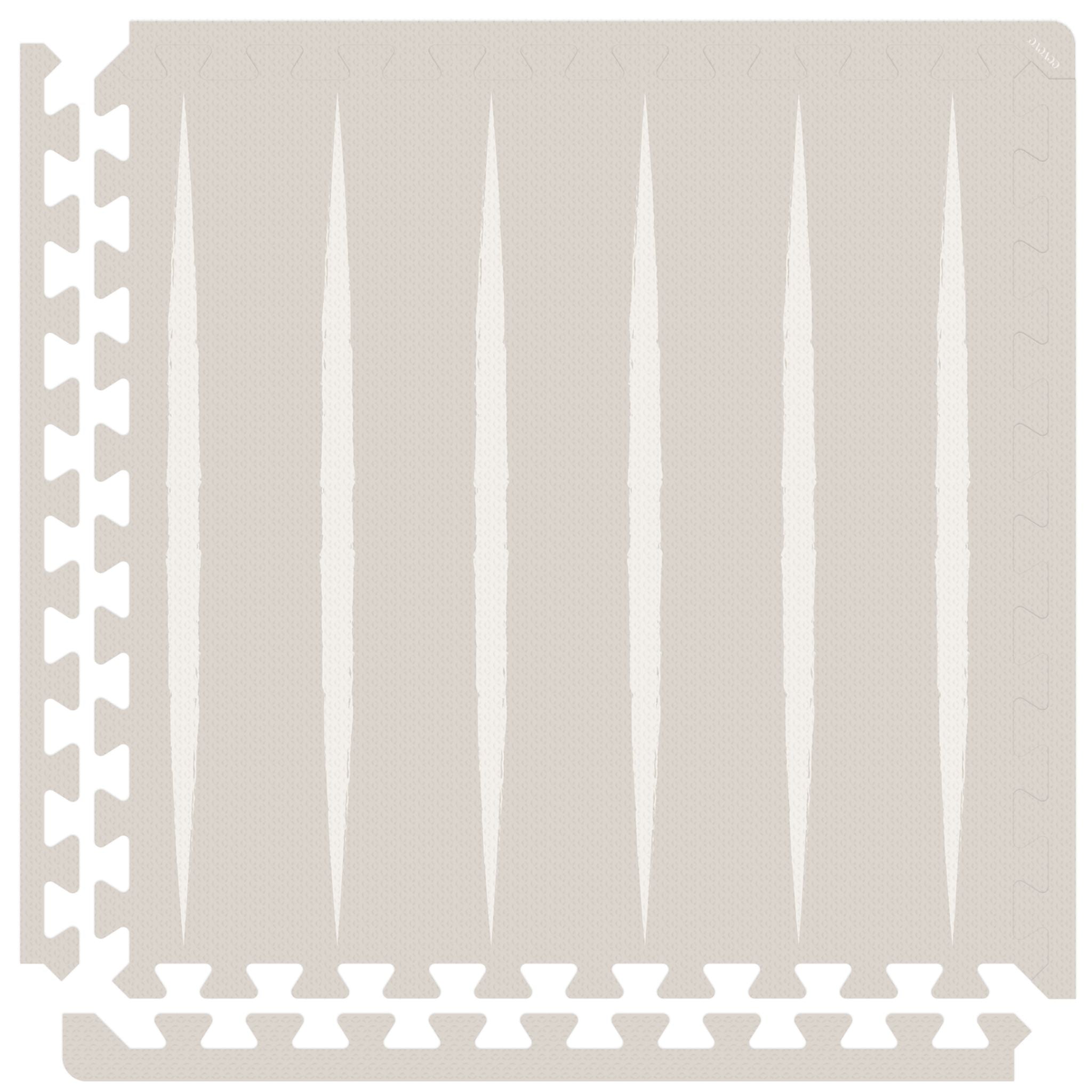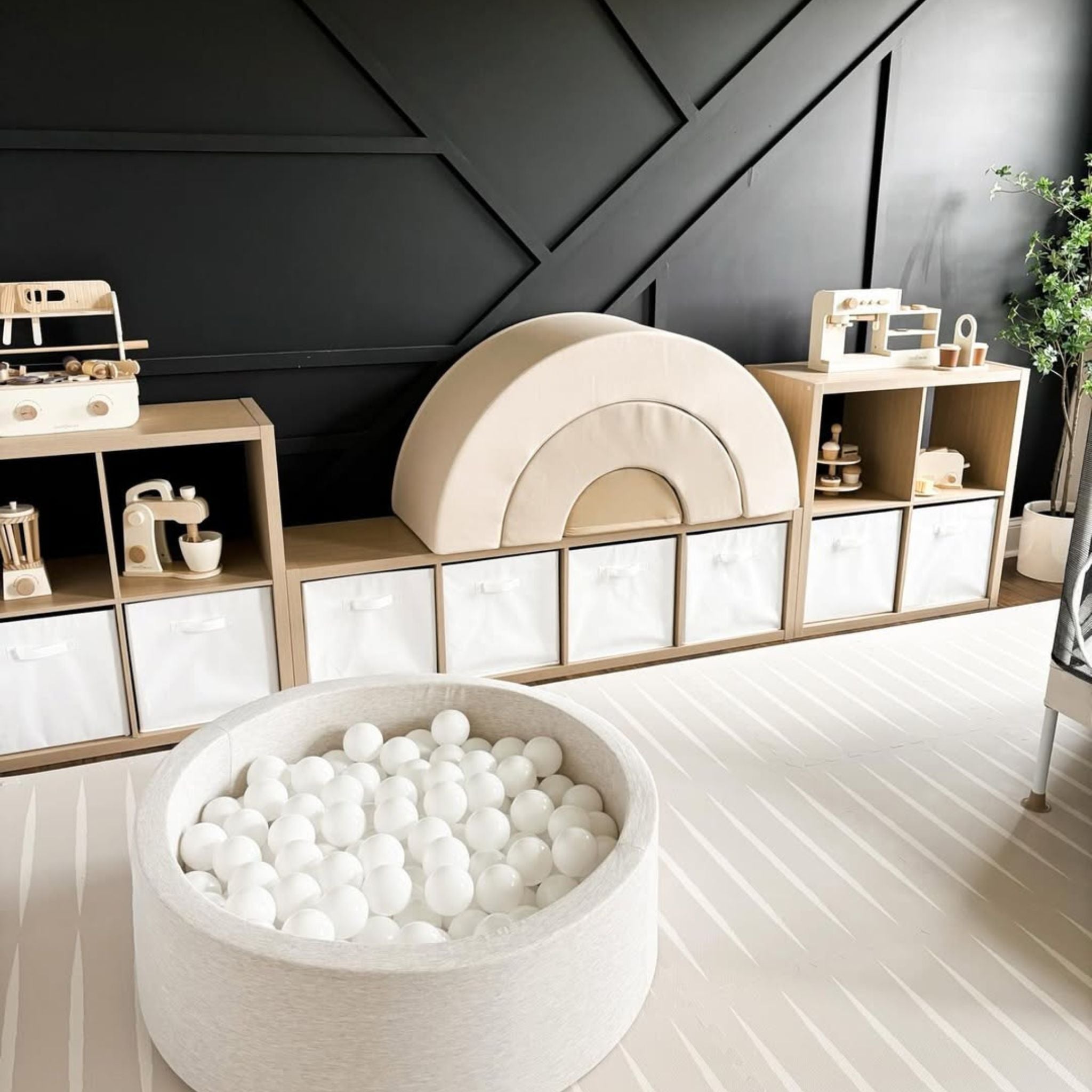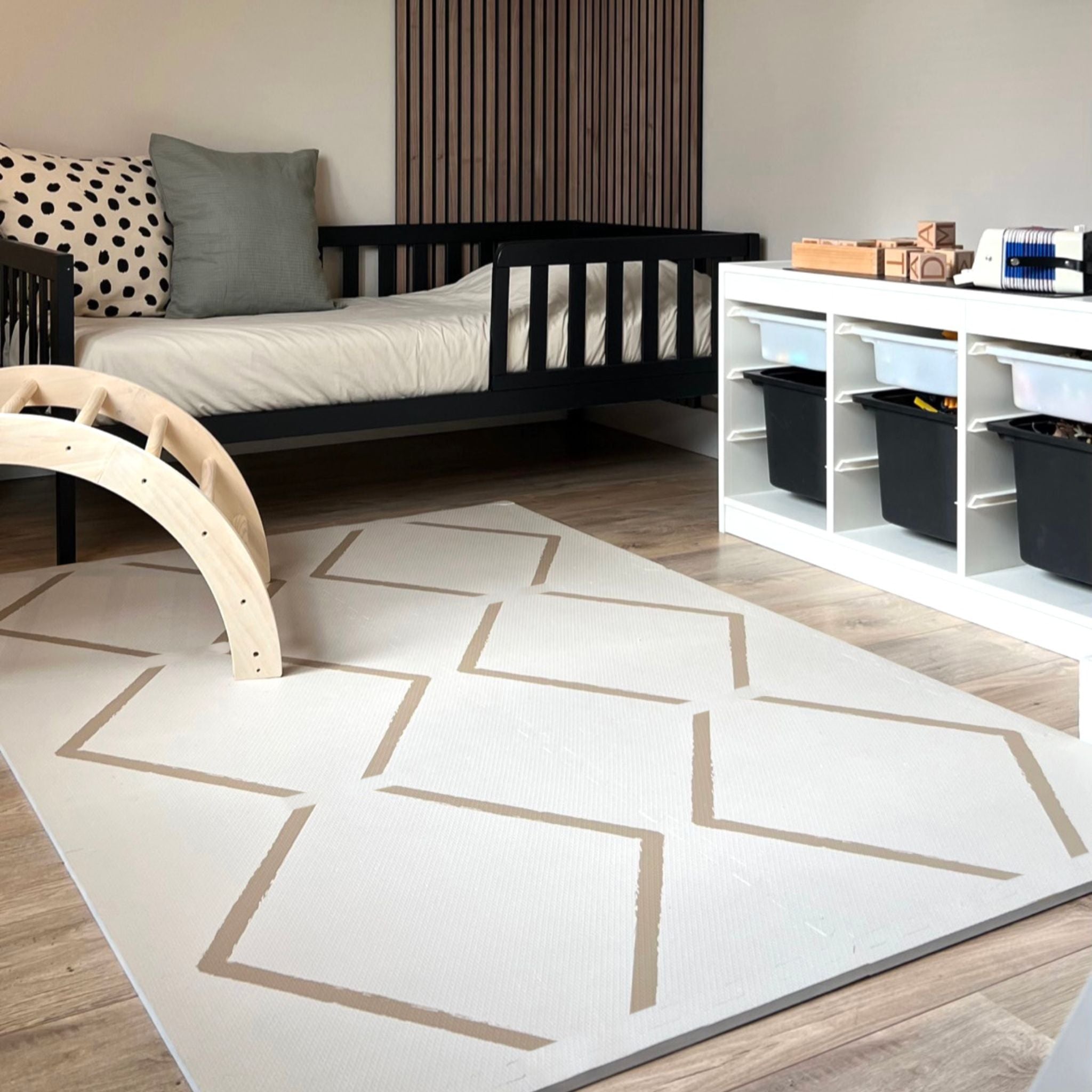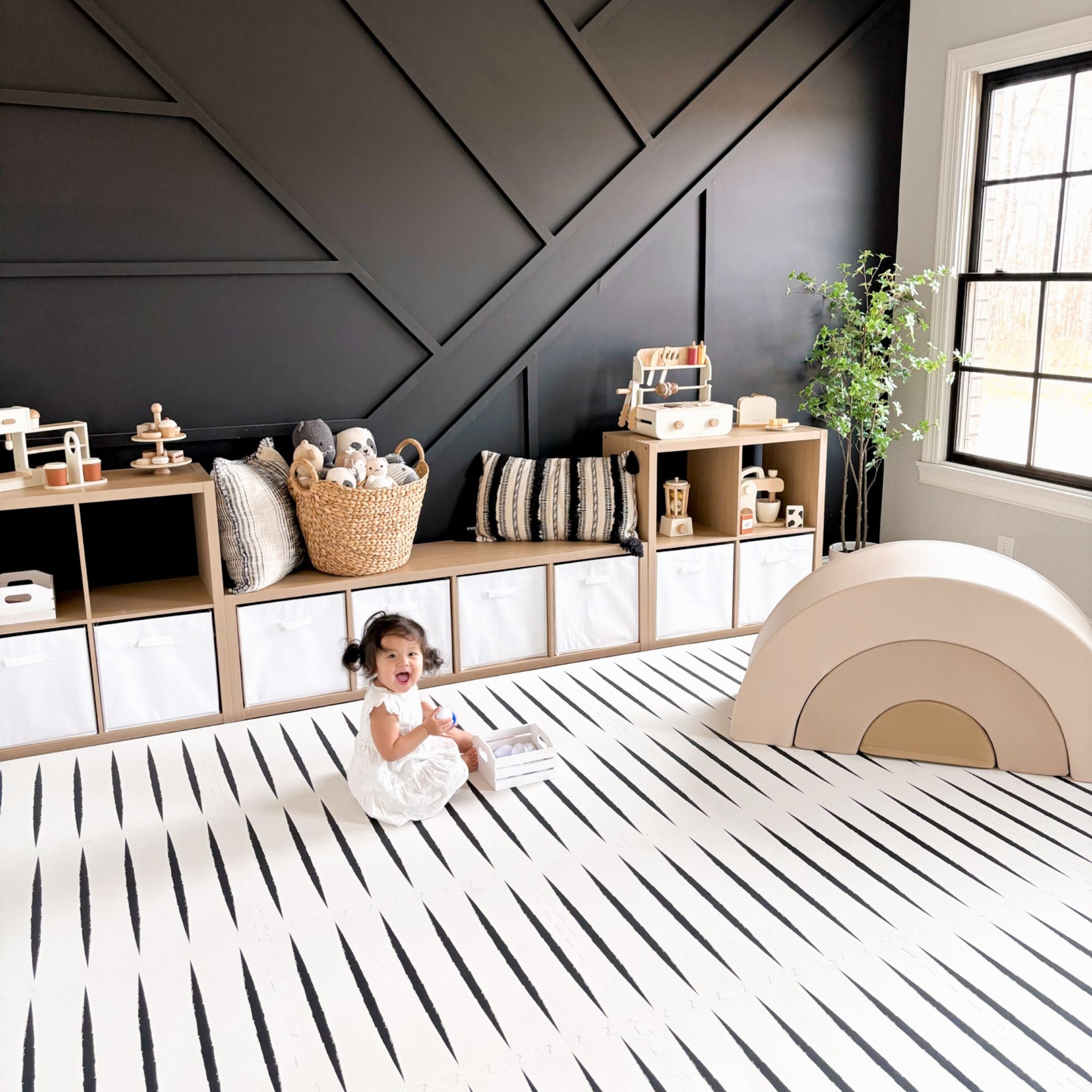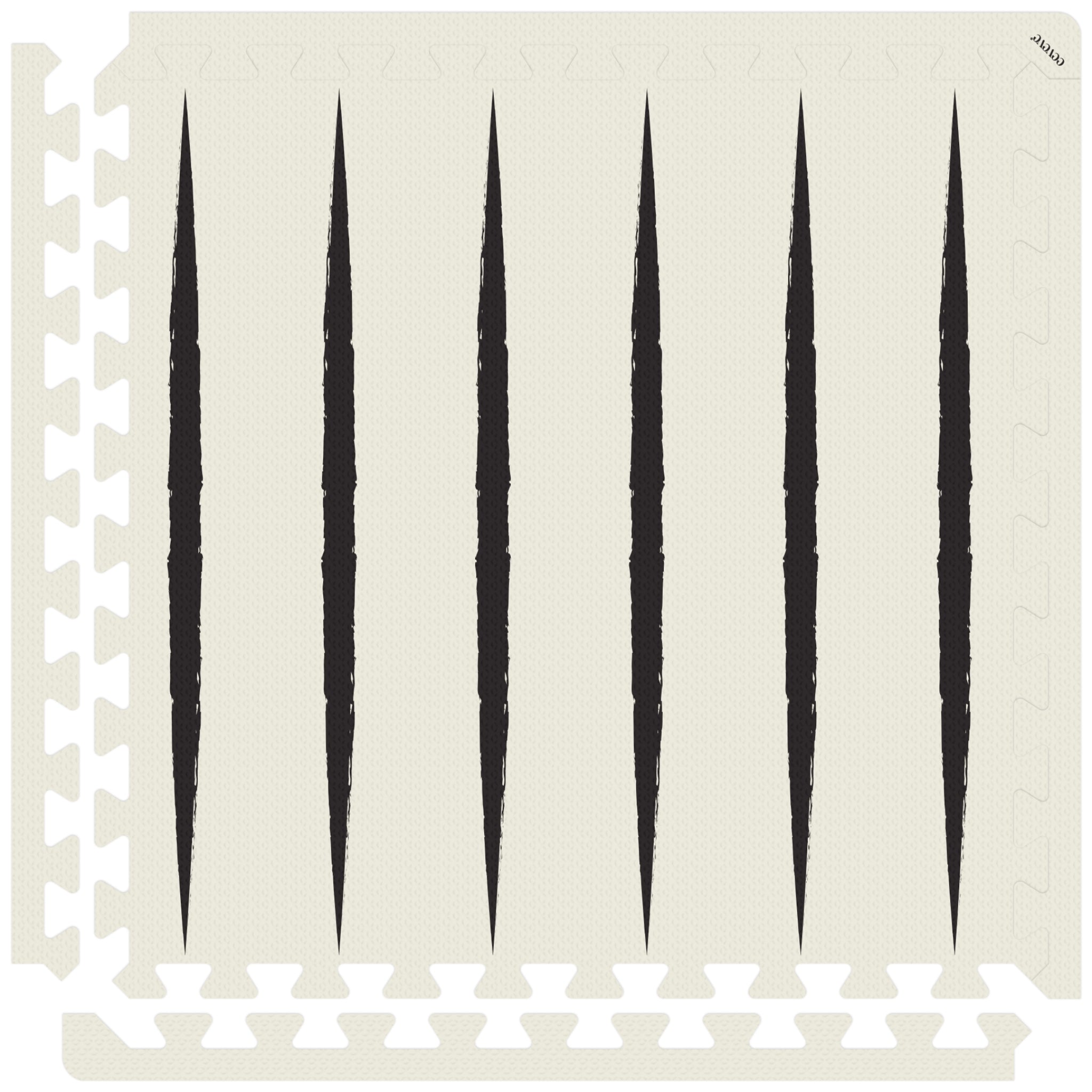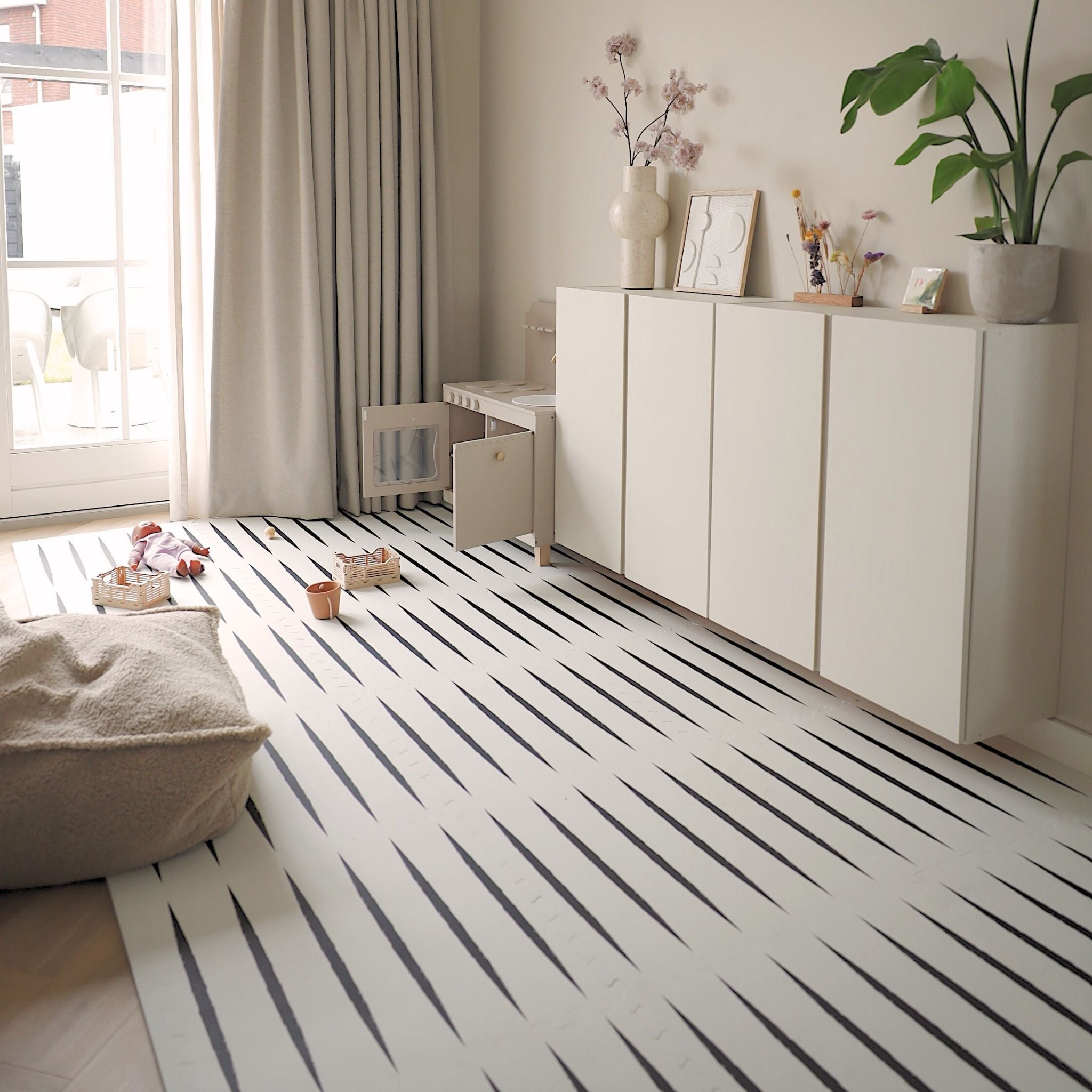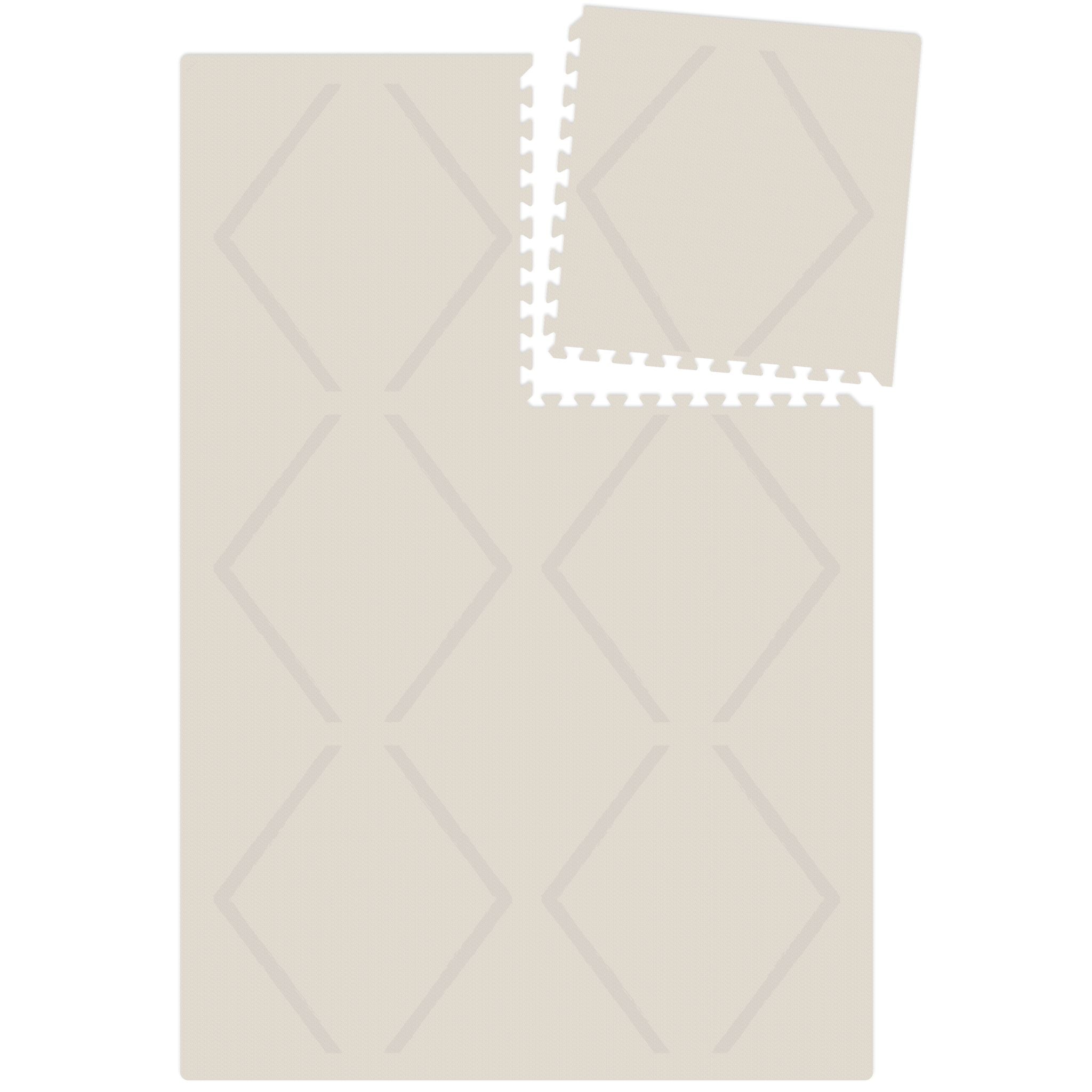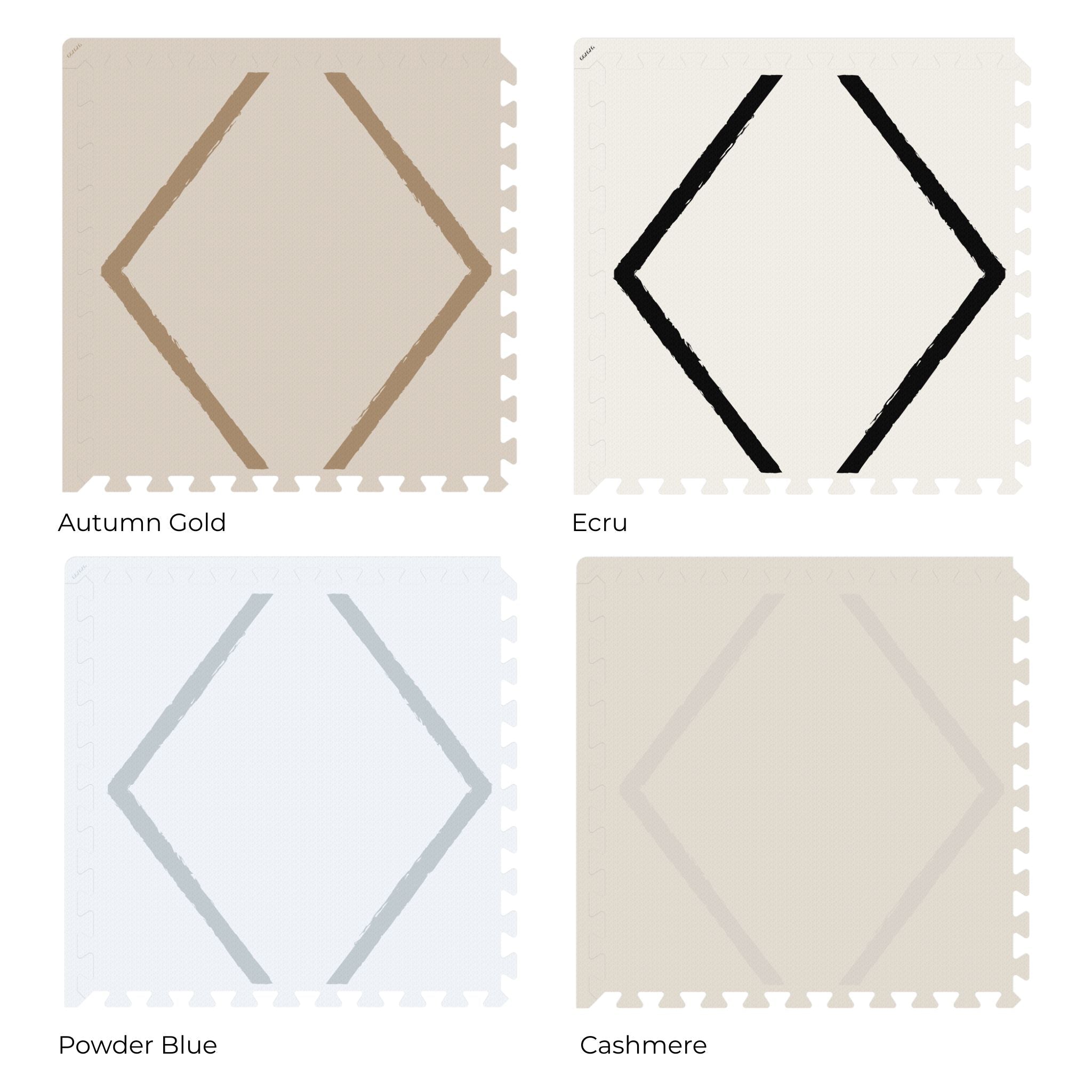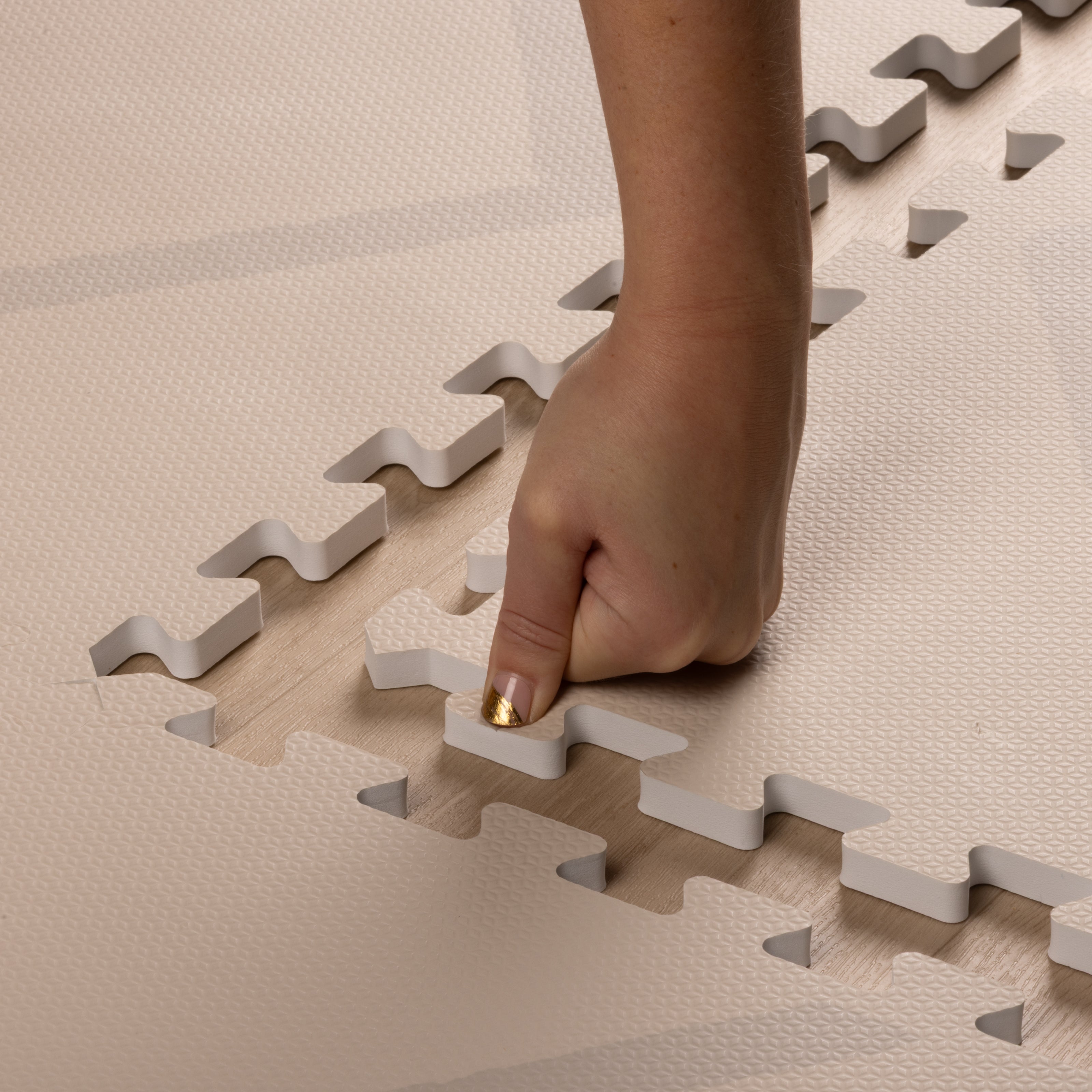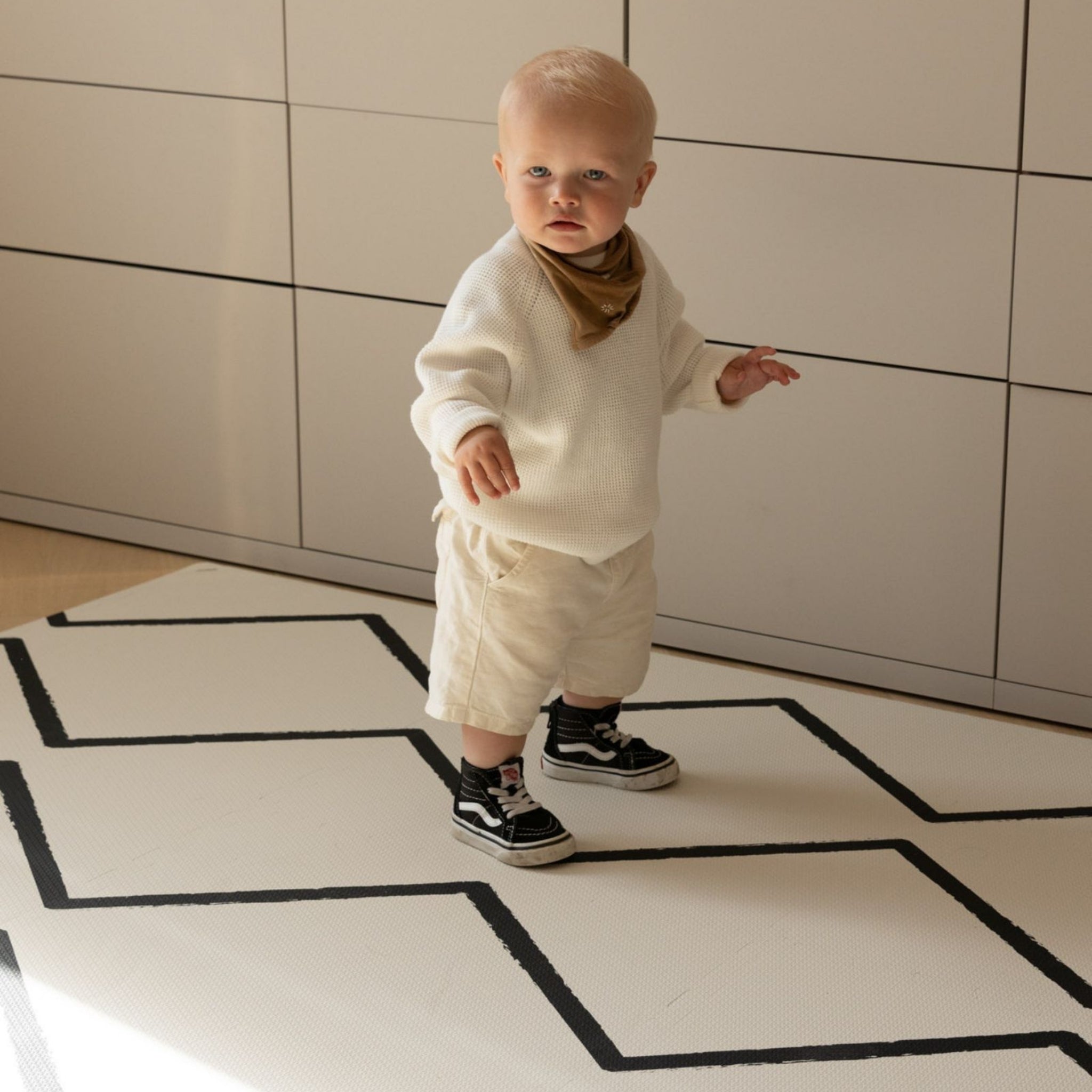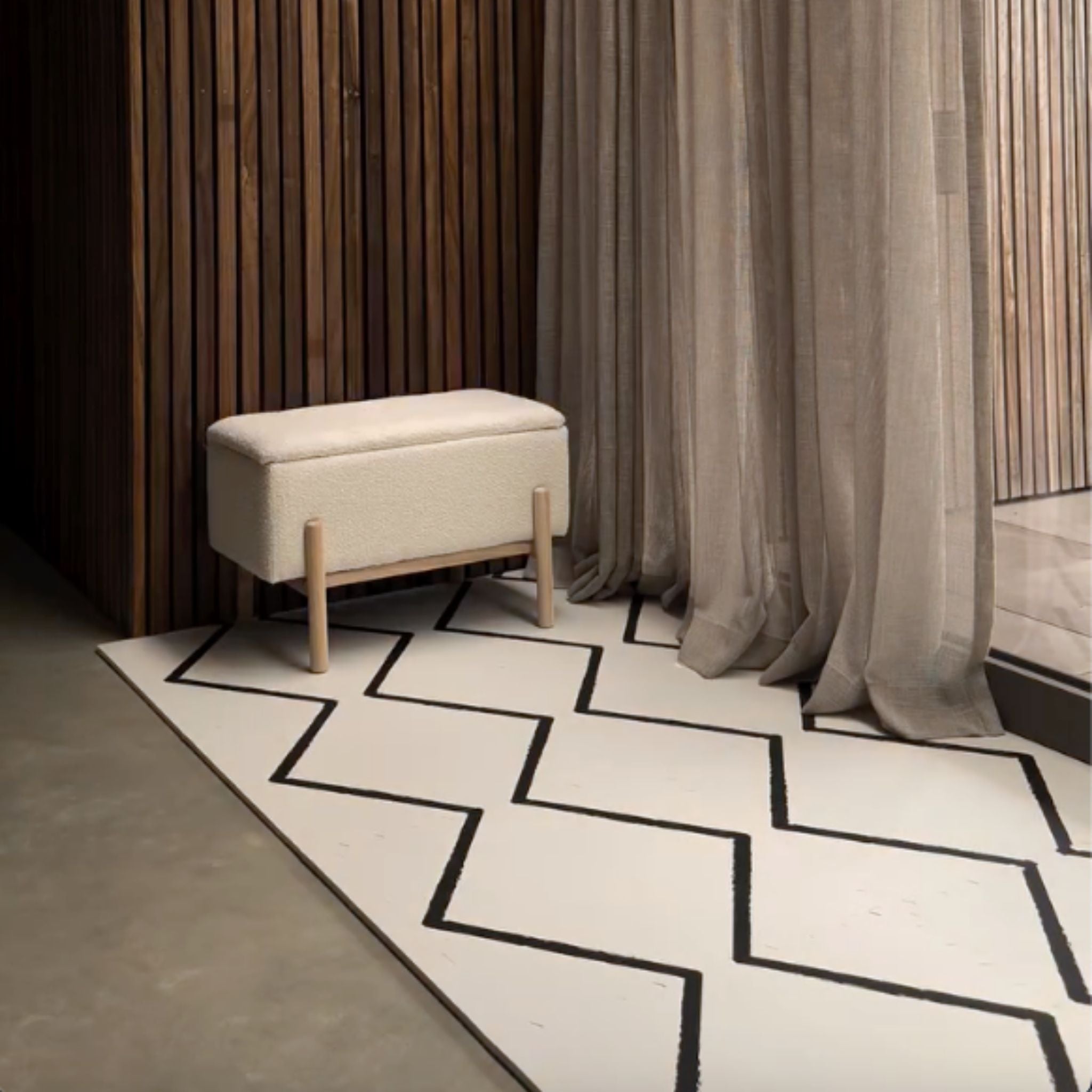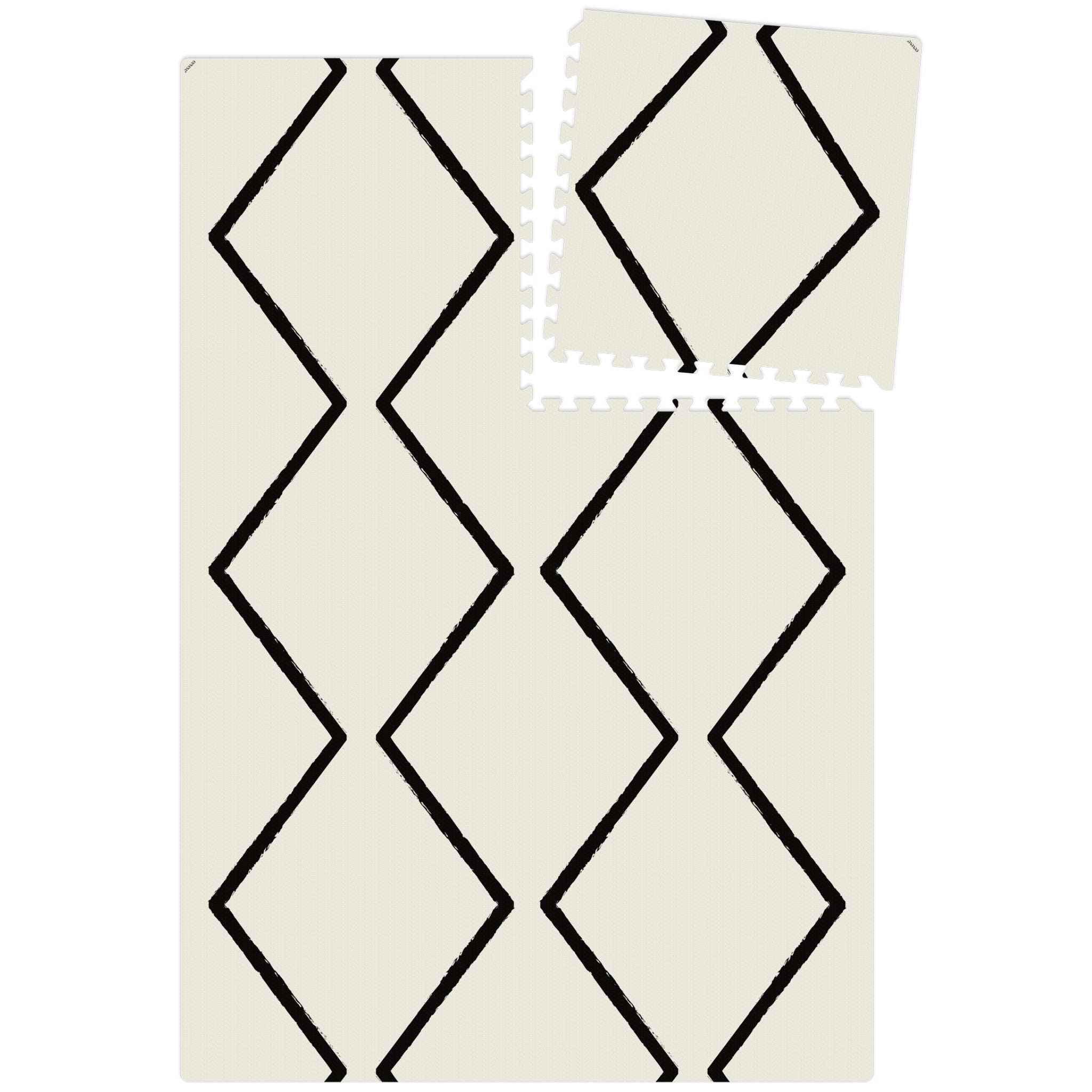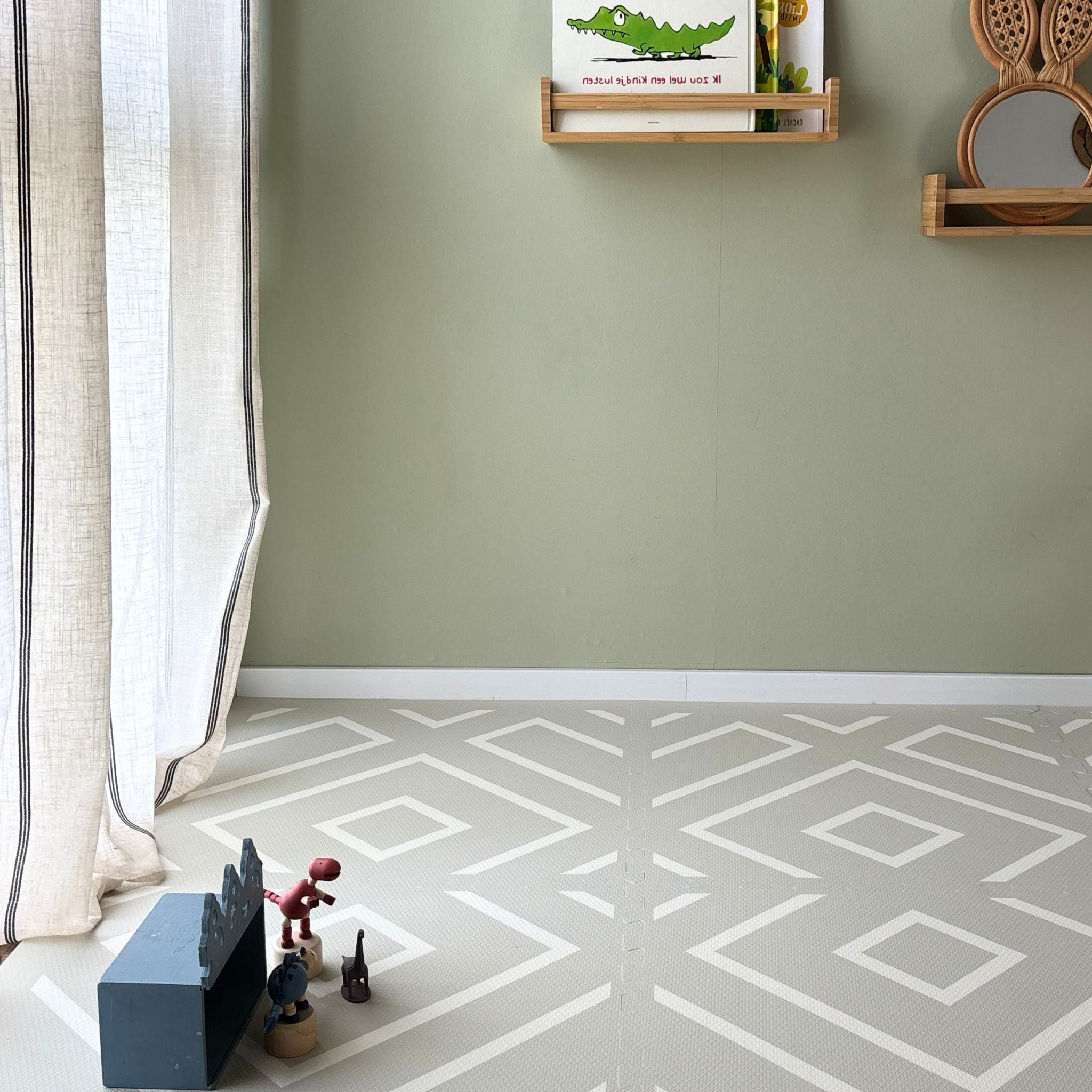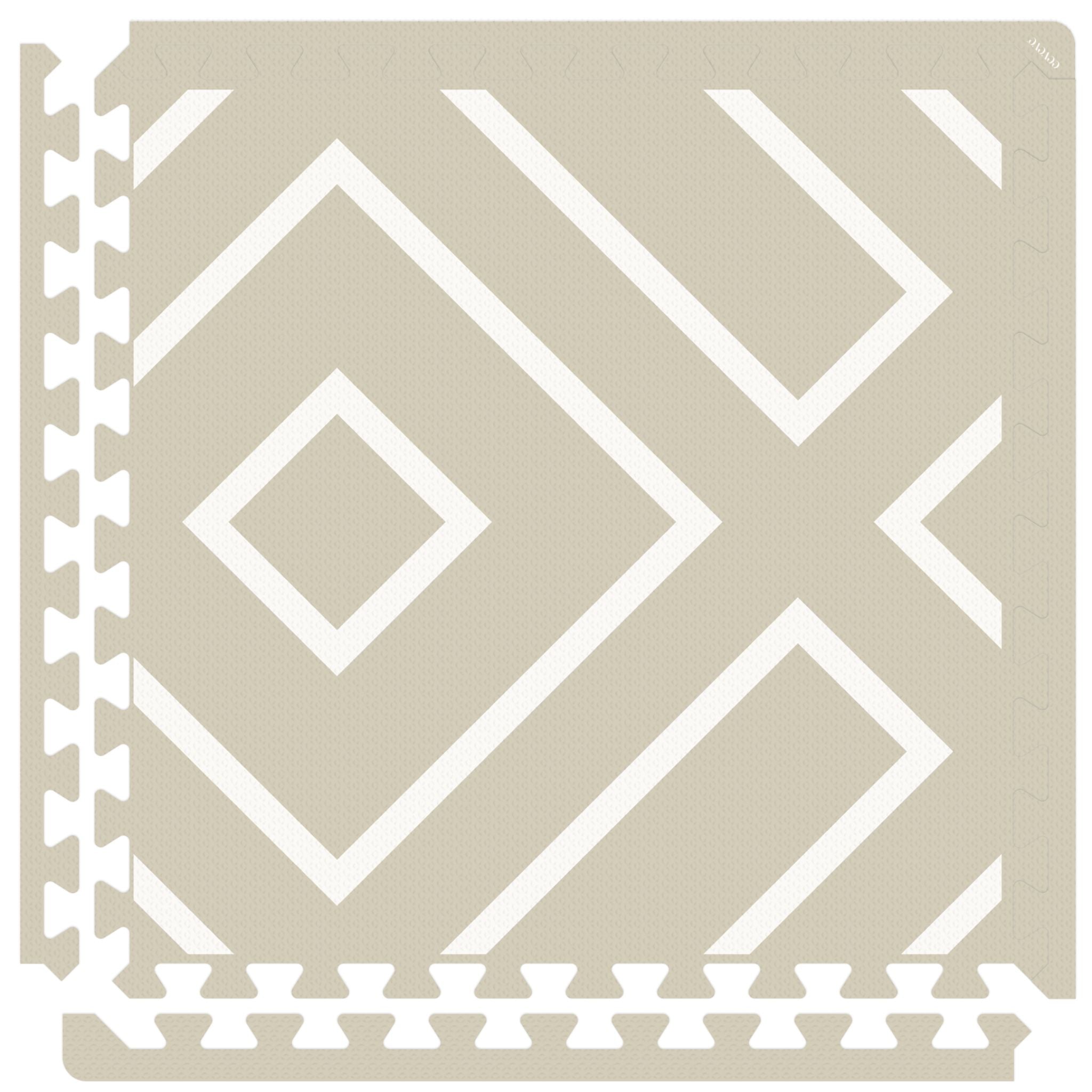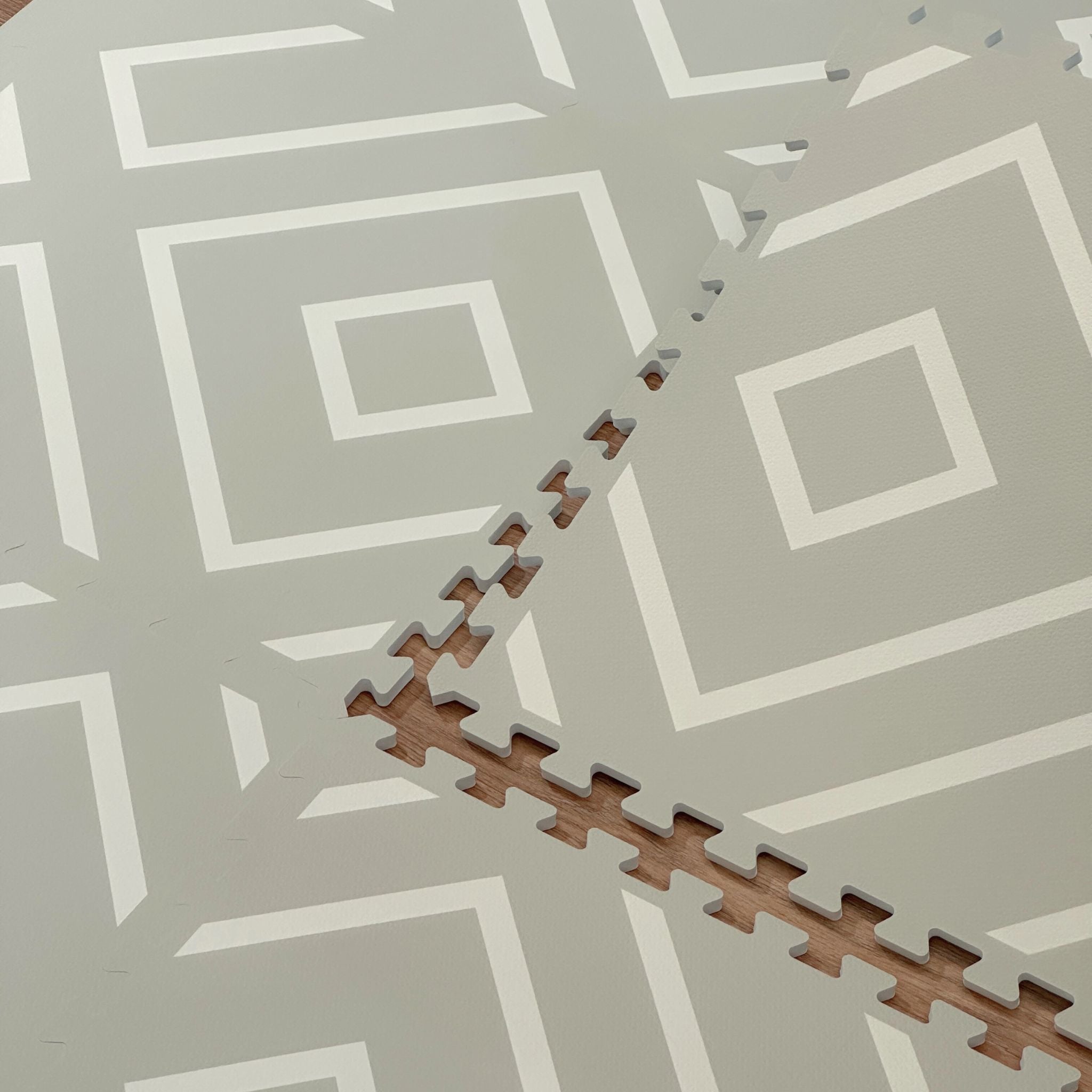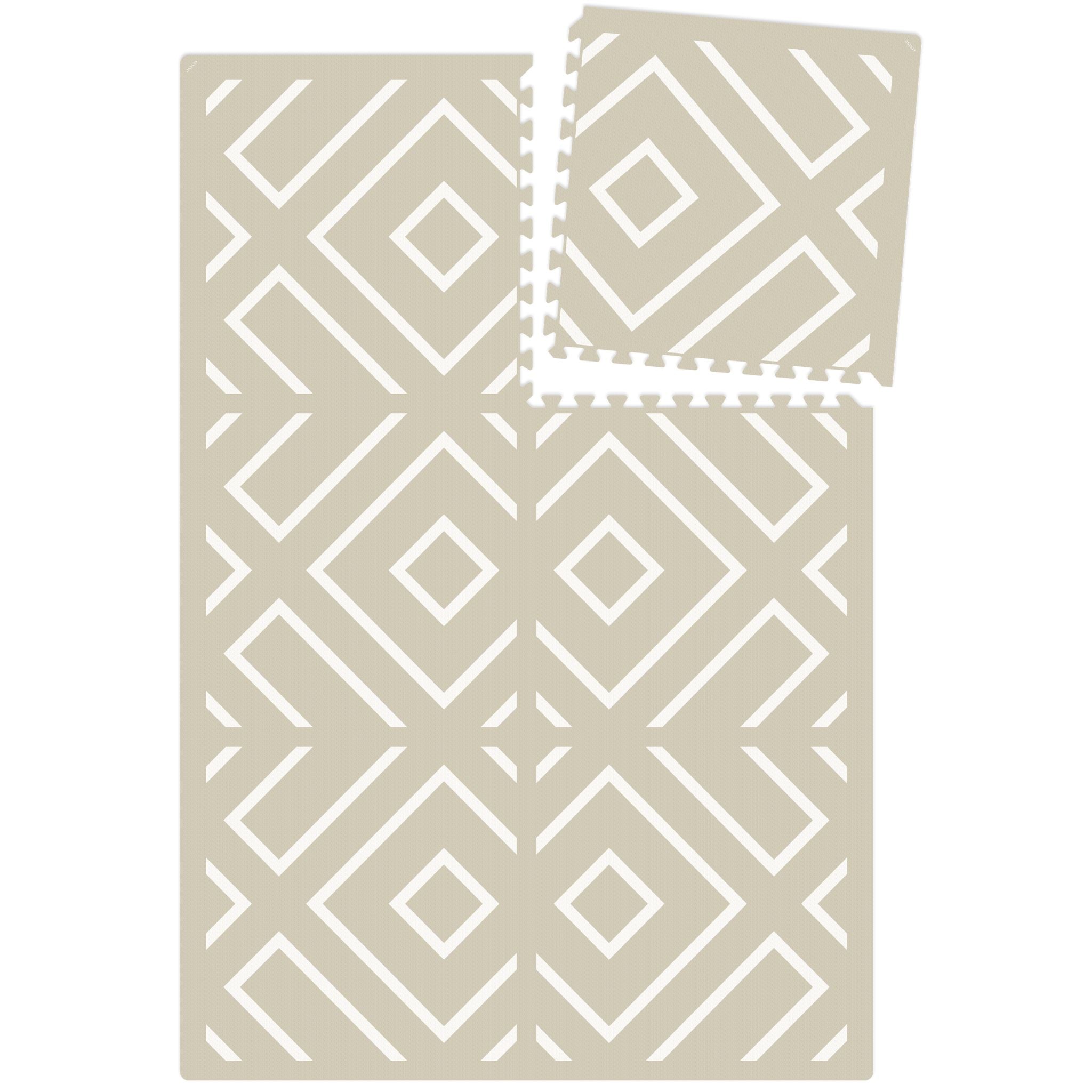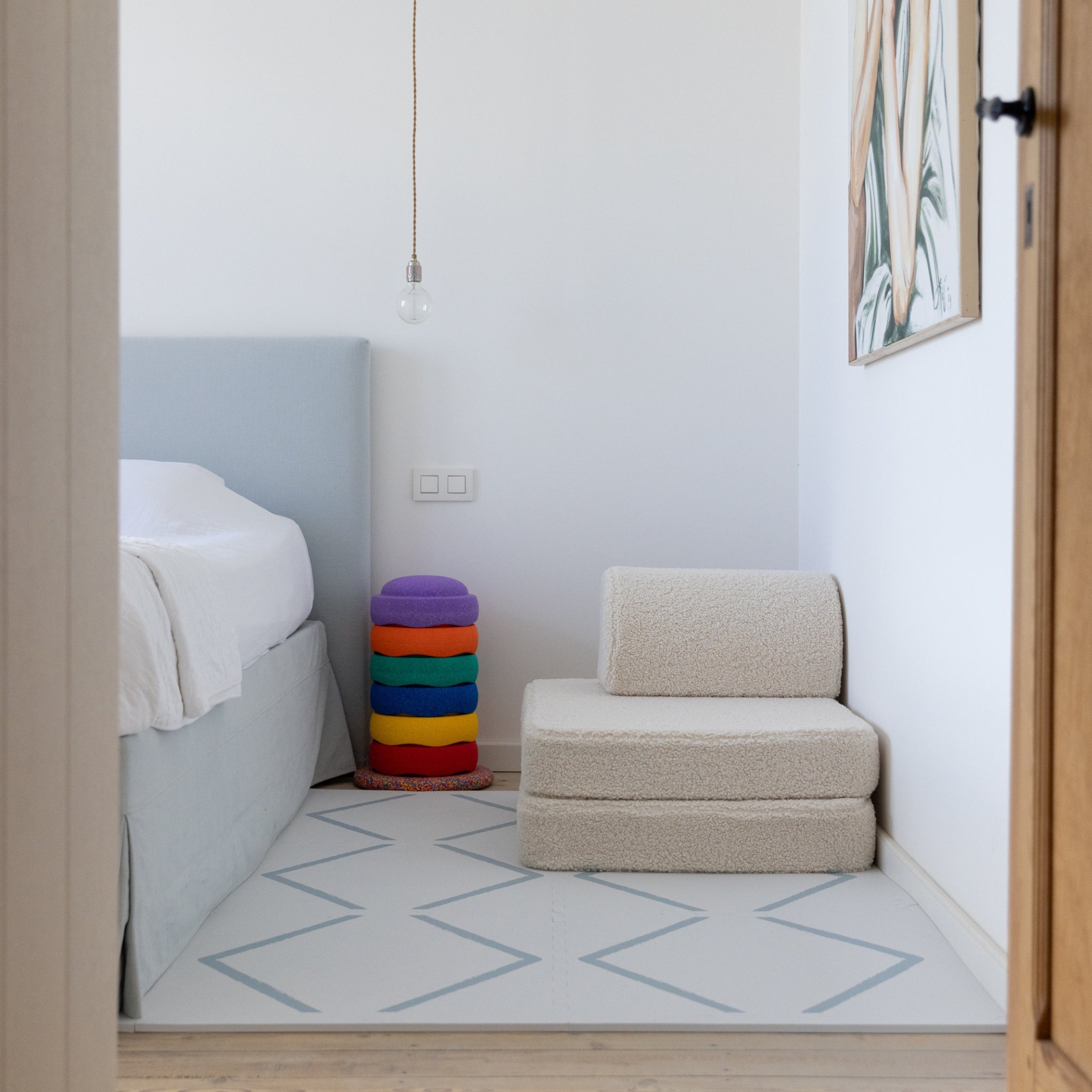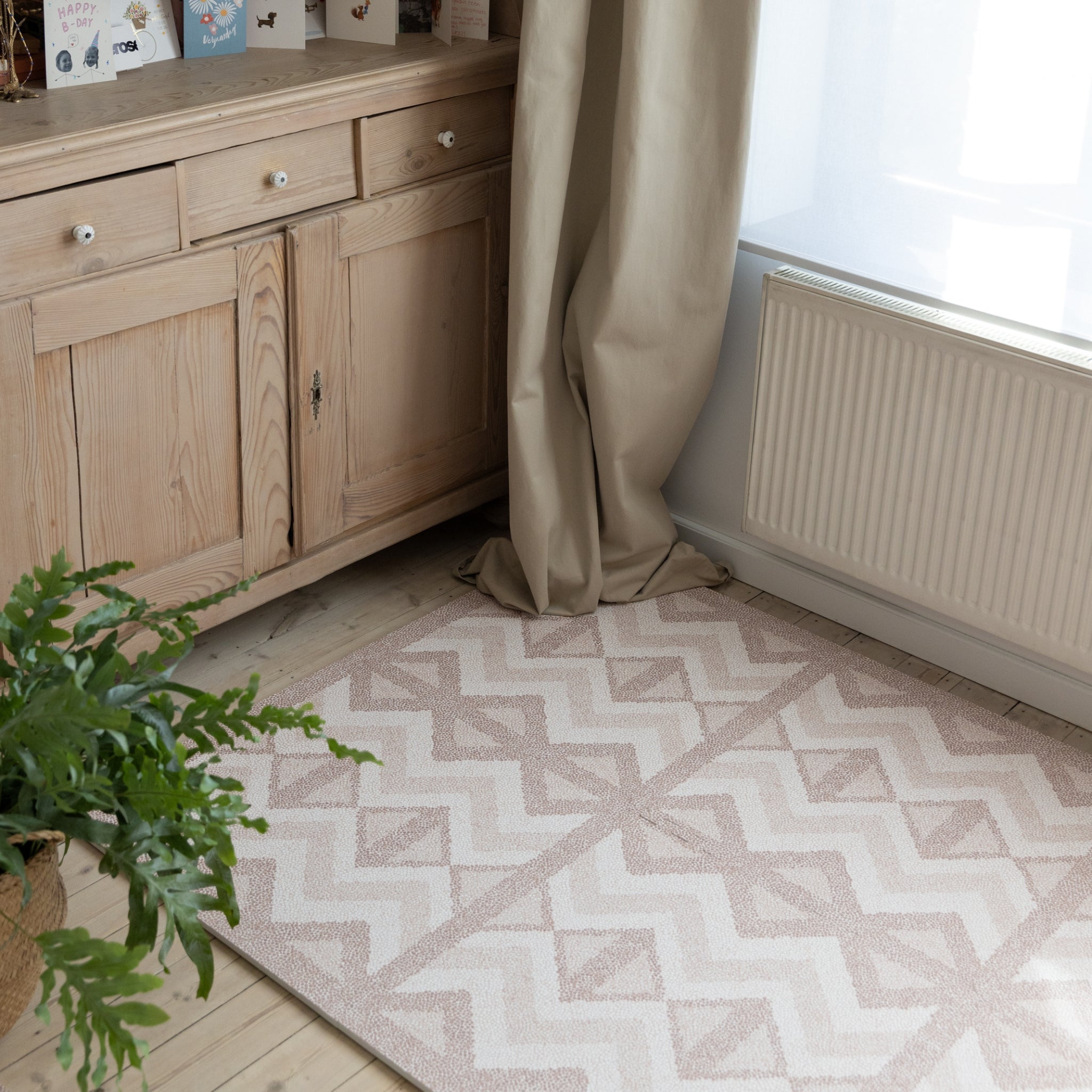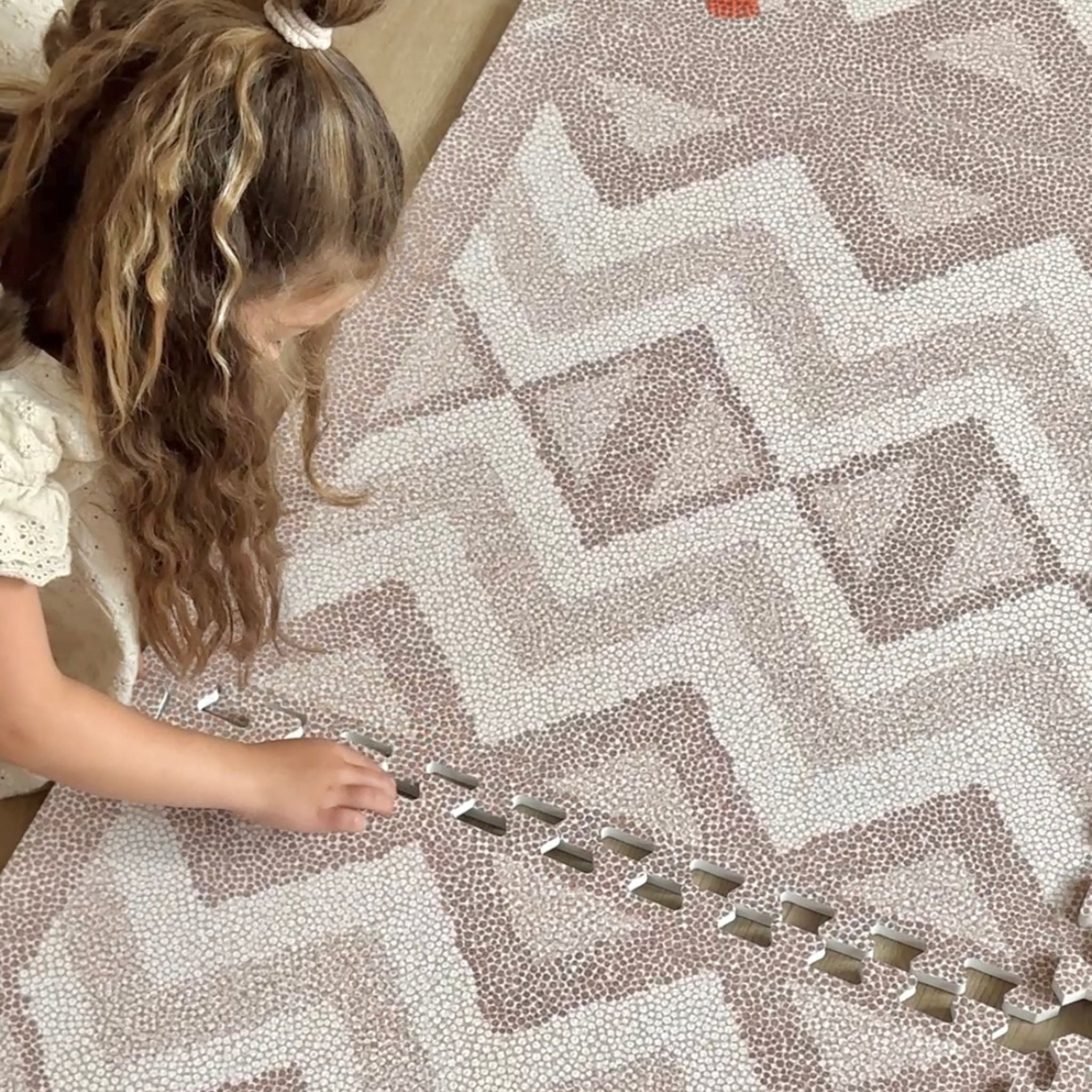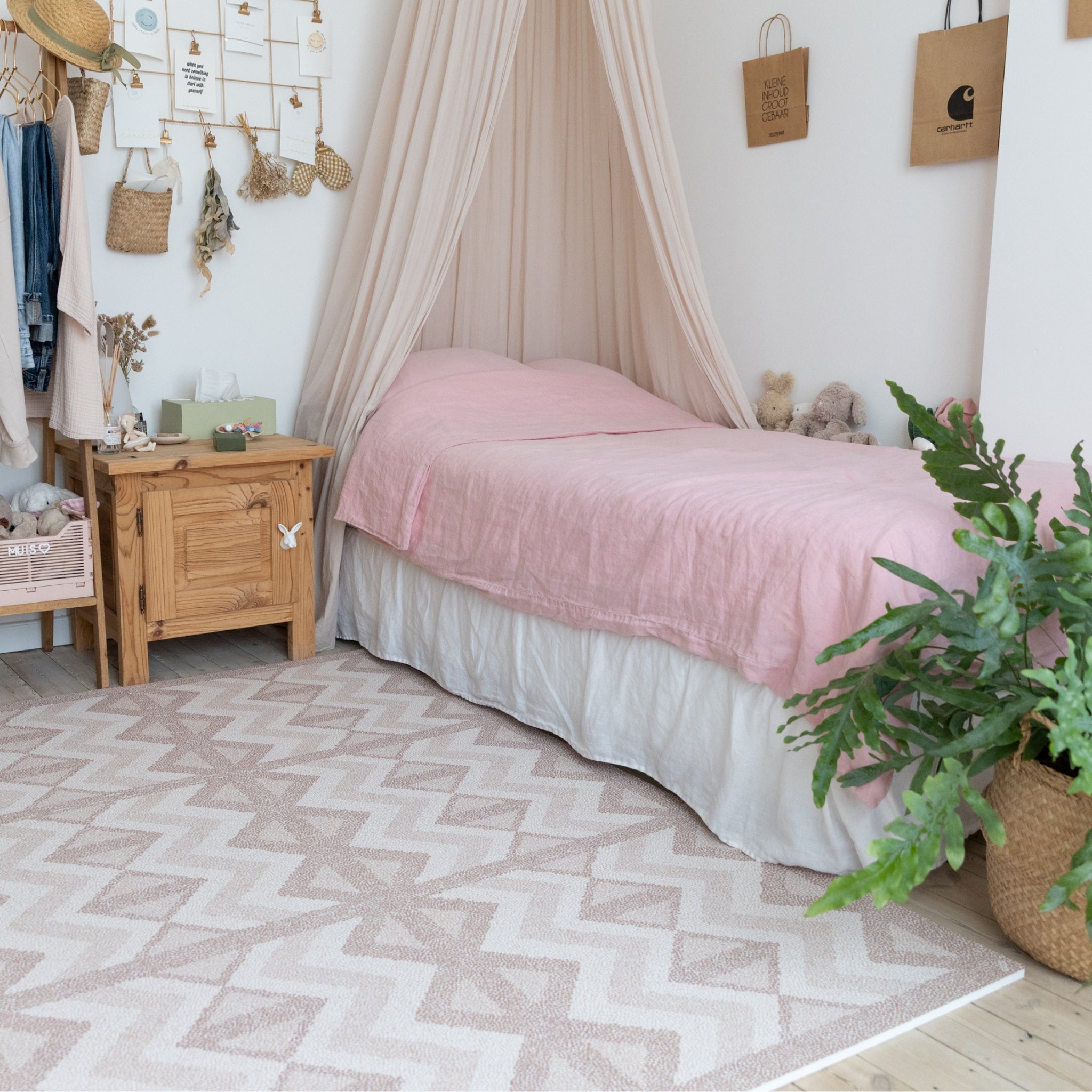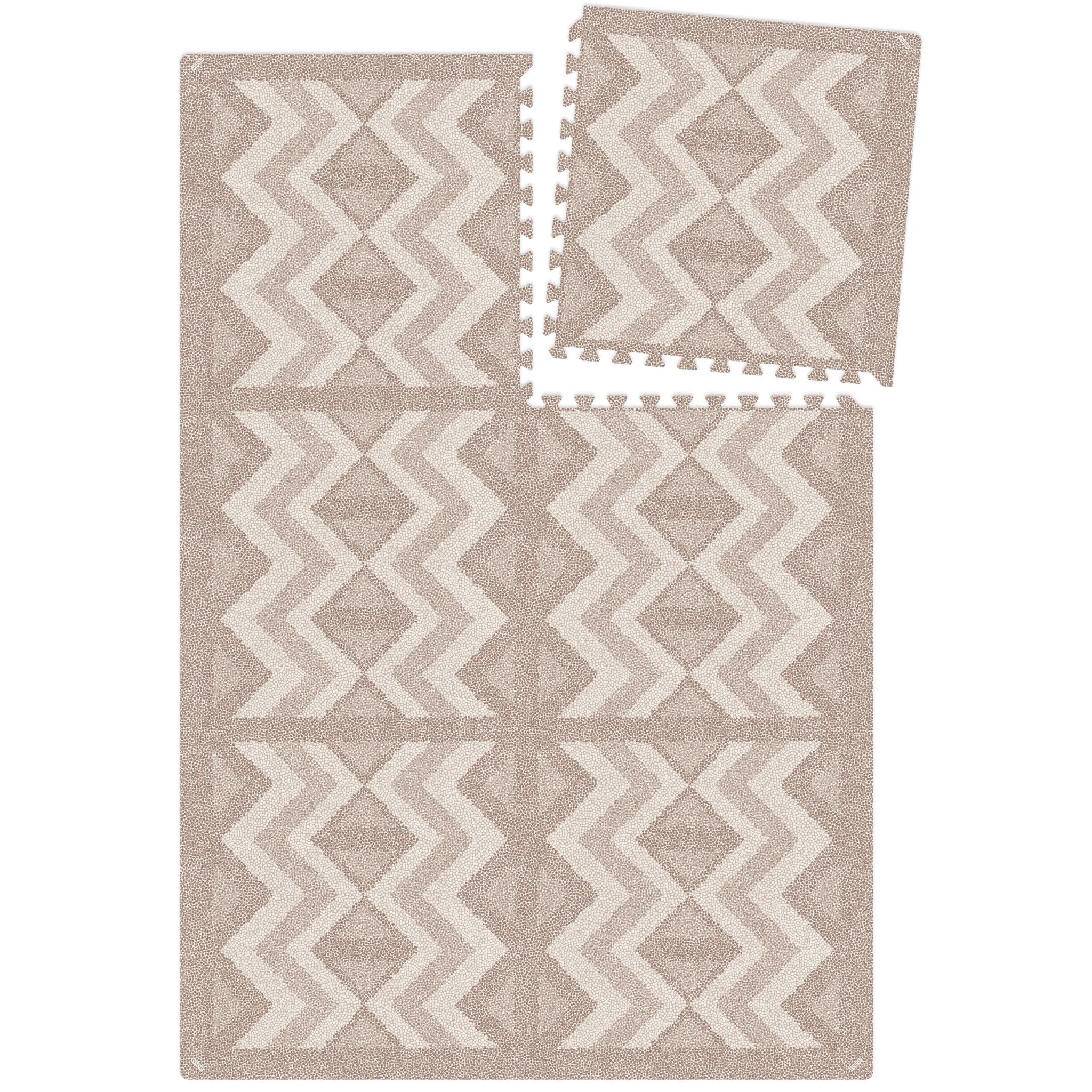
Choosing a baby play mat seems simple, until you realize your baby will spend hours on it every day. From tummy time to crawling and toddler play, the right play mat affects safety, comfort, and hygiene.
Here are the most common mistakes parents make when buying a baby play mat, and how to avoid them.
1. Choosing a Play Mat That Isn’t Truly Non-Toxic
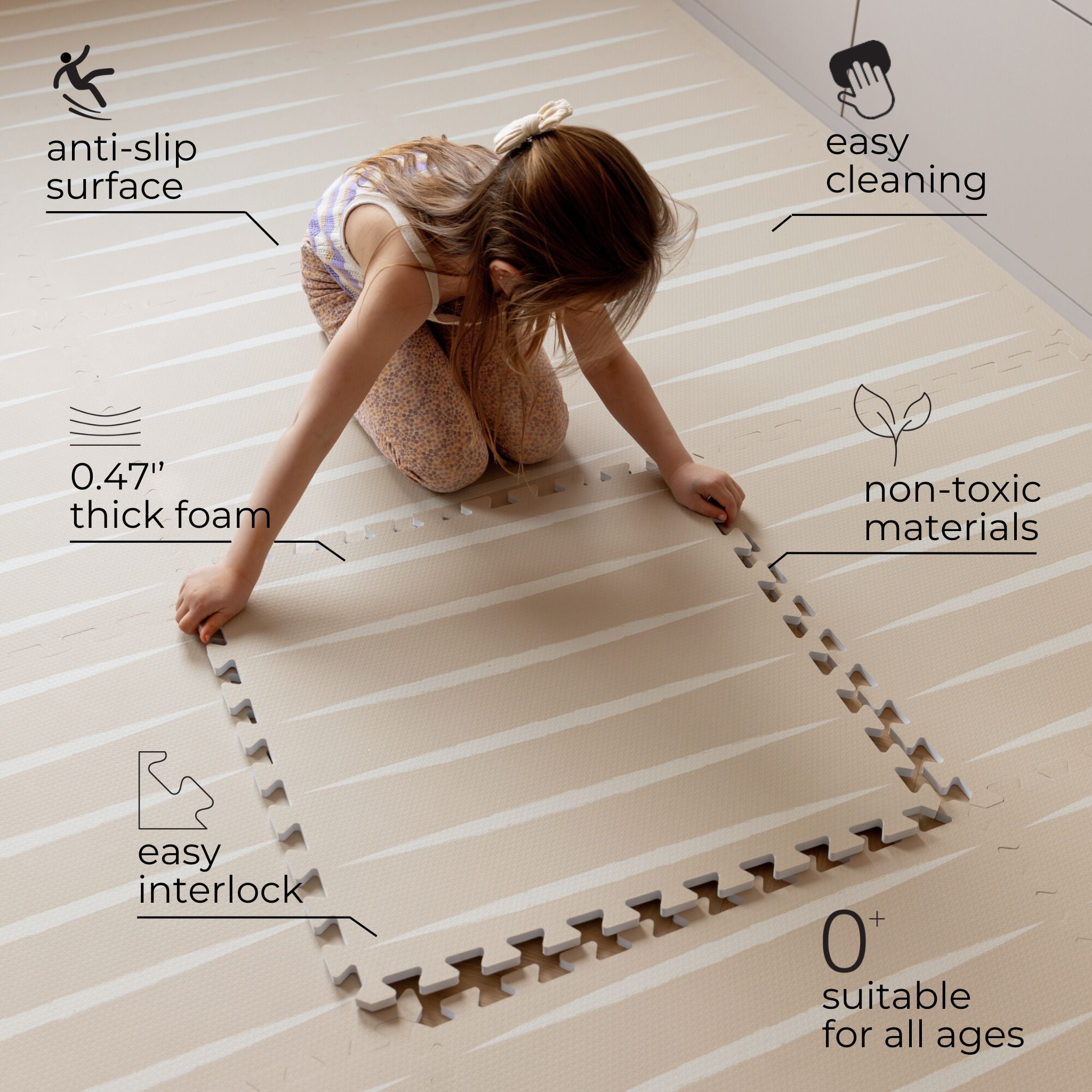
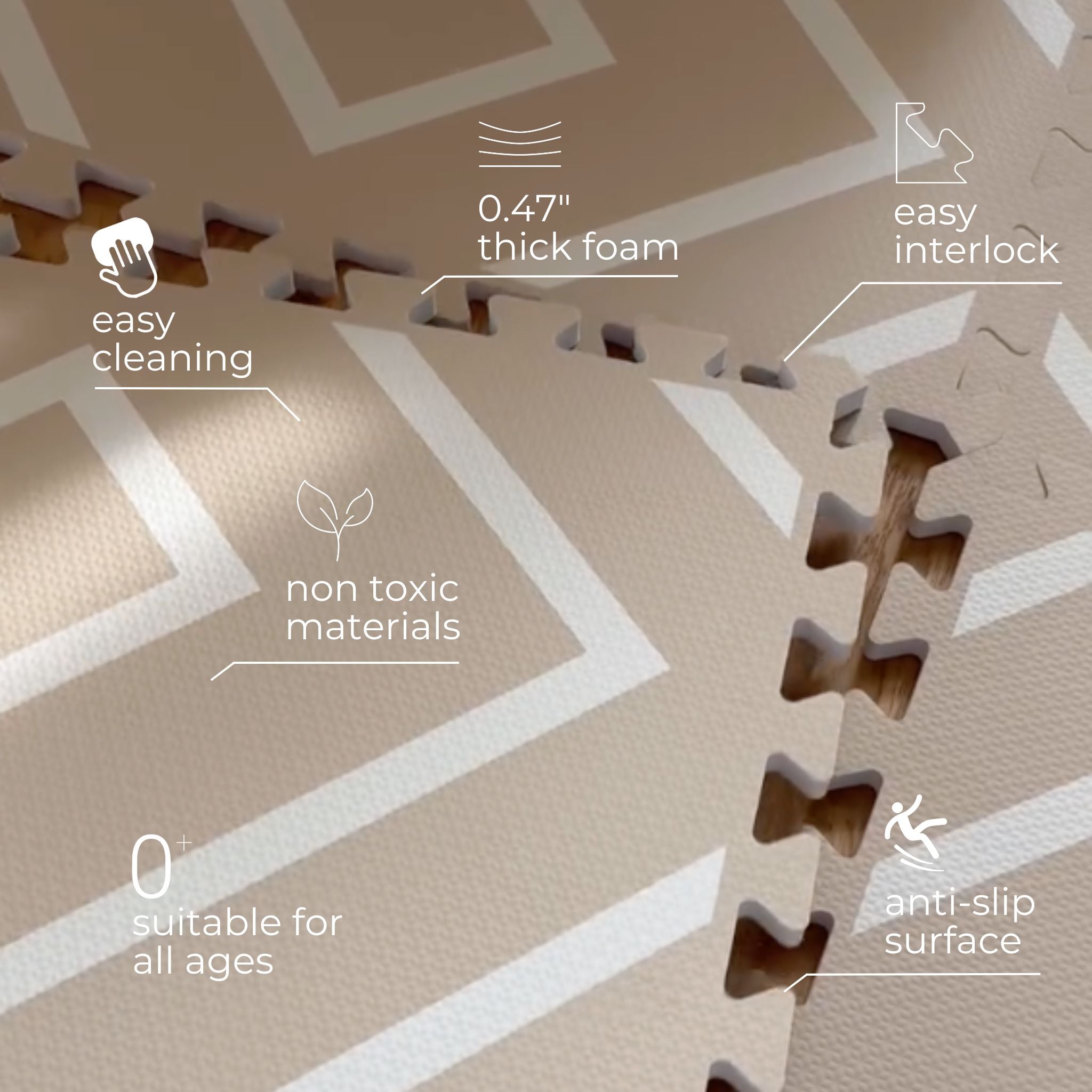
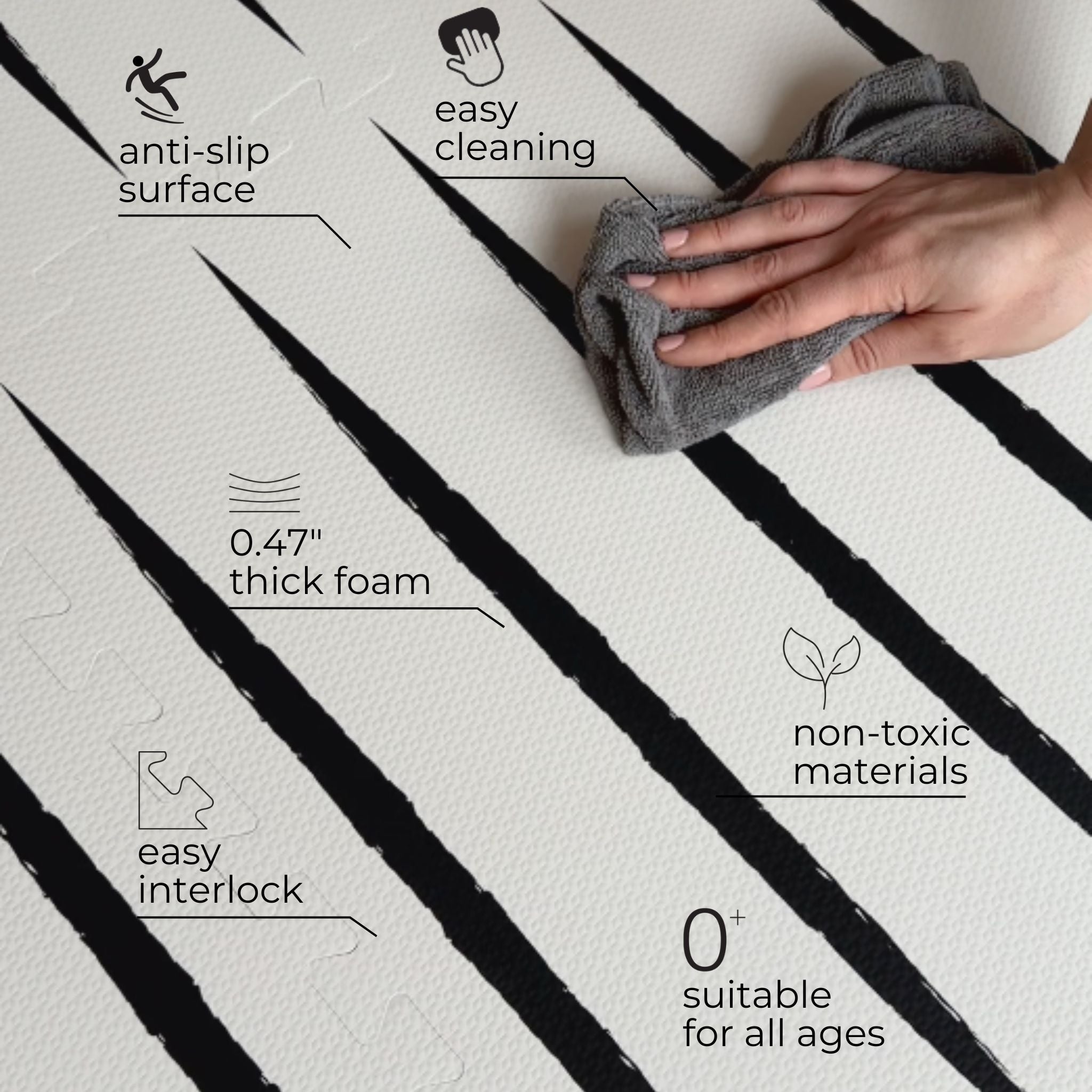
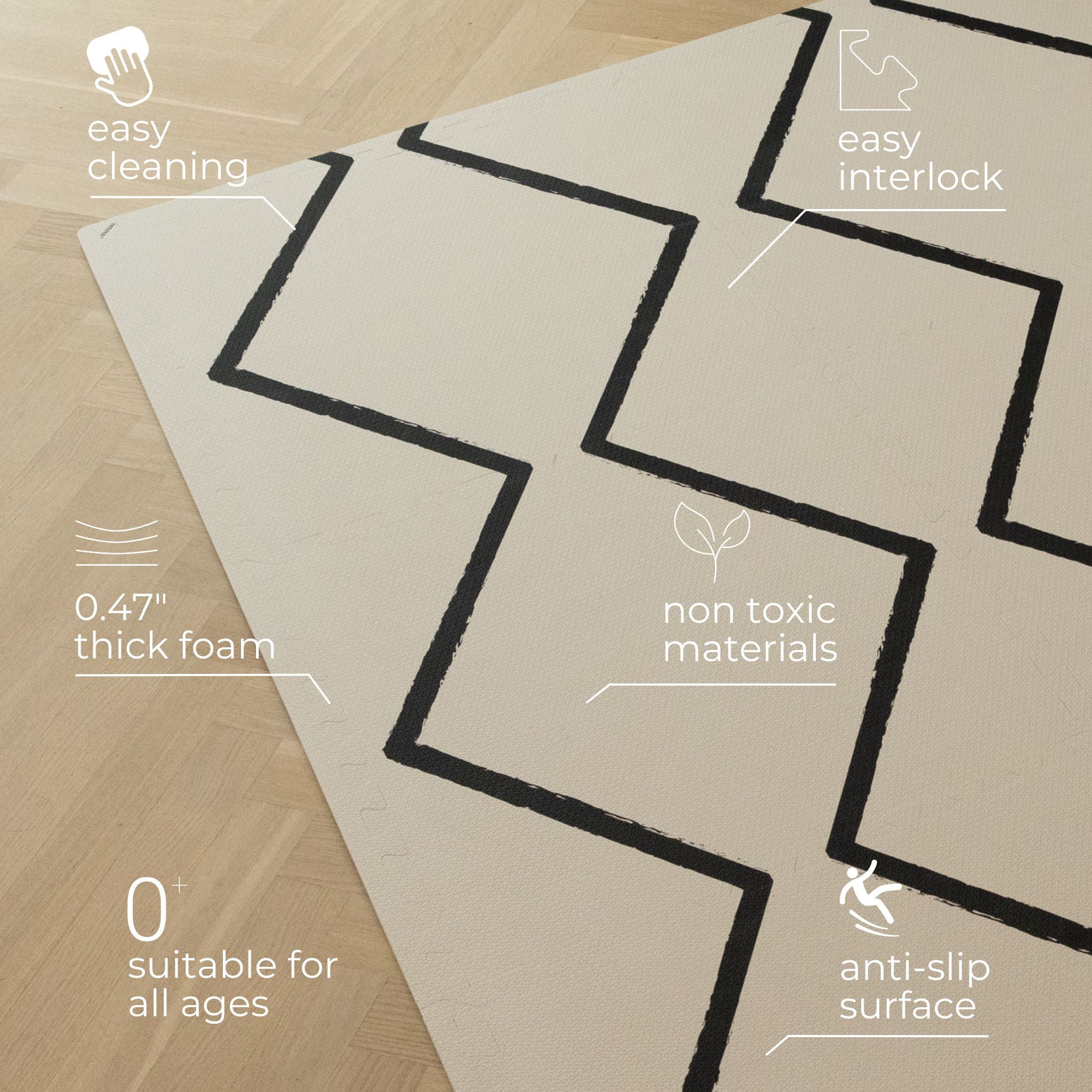
Many play mats are marketed as “safe,” but still contain PVC, formamide, or harmful chemical coatings.
Why this matters:
Babies touch, roll, and mouth the surface constantly. Even low exposure adds up.
What to look for instead:
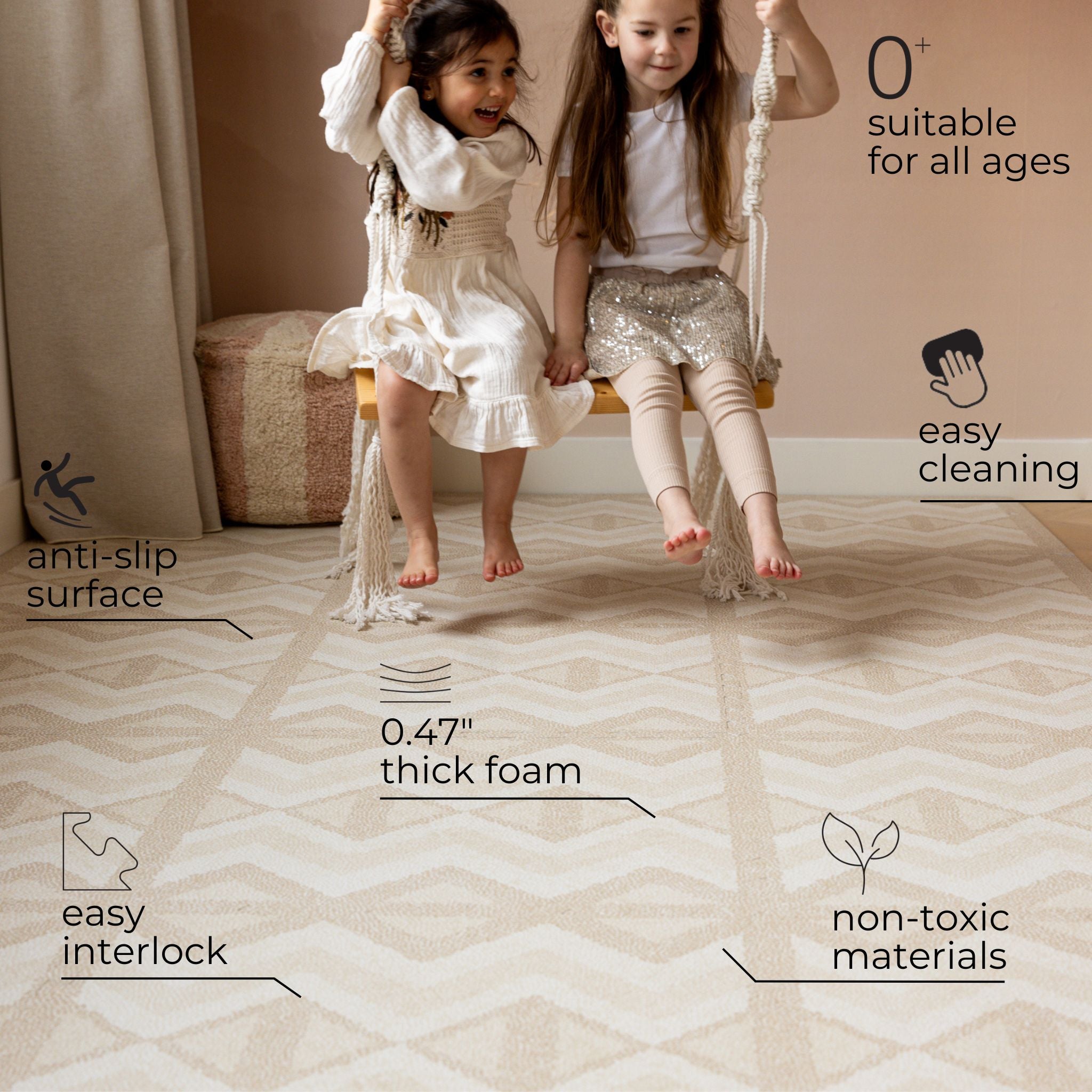
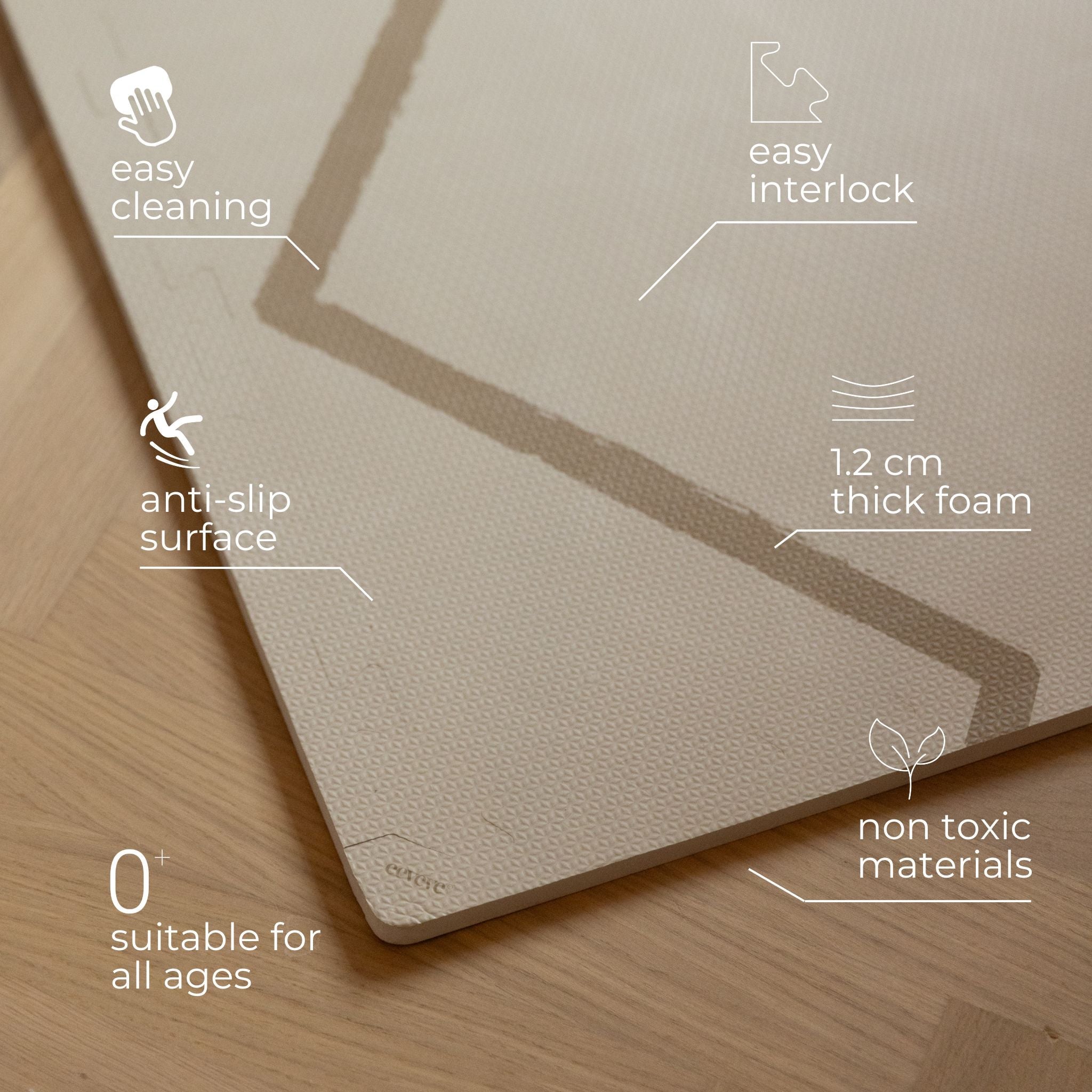
- Certified non-toxic materials
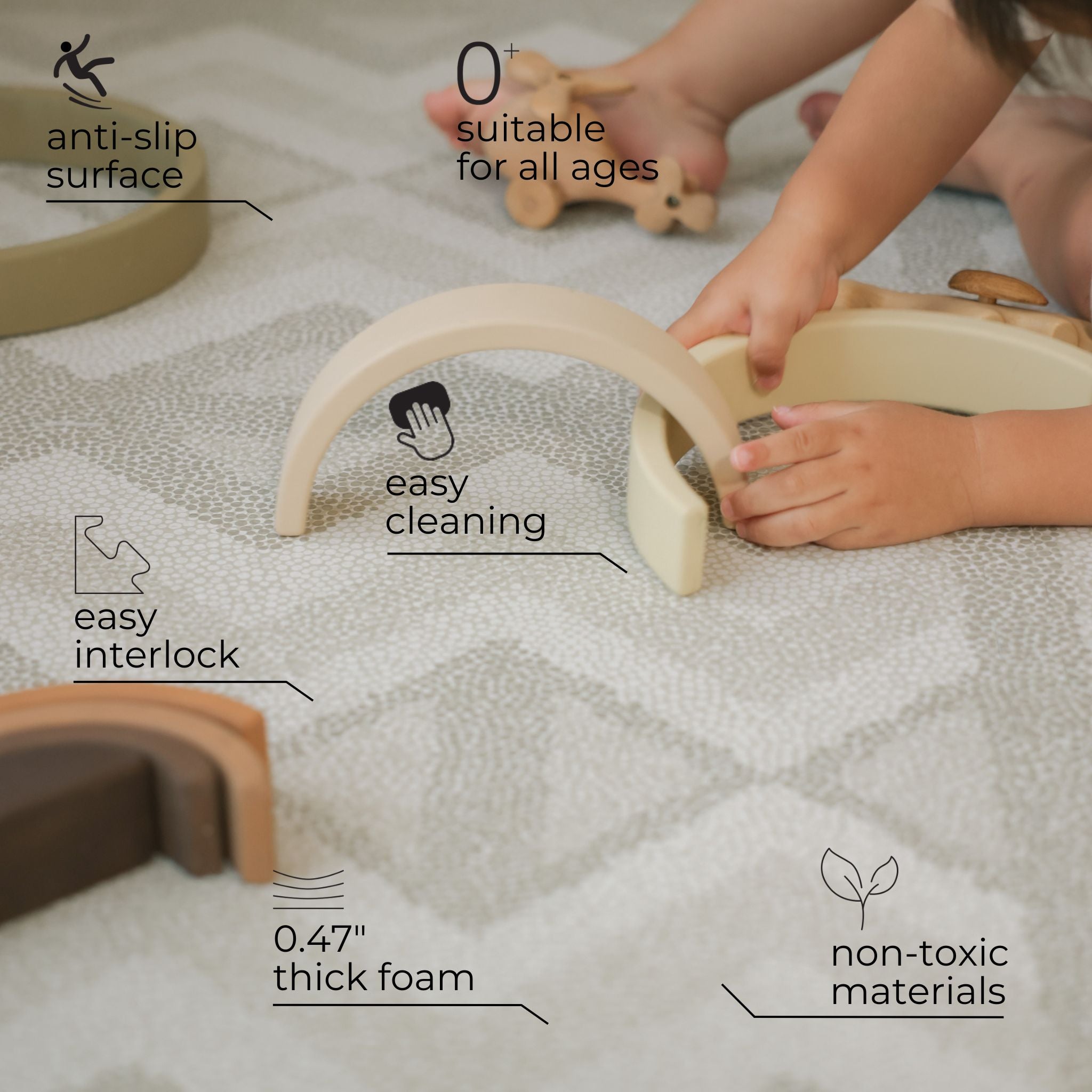
- No PVC, BPA, phthalates, or formamide
- Tested to US safety standards
👉 A non-toxic play mat should protect your baby, not introduce hidden risks.
2. Buying a Mat That’s Too Thin for Crawling & Falls
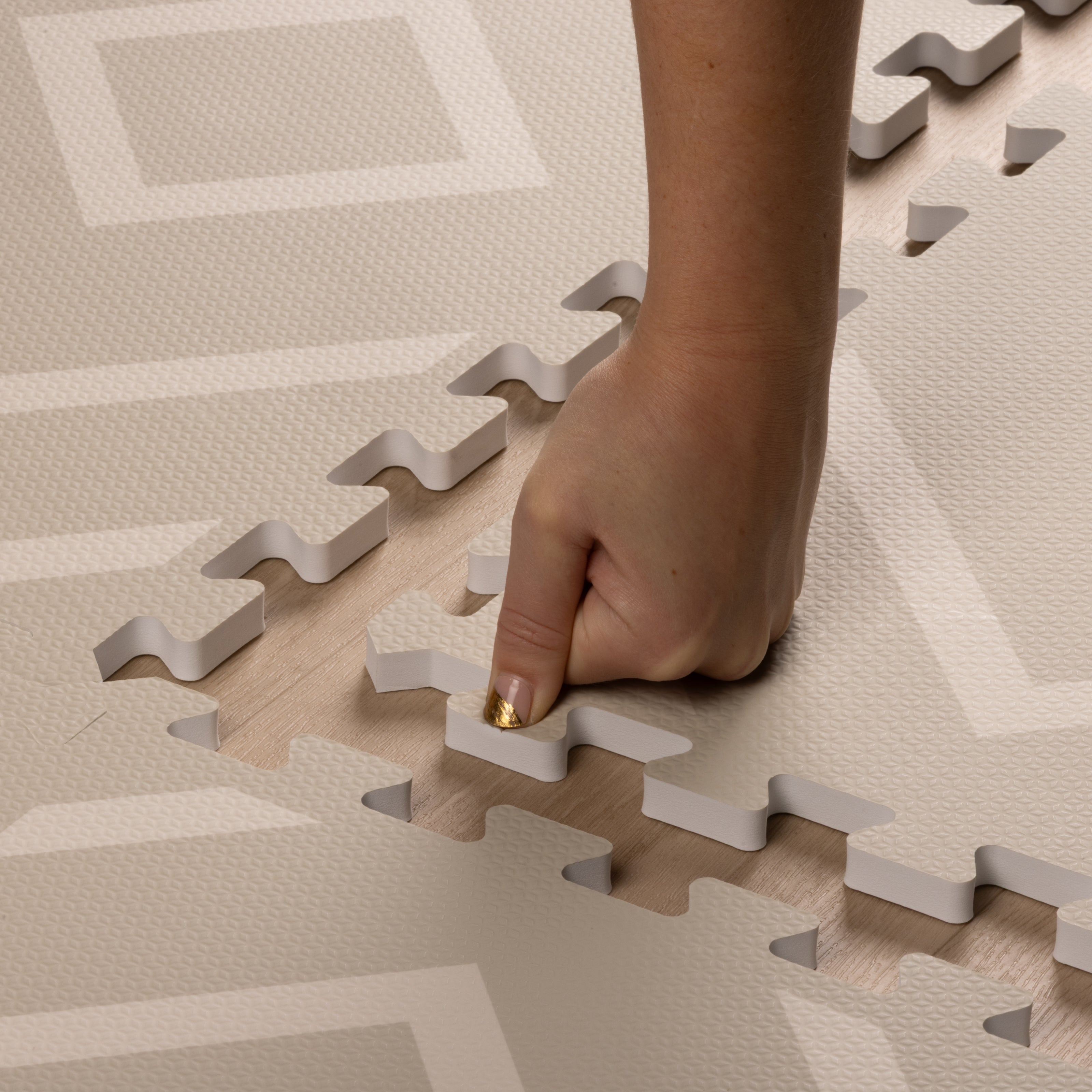
Thin mats may look fine, but they don’t absorb impact when babies start rolling, sitting, or crawling.
Common issue:
Parents focus on price or appearance and ignore thickness.
What works better:
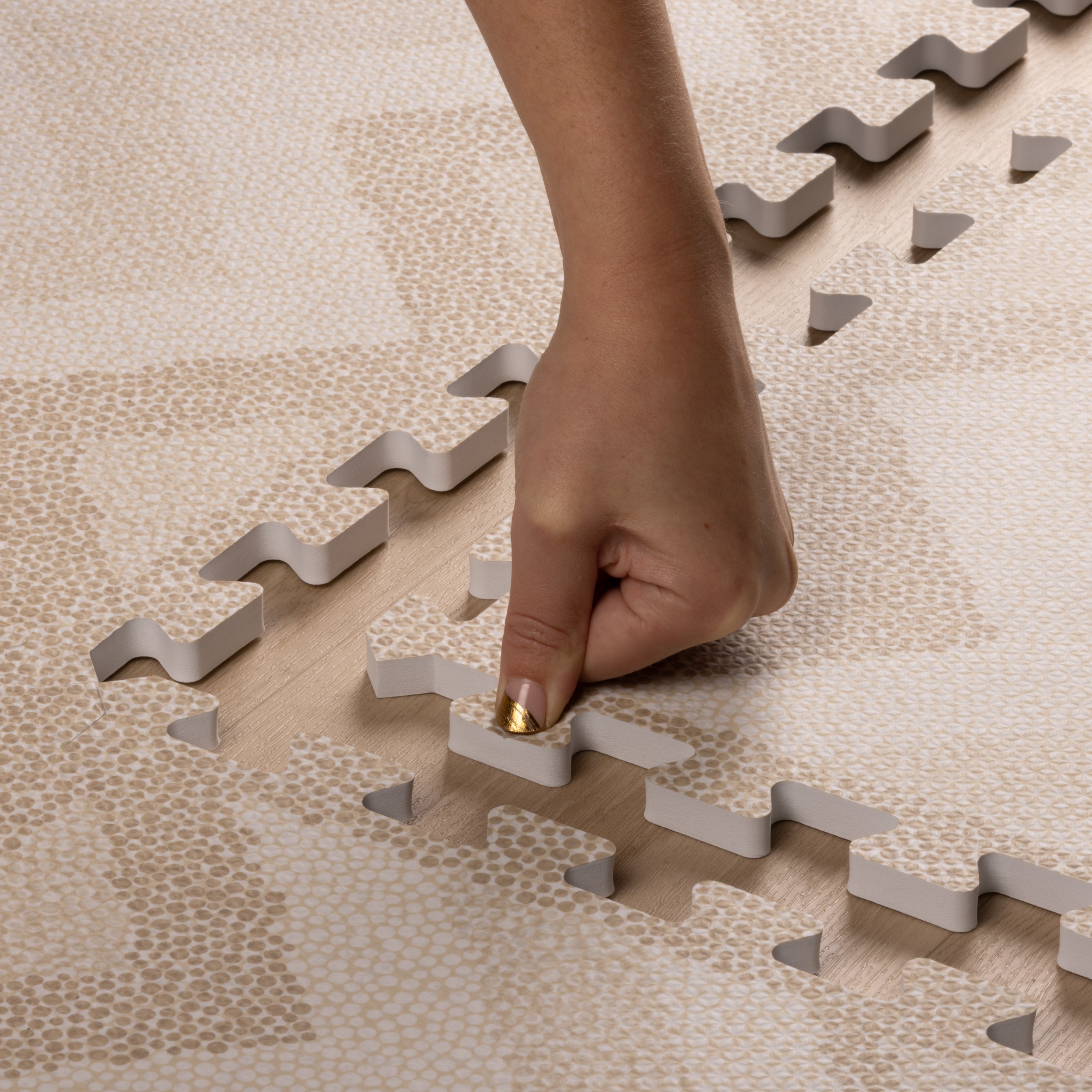
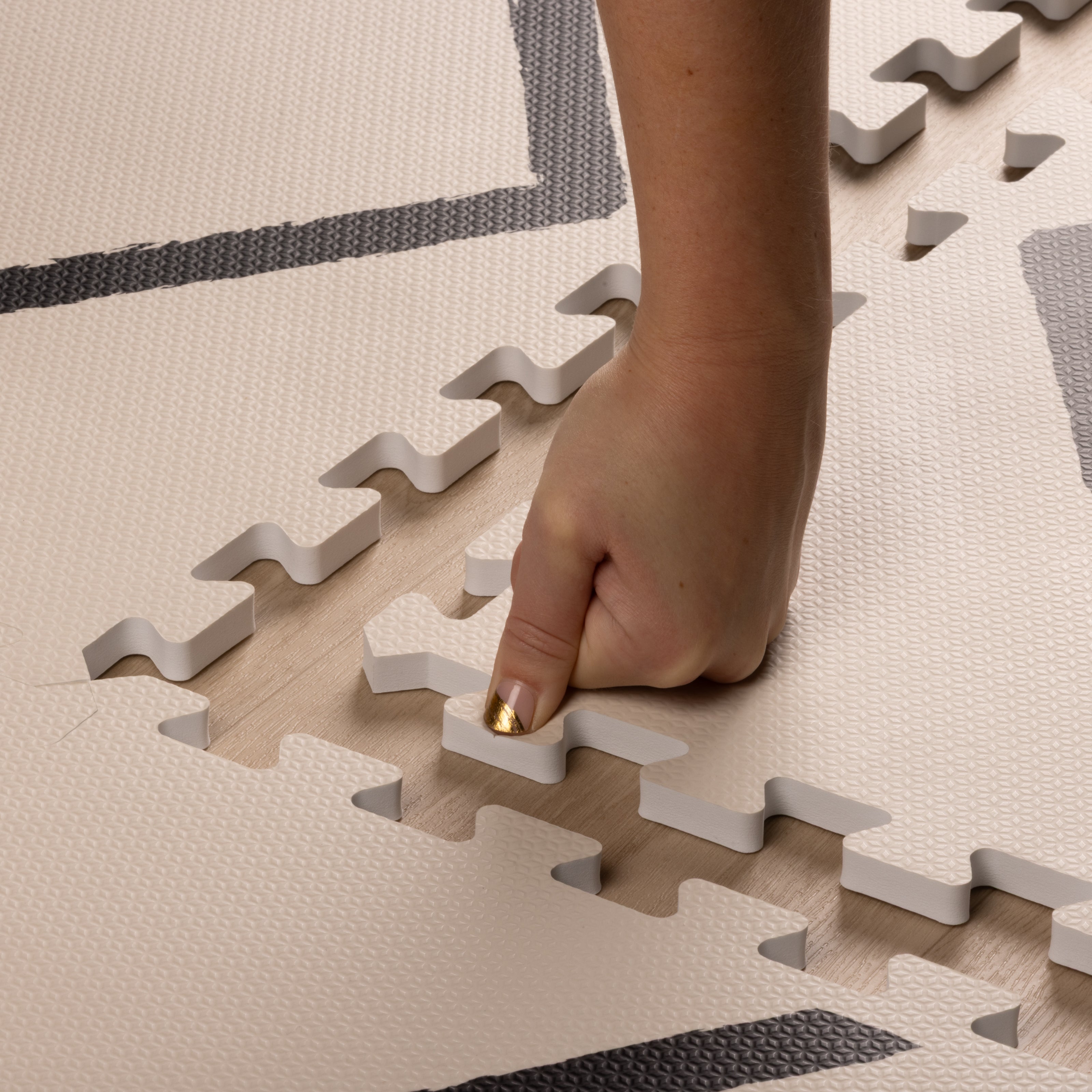
- Cushioned foam designed for falls
- Support for knees, wrists, and early steps
- Enough density to prevent floor impact
A proper play mat should feel comfortable even on hard floors.
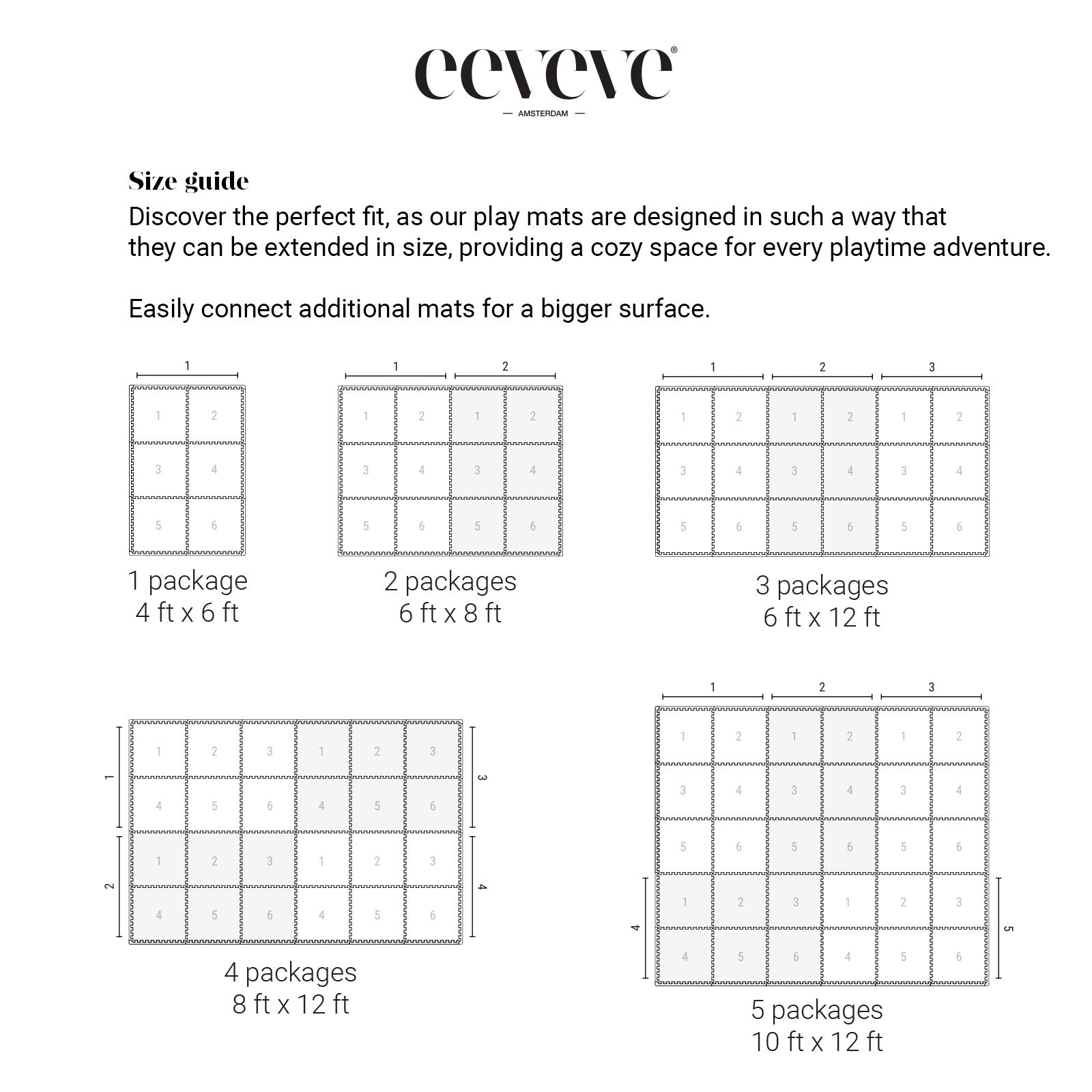
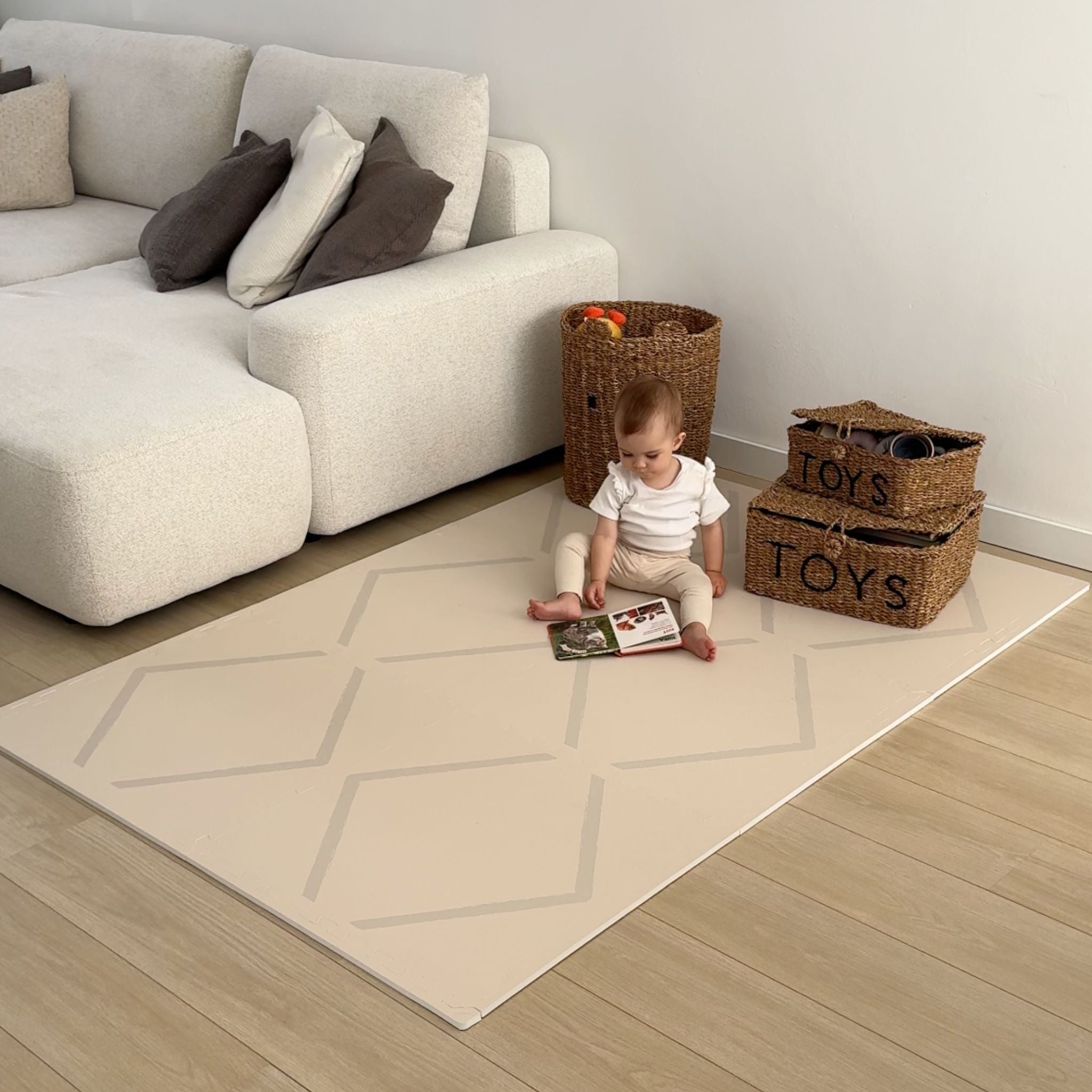
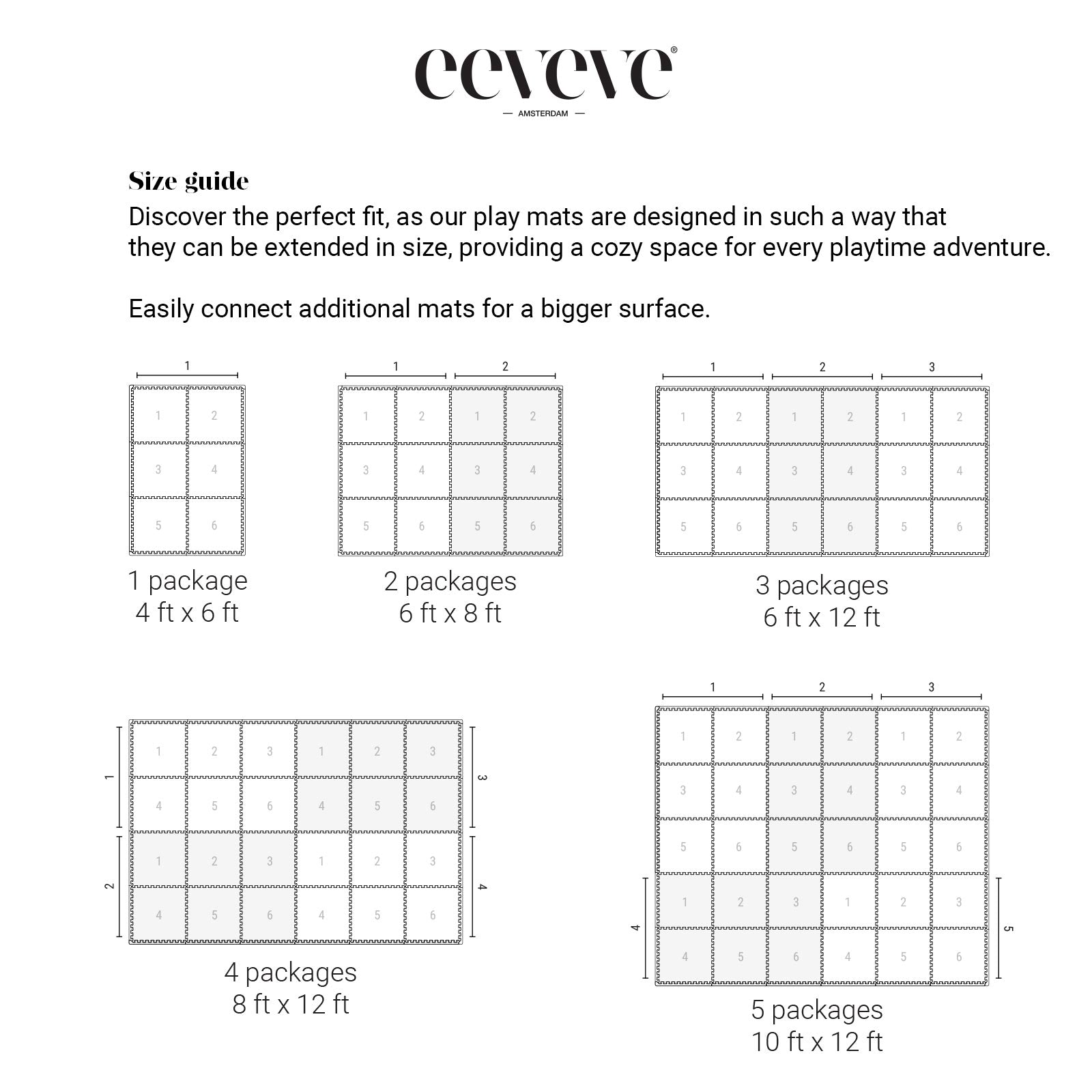
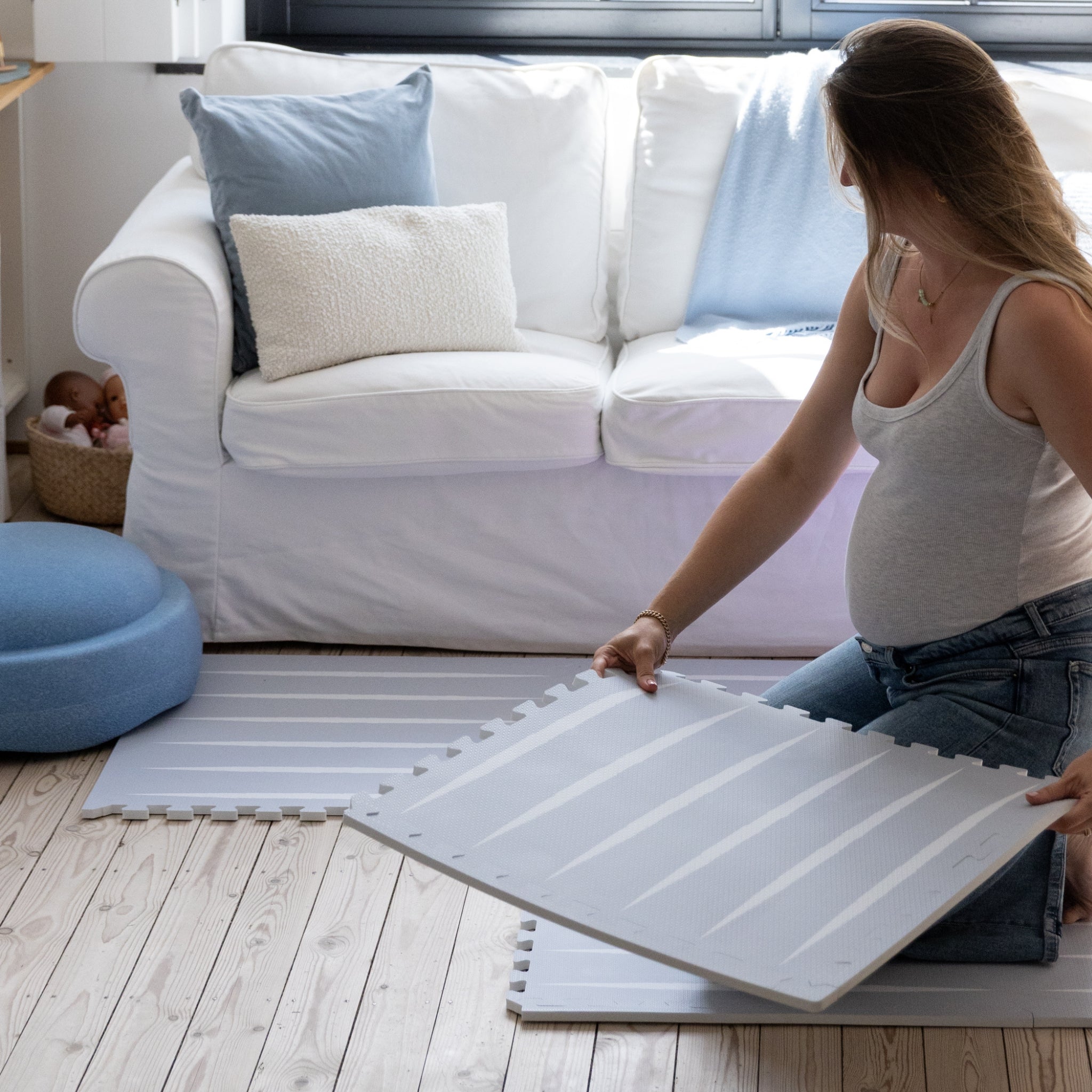
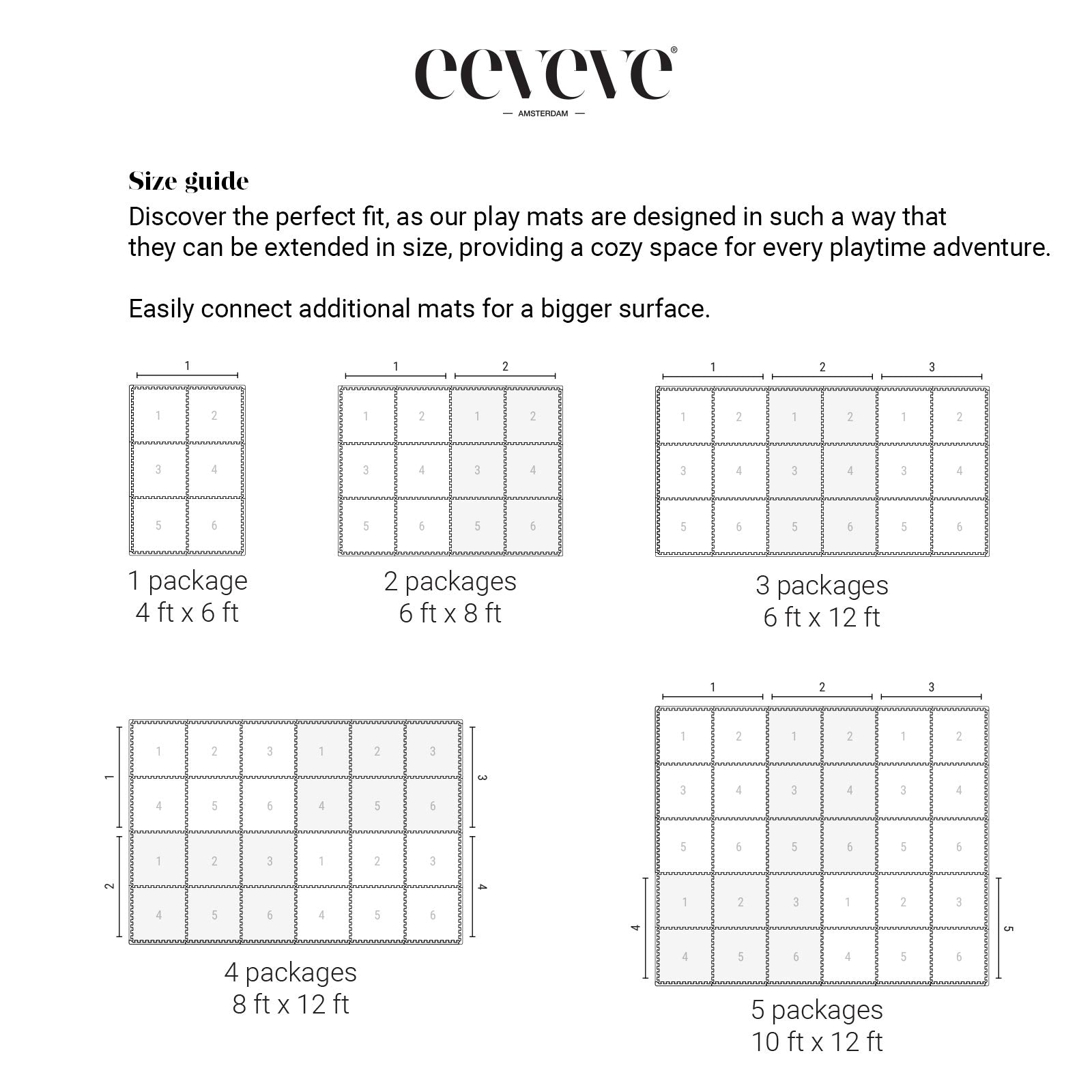
3. Ignoring Size & Layout for Real Homes
Many parents buy a mat that’s either:
- Too small to be useful
- Too large and awkward for the space
Mistake: Not measuring the actual play area.
Better approach:
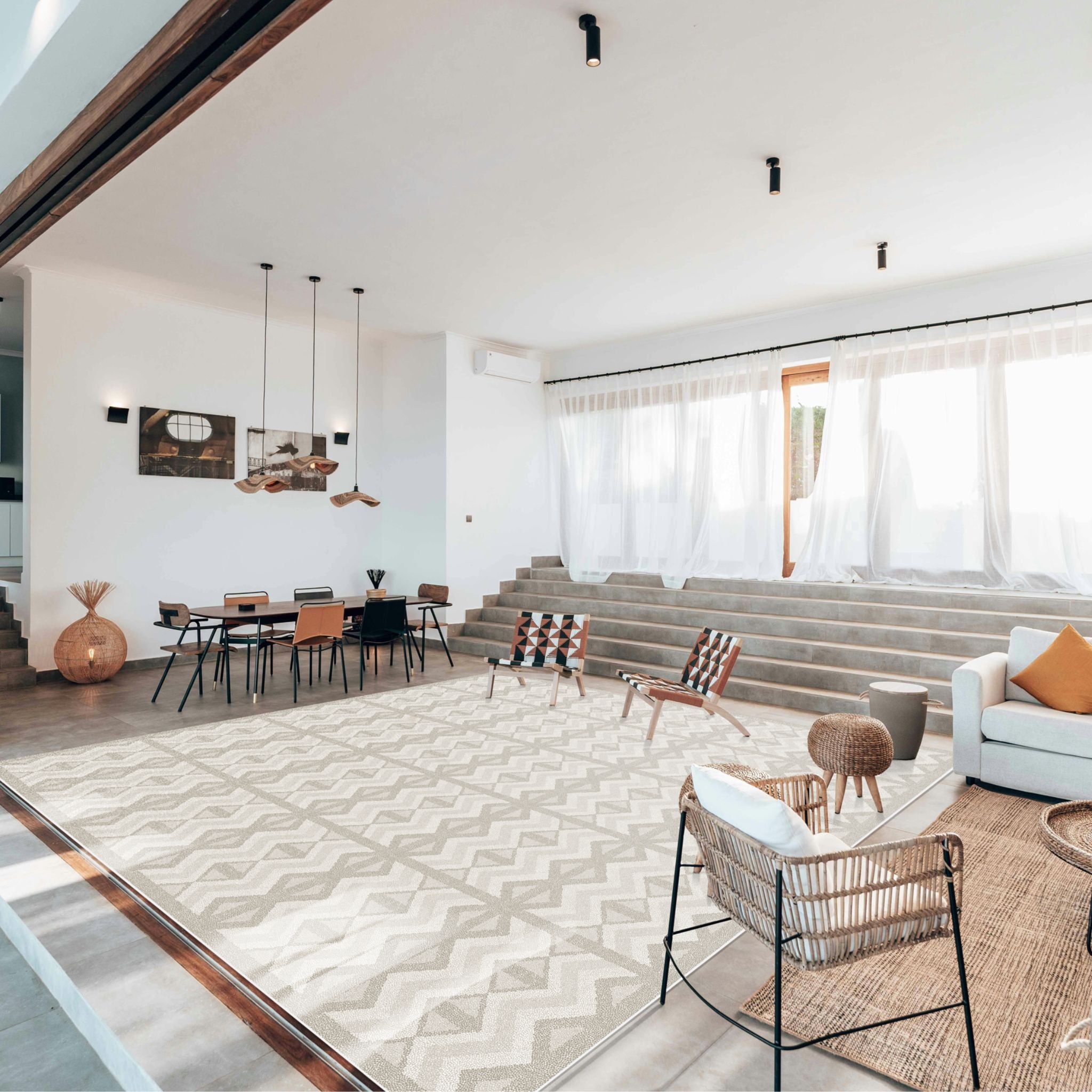
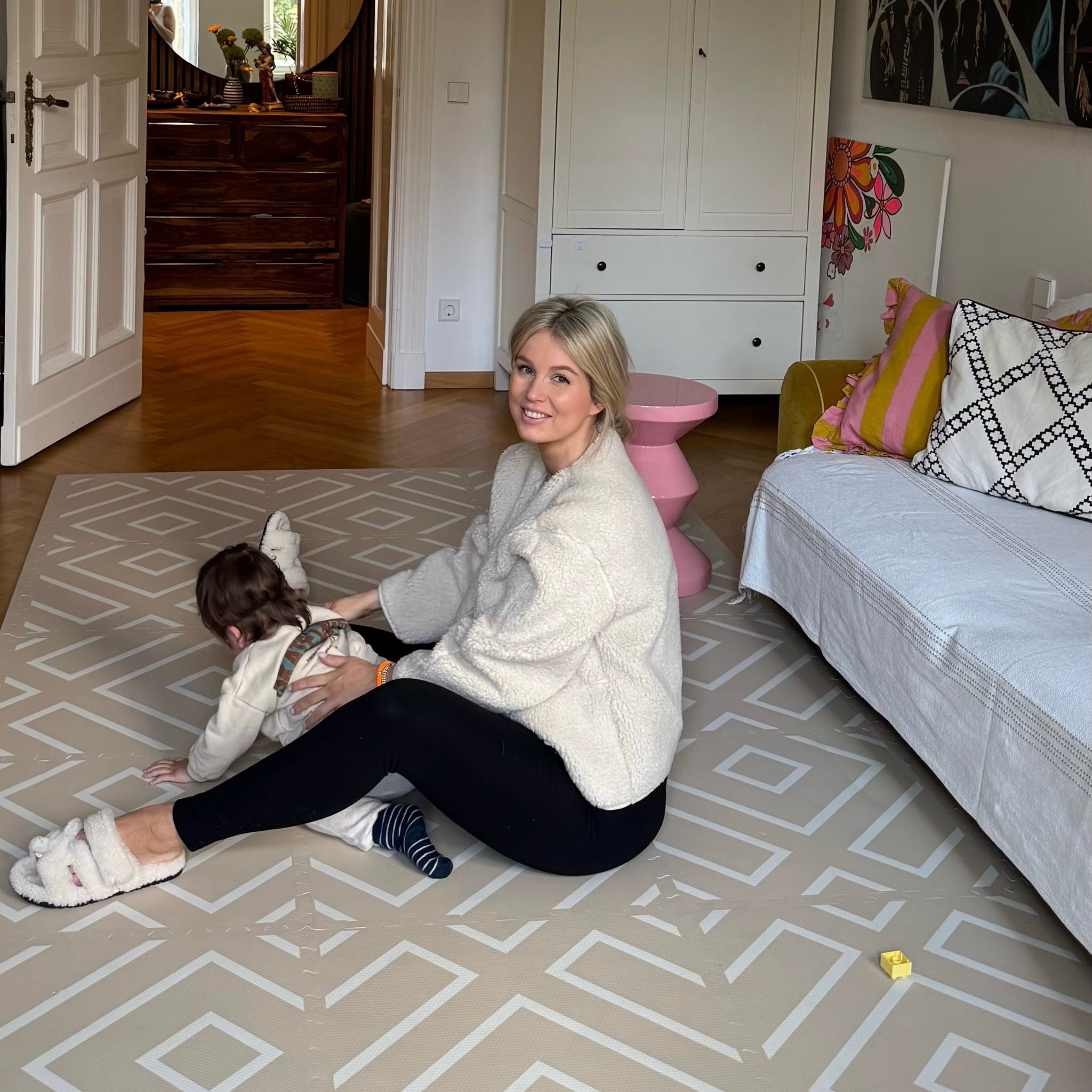
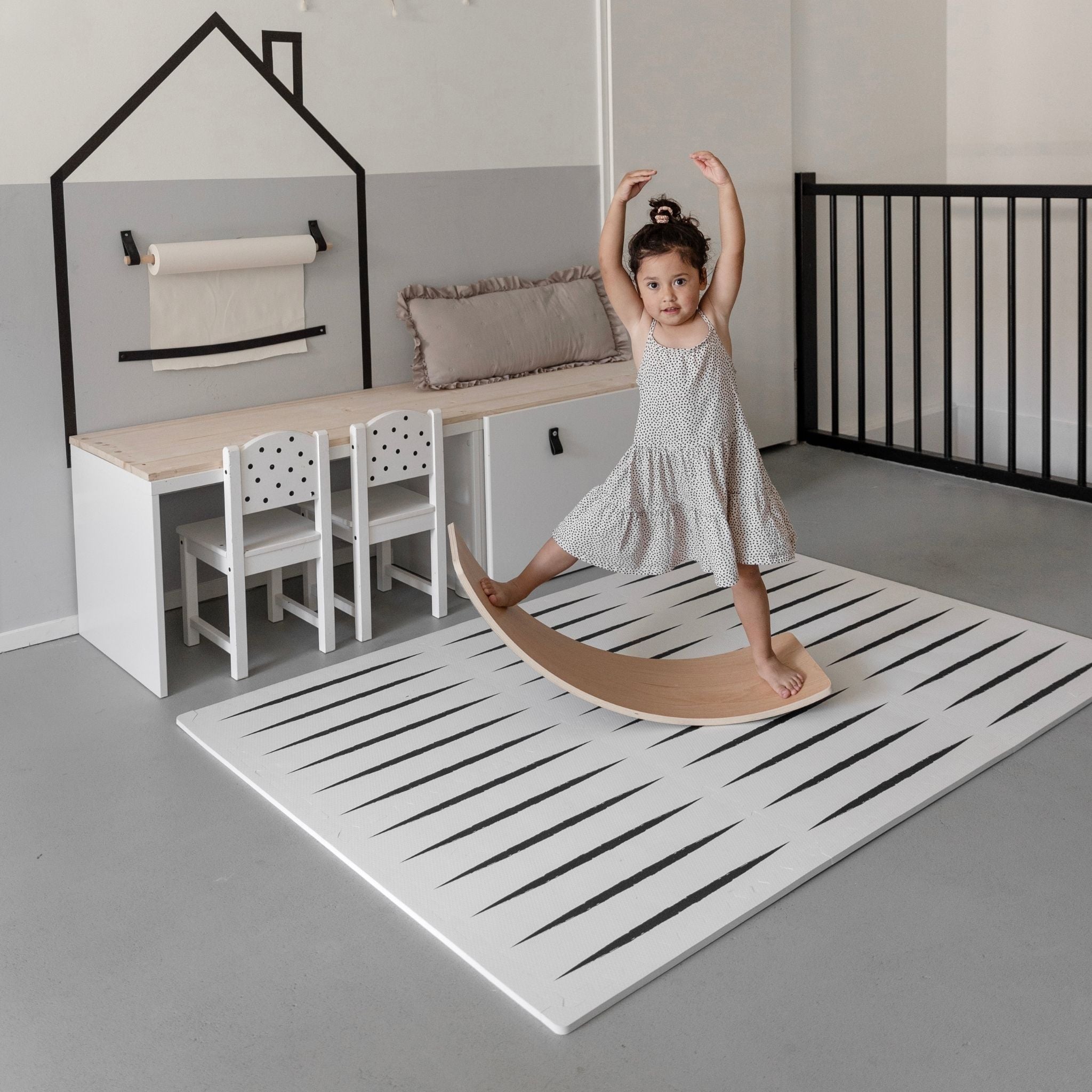
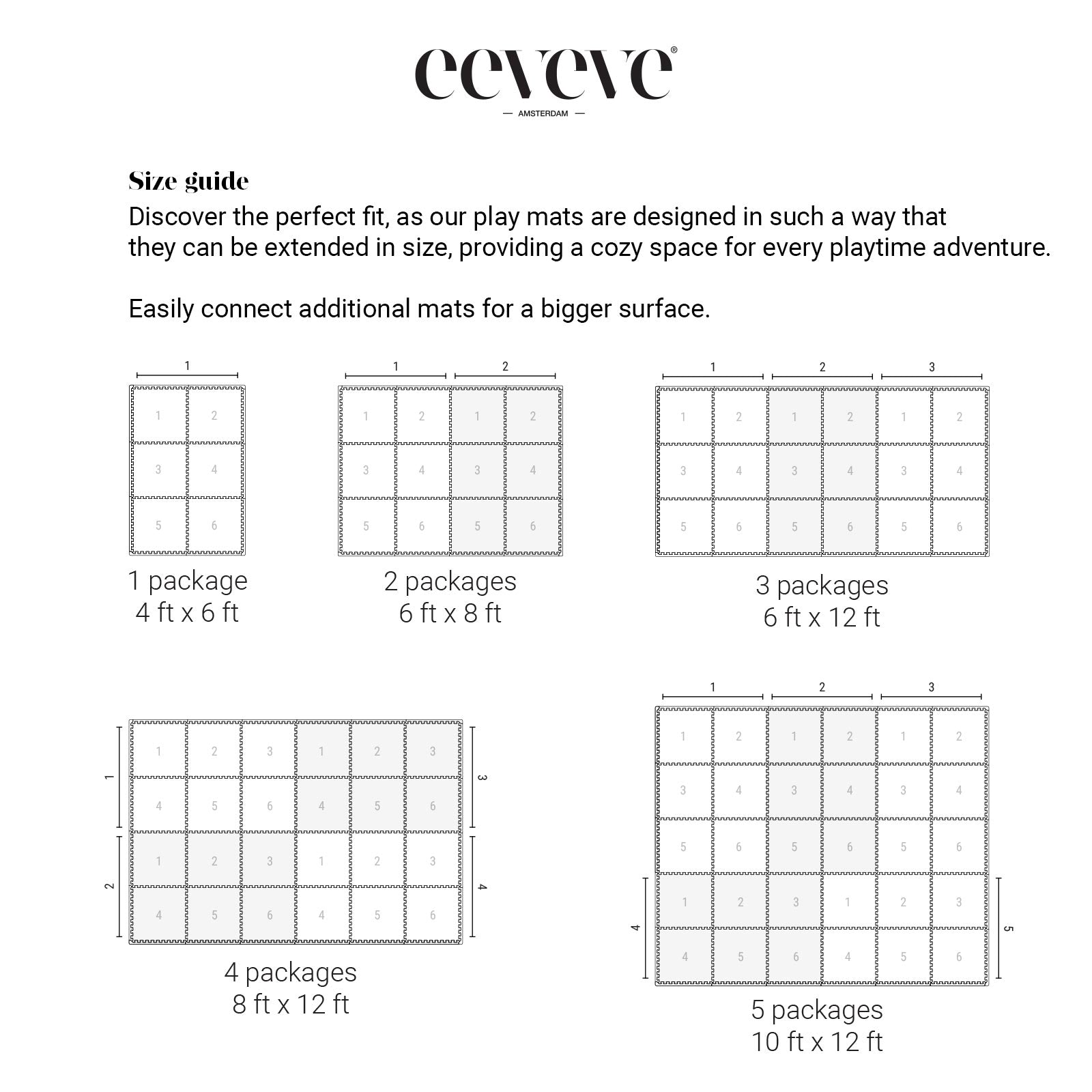
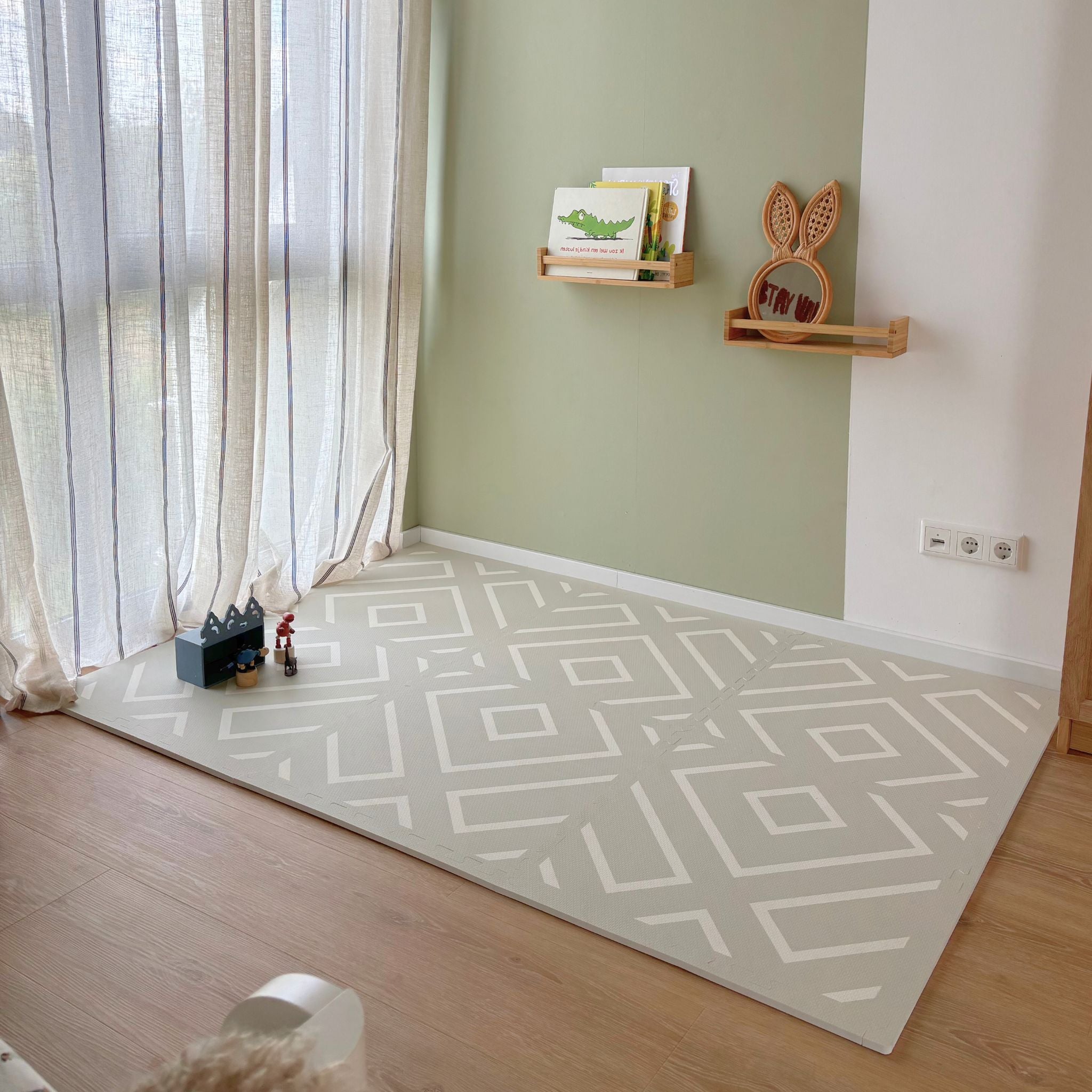
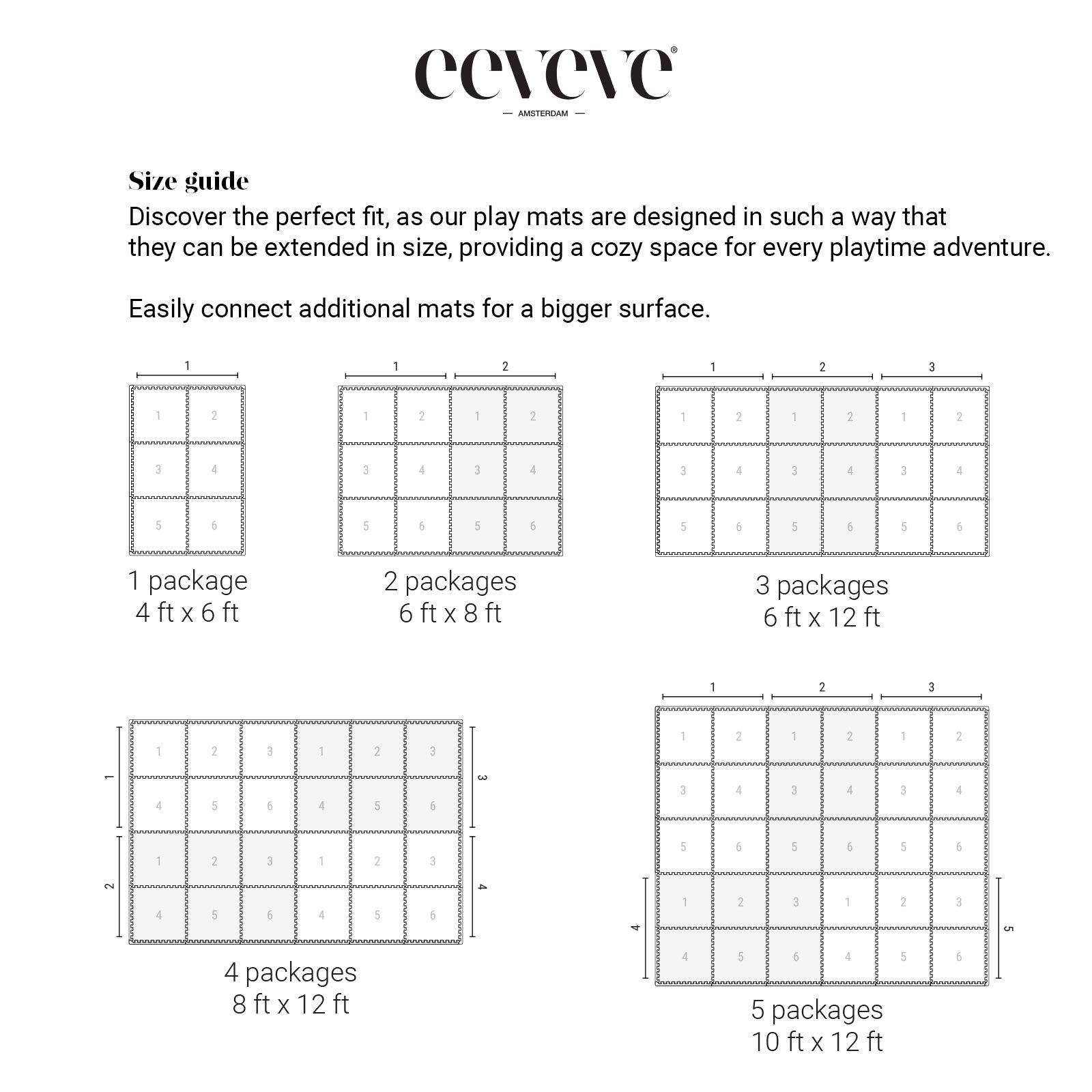
- Measure your living room or nursery space
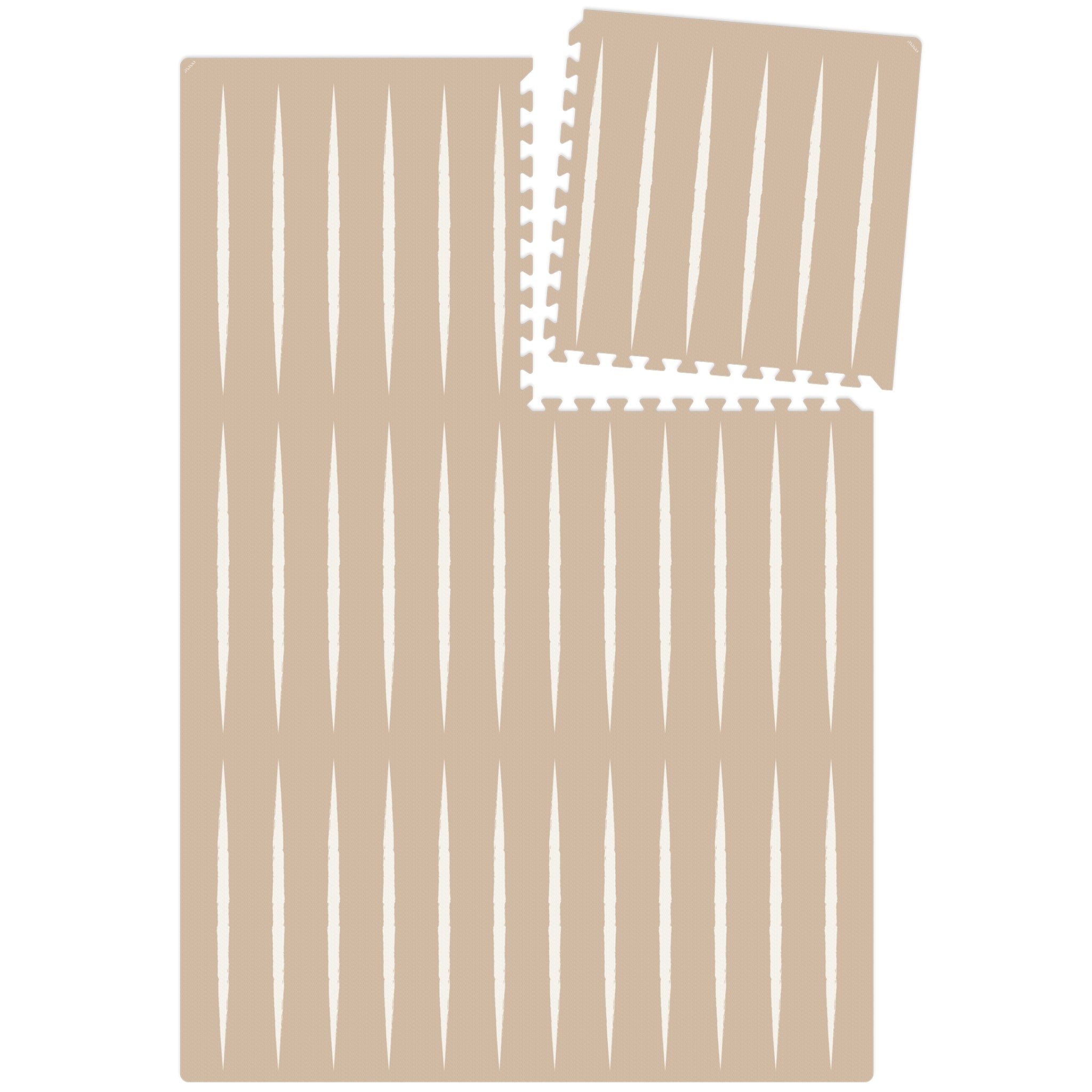
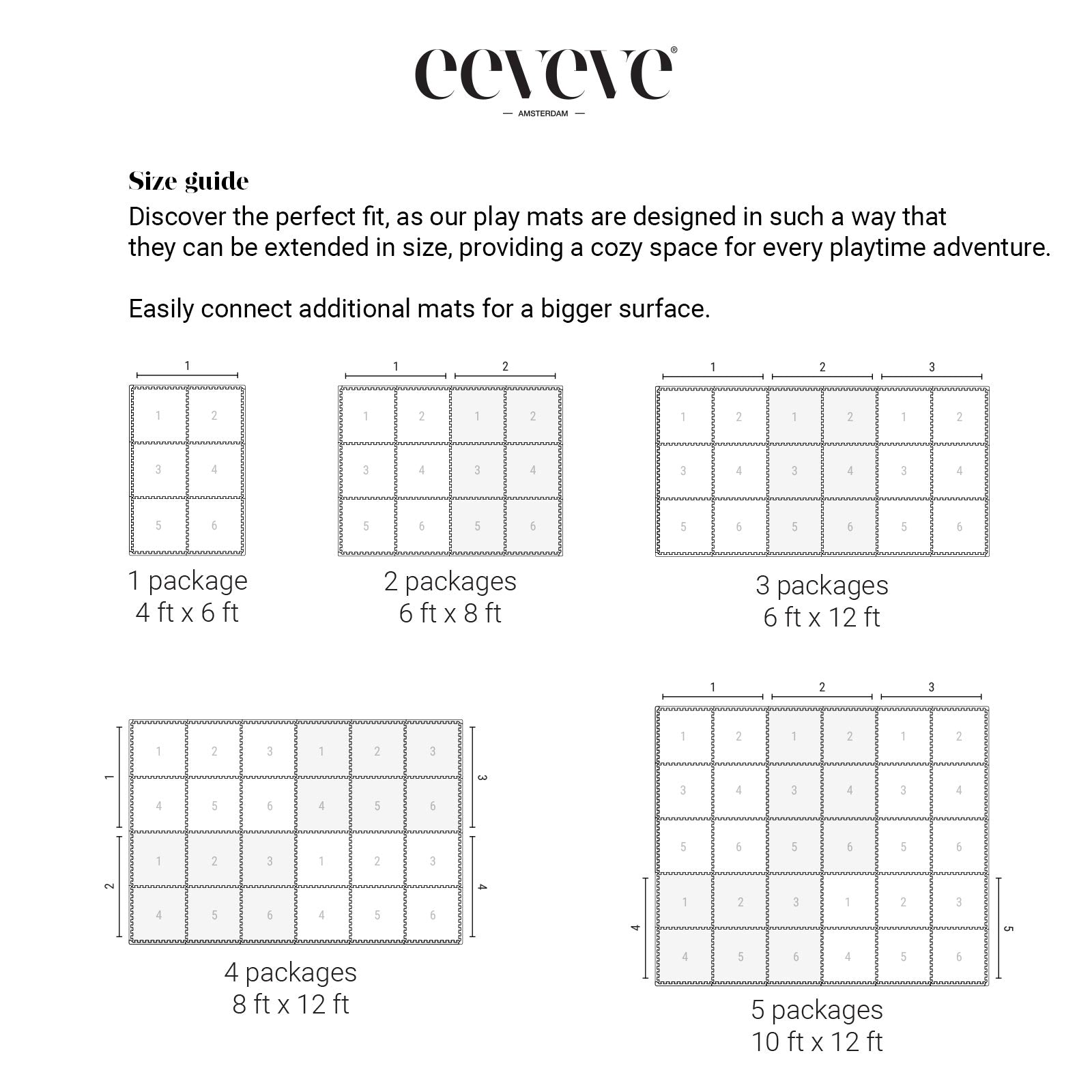
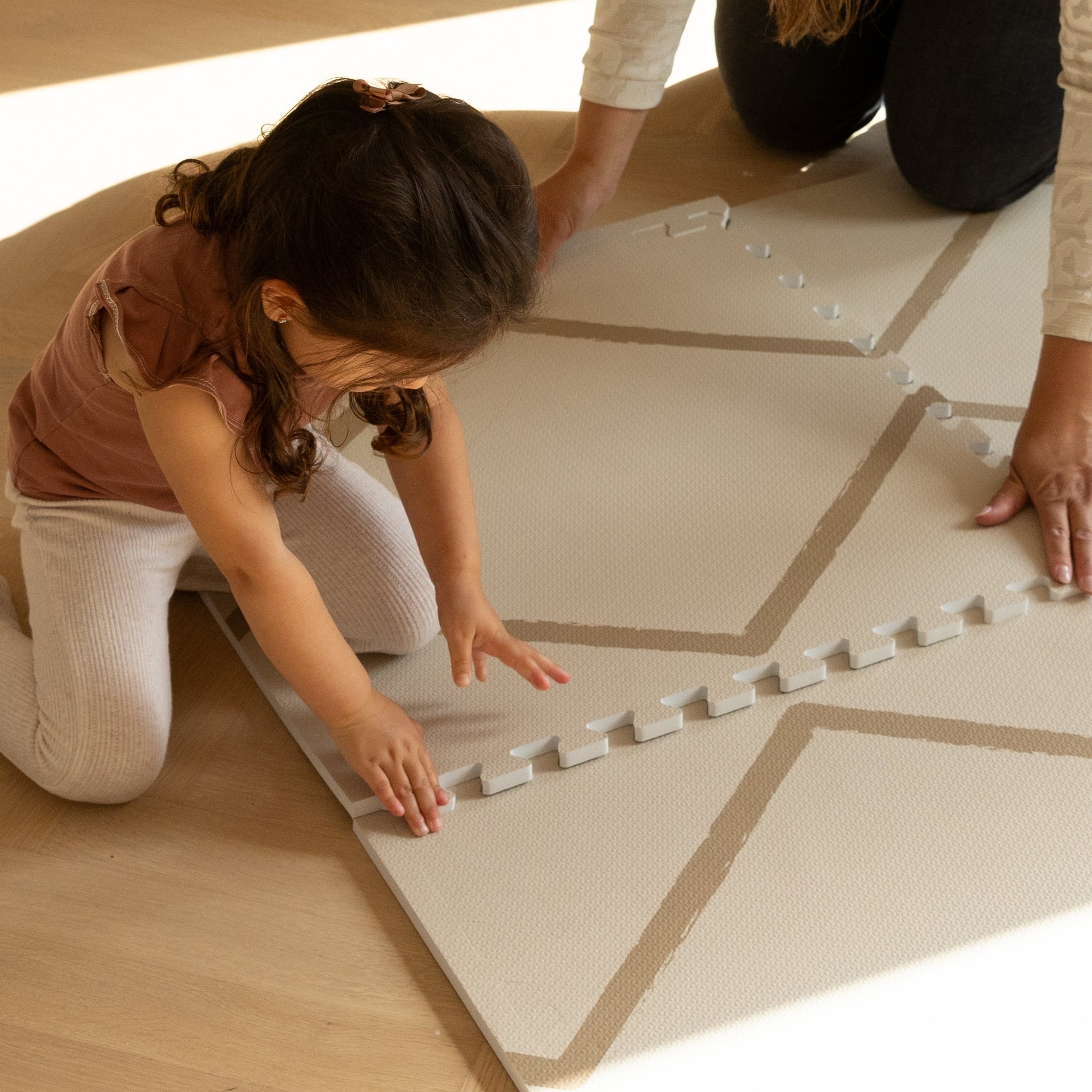
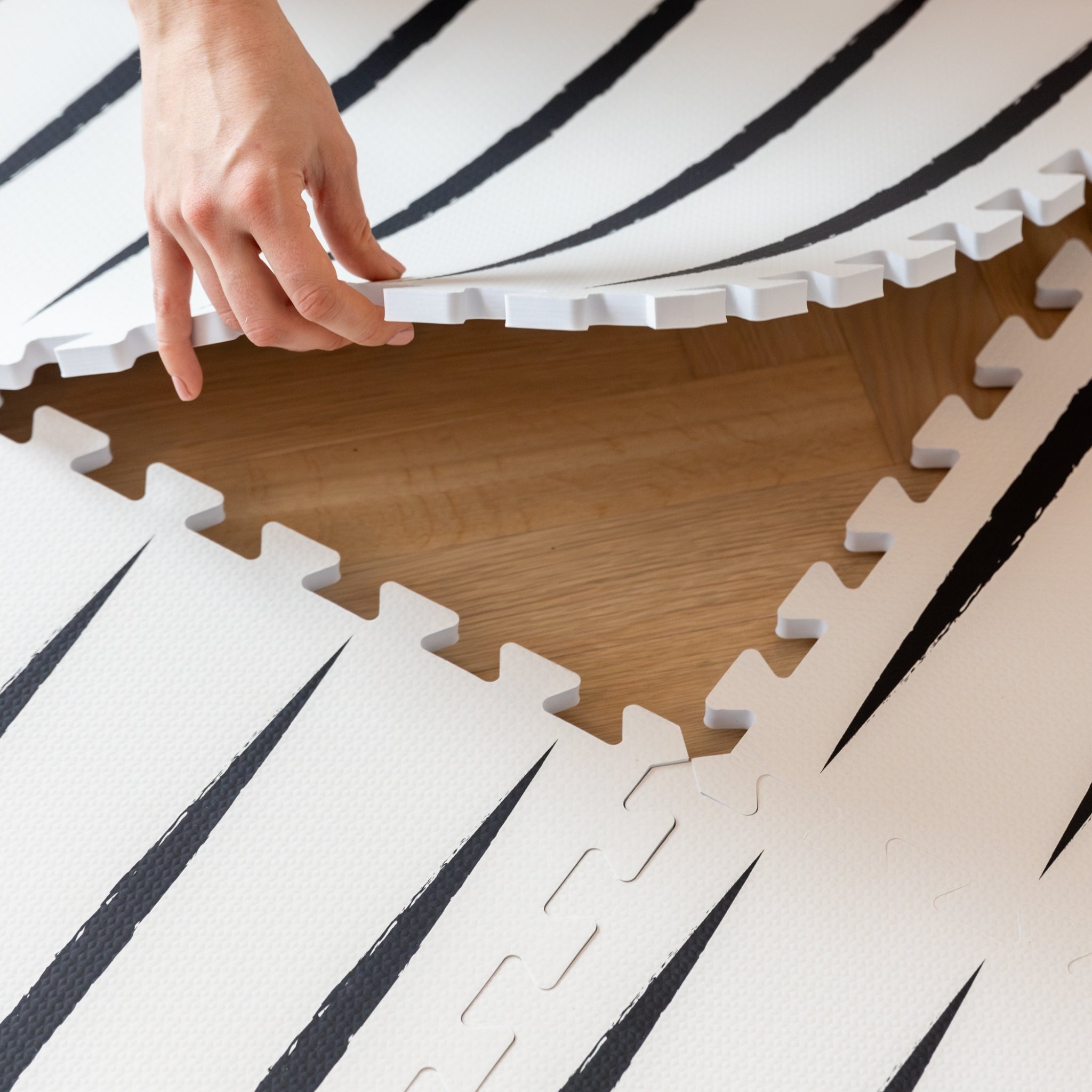
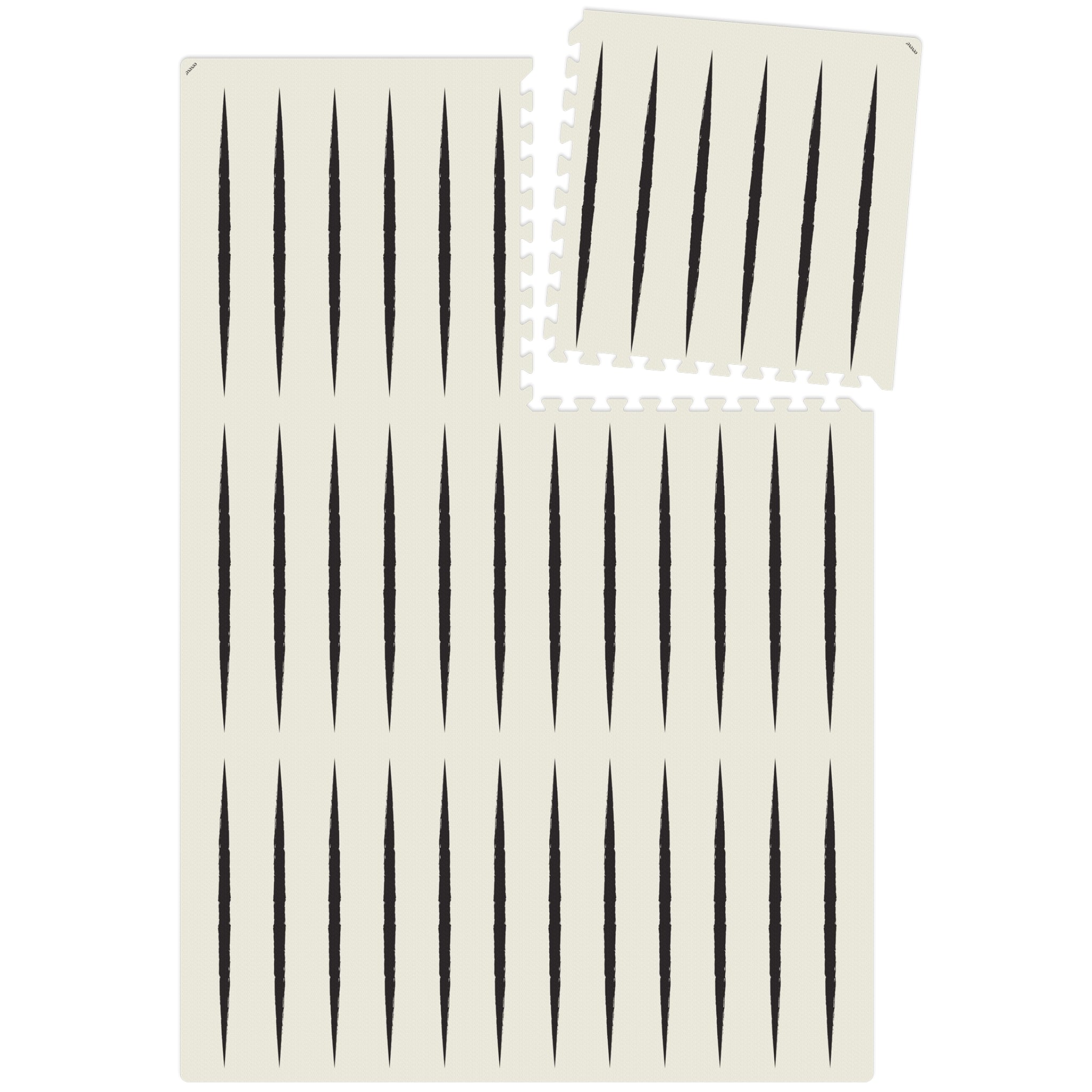
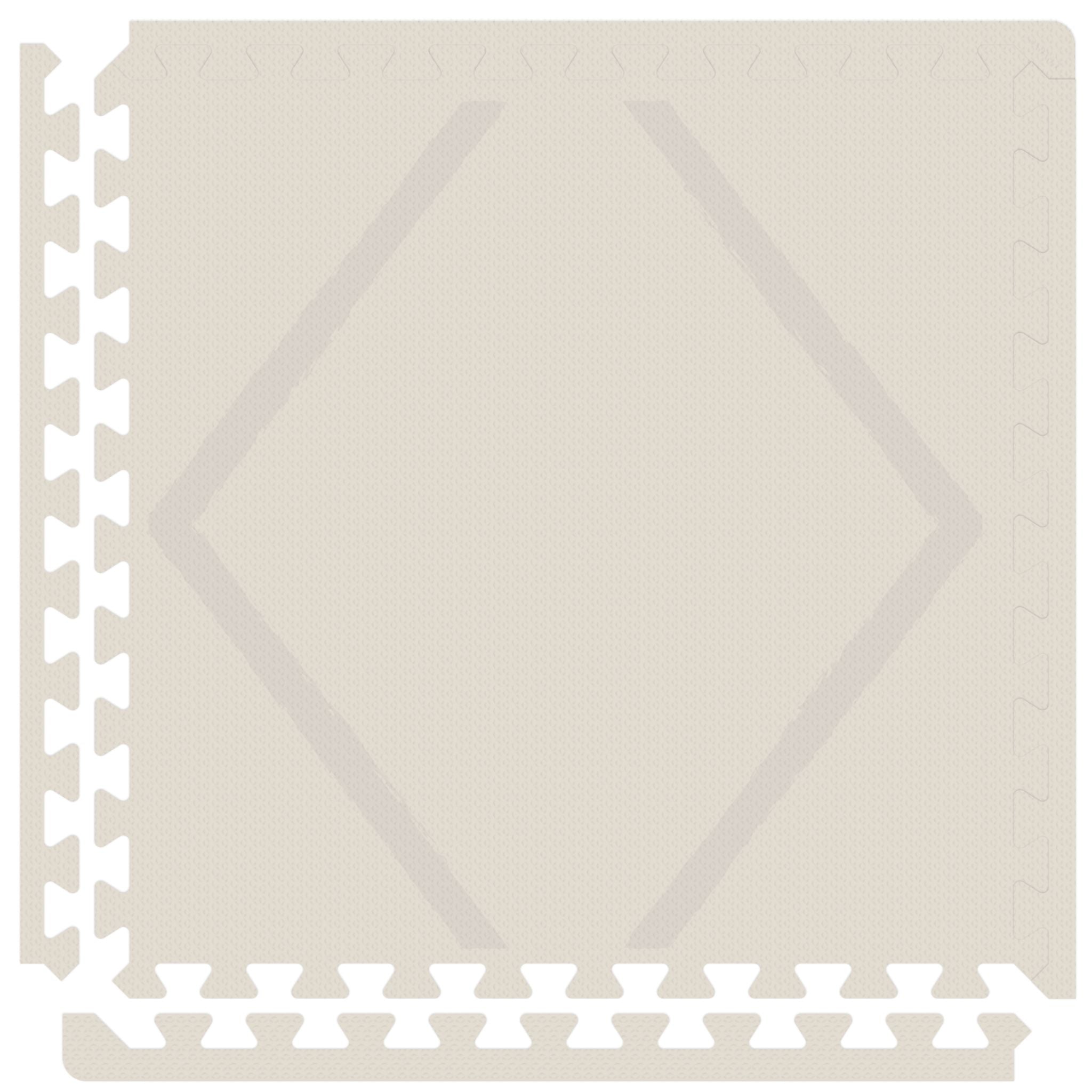
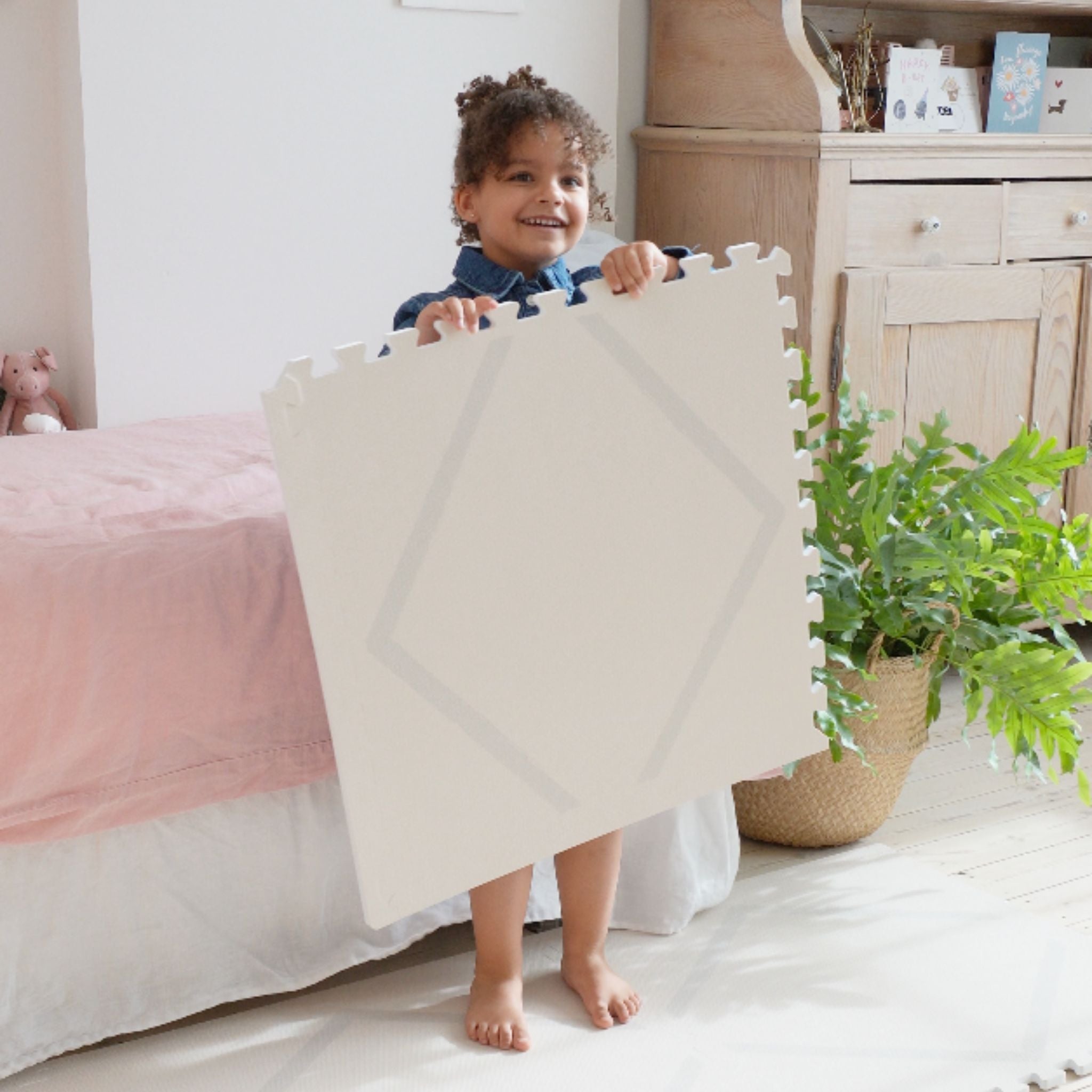
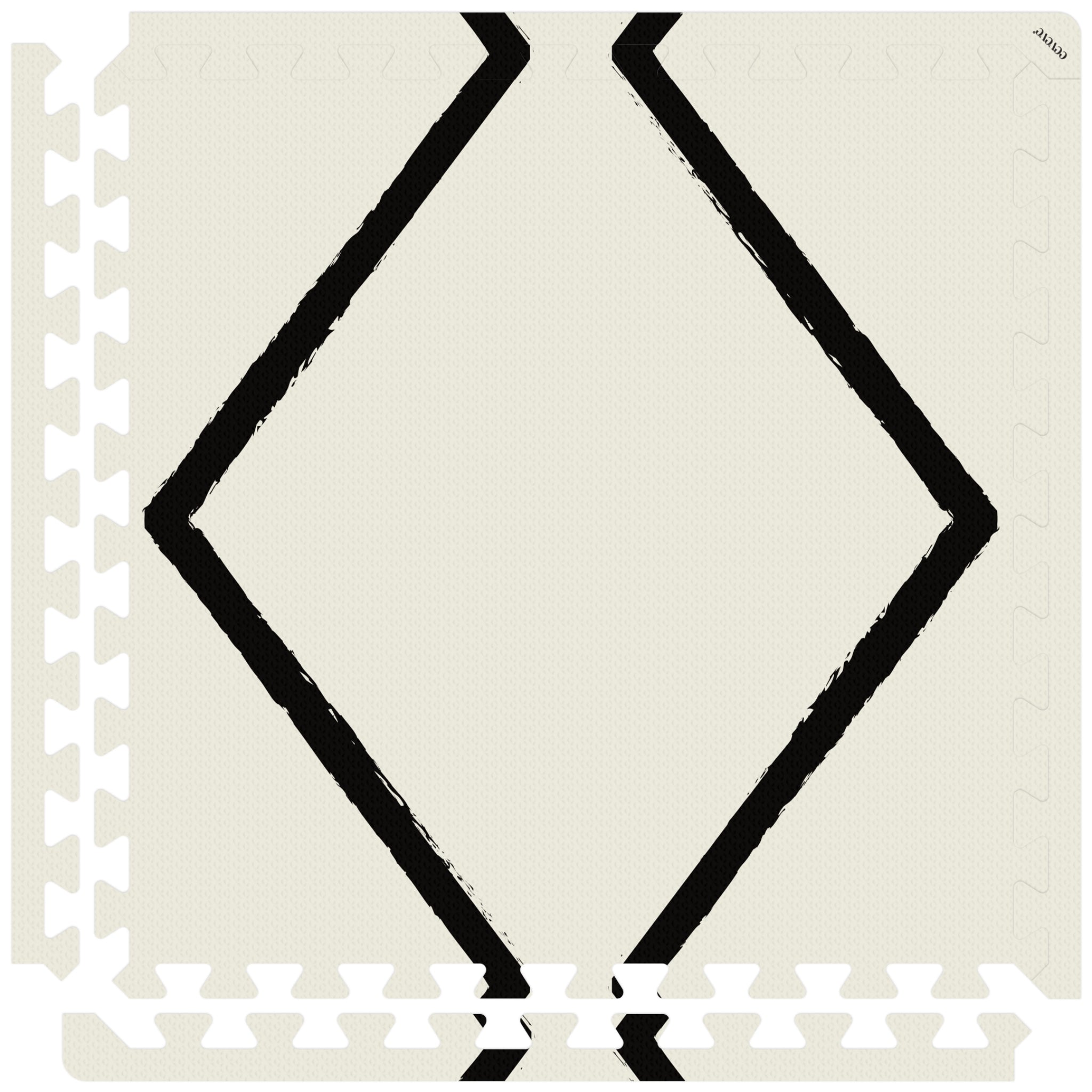
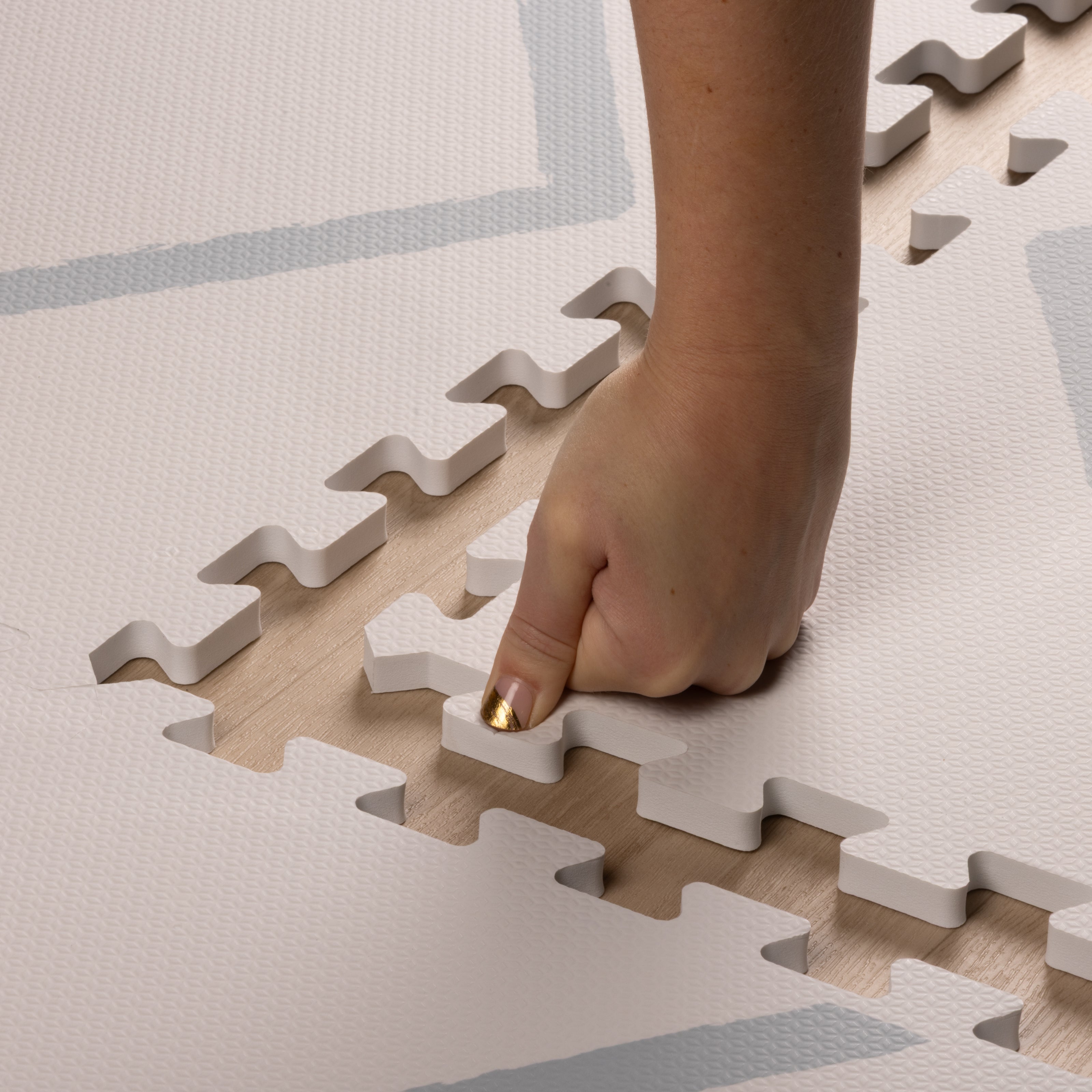
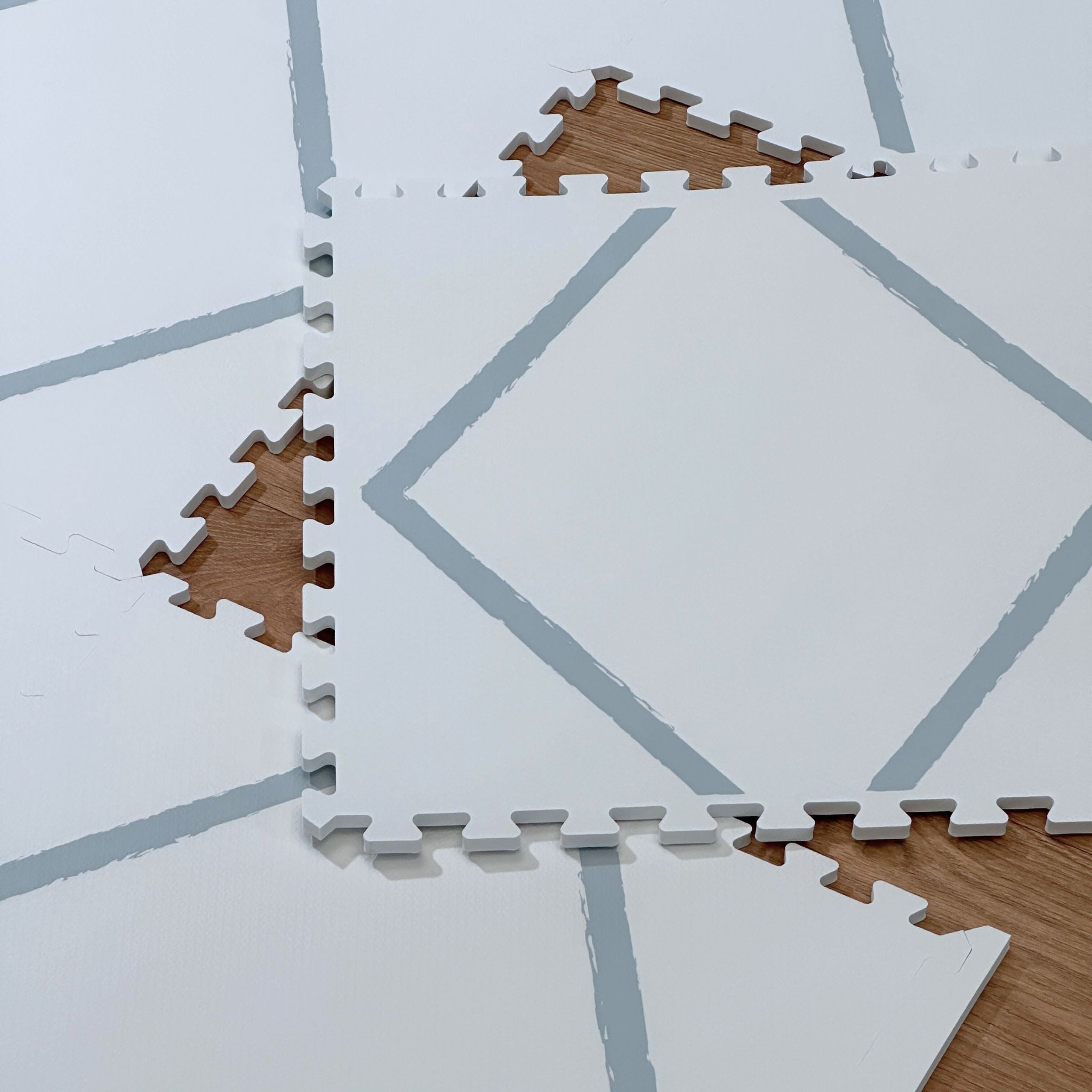
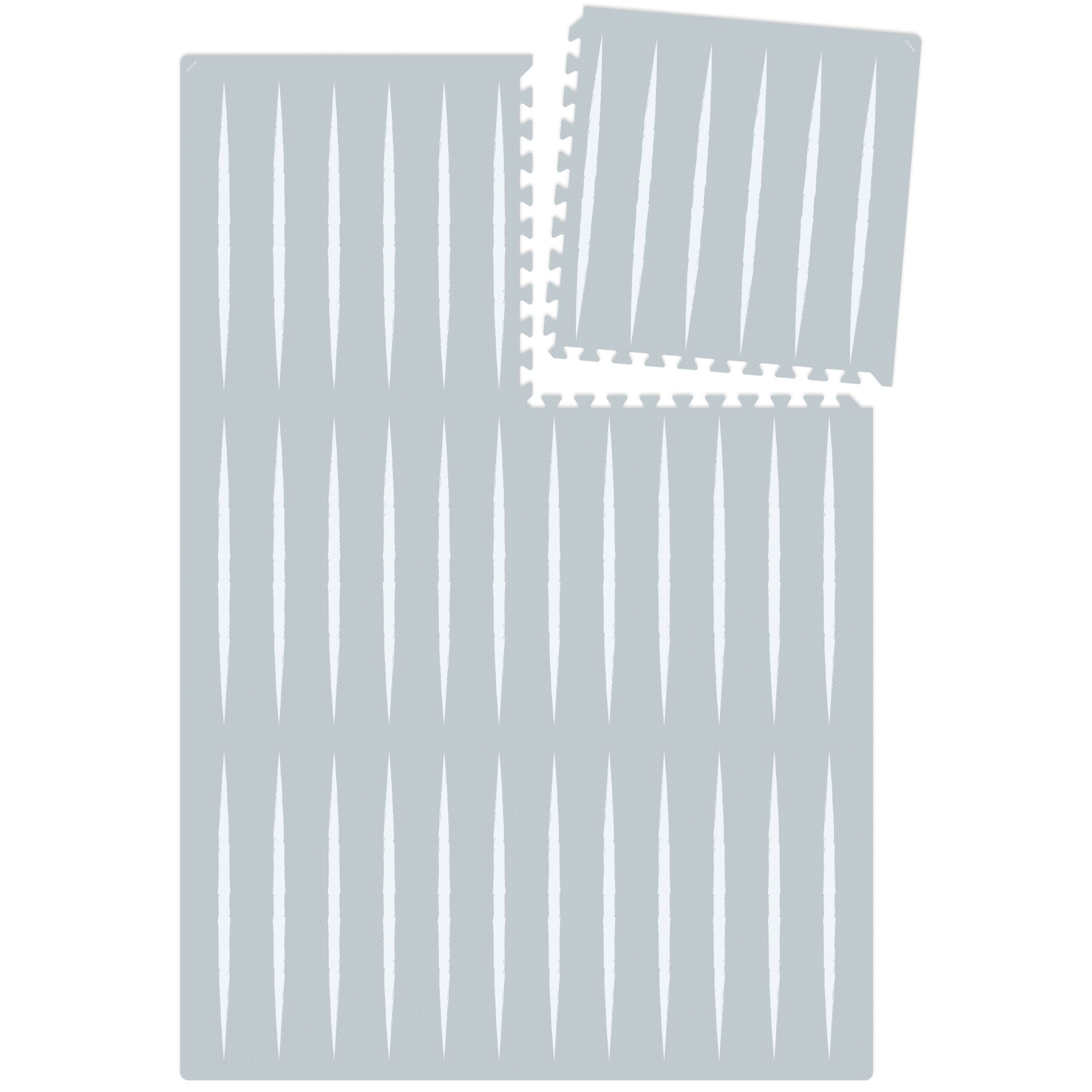
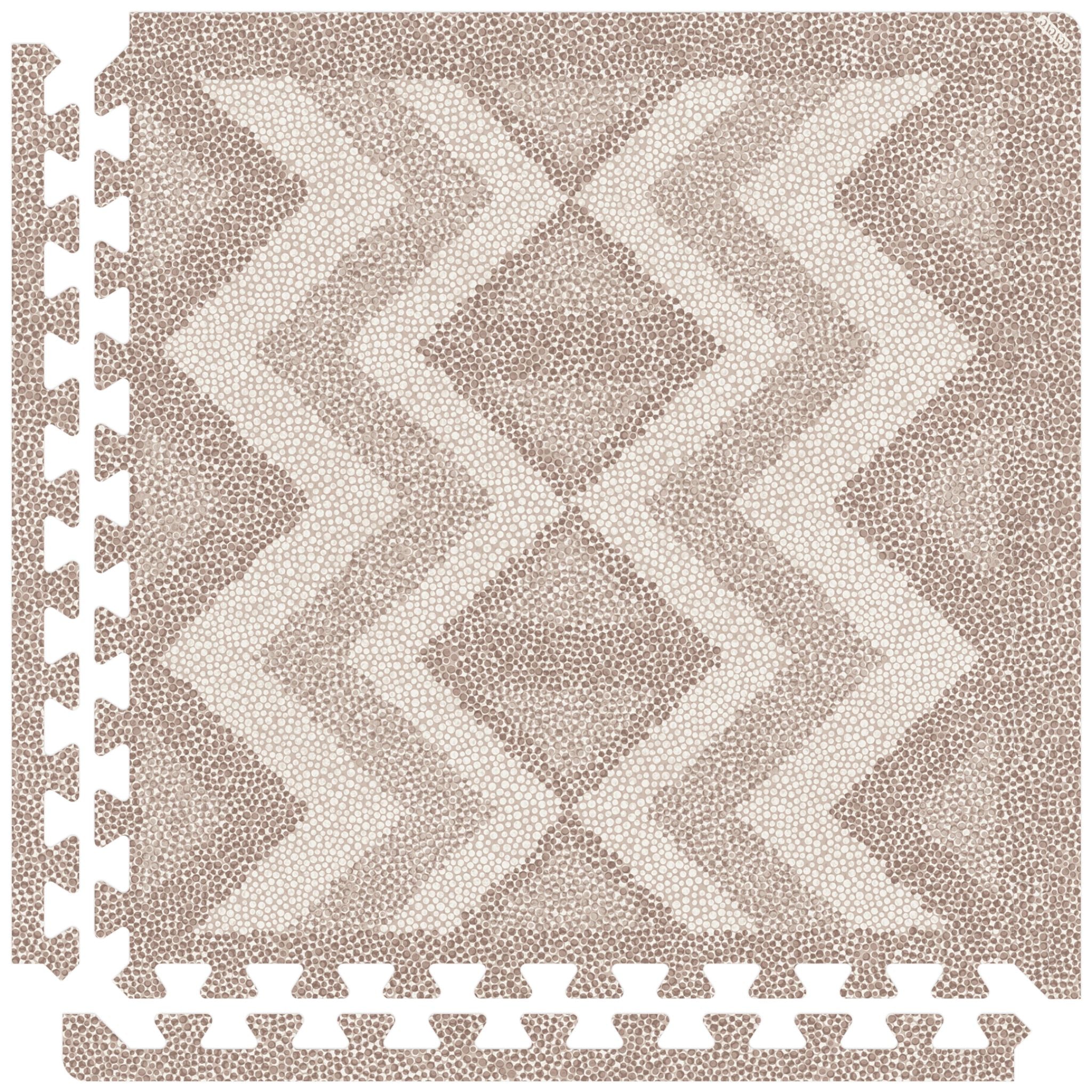
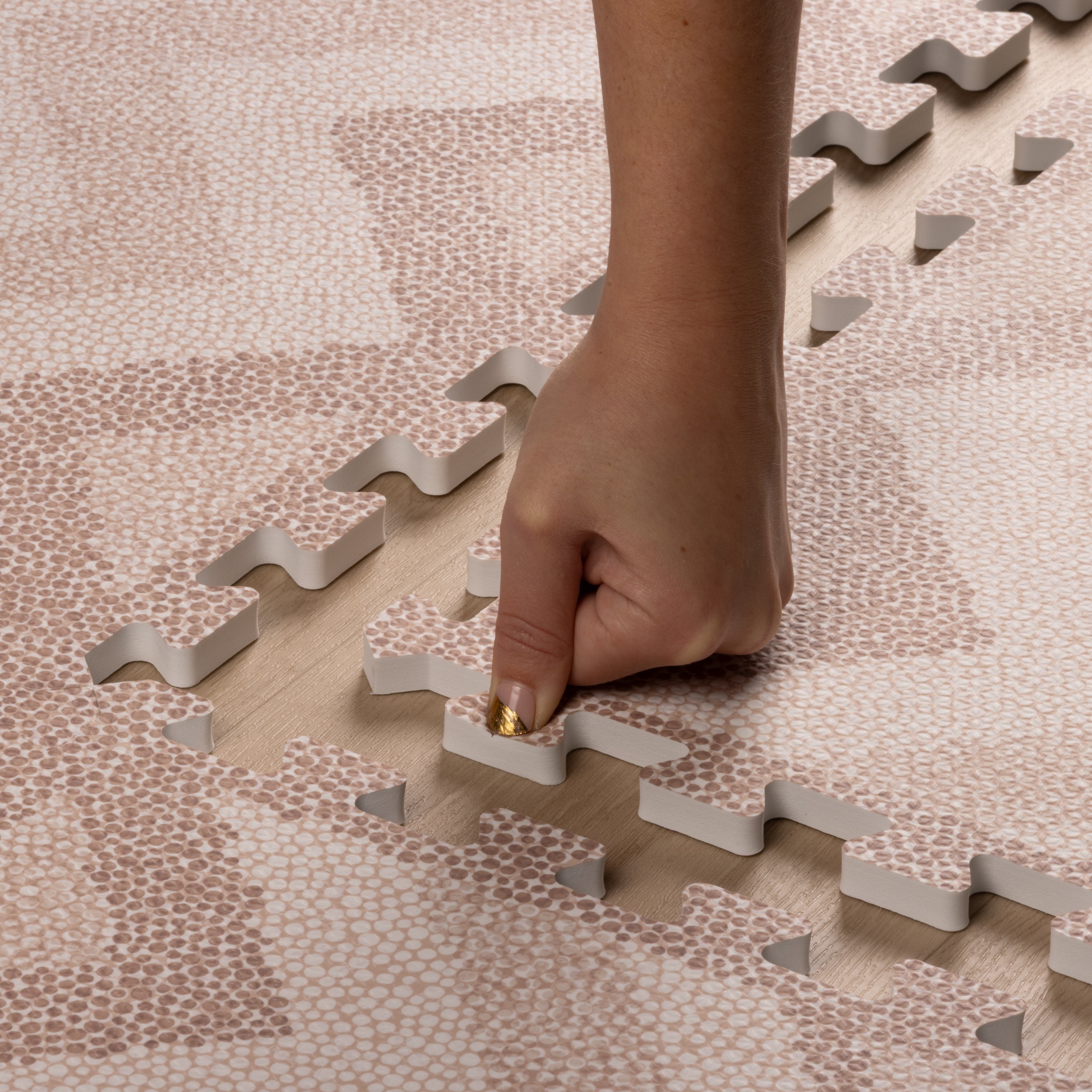
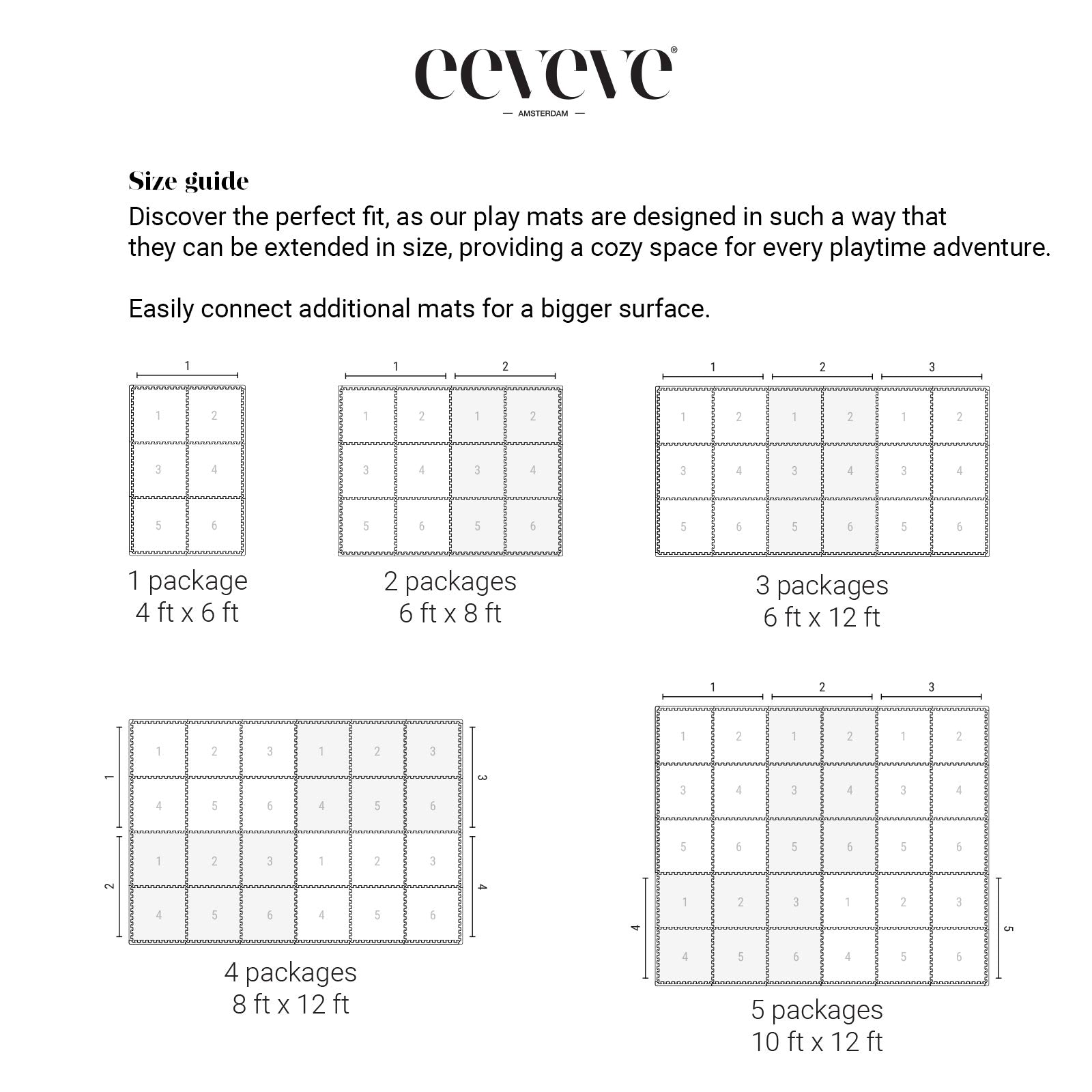
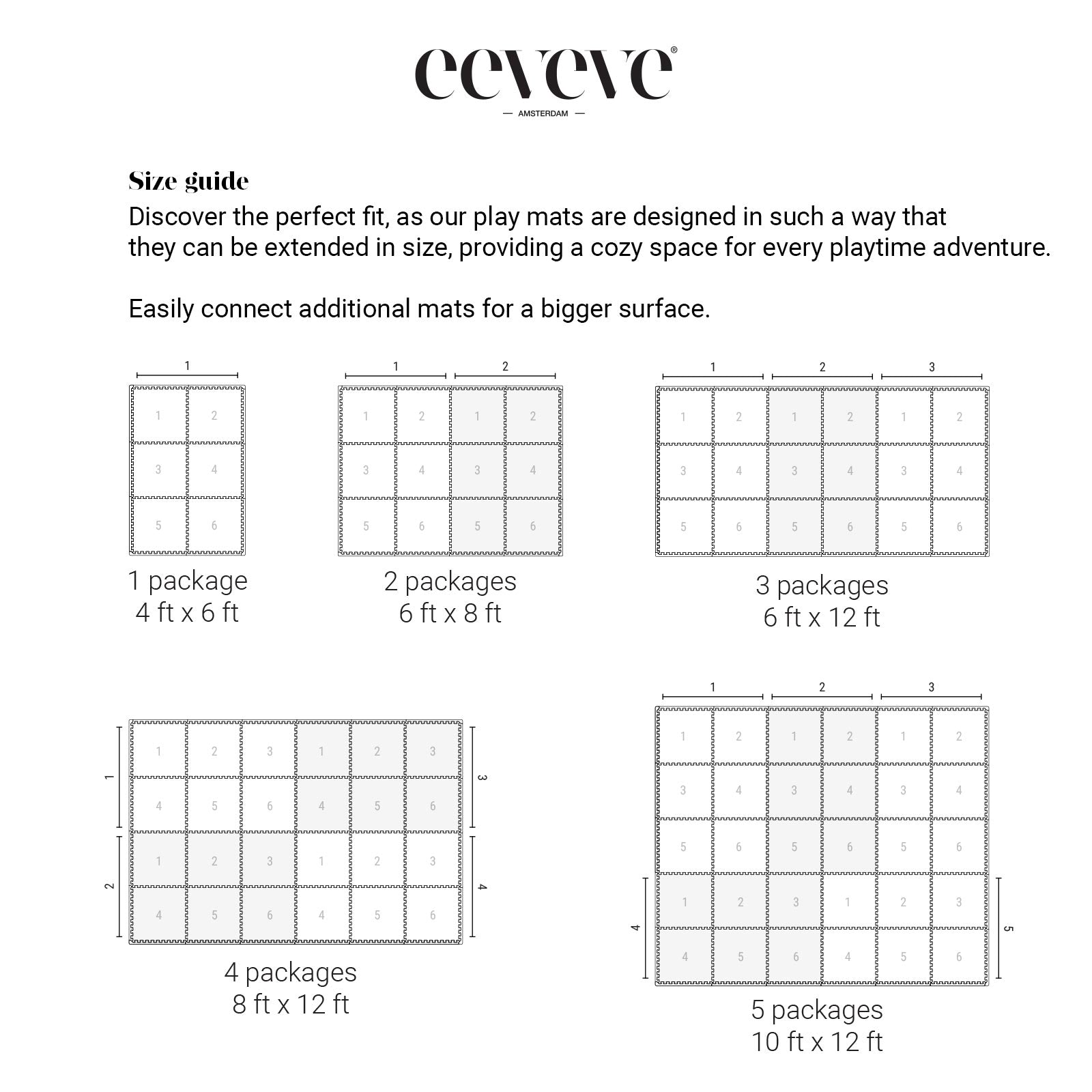
- Choose modular or flexible sizing
- Think long-term (baby → toddler)
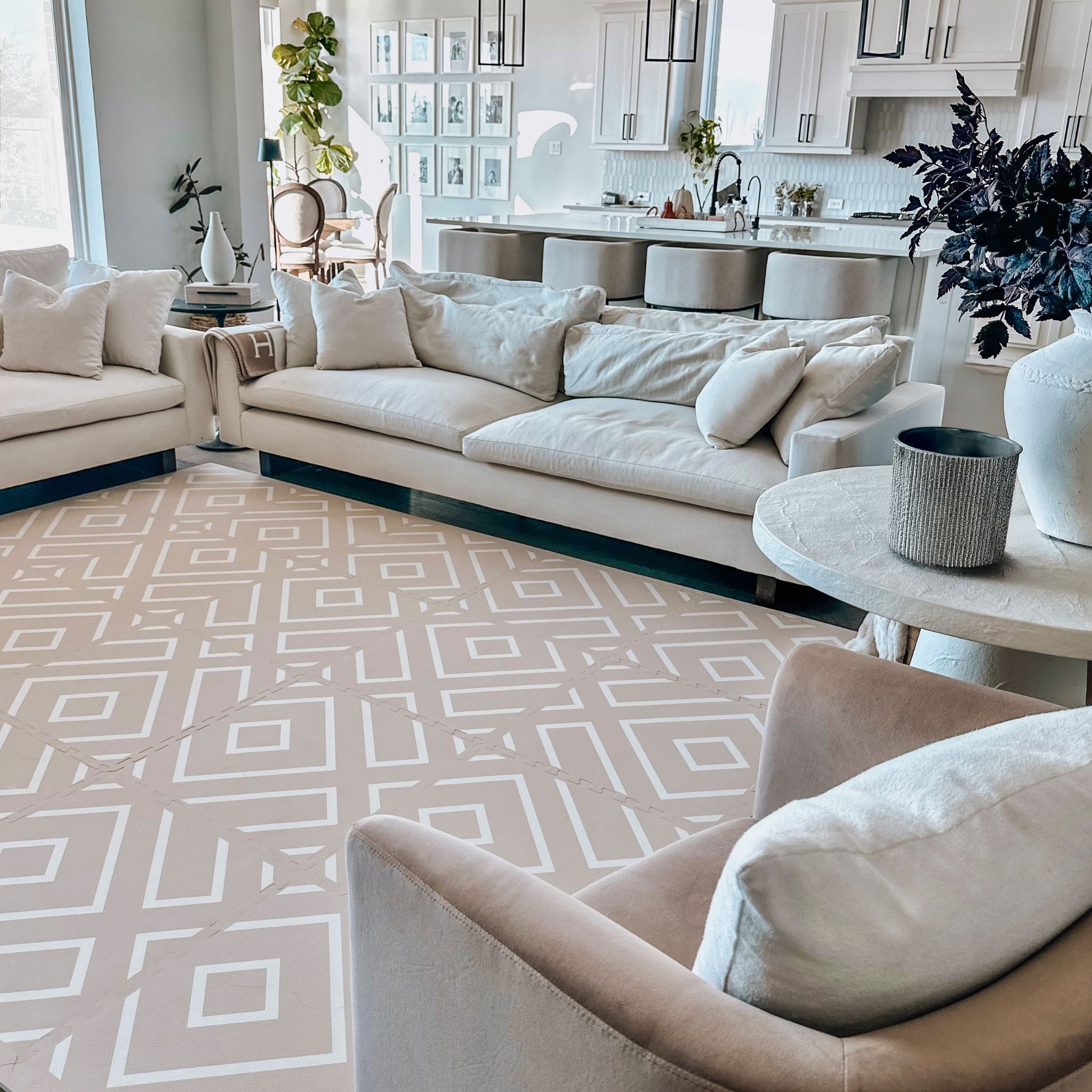
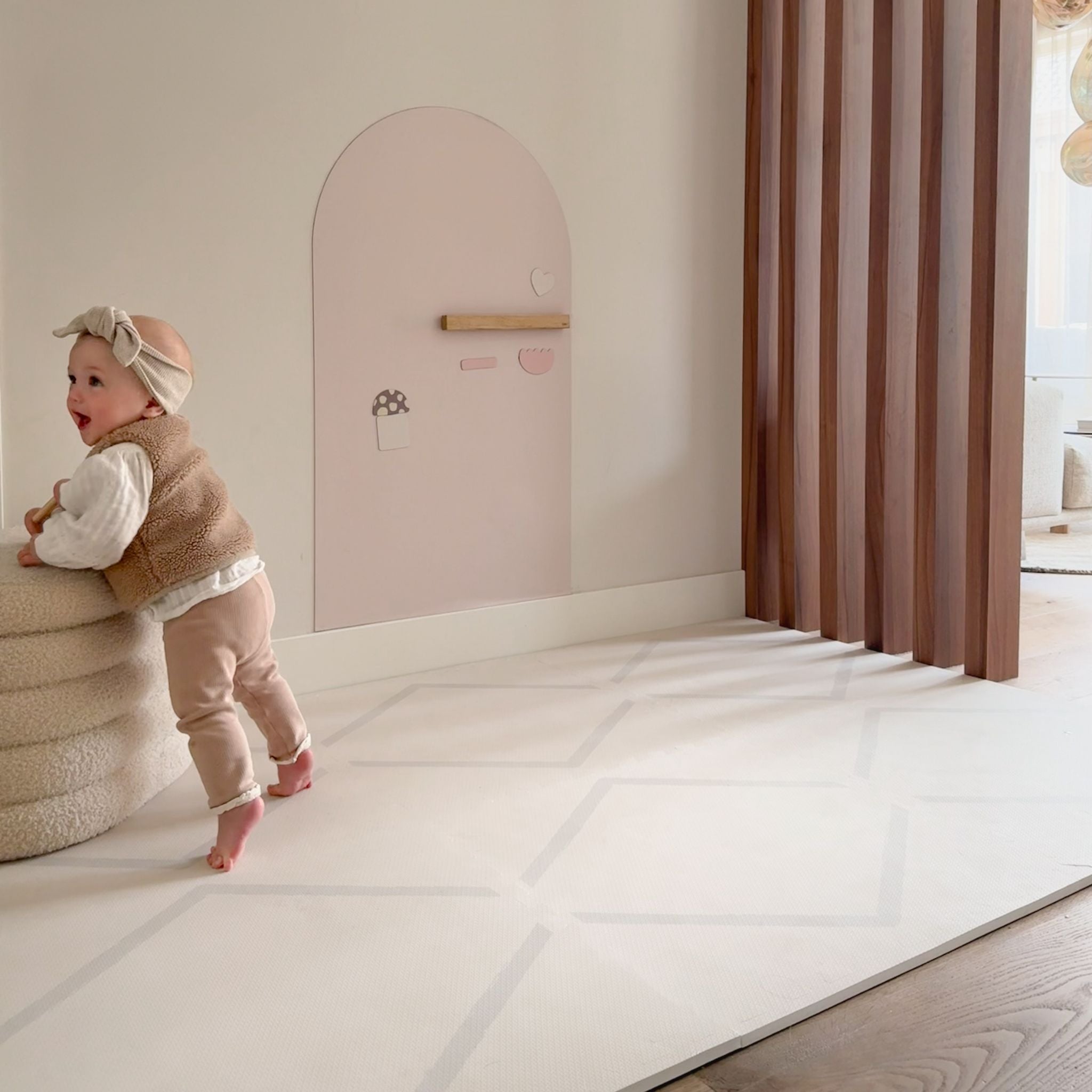
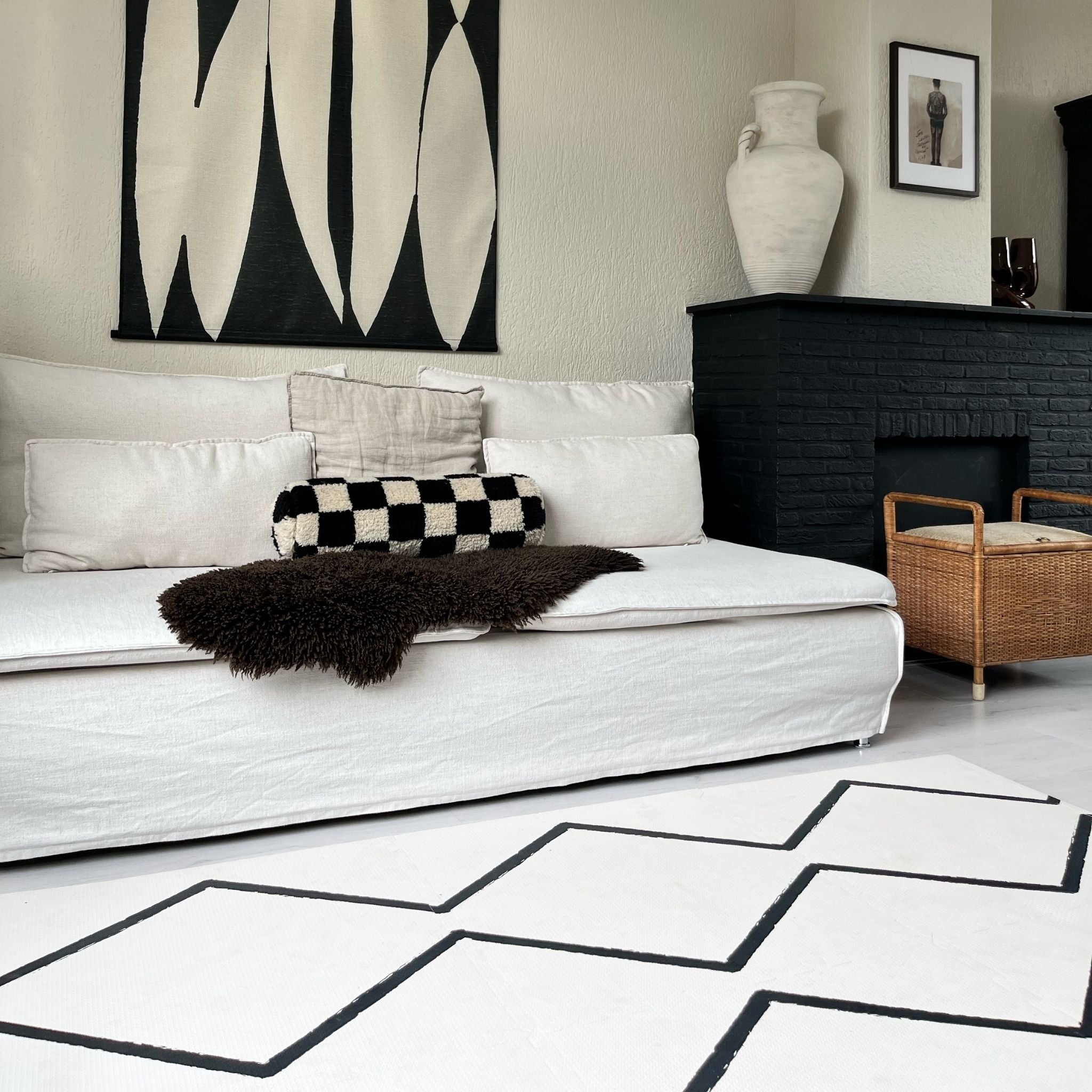
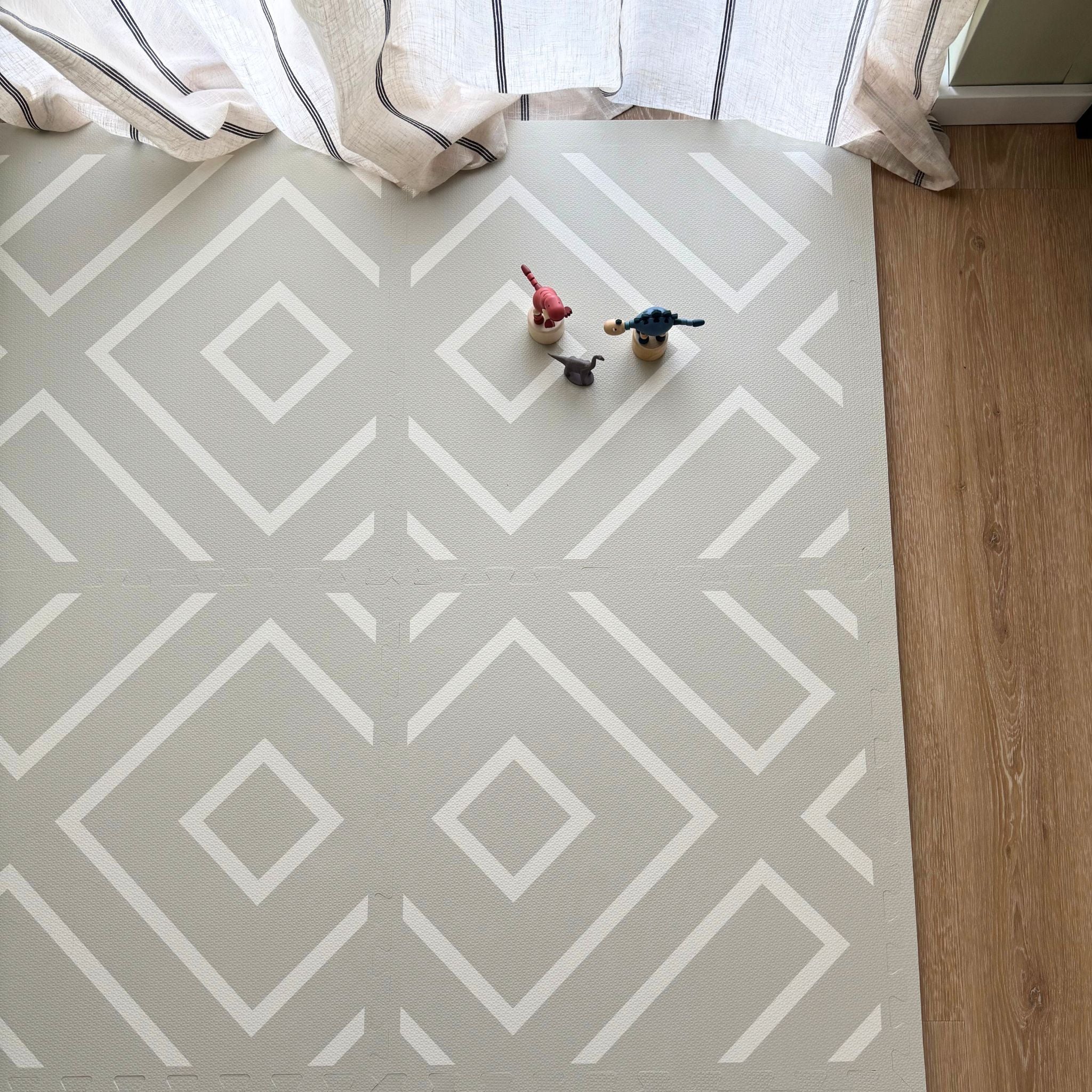
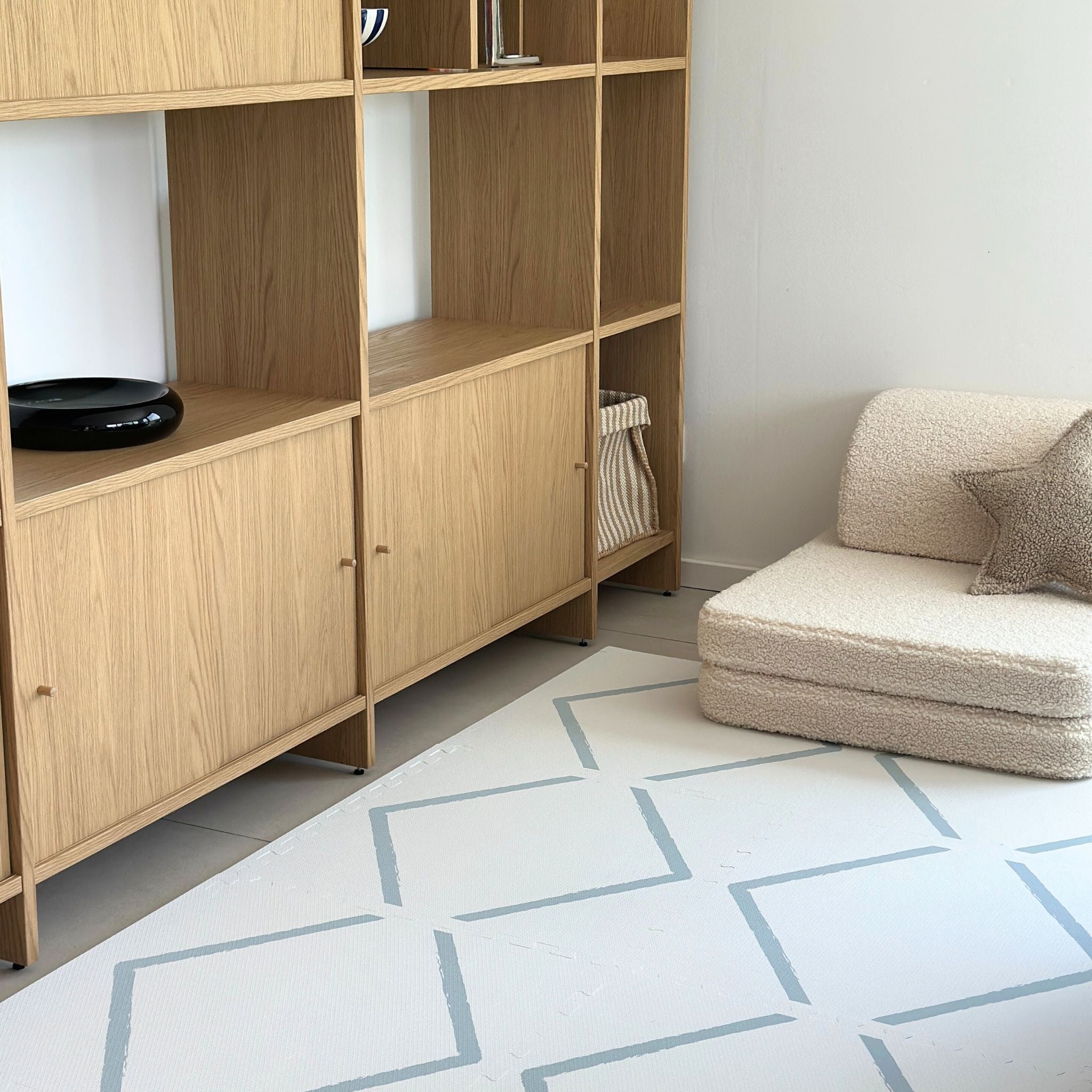
A play mat should fit your home, not force you to rearrange it daily.
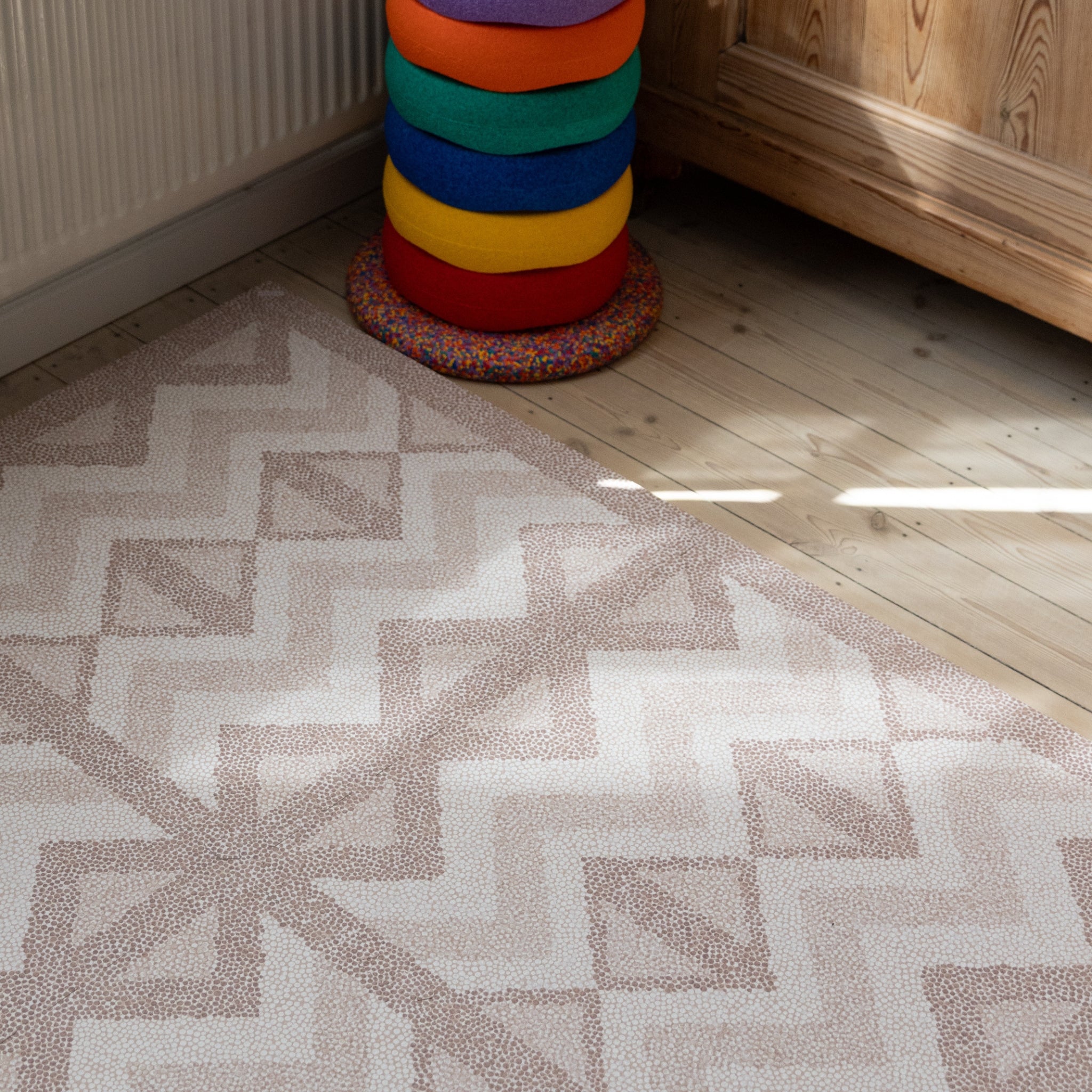
4. Choosing Looks Over Everyday Practicality
Cute prints are tempting, but many mats:
- Stain easily
- Trap dust and crumbs
- Are hard to clean
Reality check:
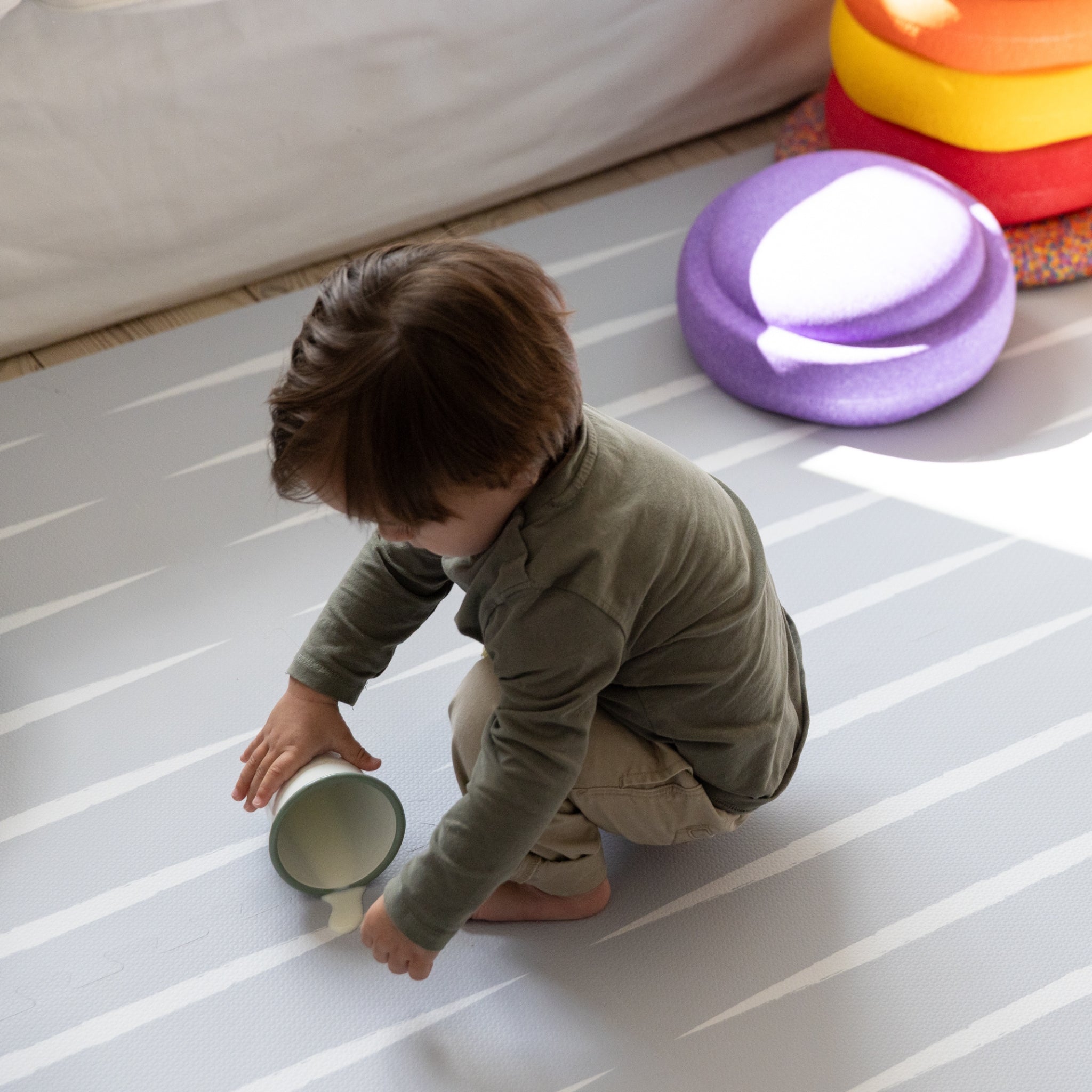
Babies spill, drool, and make messes daily.
What parents actually need:
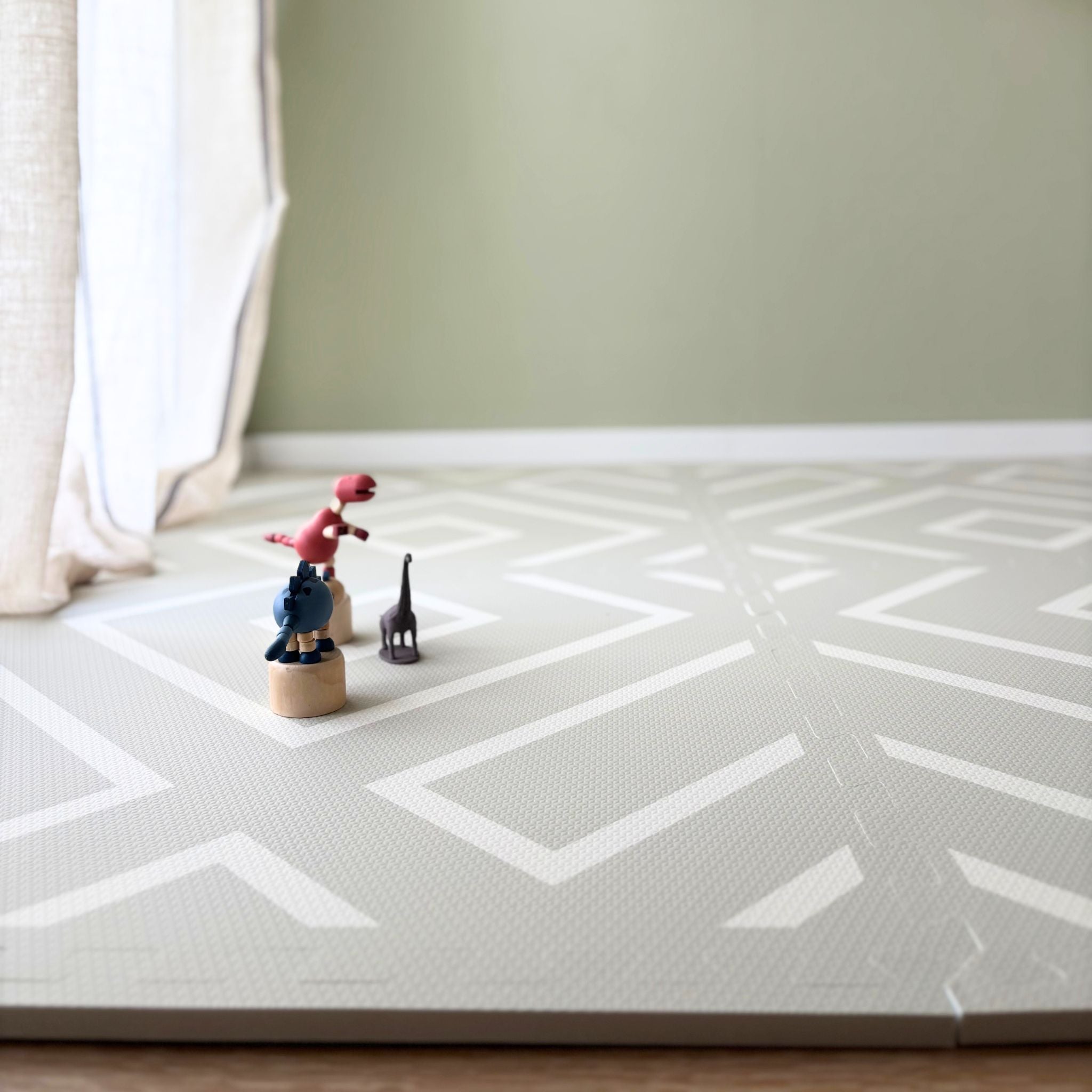
- Easy wipe-clean surface
- Spill and stain resistance
- Durable finish that lasts years
A play mat should make life easier, not add to your cleaning list.
5. Treating the Play Mat as a Short-Term Product
Many parents think of play mats as “just for newborns.”
In reality, a good play mat is used for:
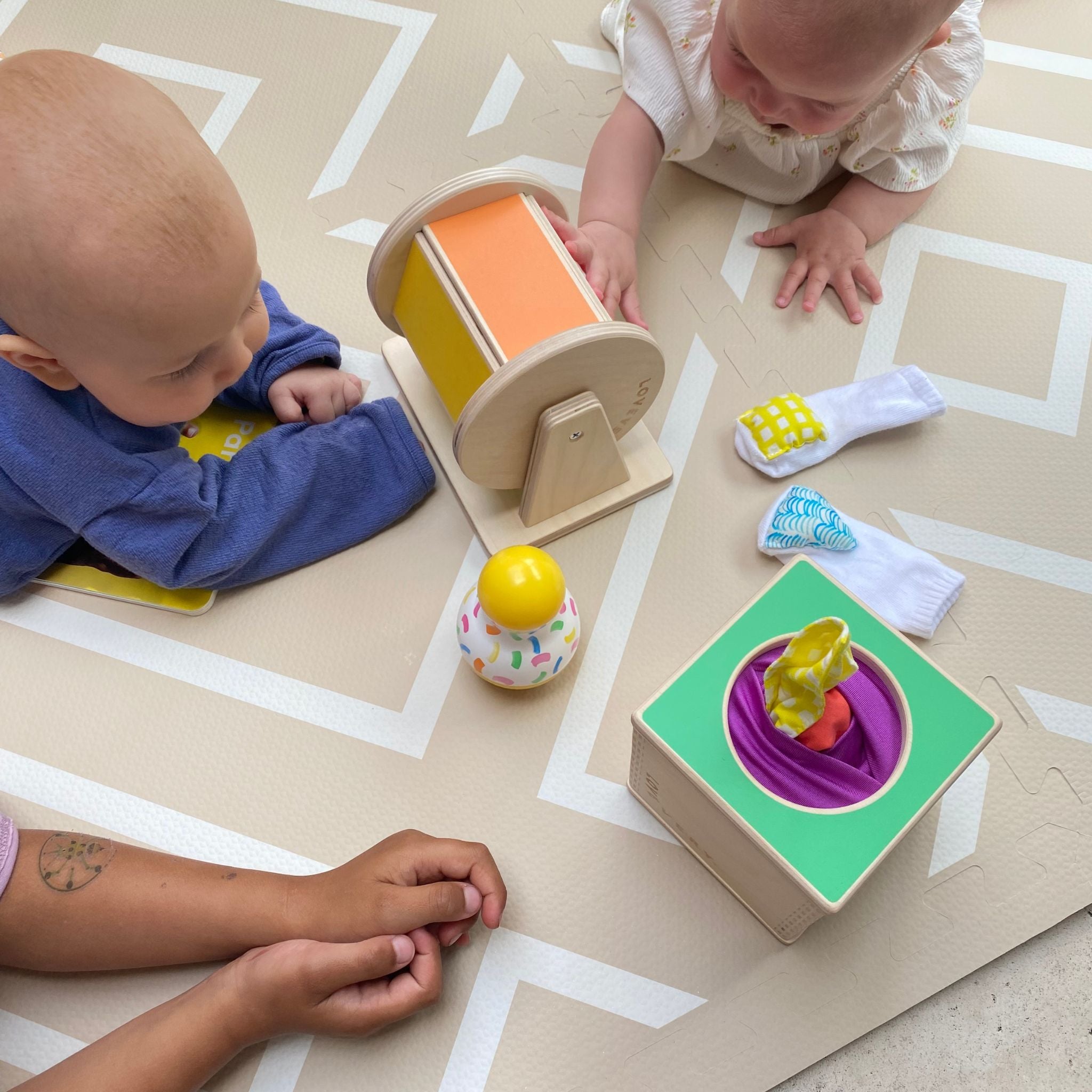
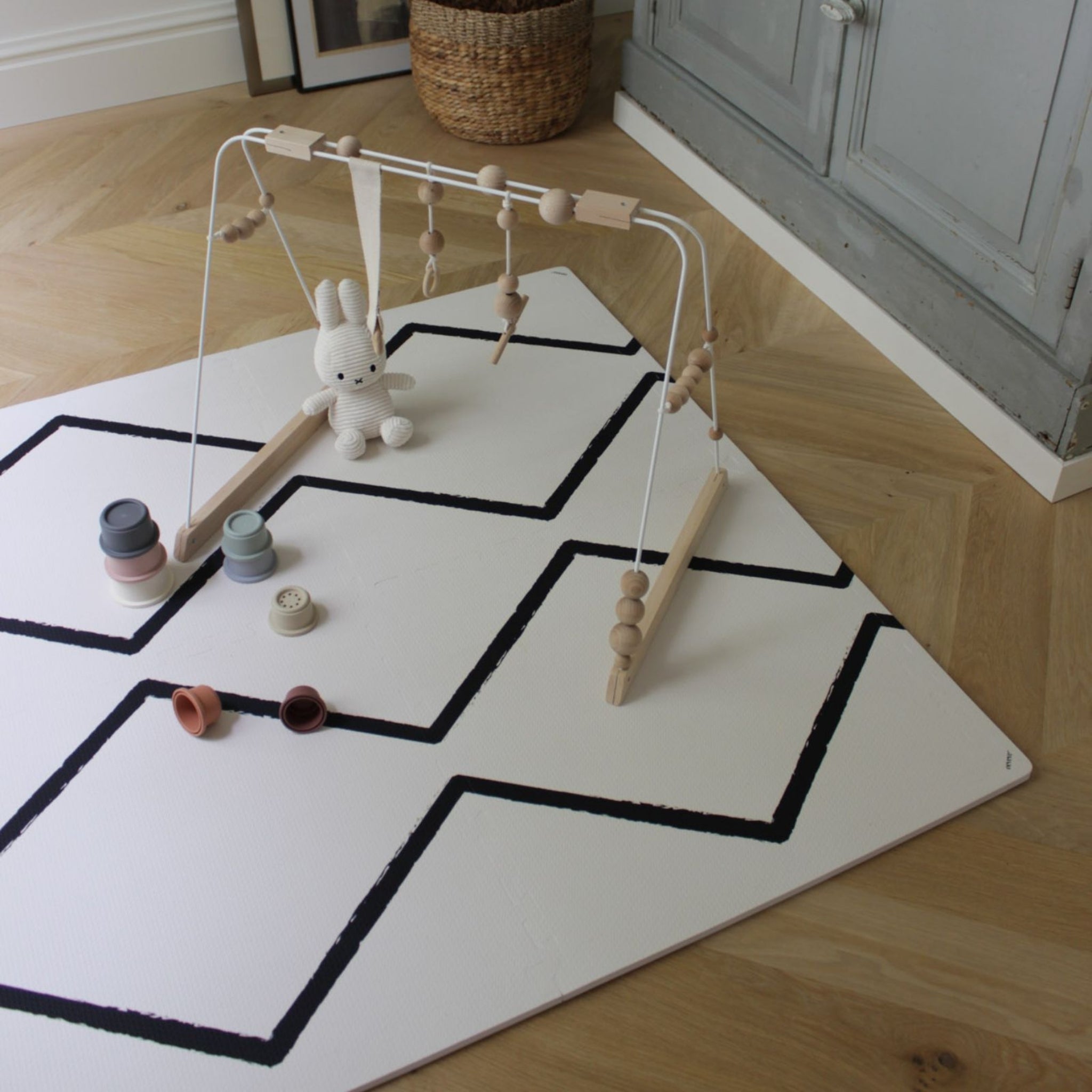
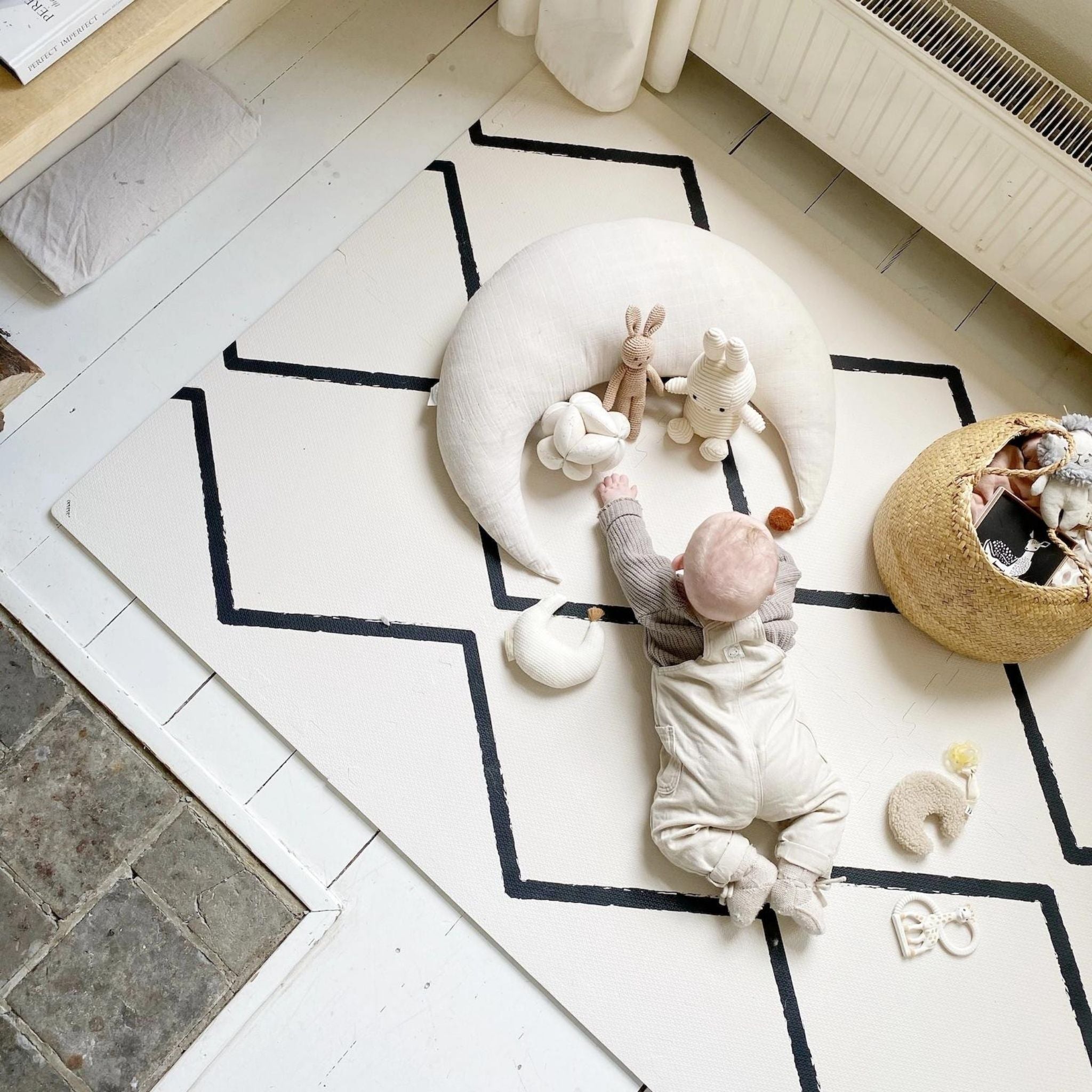
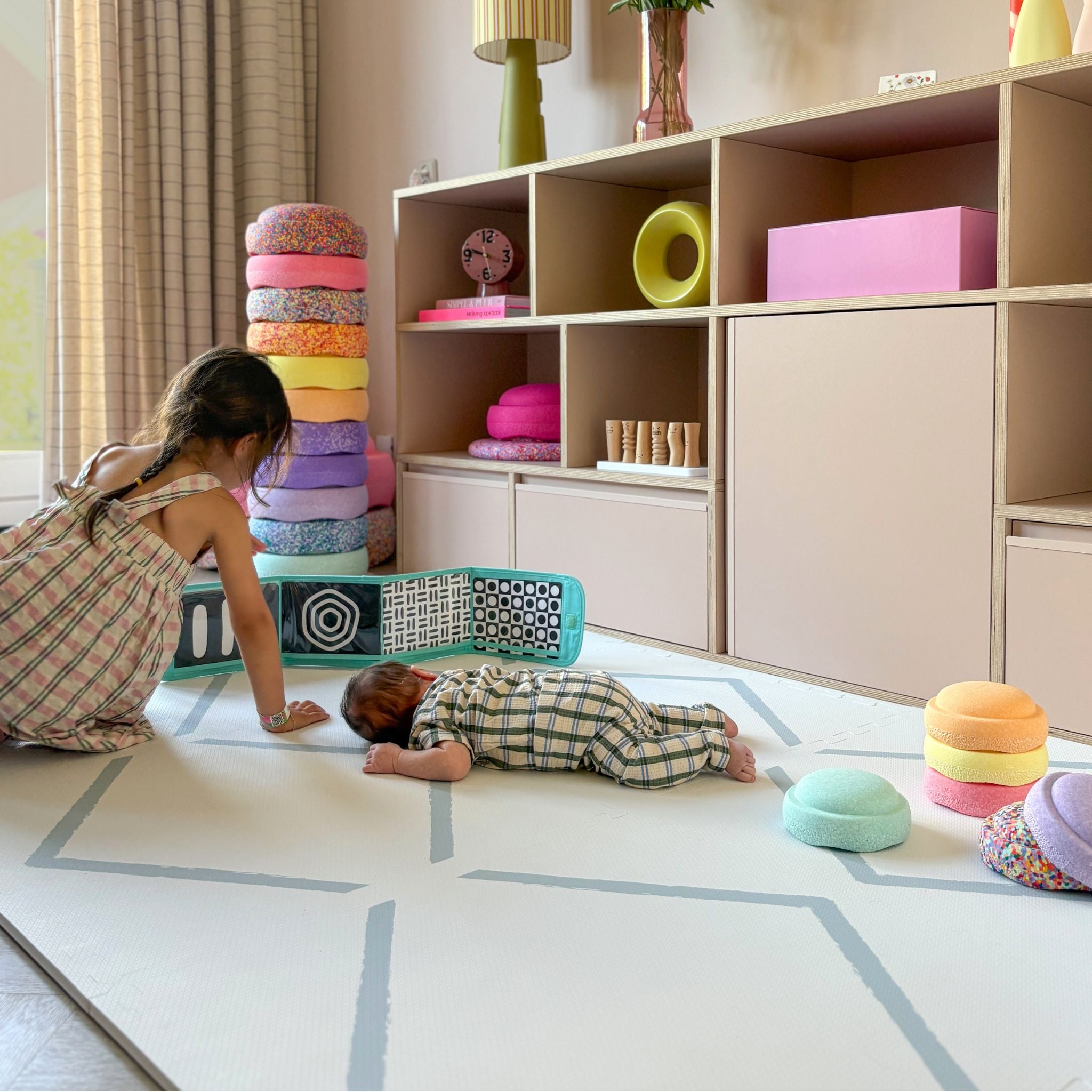
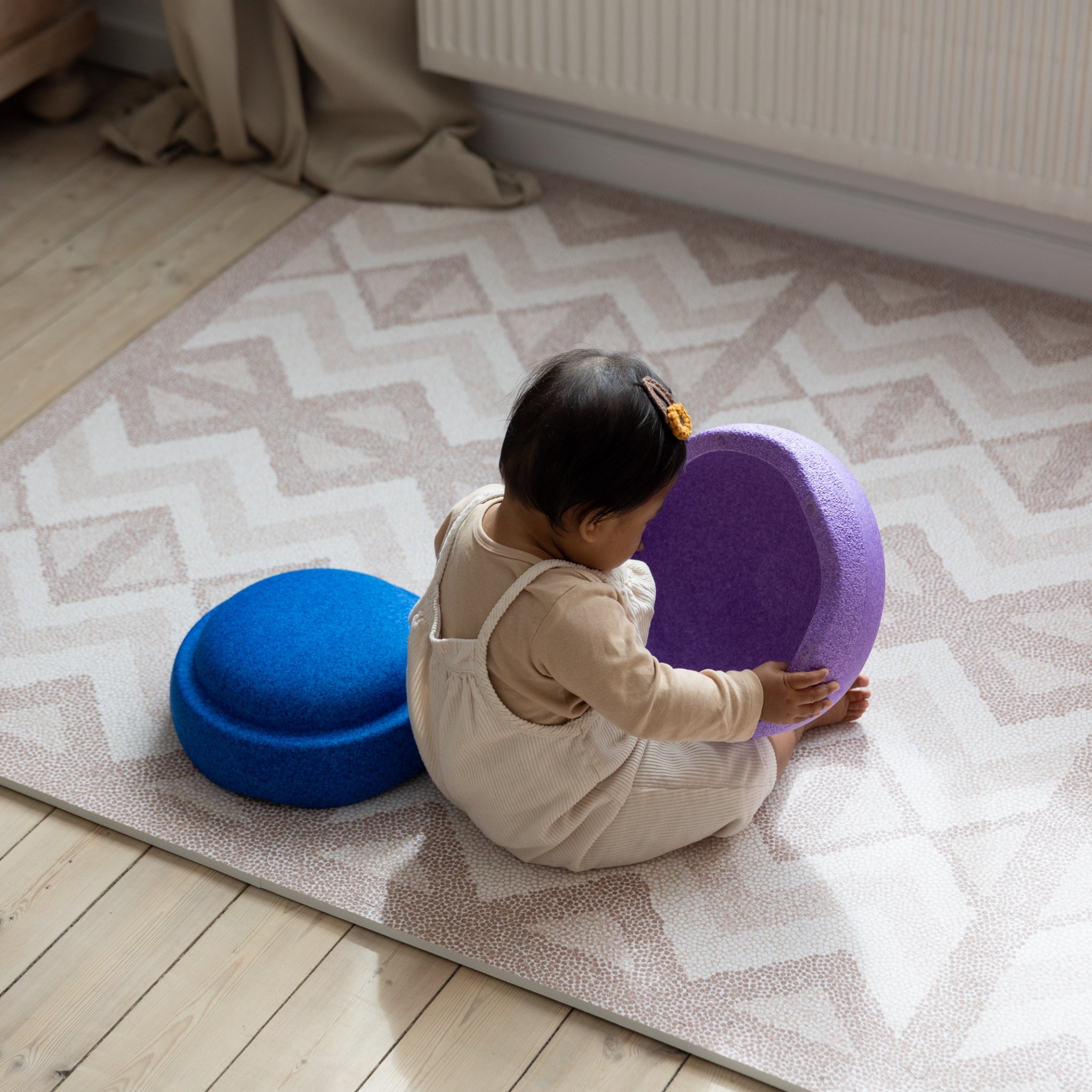
- Tummy time
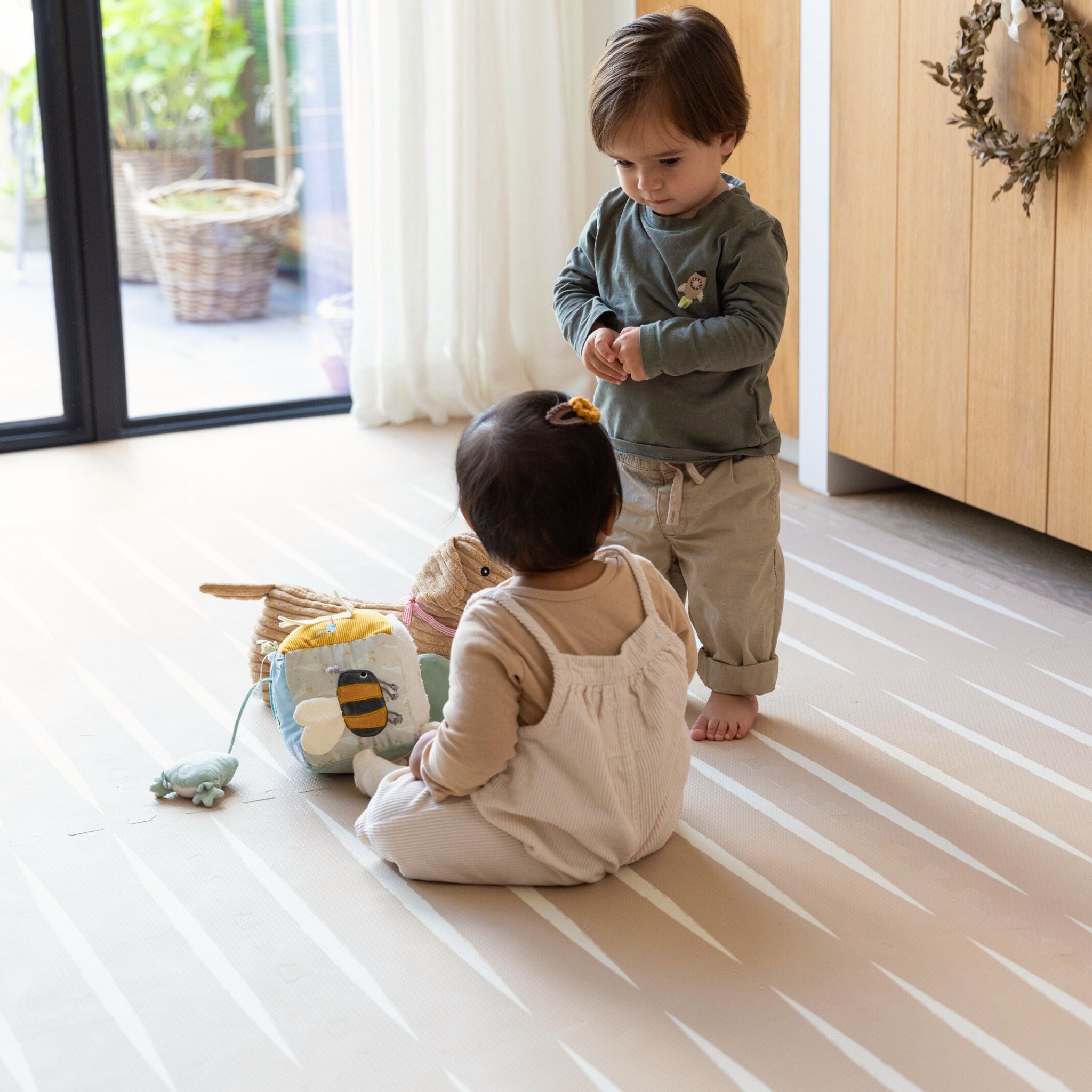
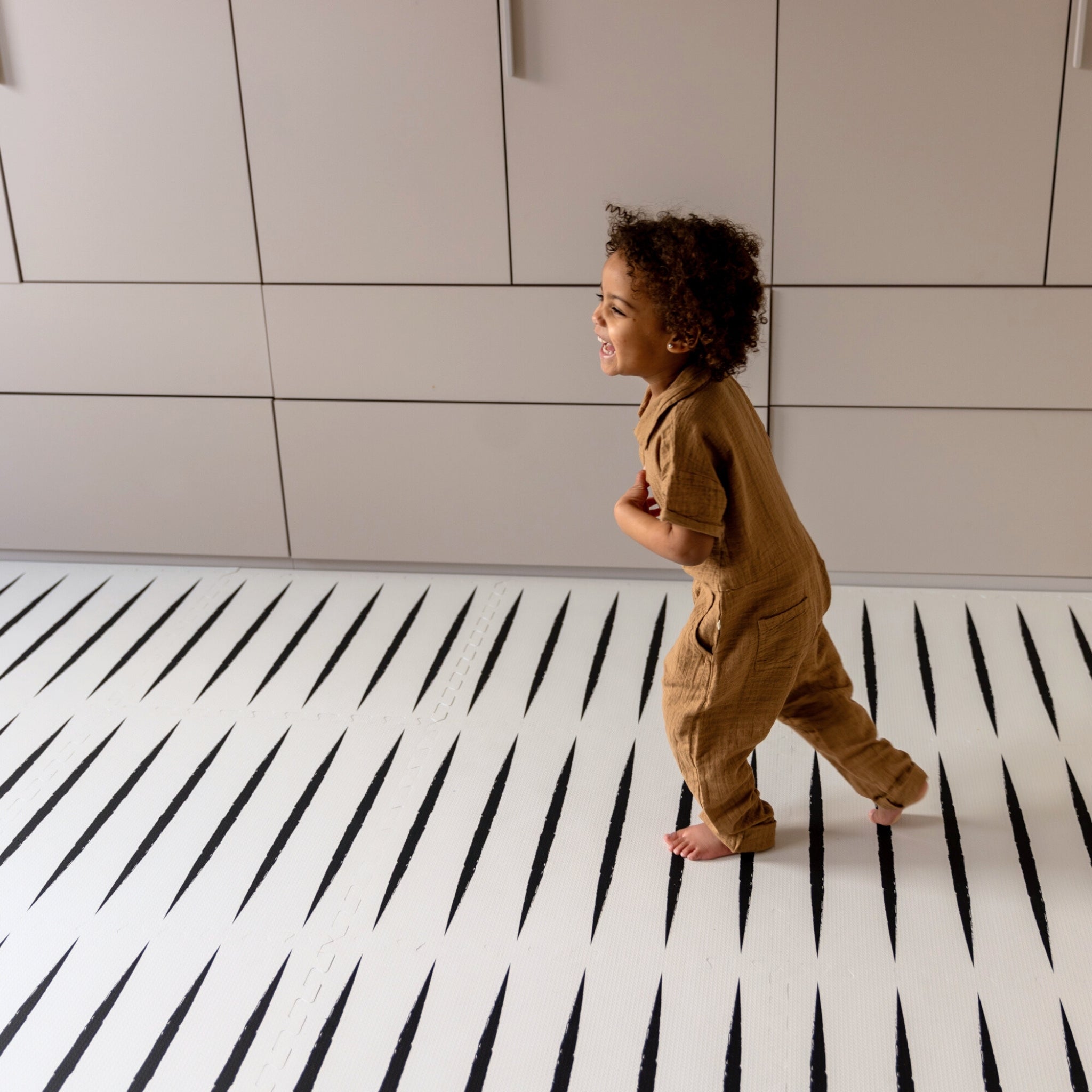
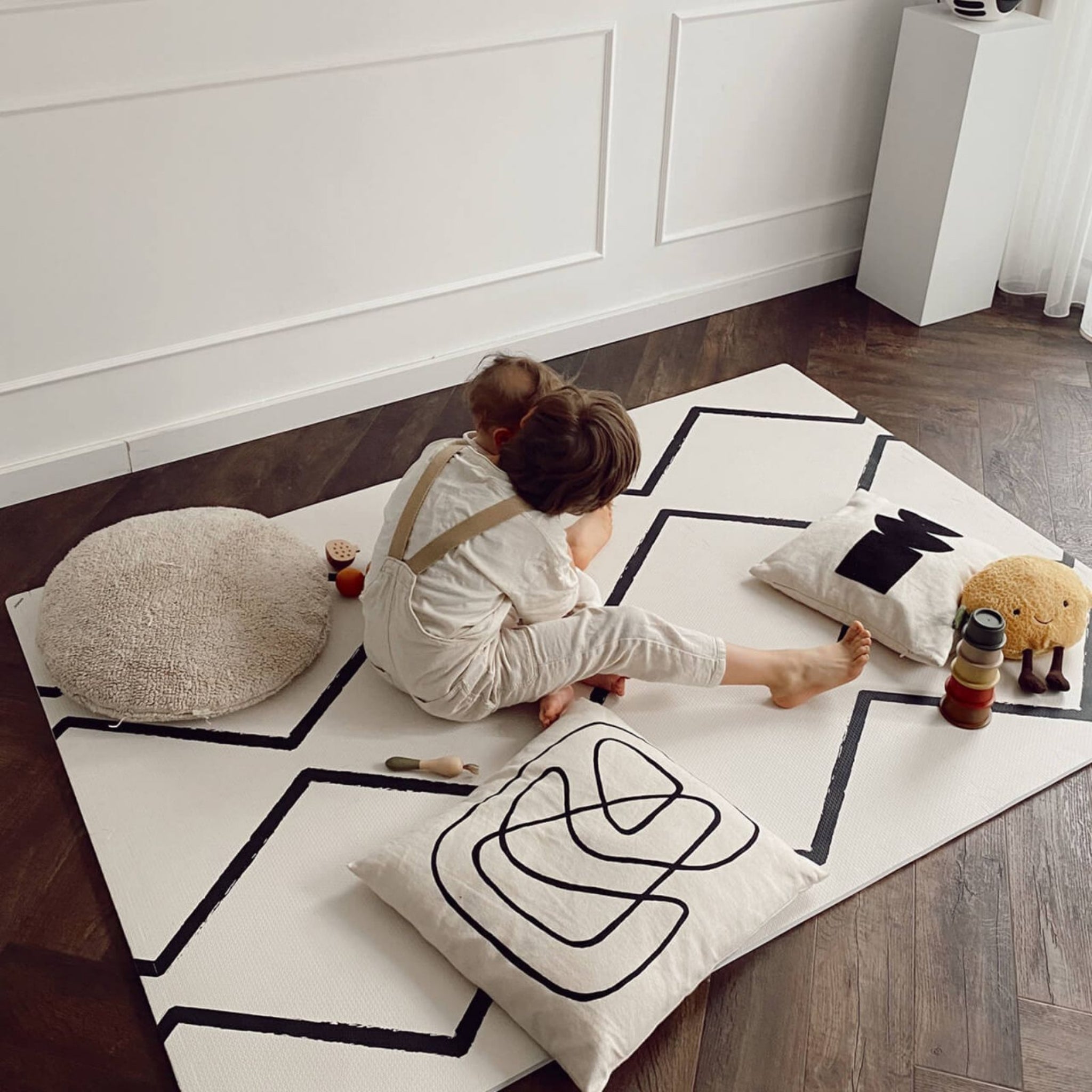
- Crawling
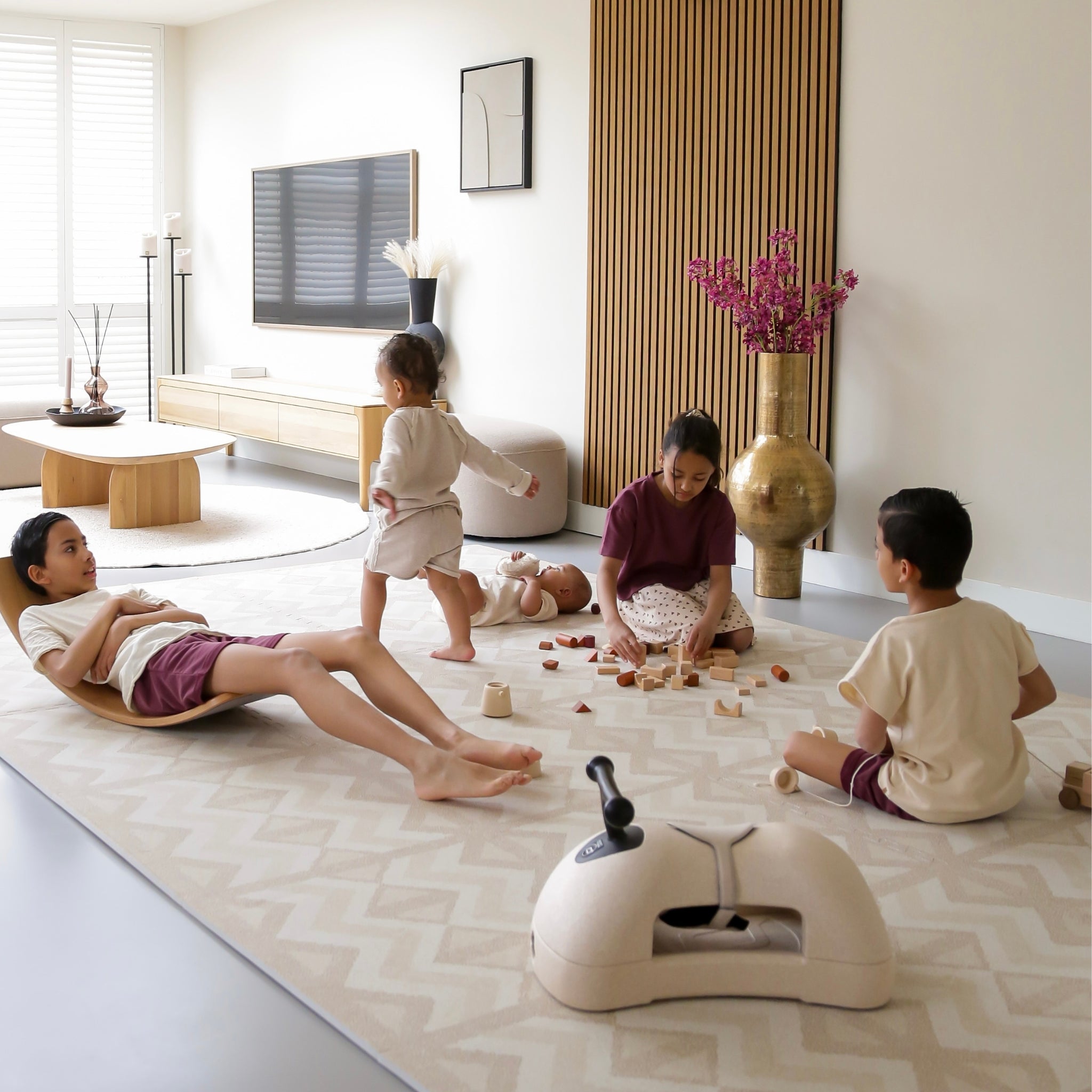
- Sitting & standing
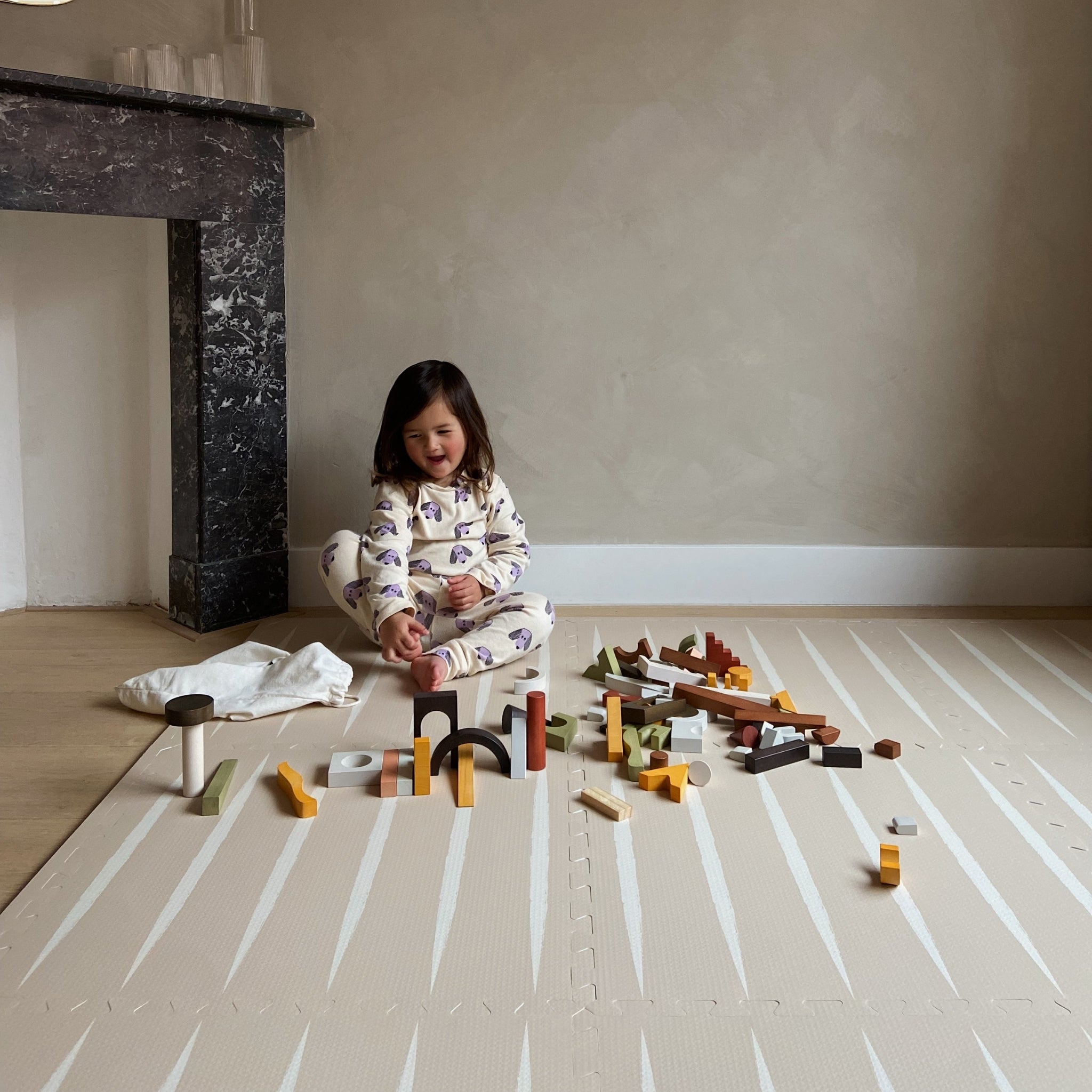
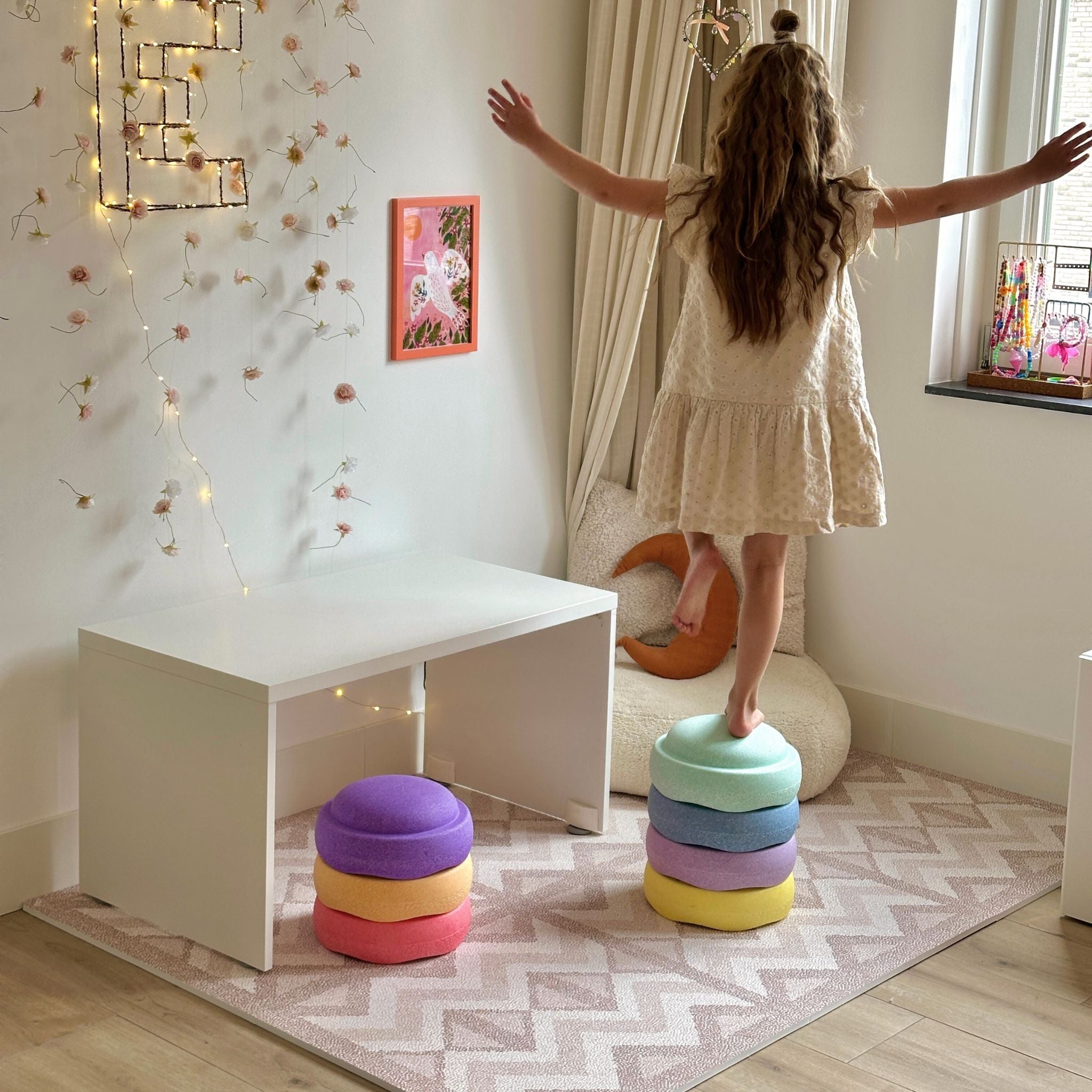
- Toddler play
- Quiet floor activities
Smart choice:
Invest in a mat that grows with your child and still looks good in your home.
Final Thoughts: What a Good Baby Play Mat Should Do
Before buying, ask yourself:
- Is it non-toxic and certified safe?
- Does it provide real cushioning?
- Will it fit my home and last years?
- Is it easy to clean?
If the answer isn’t “yes” to all four, it’s worth reconsidering.