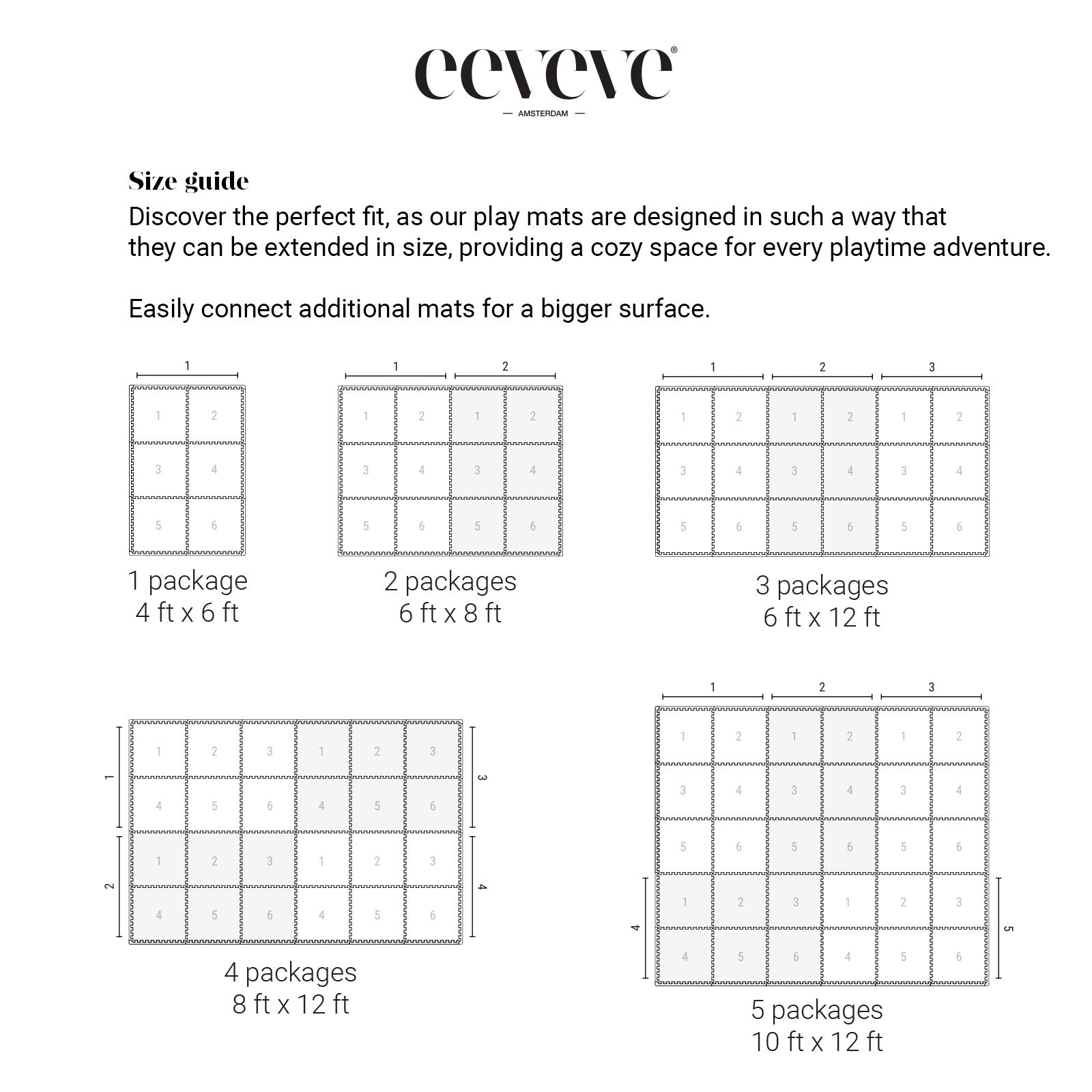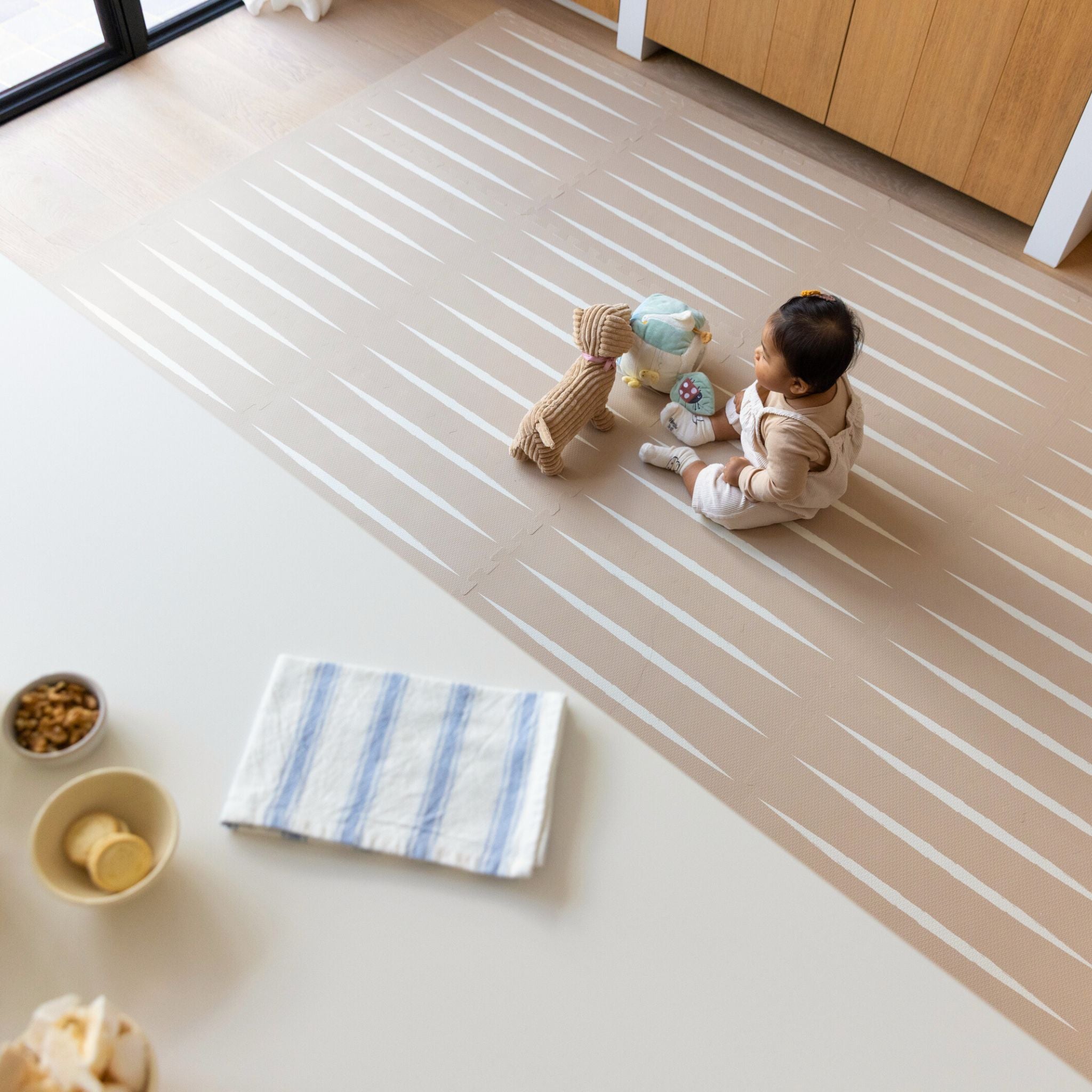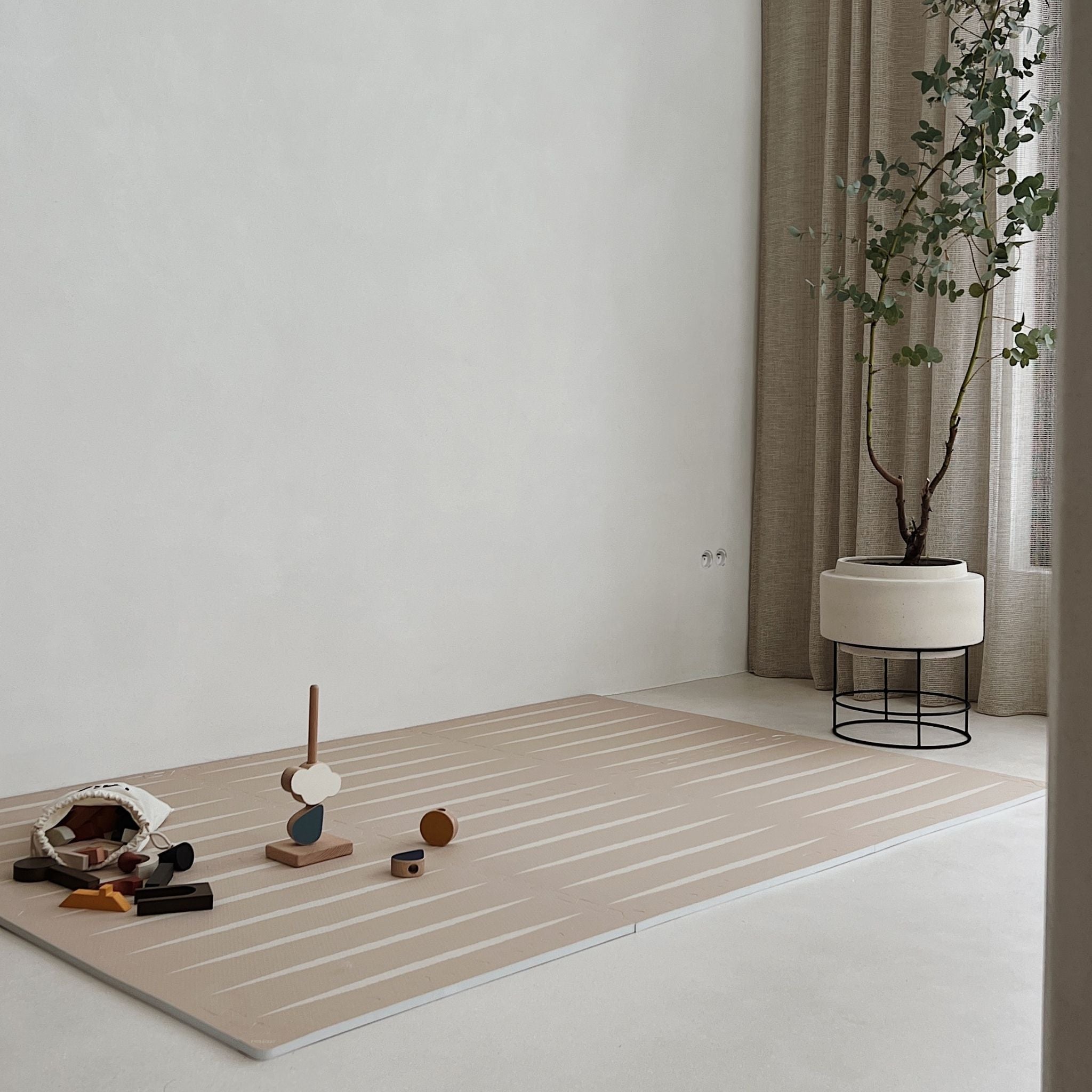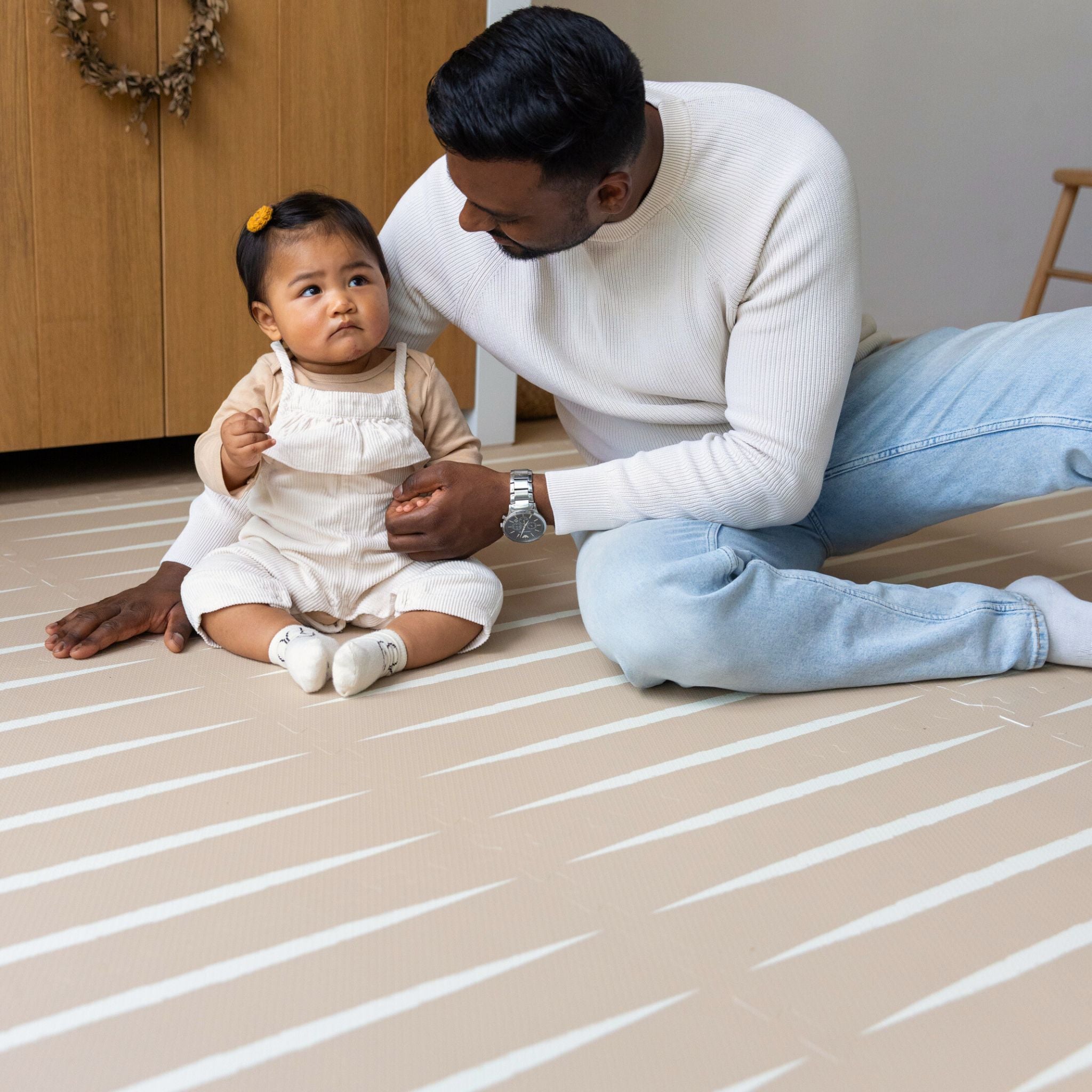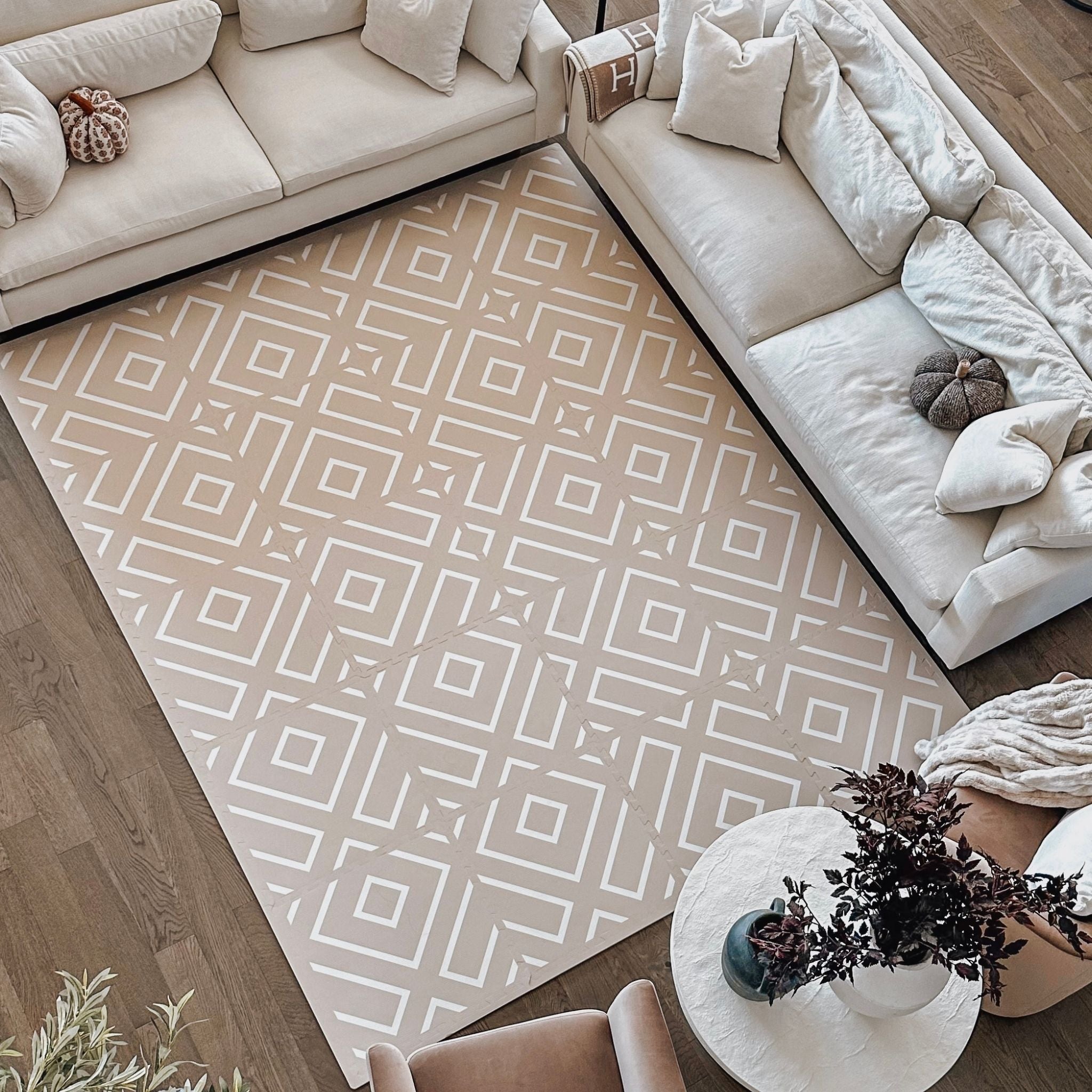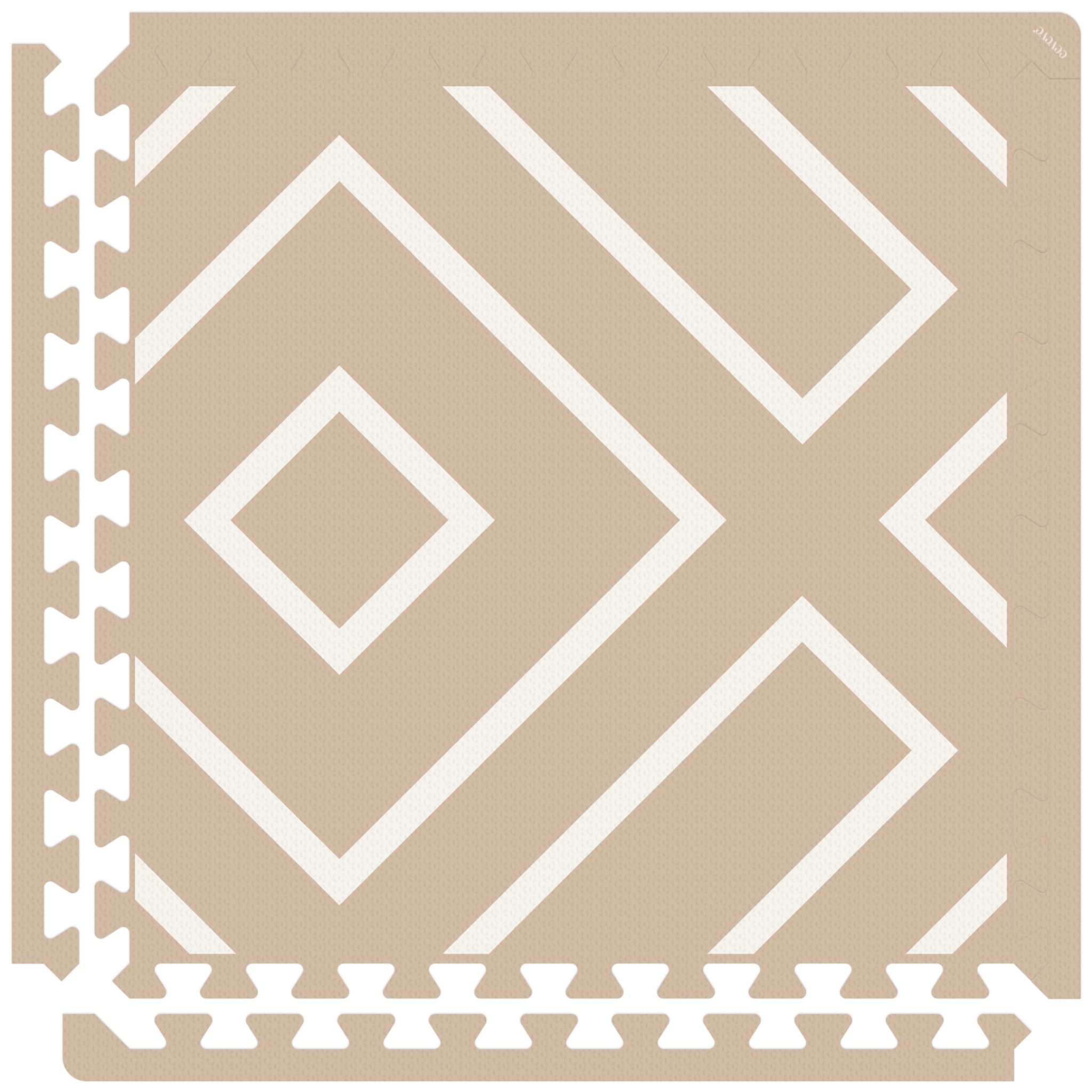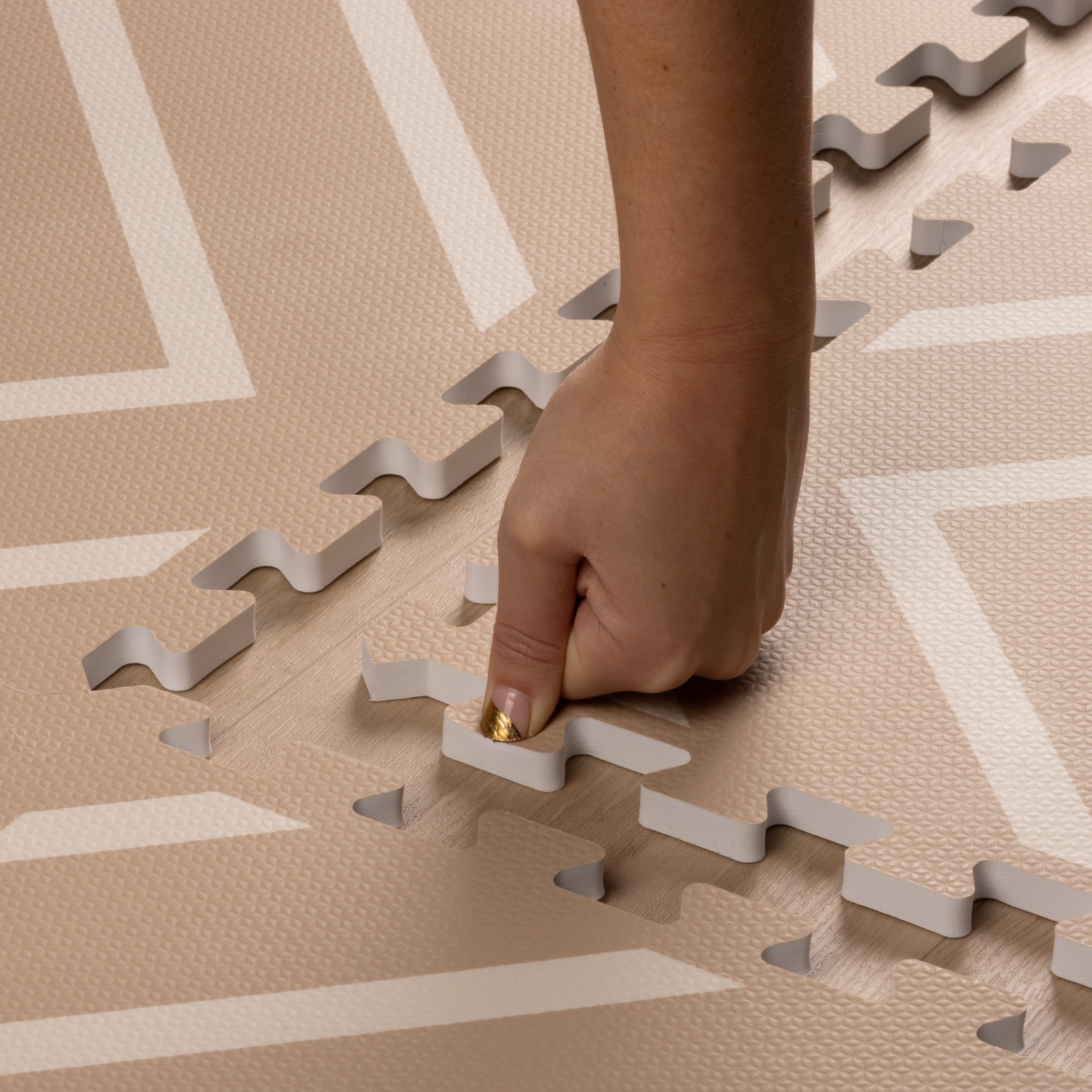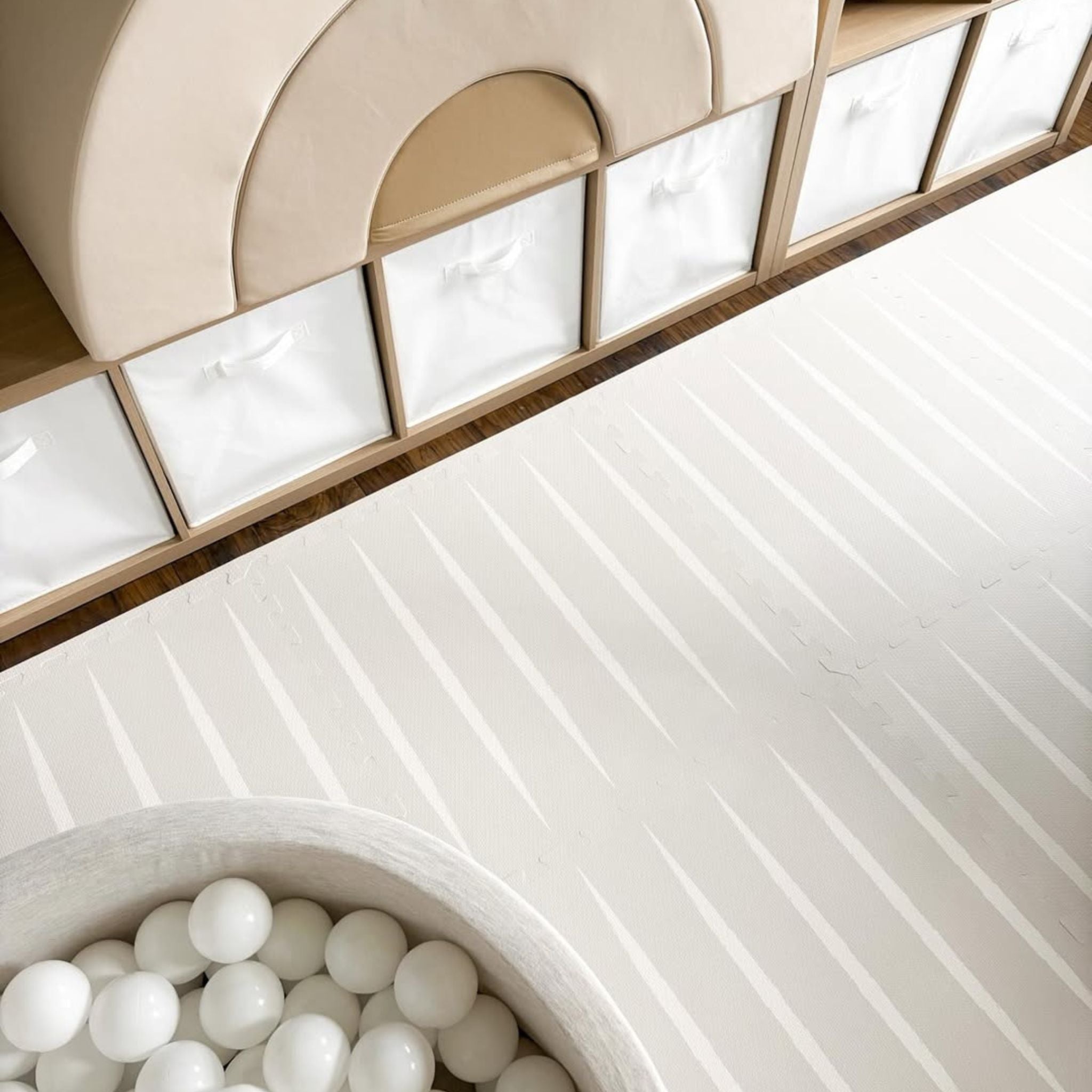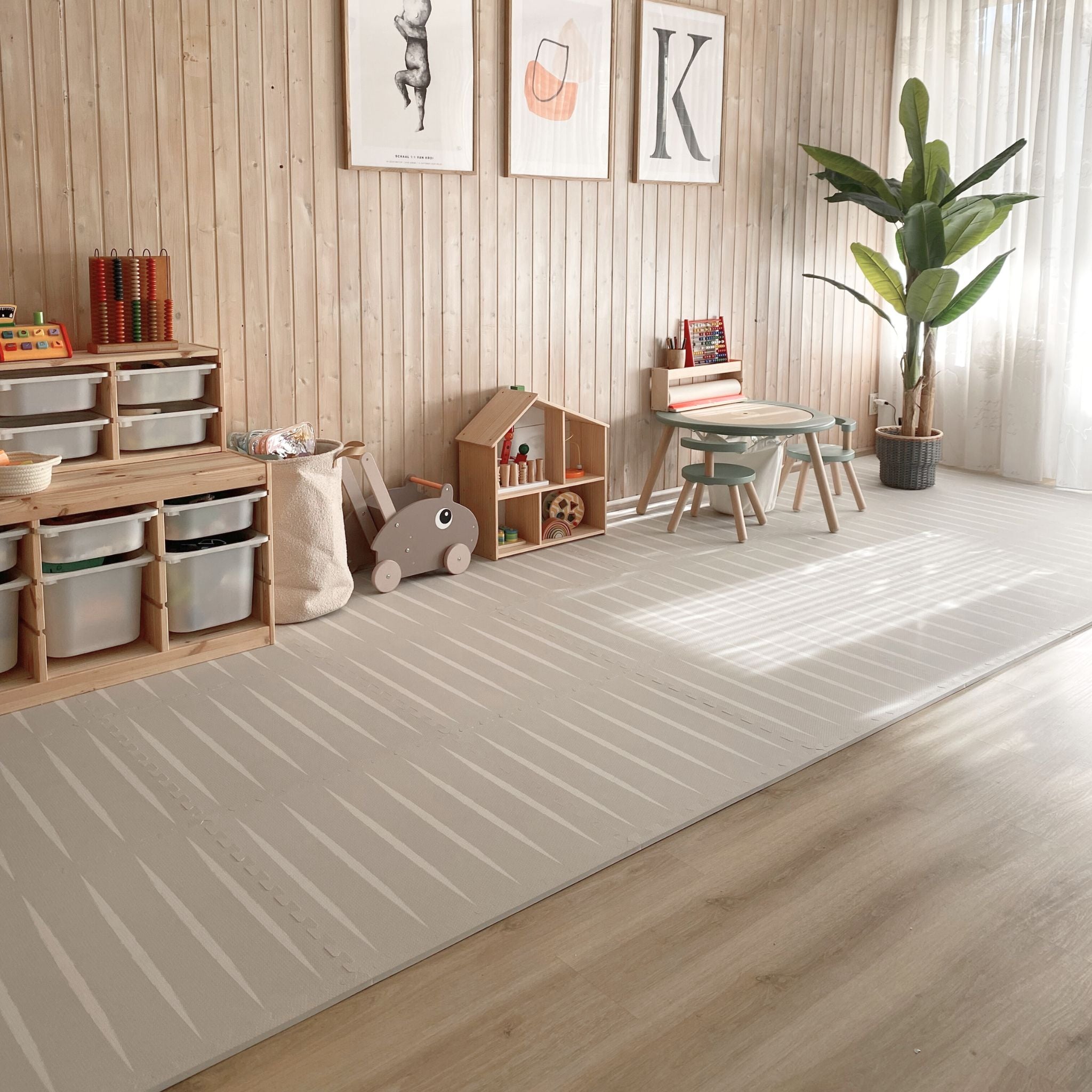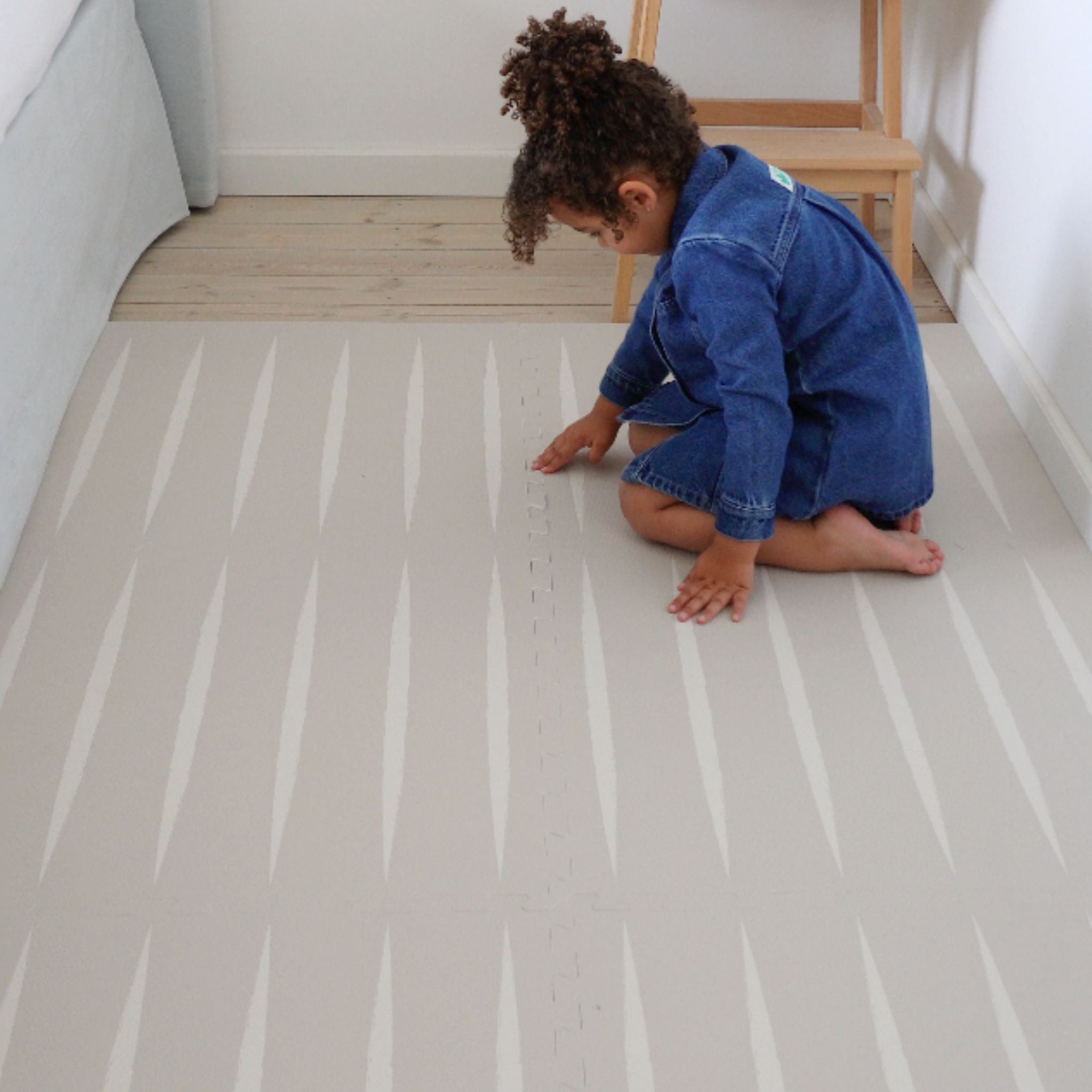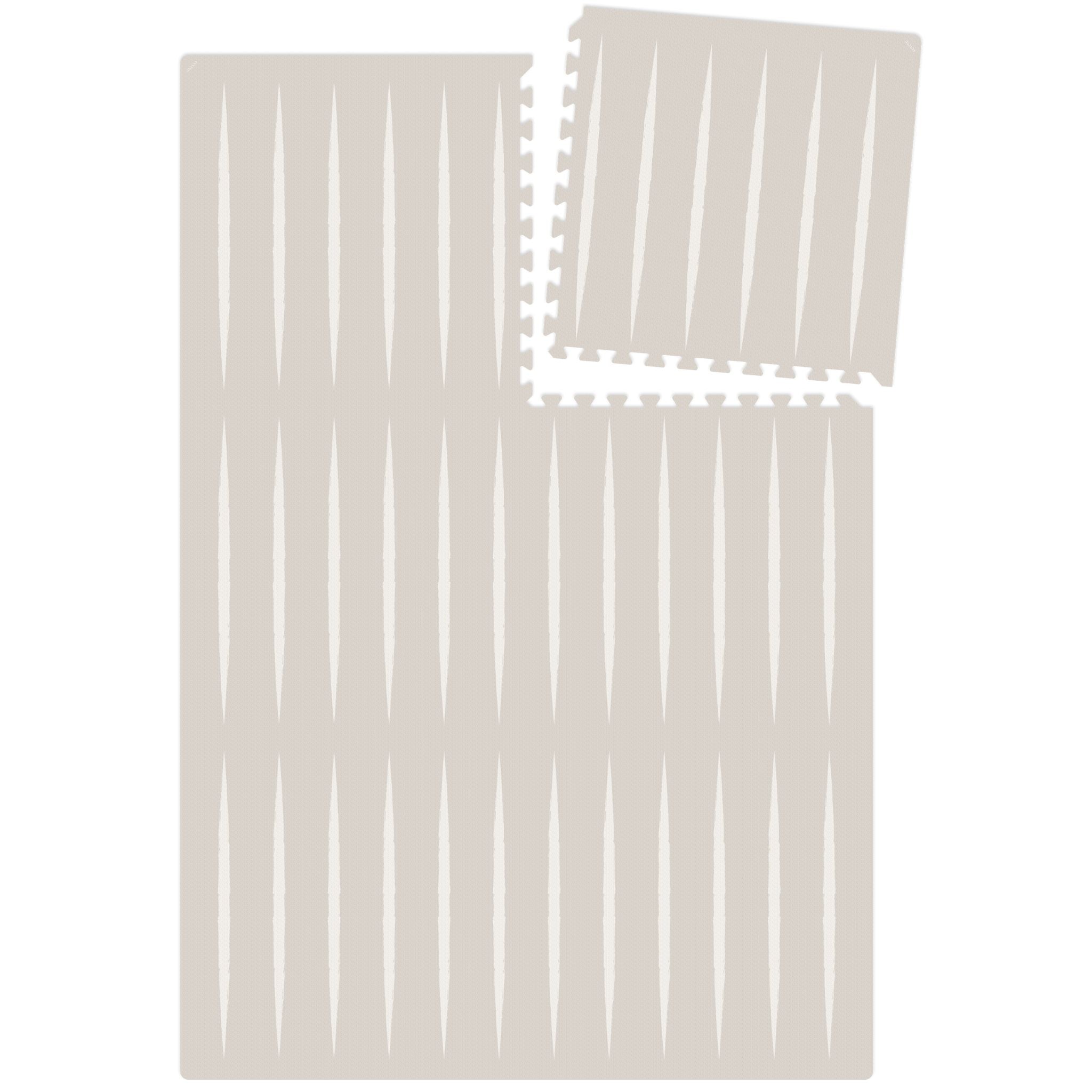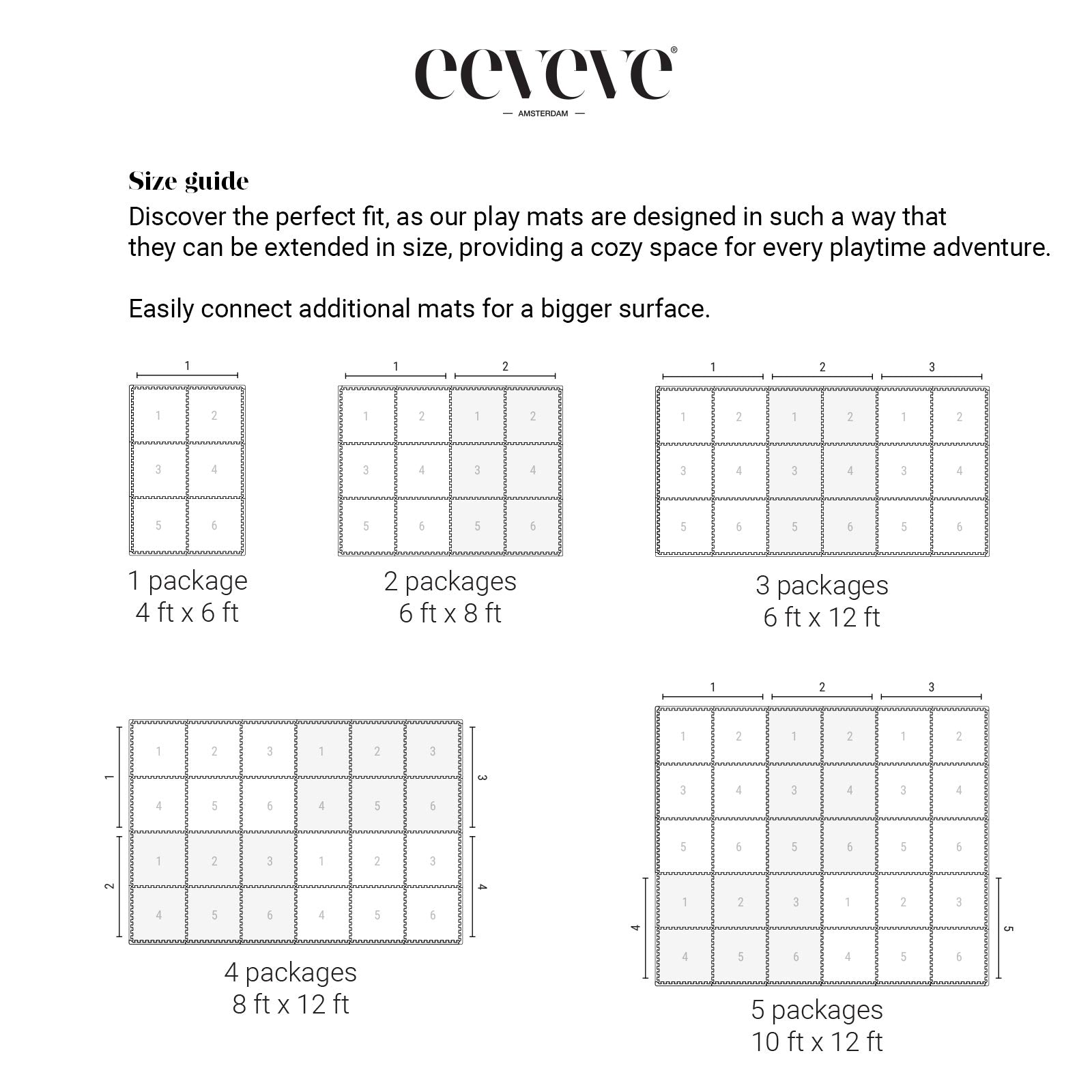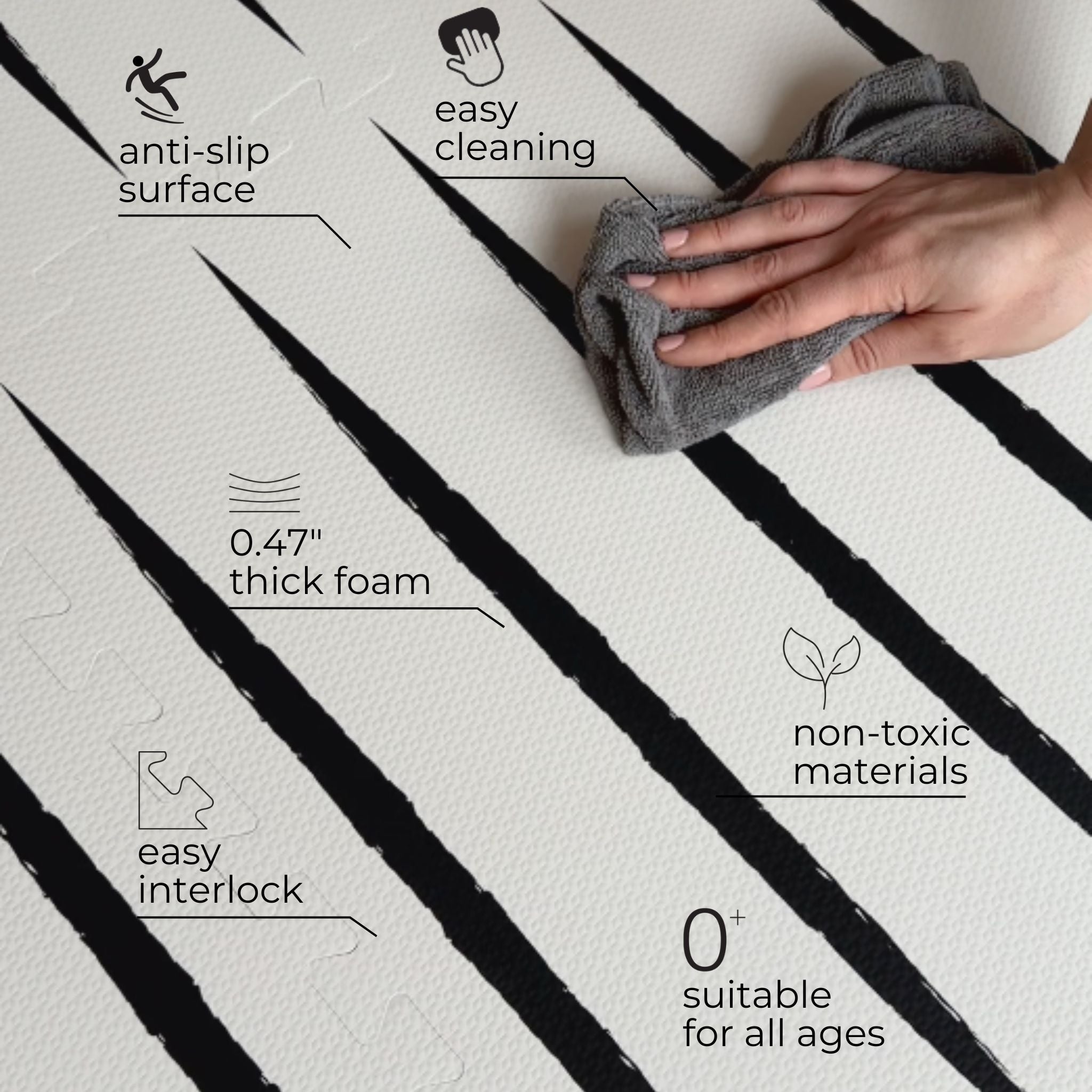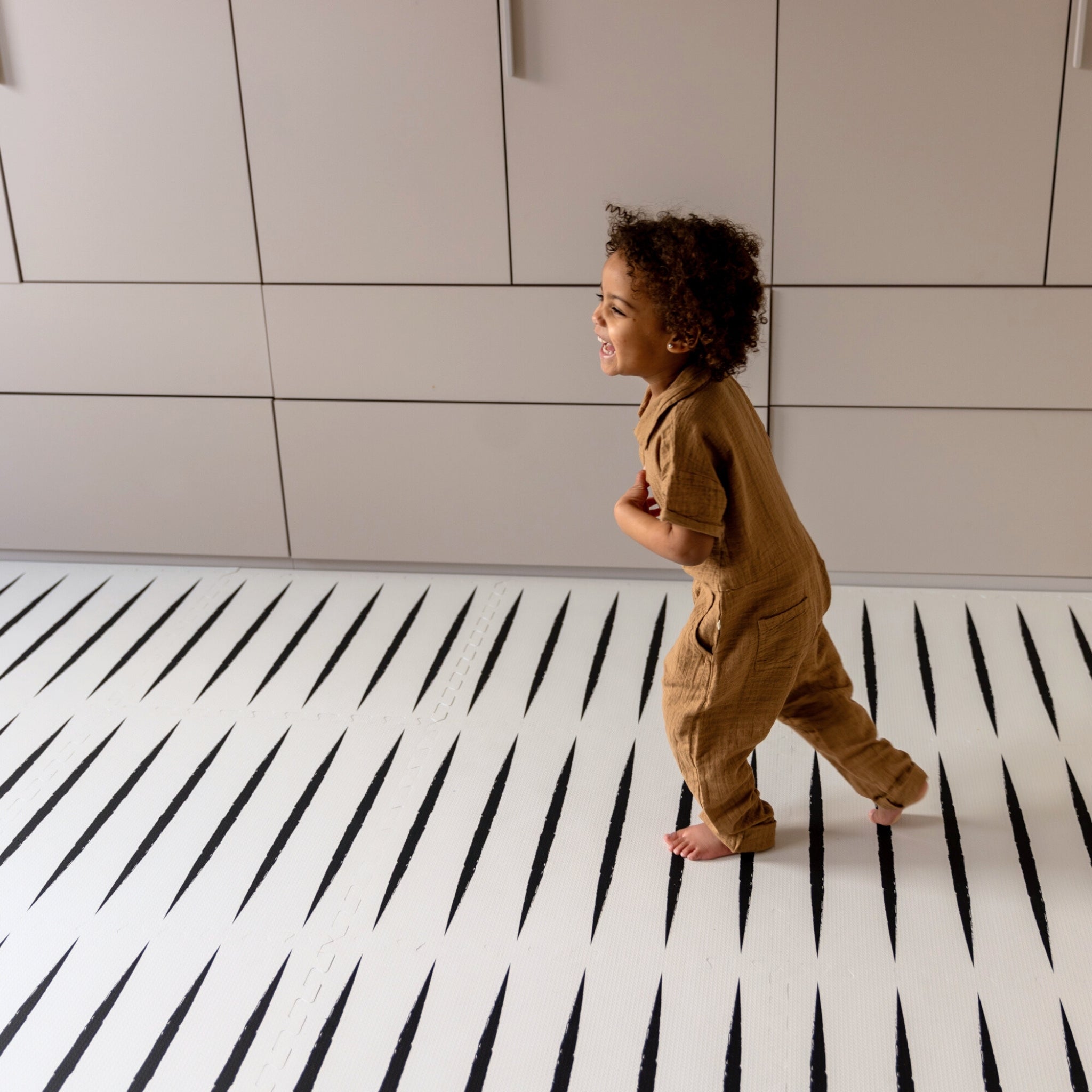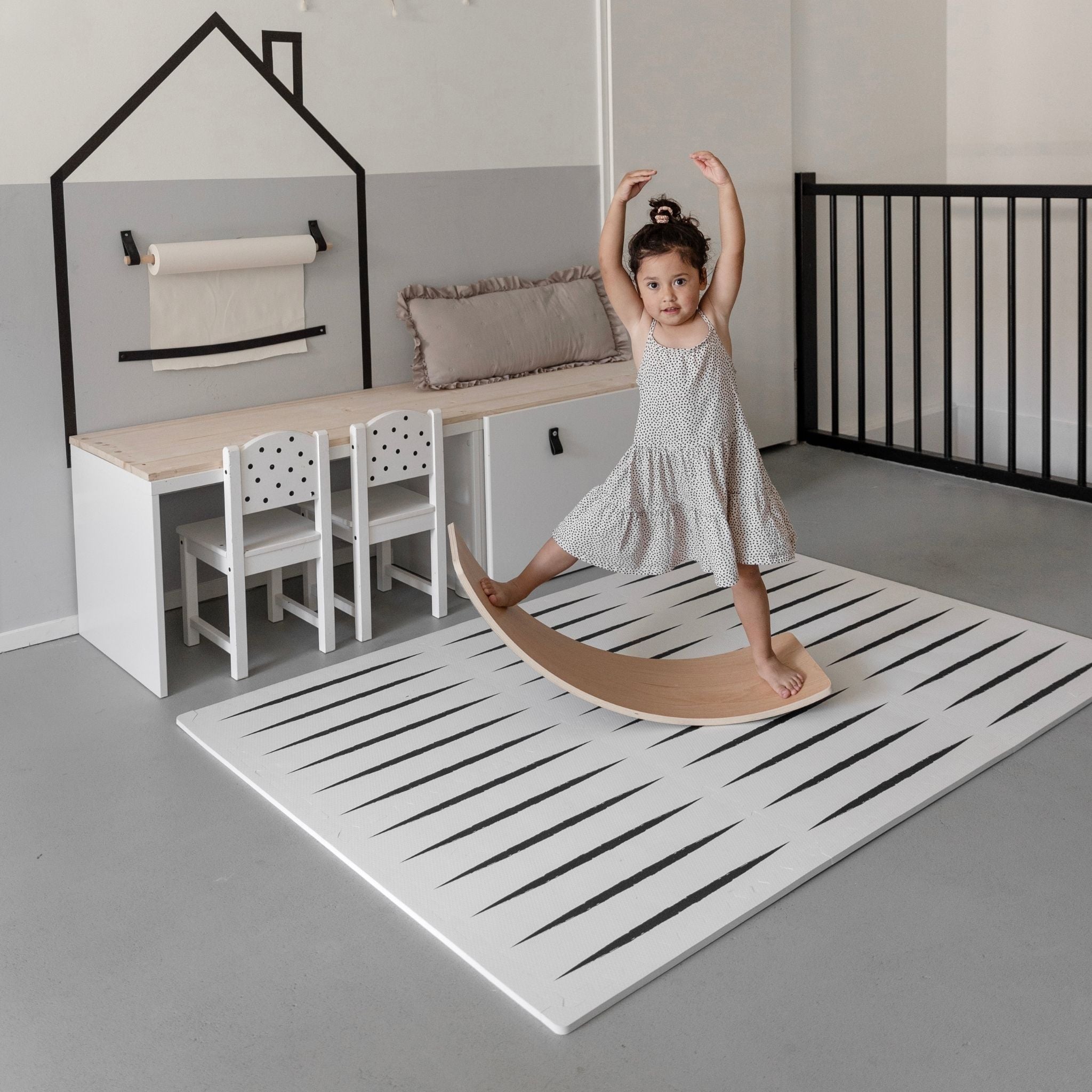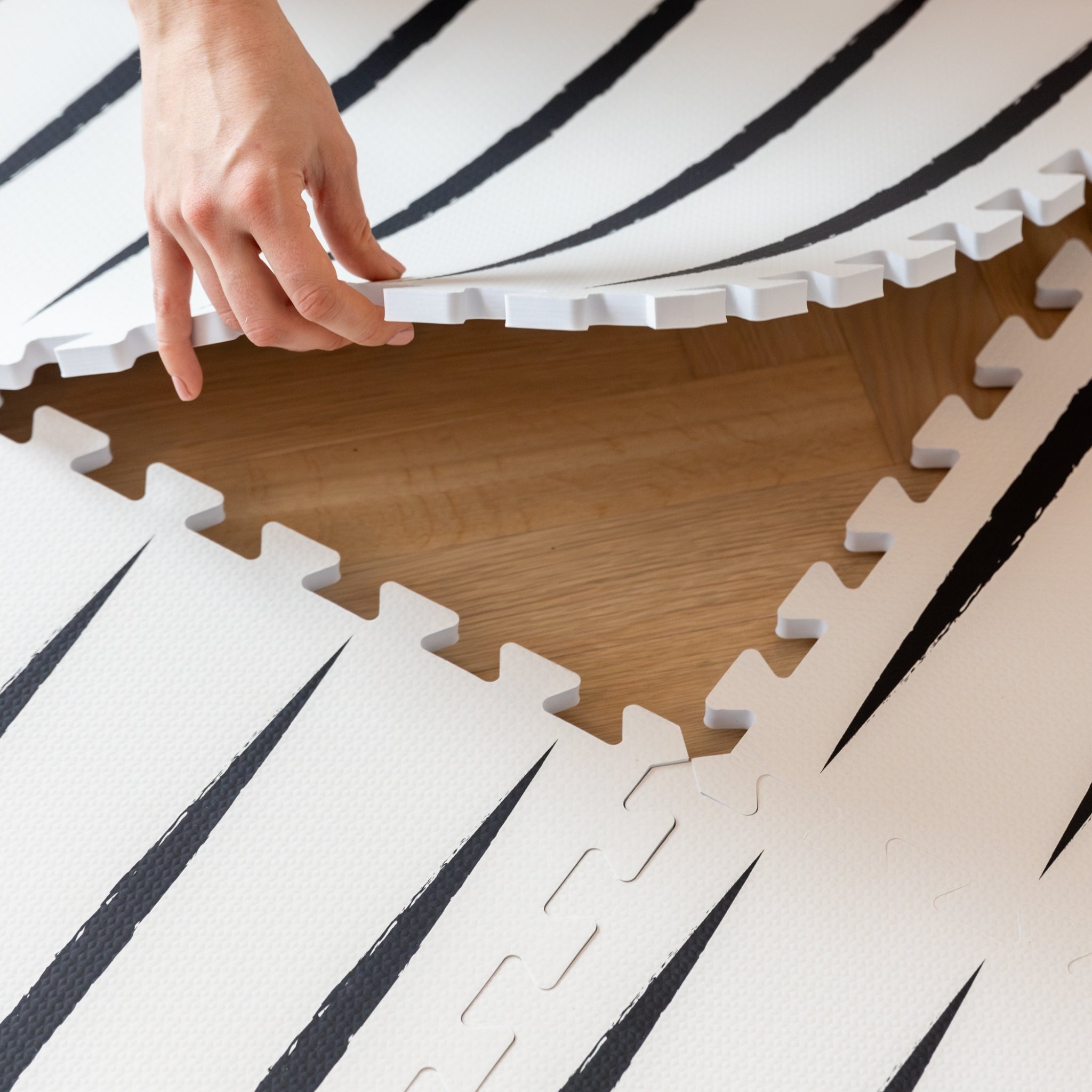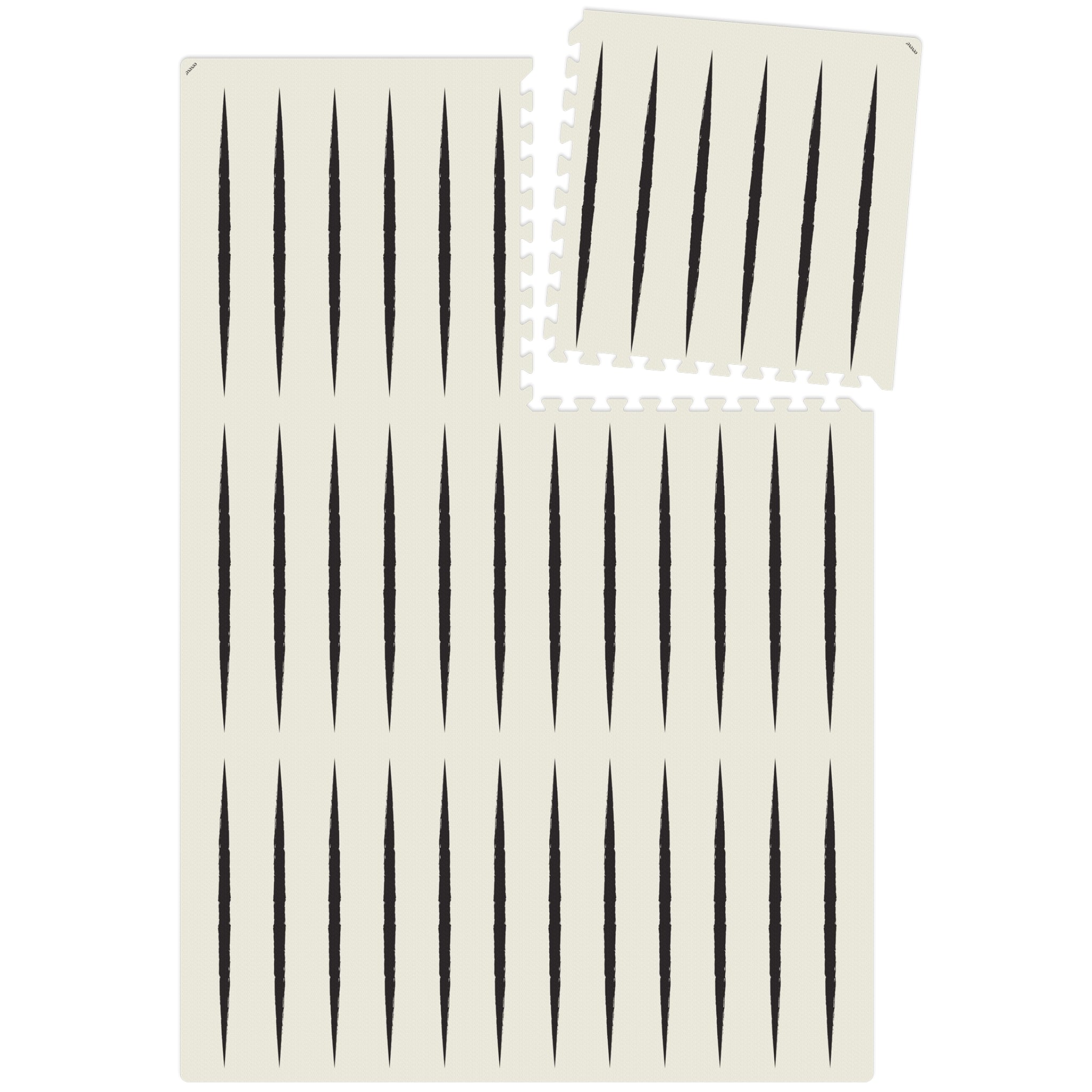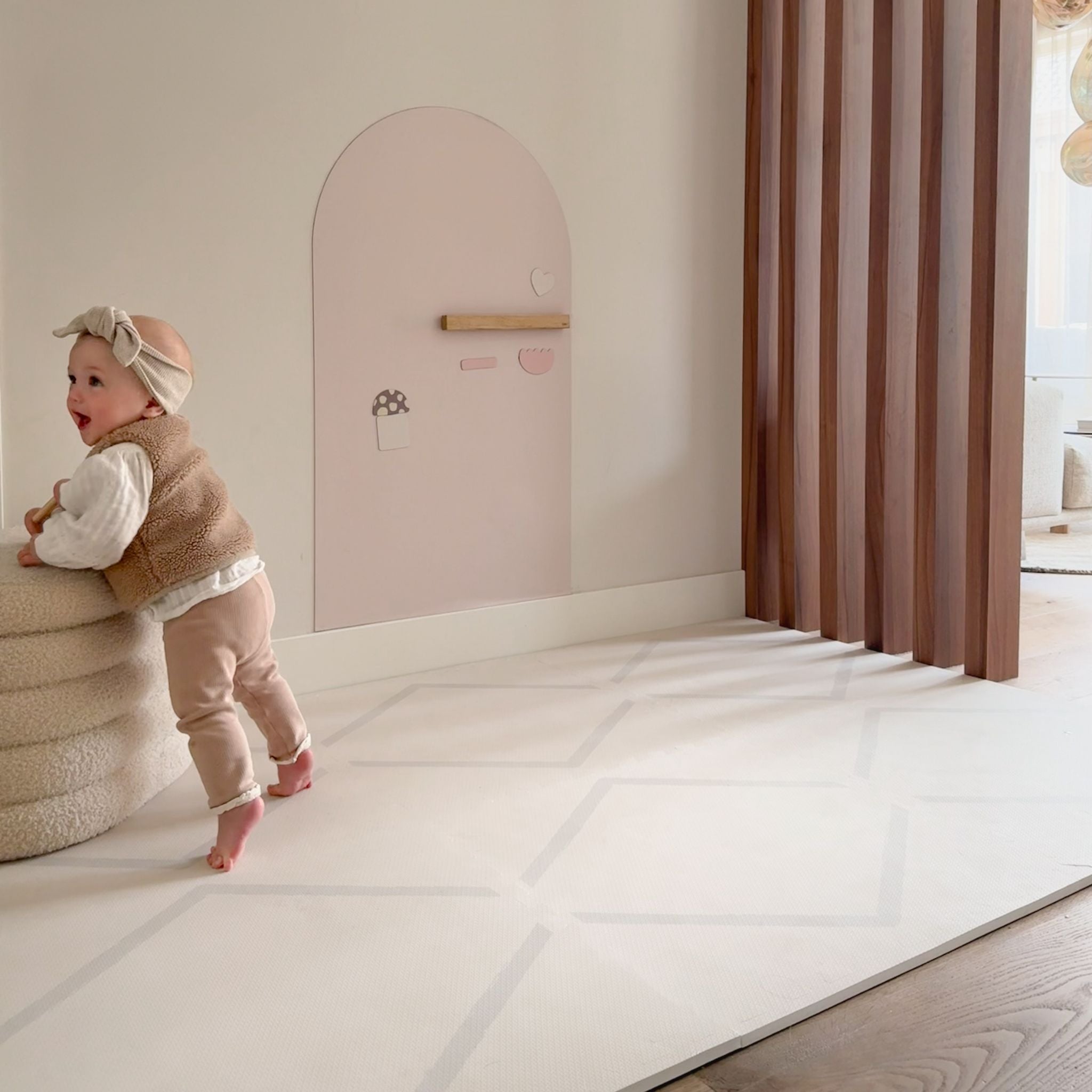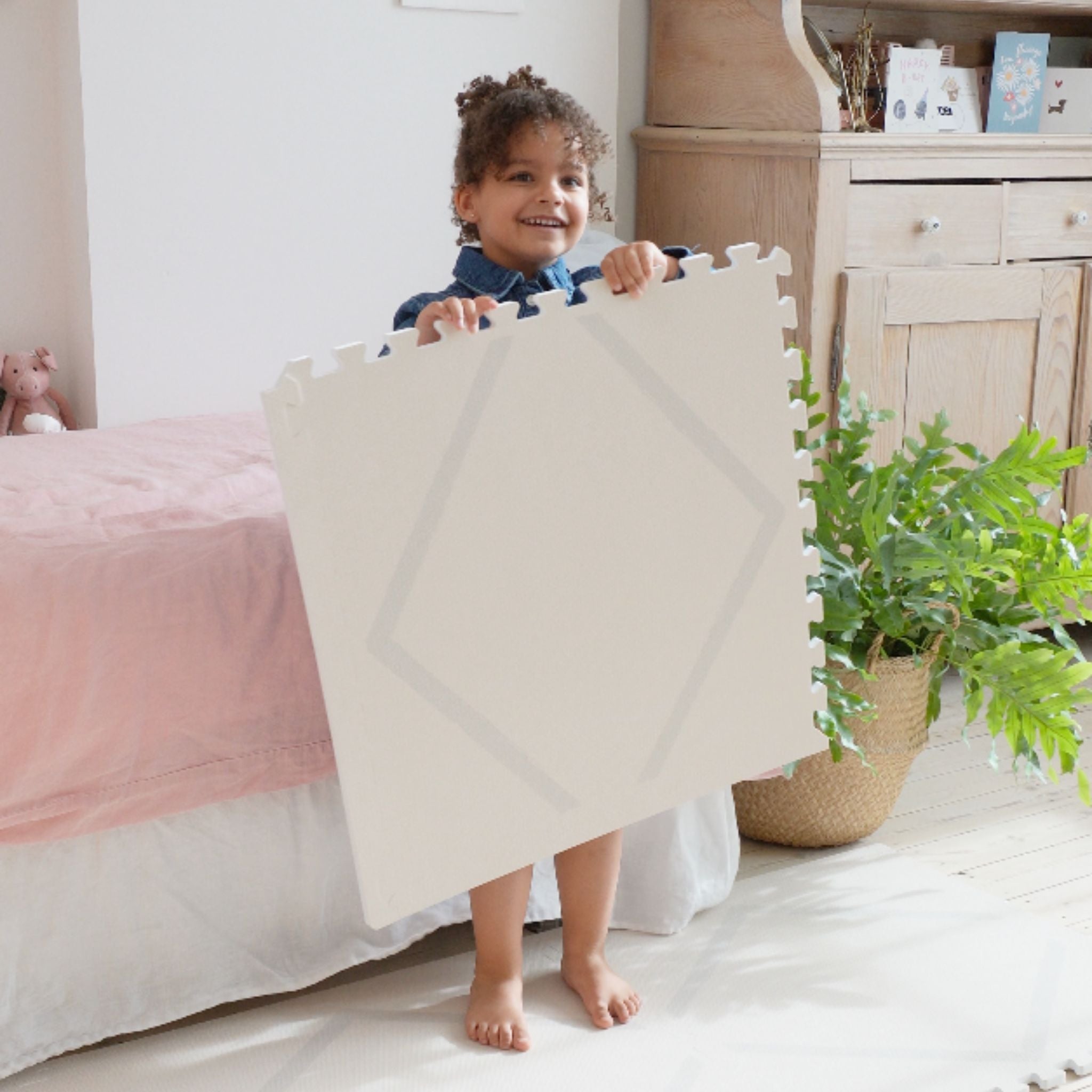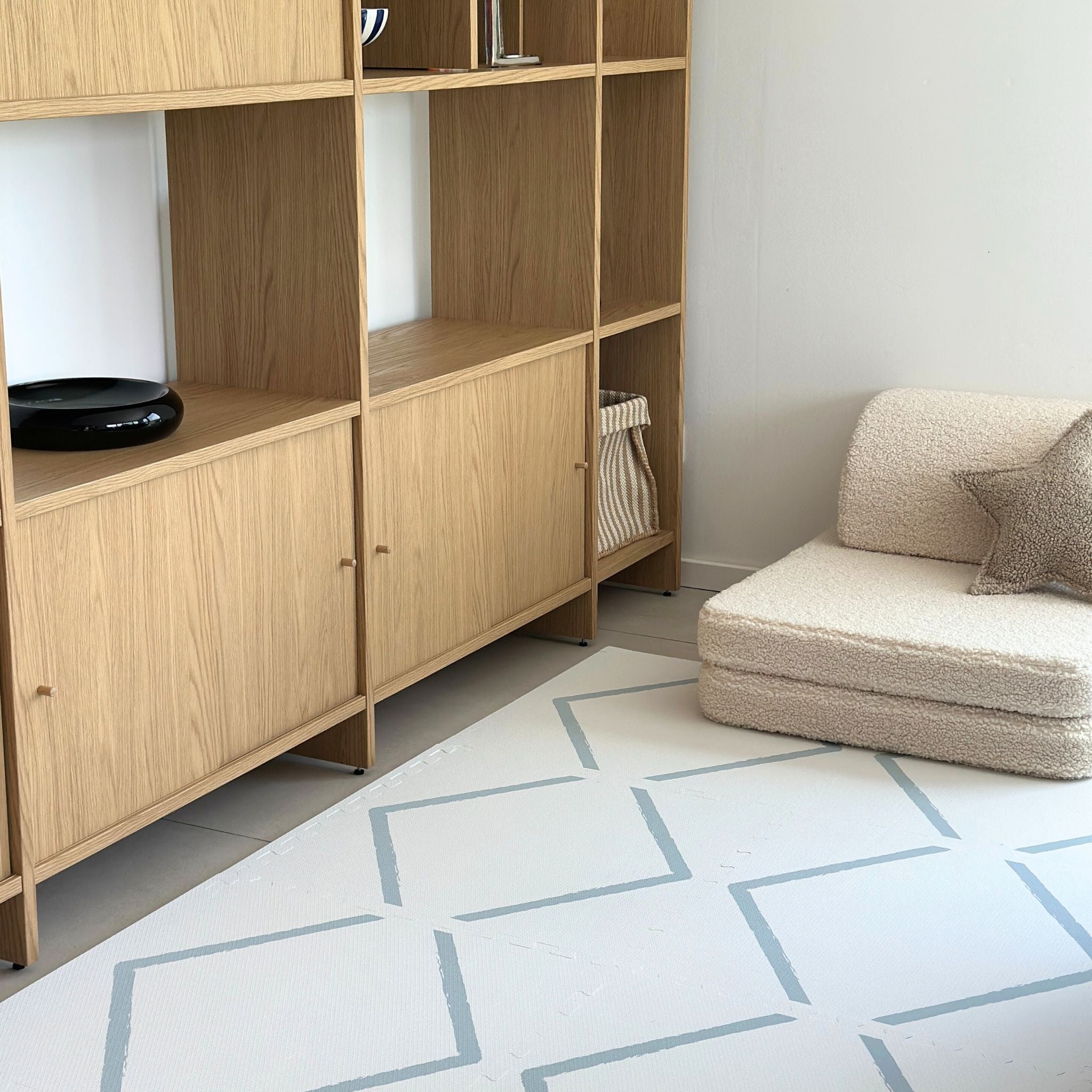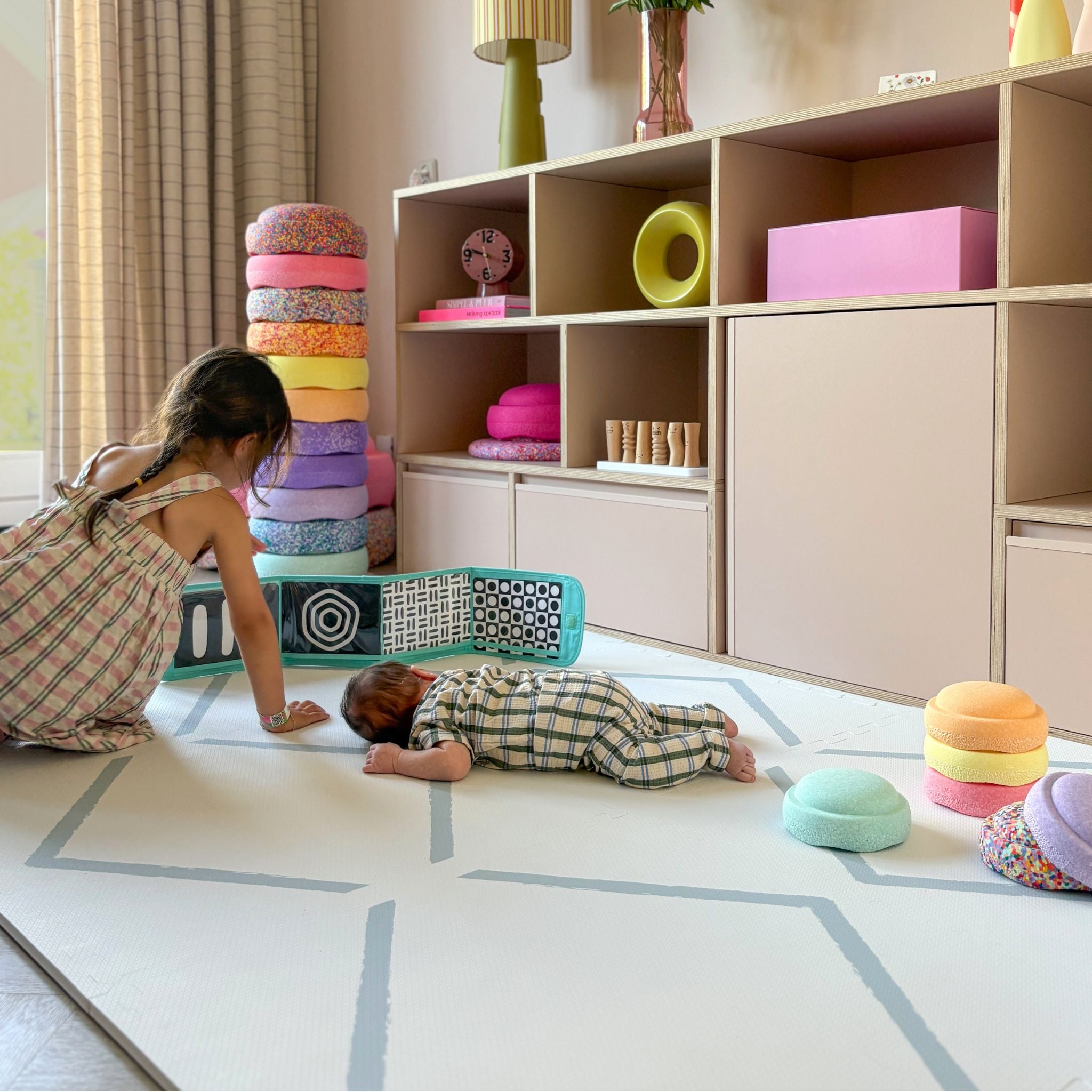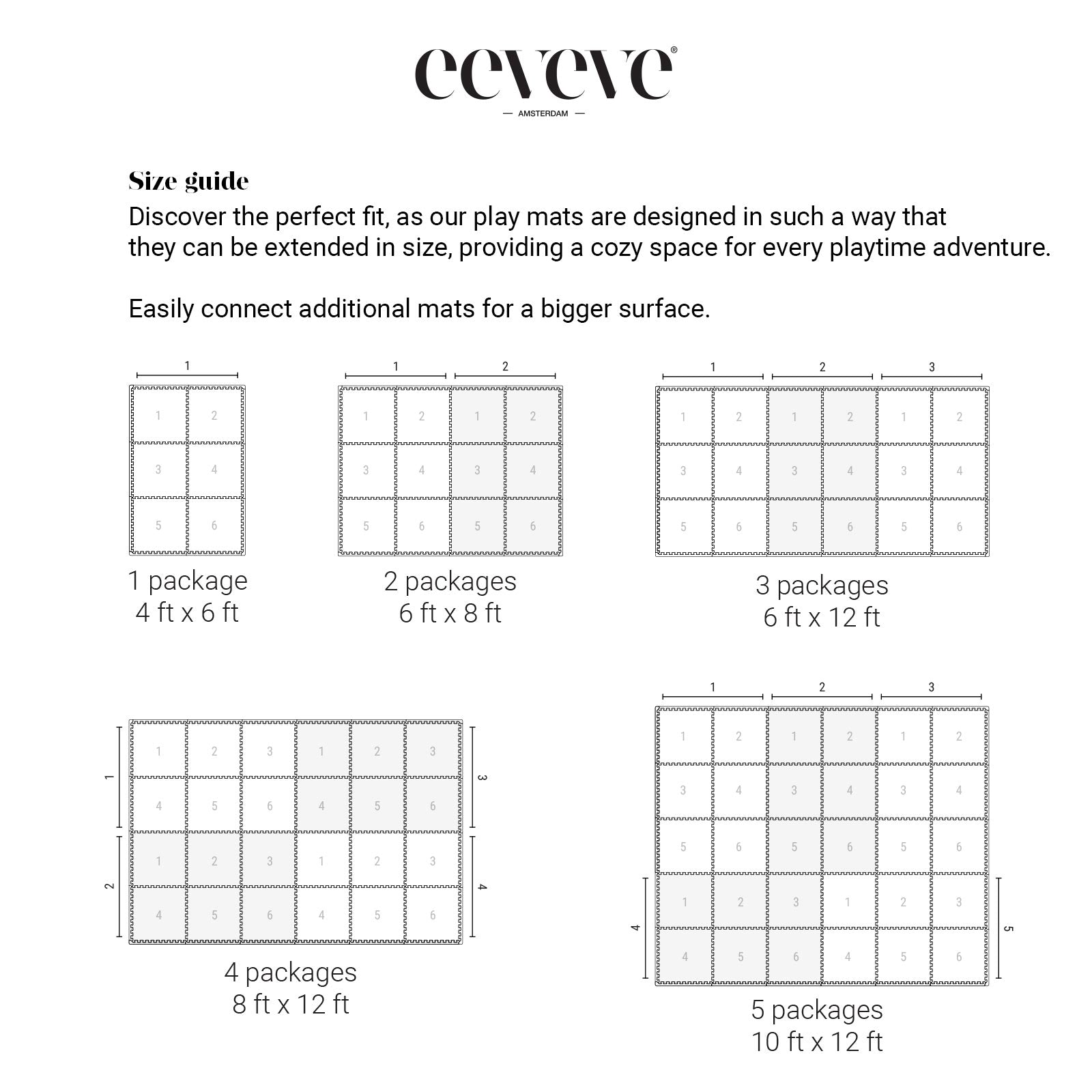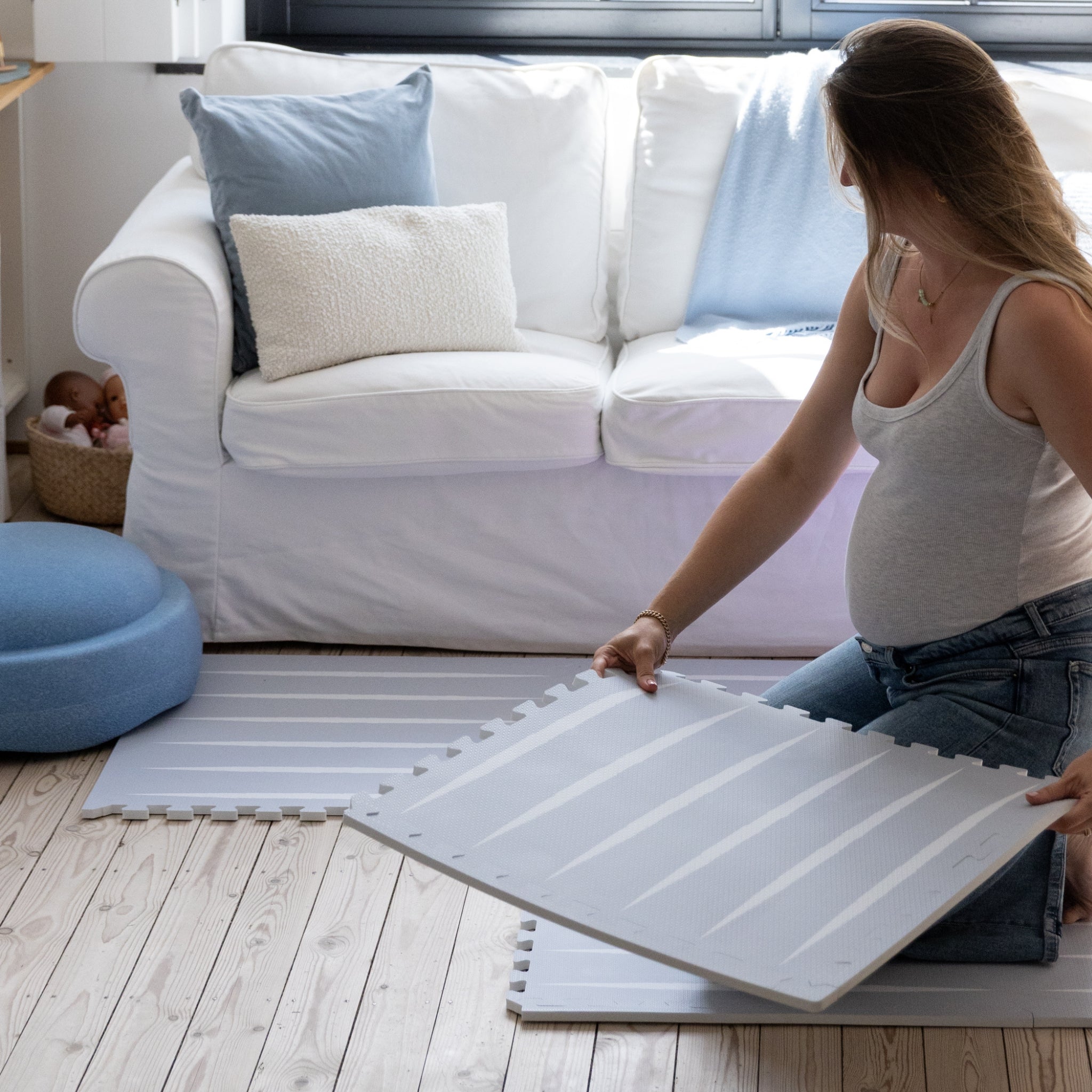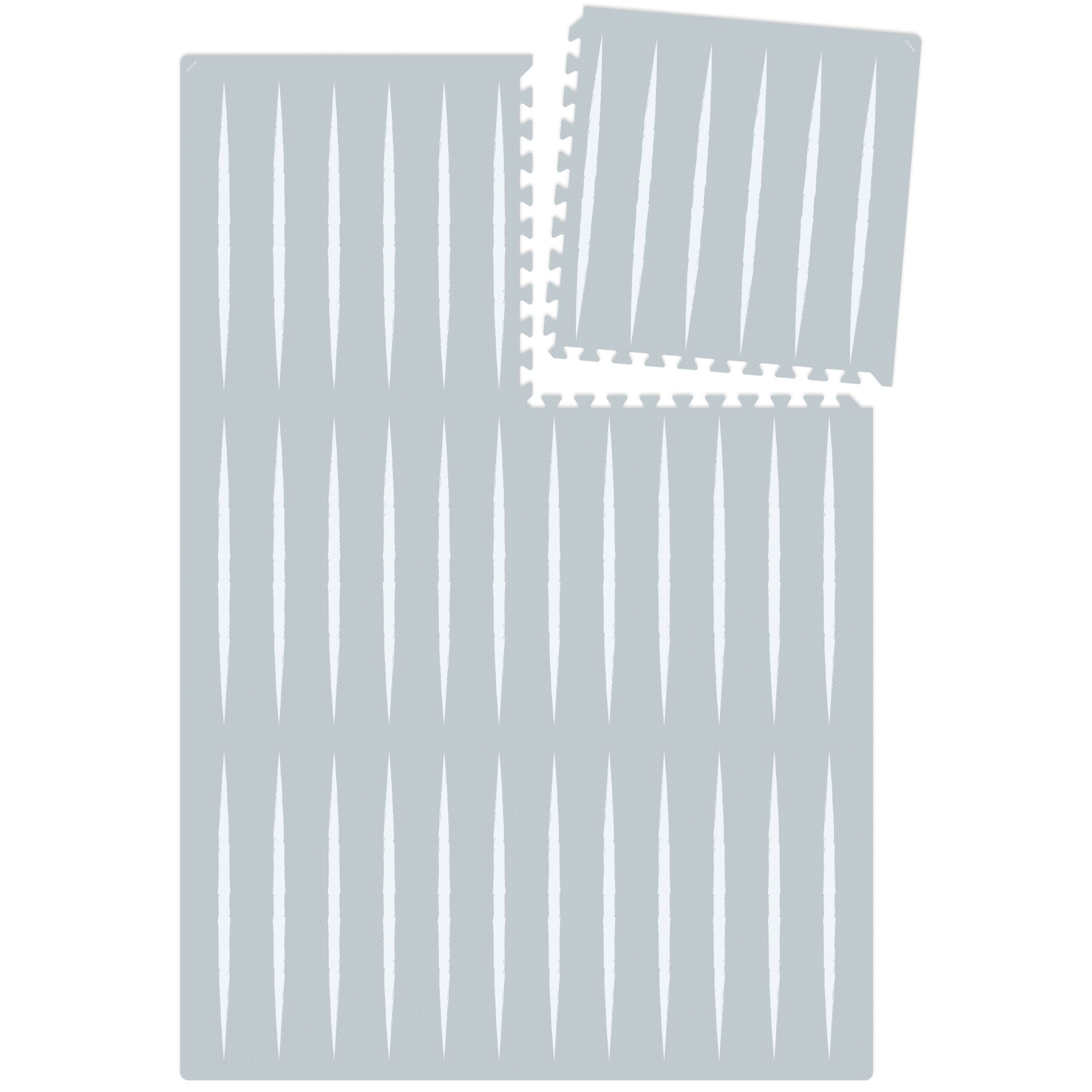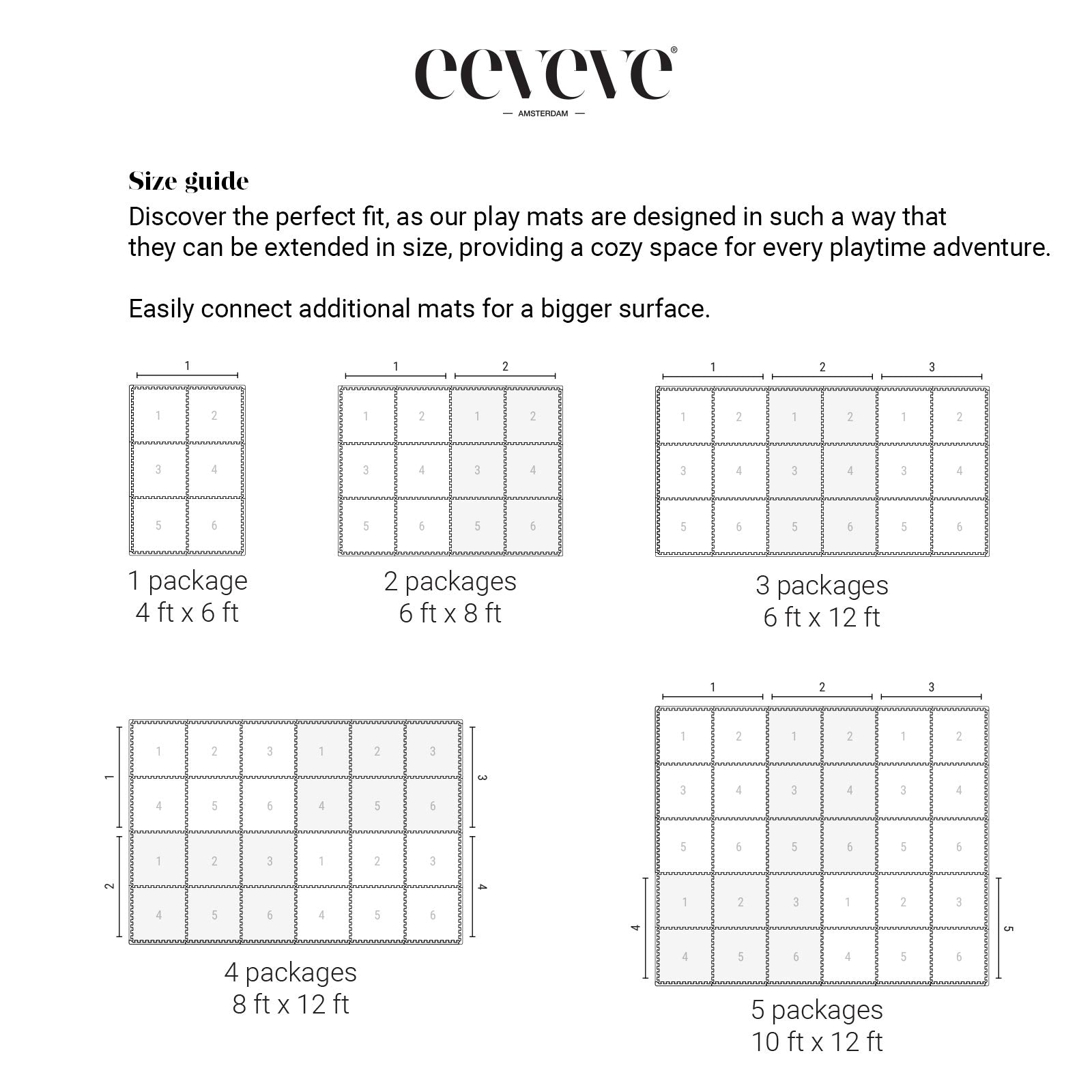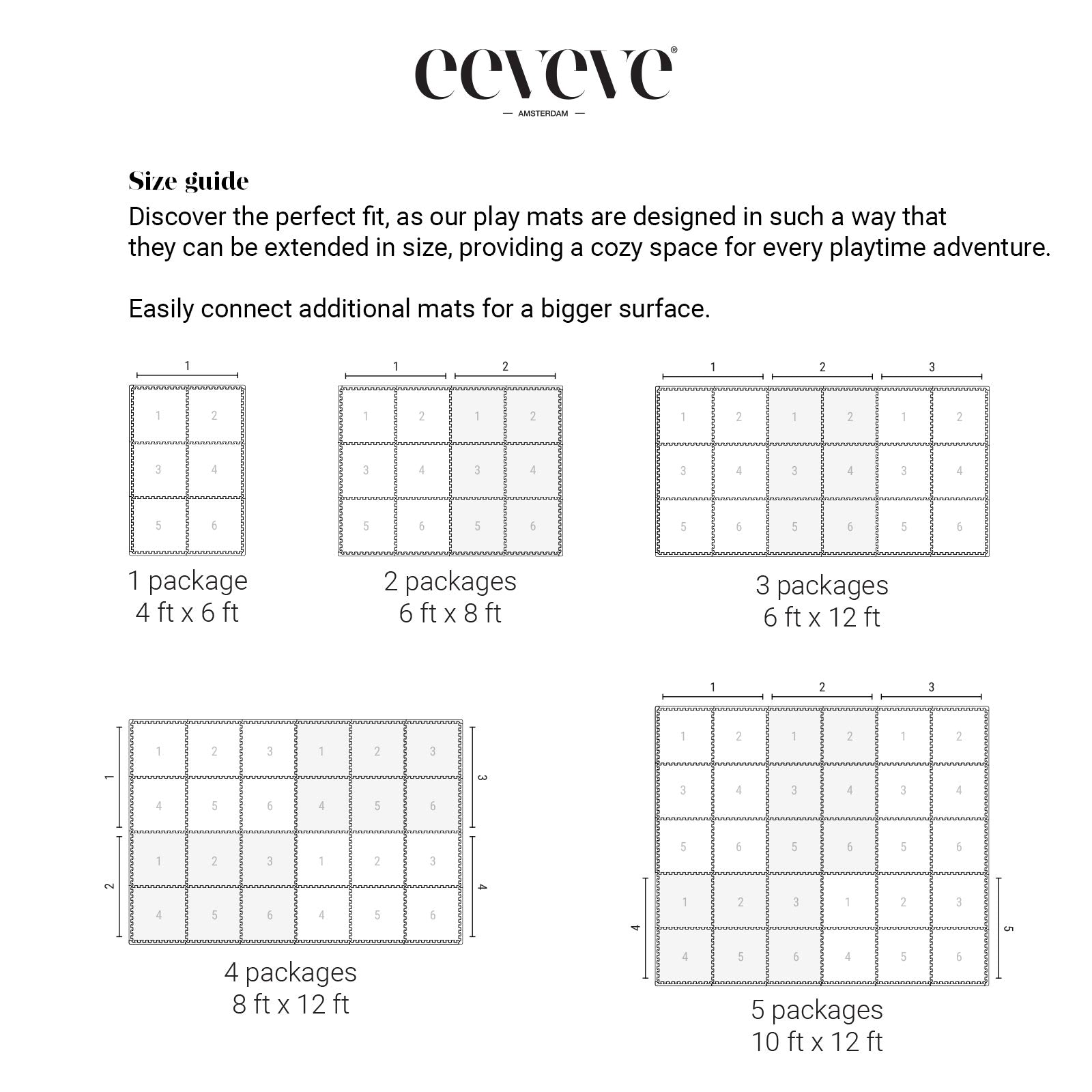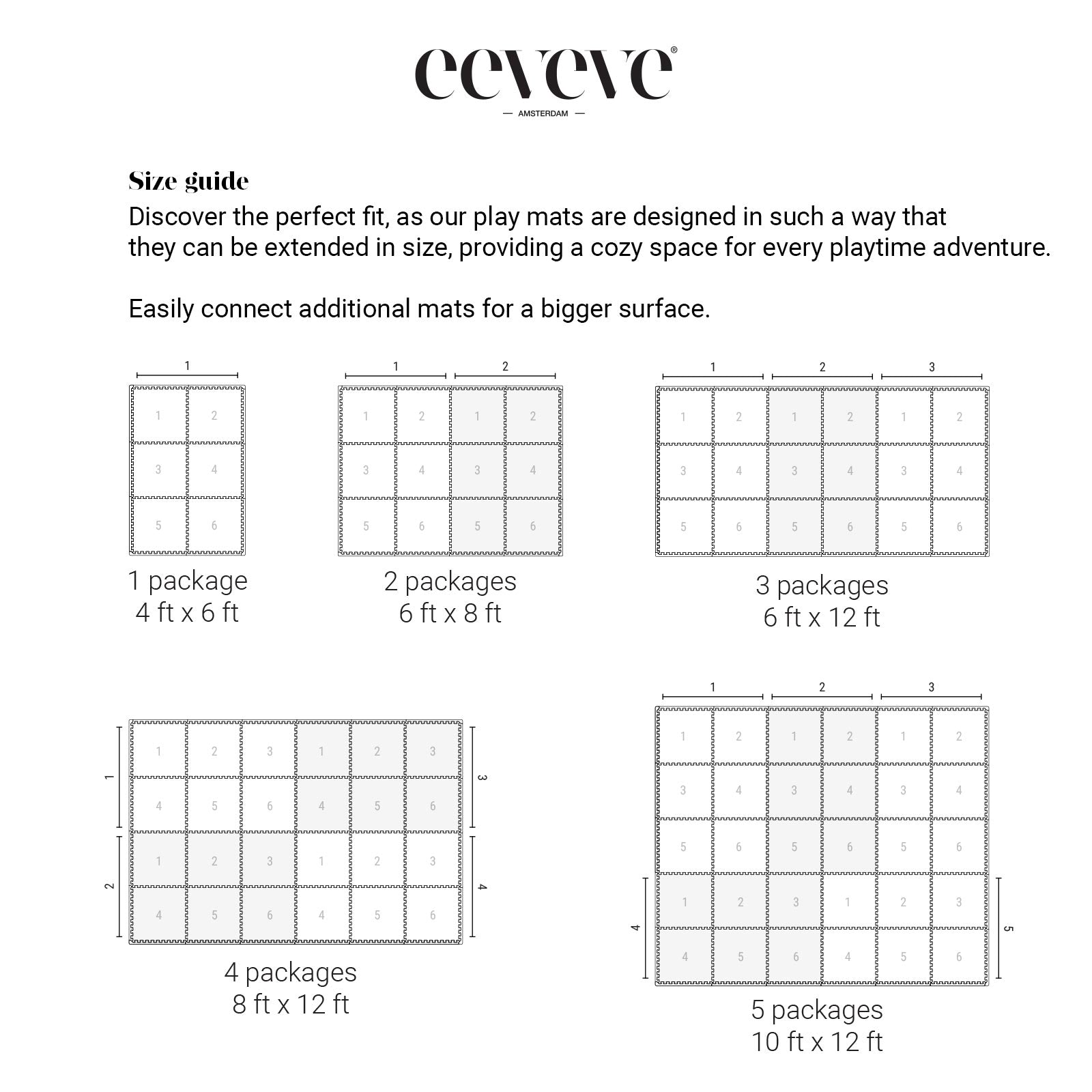

Short answer: measure the clear floor space you actually have, in feet, round down to the nearest whole foot, and match it to one of our eight sizes from 4 ft by 6 ft up to 16 ft by 12 ft. If you would rather see it than measure it, our room planner lets you test a size against your own floor before you buy.
The question underneath is usually not the mat size, it is whether the room can actually hold it once a sofa, a bookshelf or a crib is already in there. Measuring for a play mat is less about the mat and more about what is left over once the furniture stays put.

What should you actually measure?
Measure the open floor only, not the whole room. Walk the space with a tape measure and mark where furniture already sits: a sofa, a crib, a bookshelf, a play kitchen. What is left between those pieces, in feet, is the number that matters. Write down the longest clear length and the longest clear width, then compare both to our size list rather than rounding up on instinct.
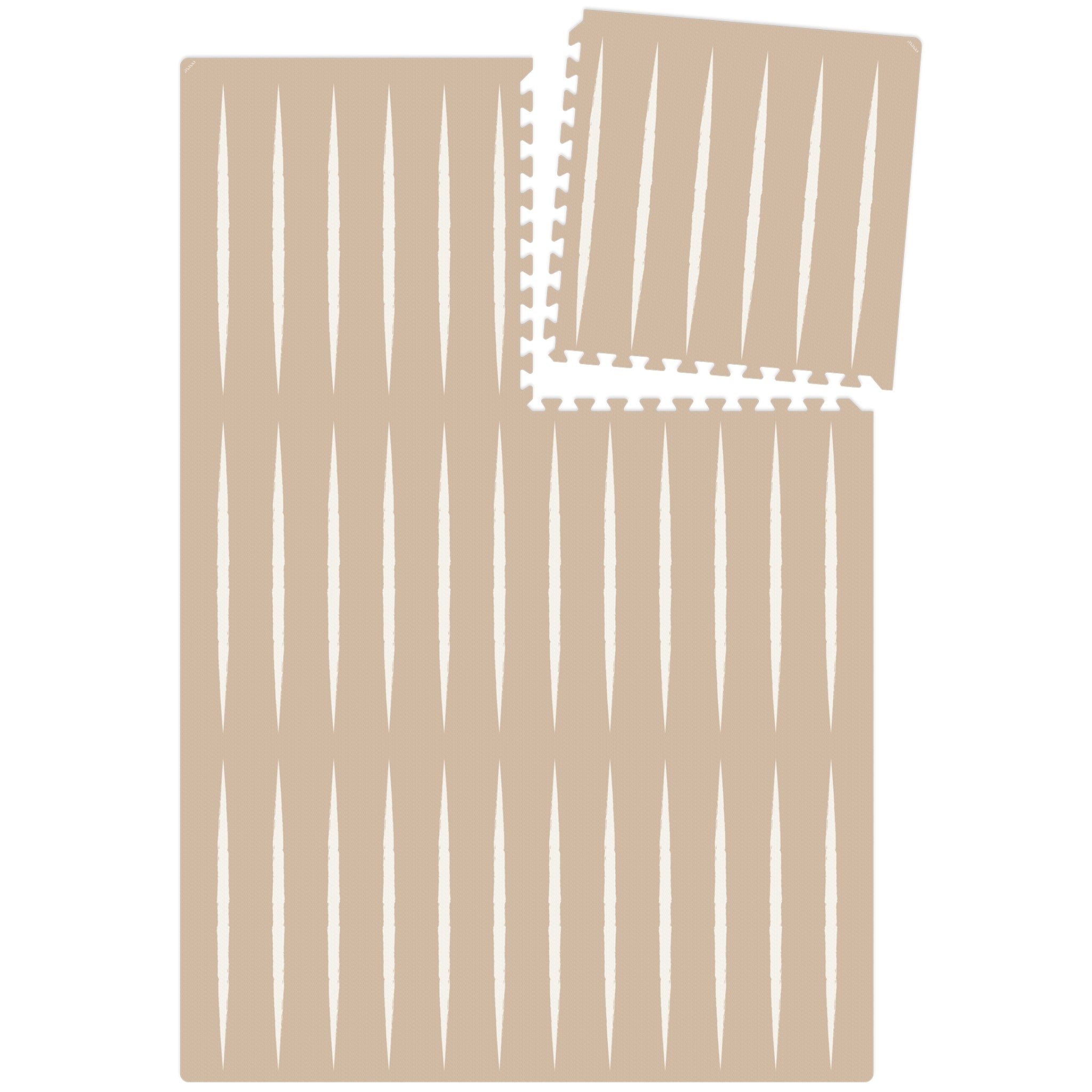
If the room is an awkward shape, measure the largest rectangle that fits inside it. A play mat is a rectangle of connected tiles, so an L-shaped room usually means picking the size that fits the biggest straight section, not the whole footprint.
Which size matches which room?
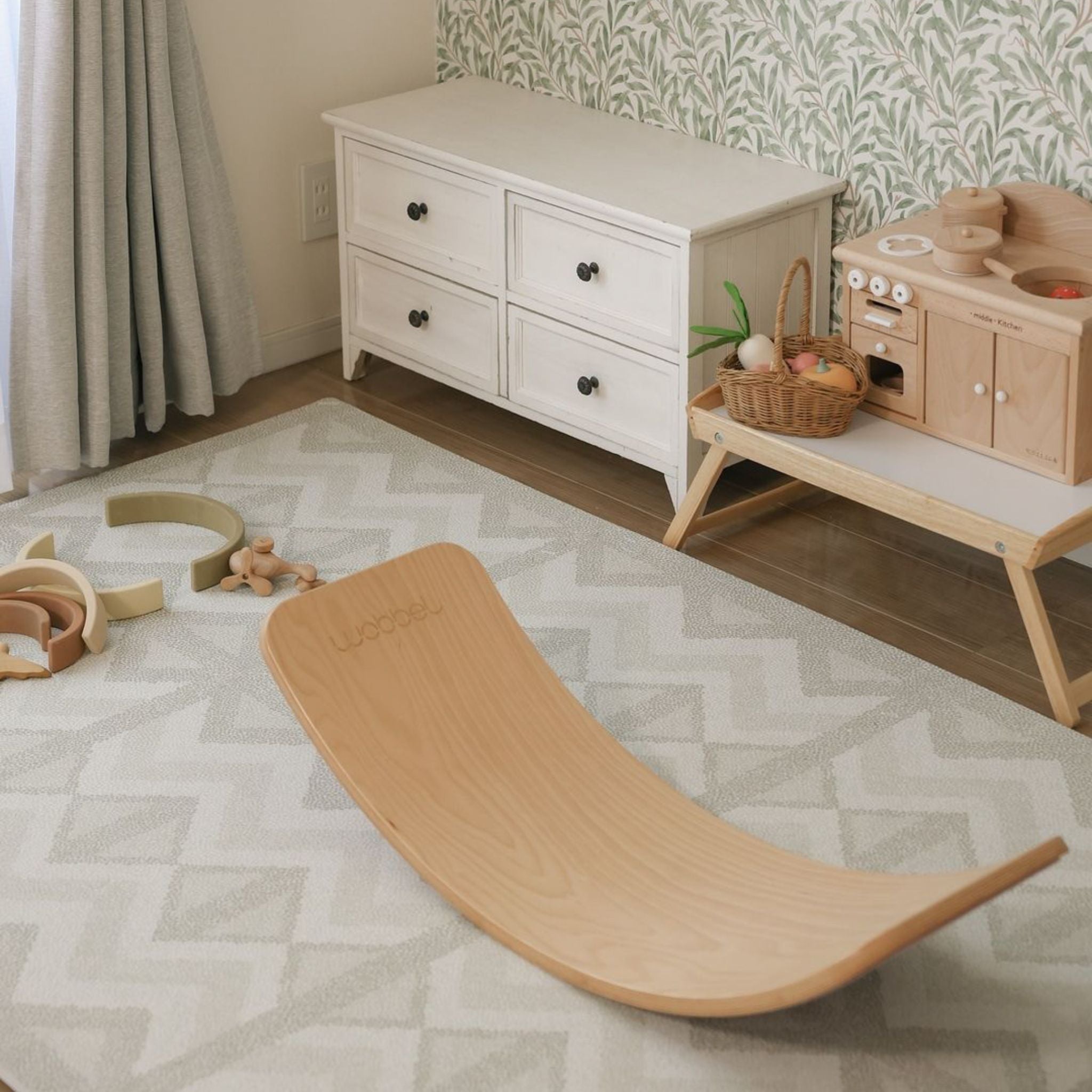
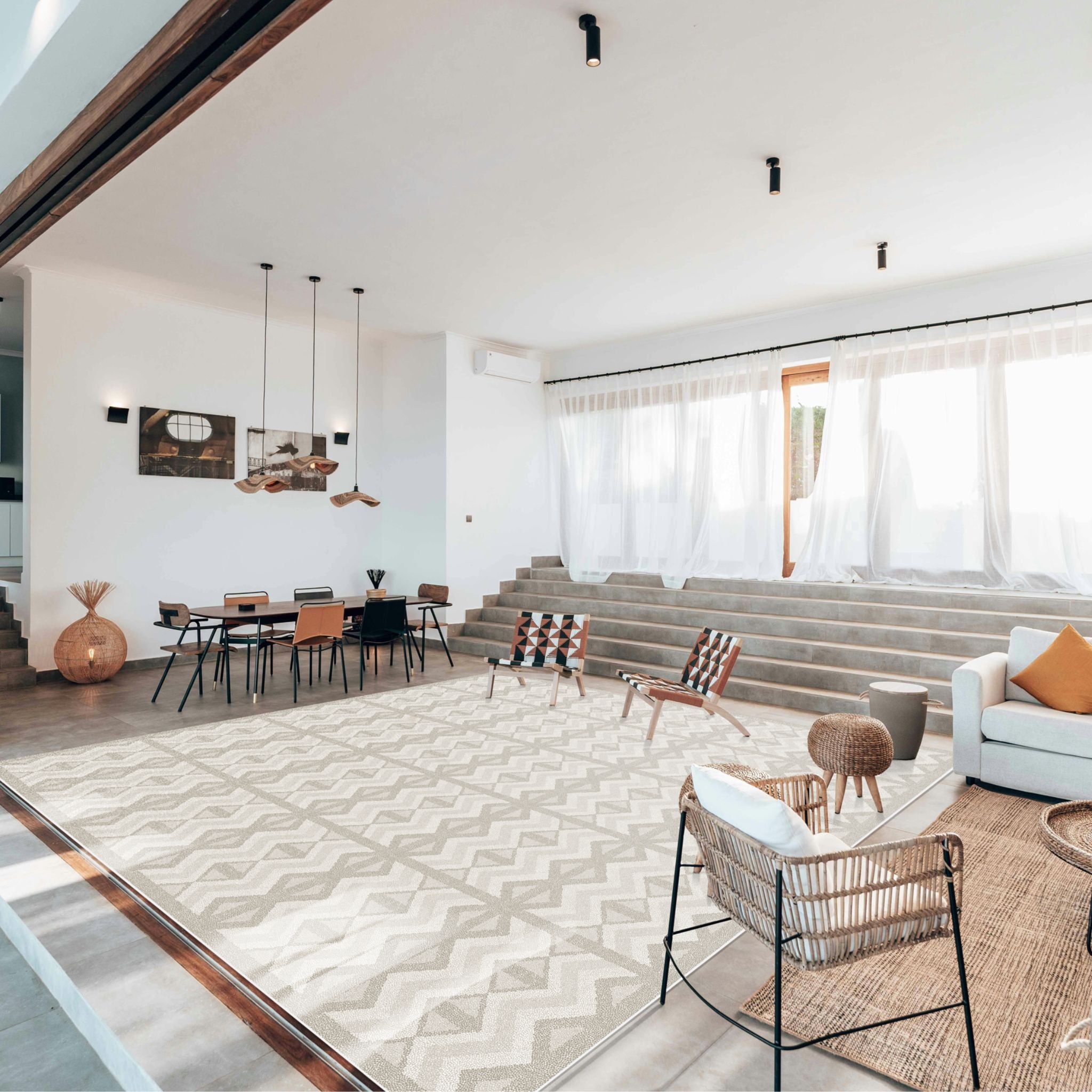
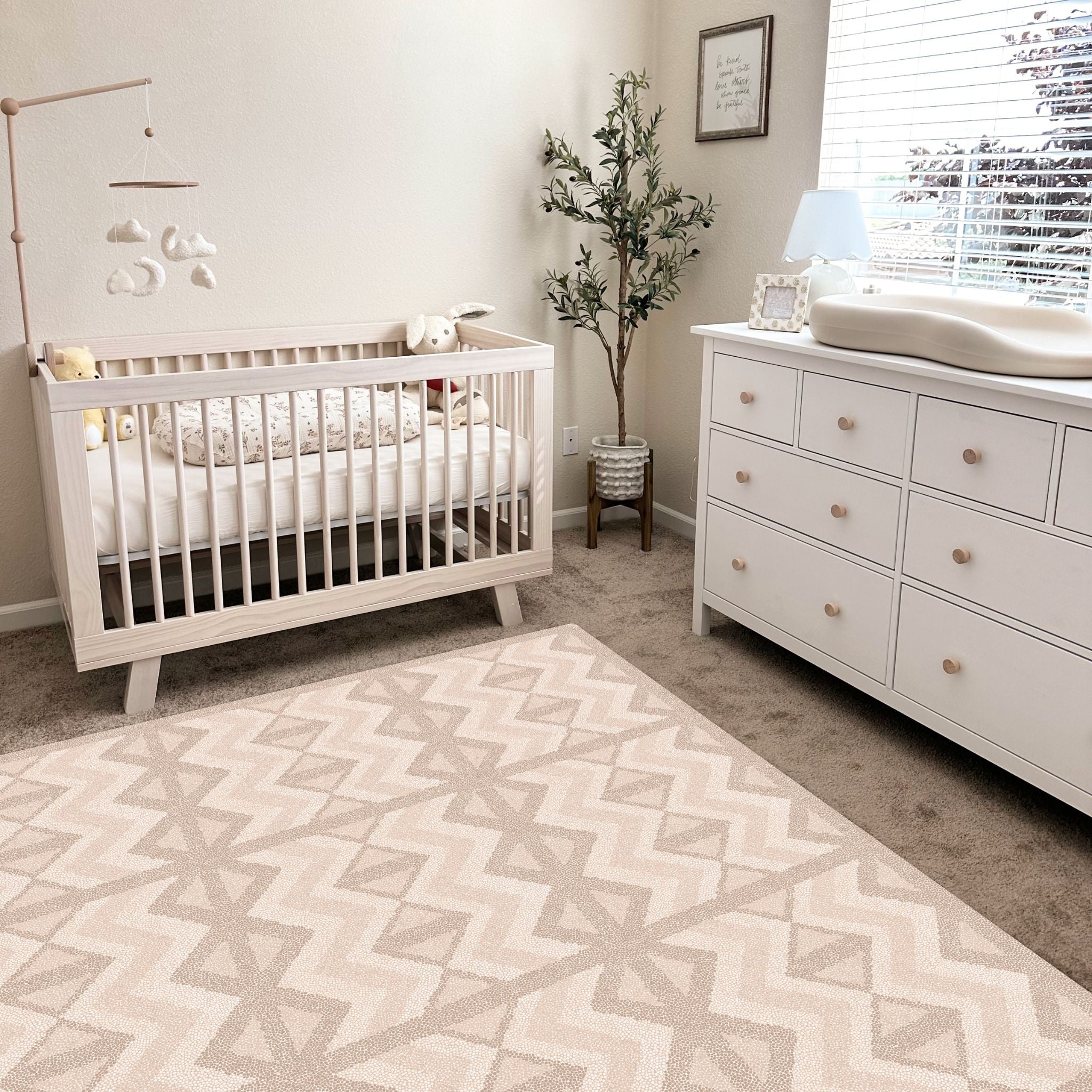
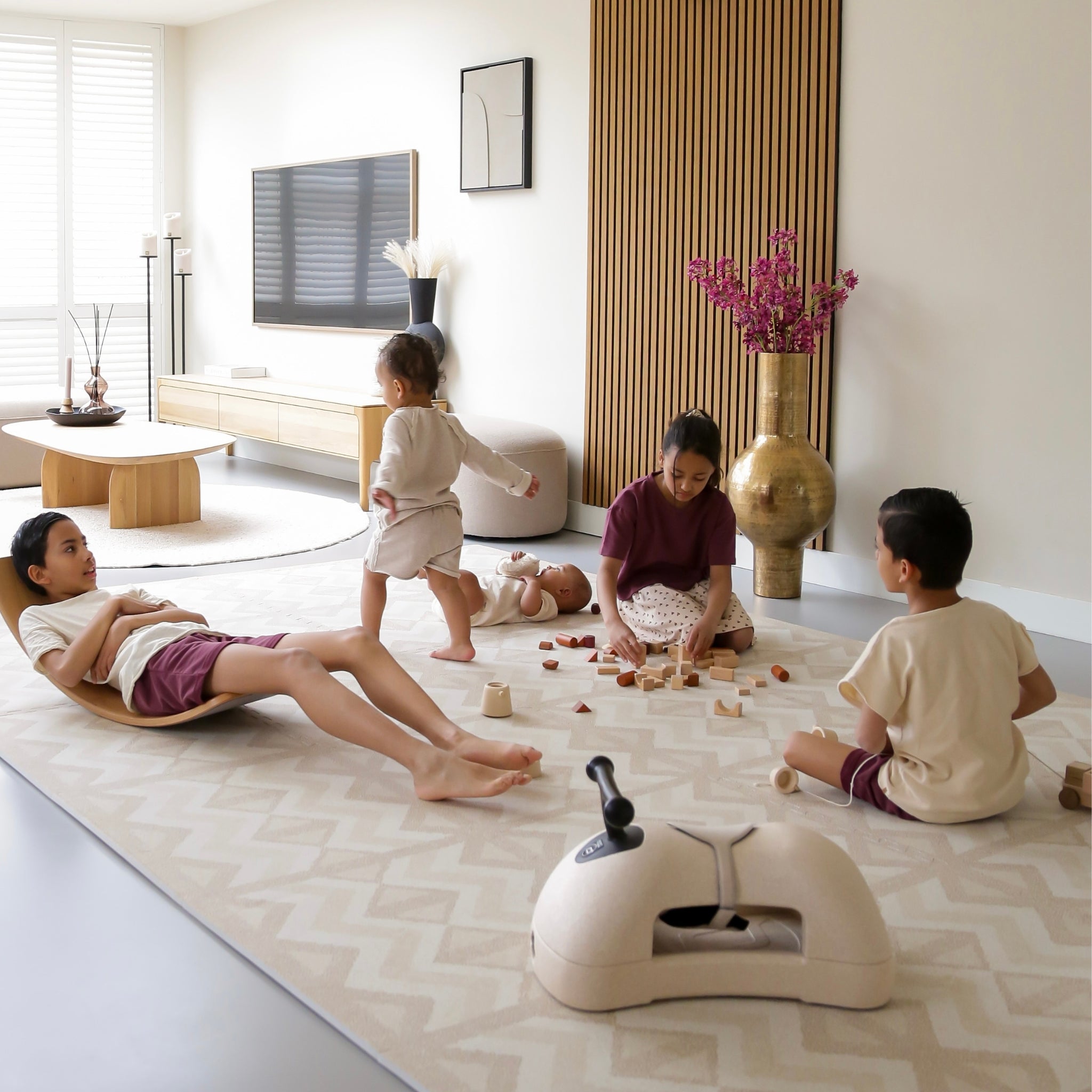
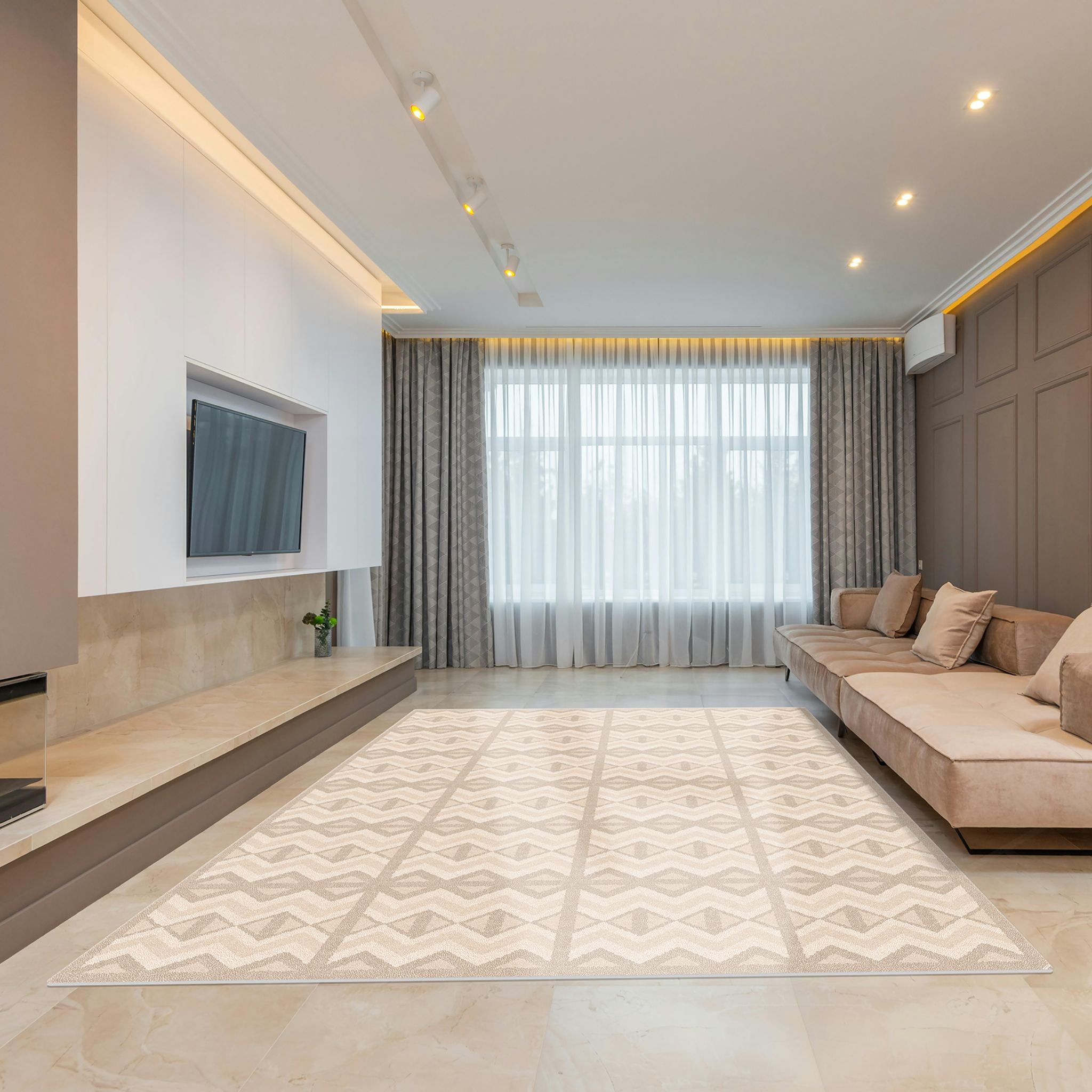
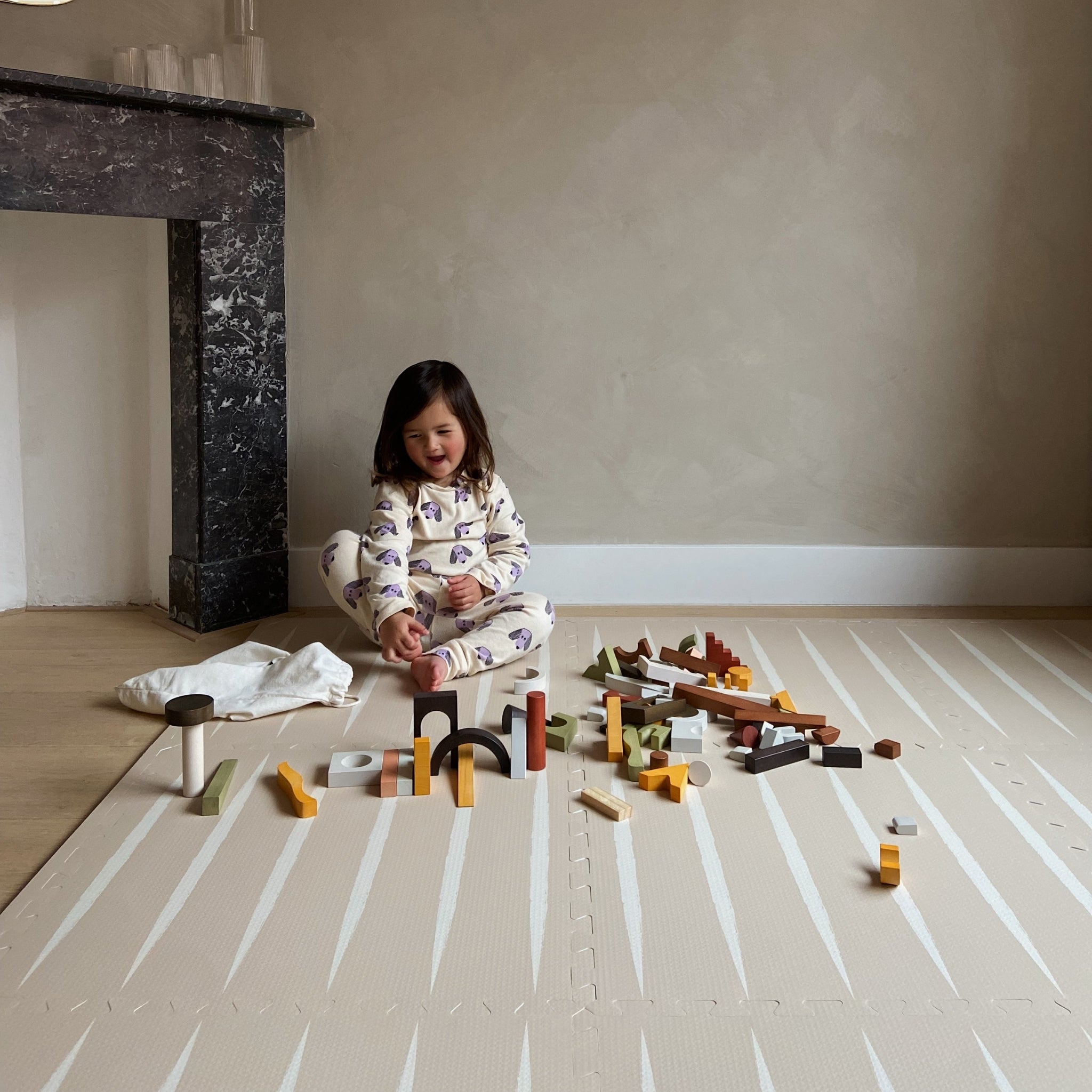
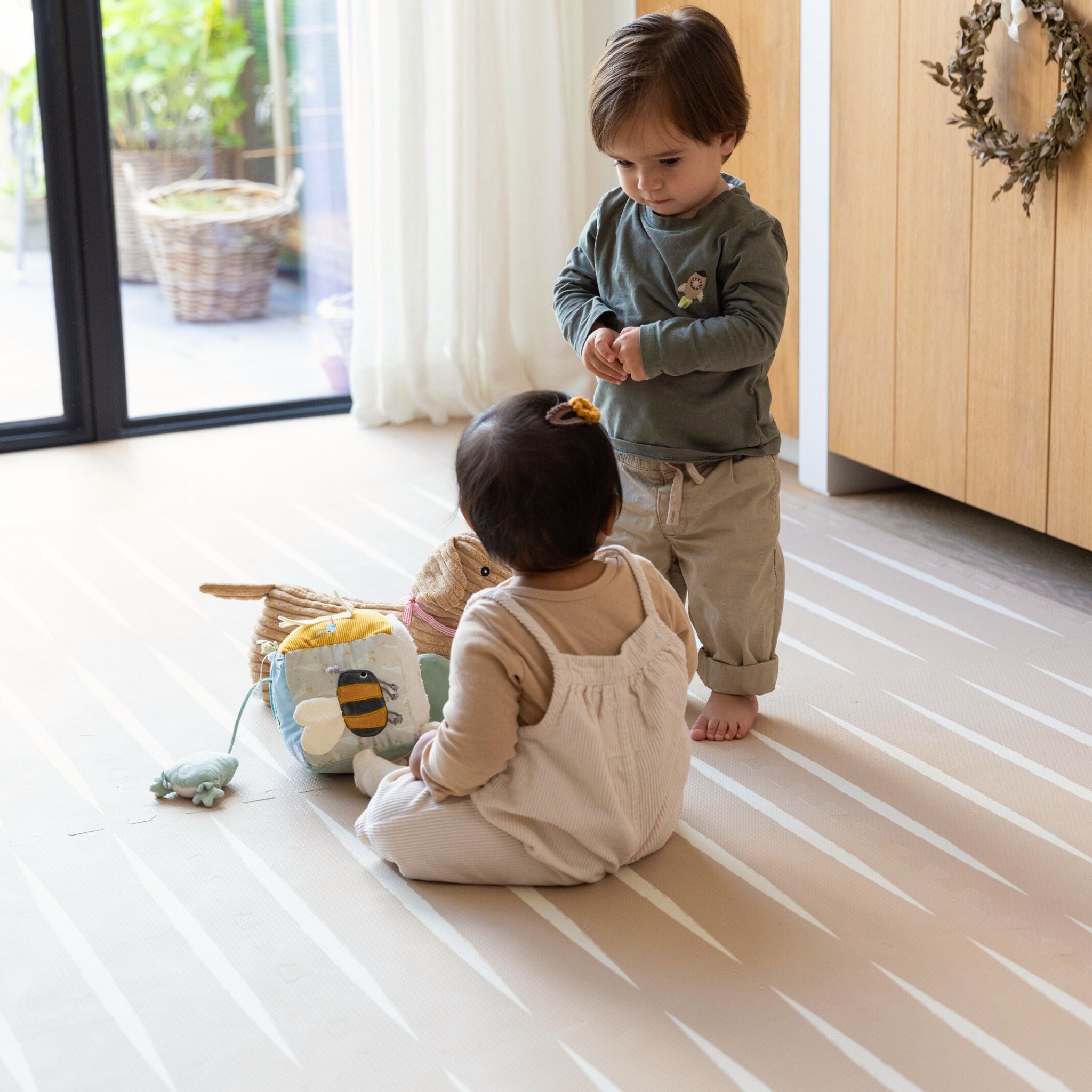
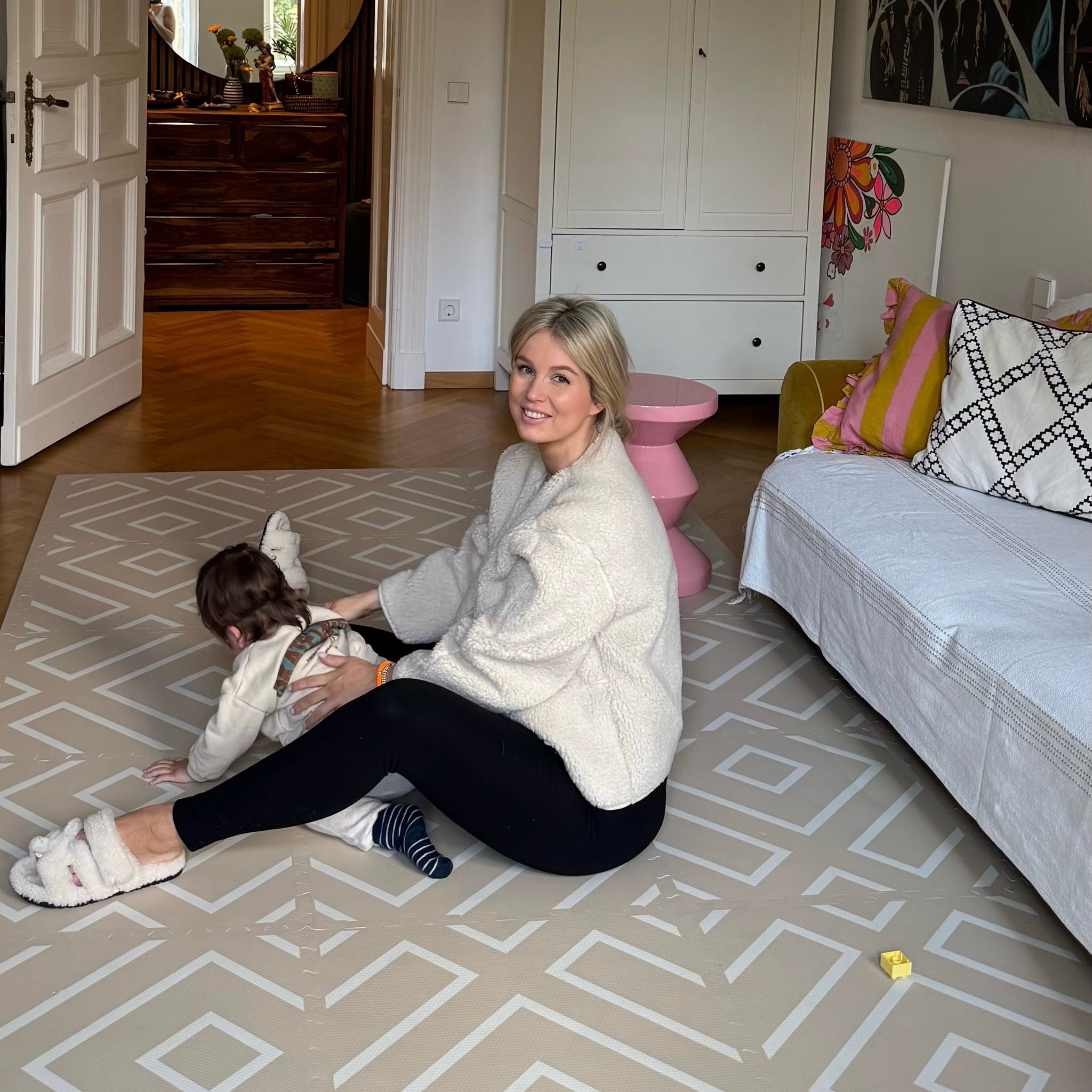
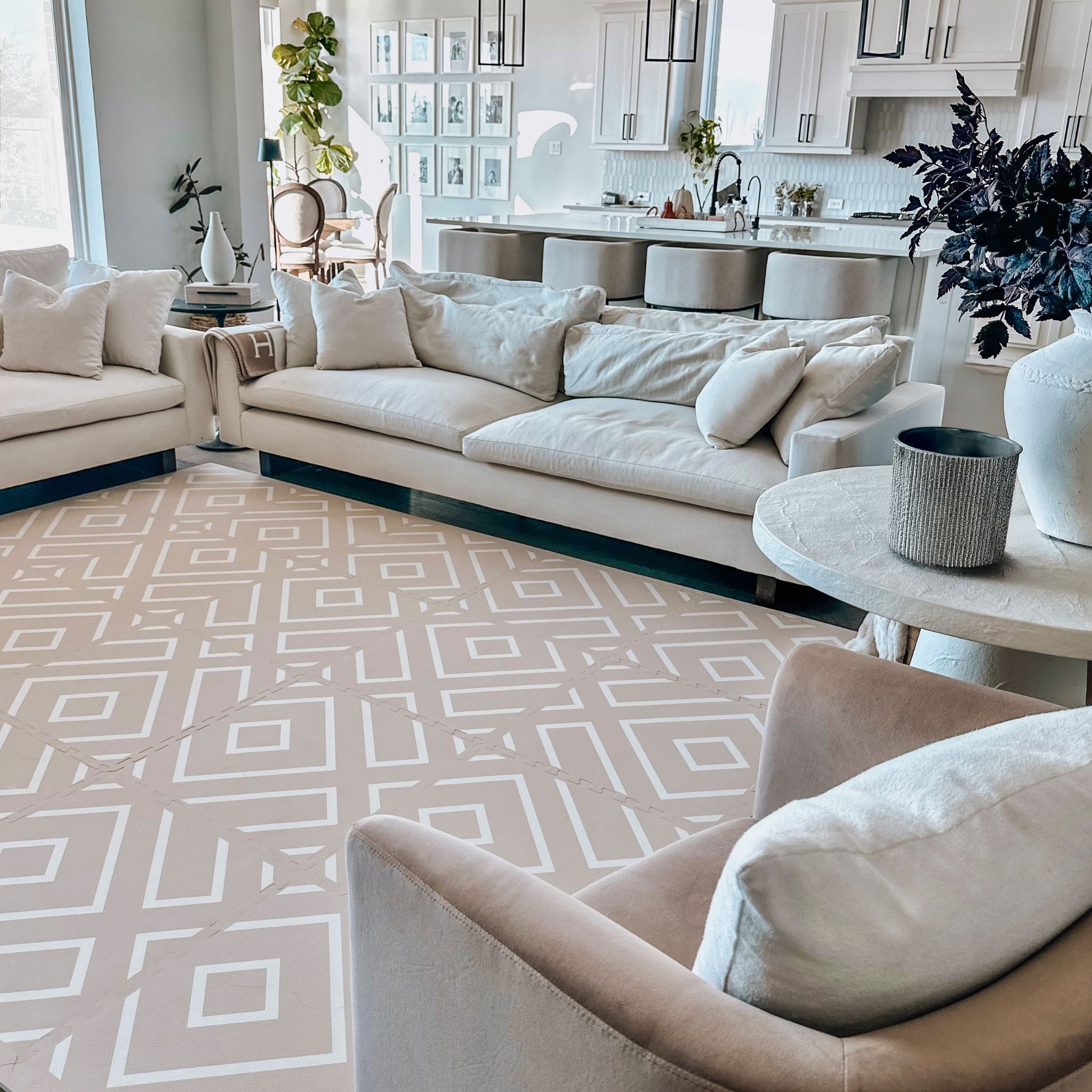
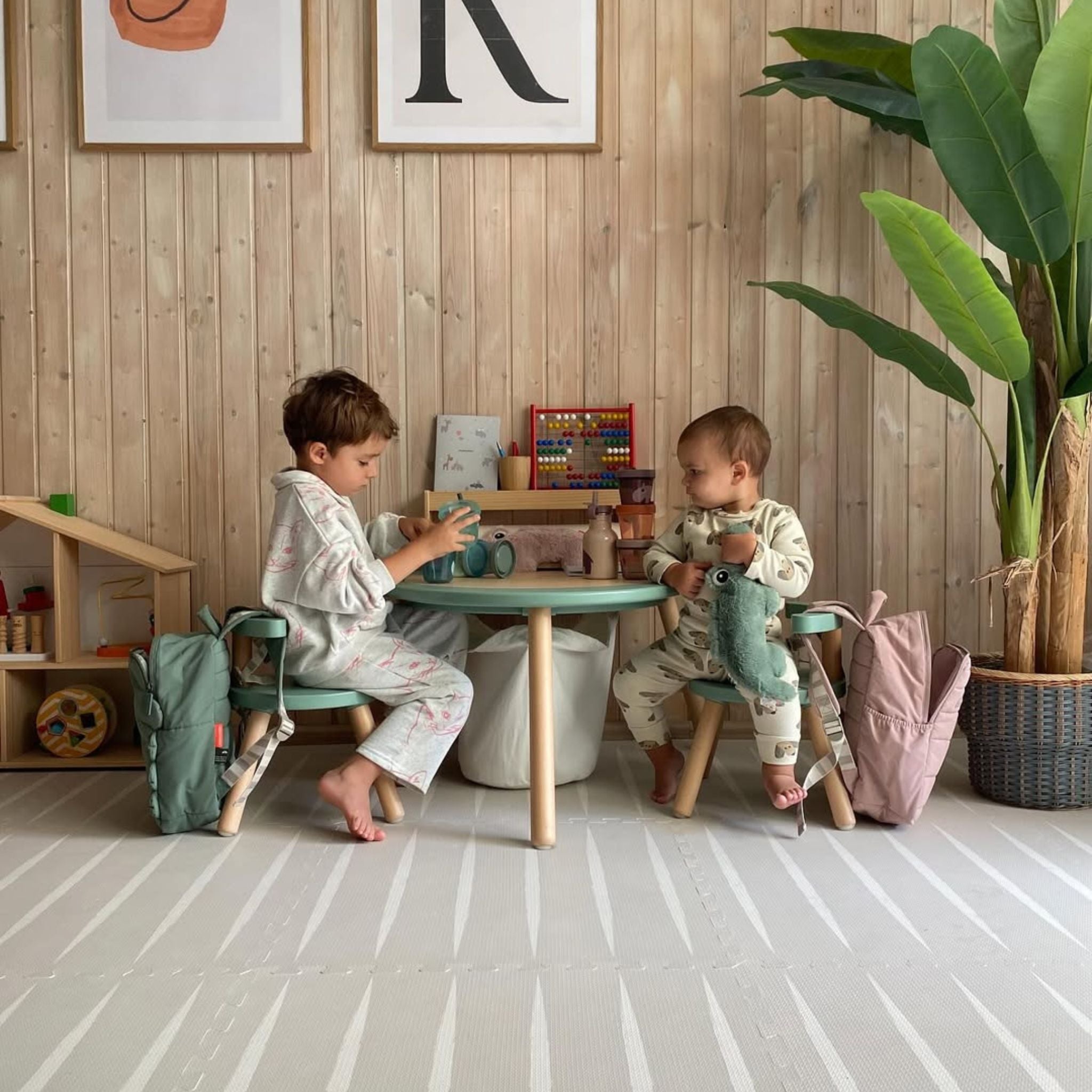
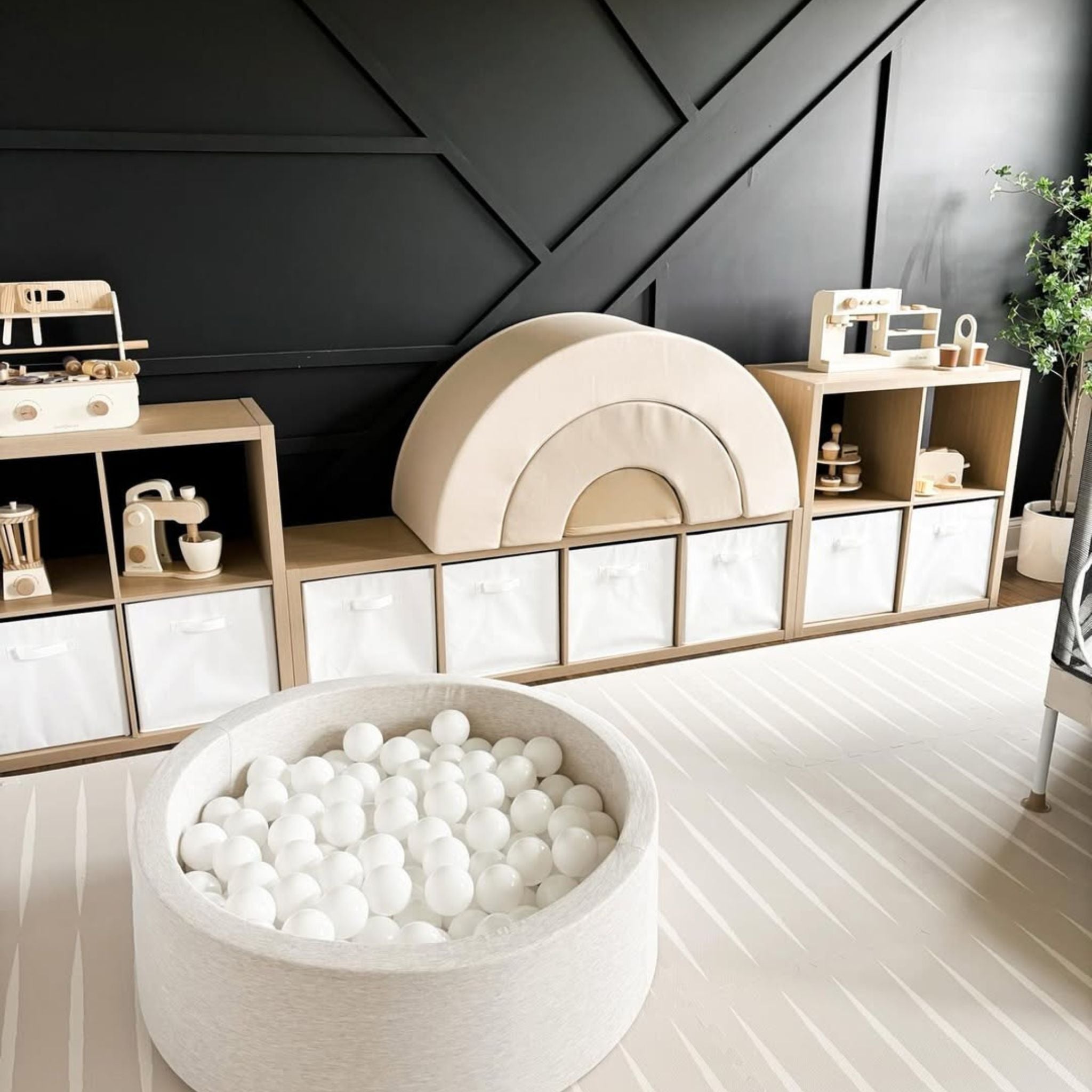
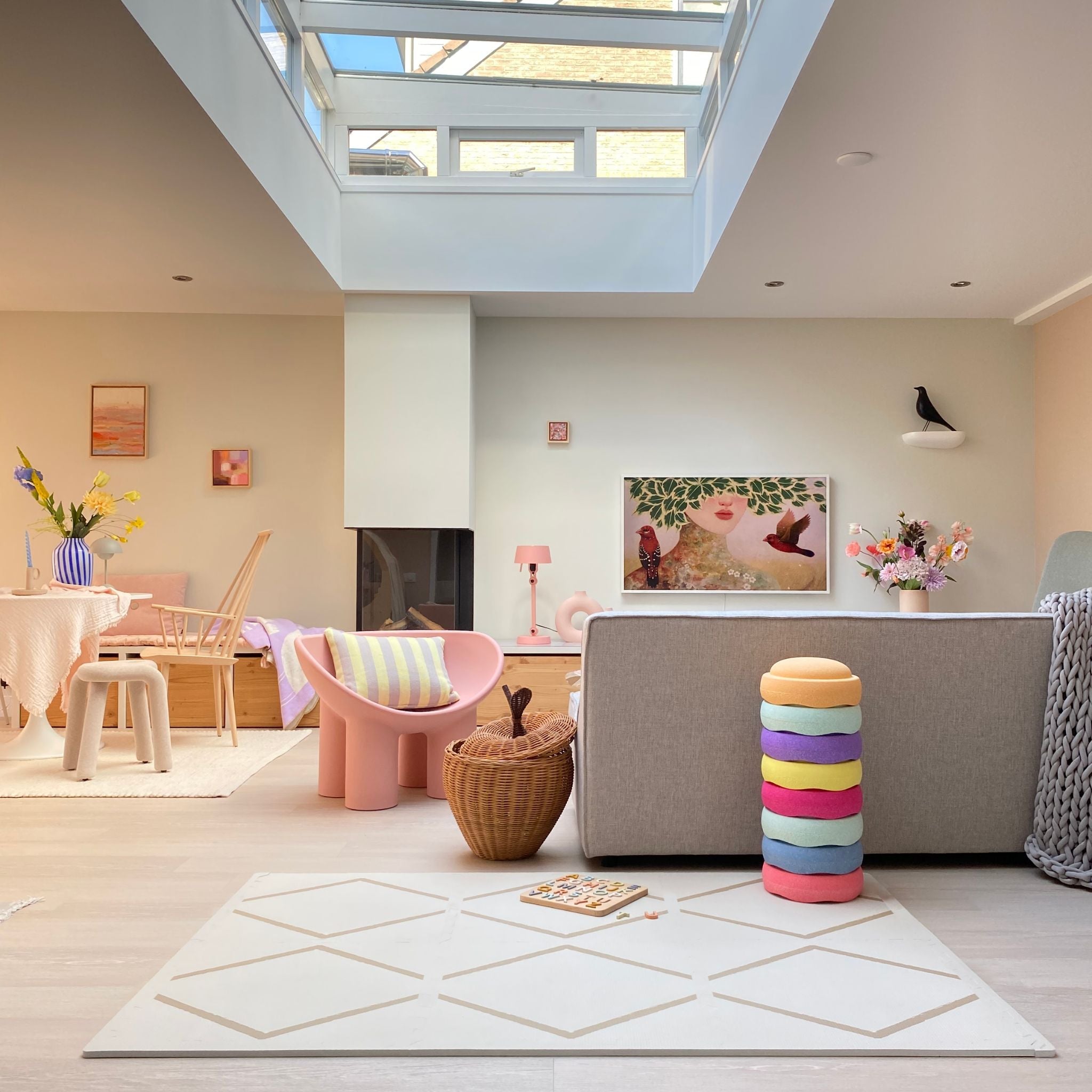
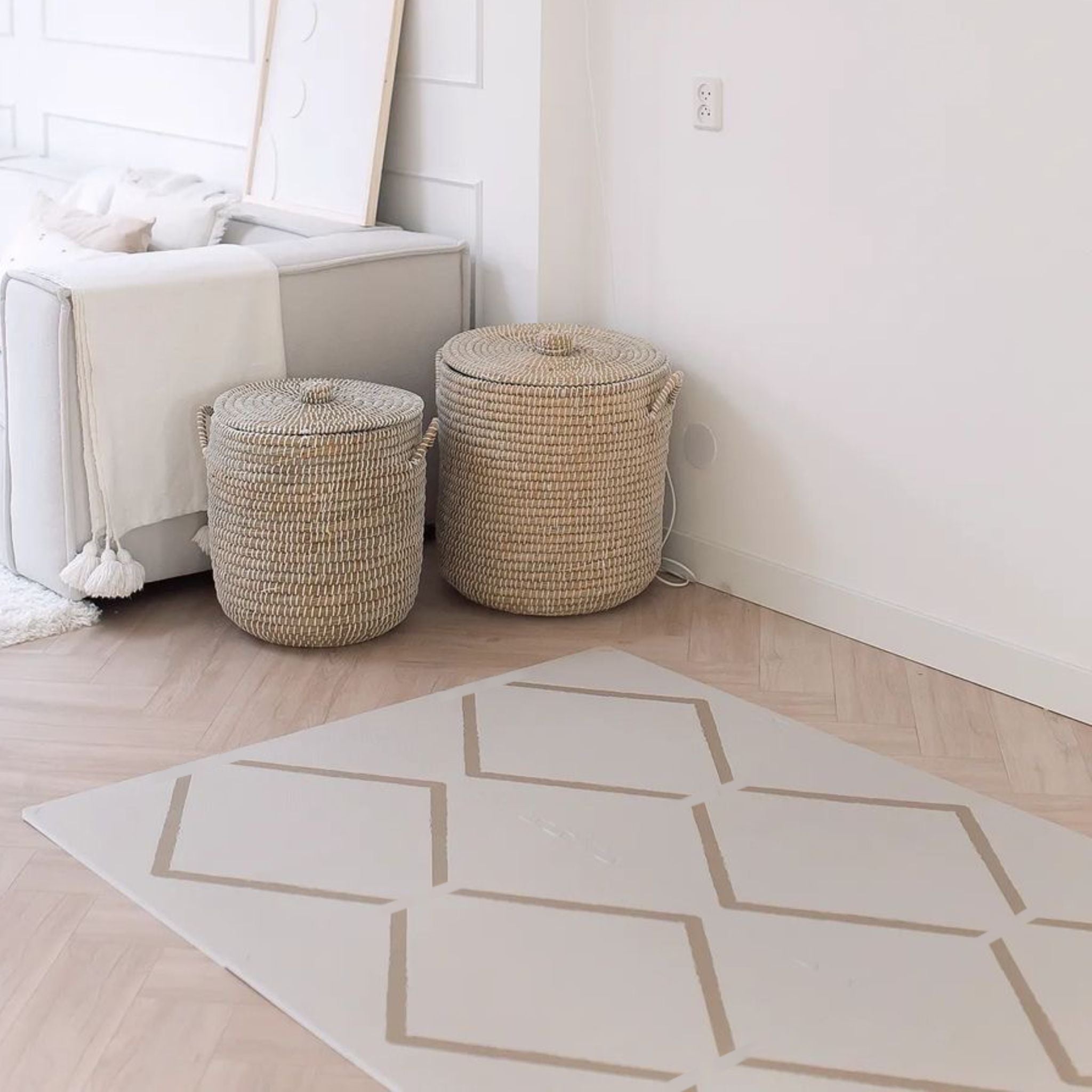
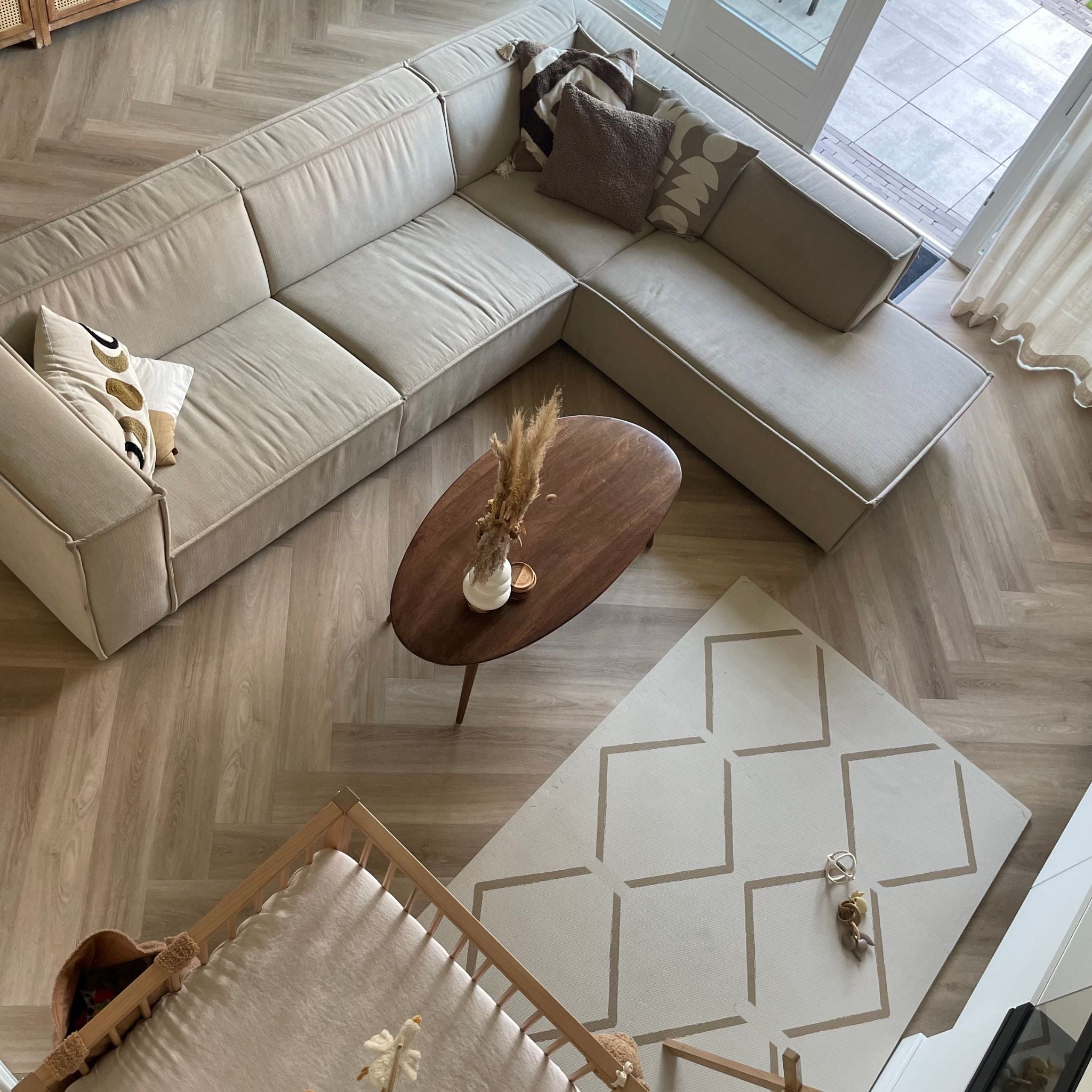
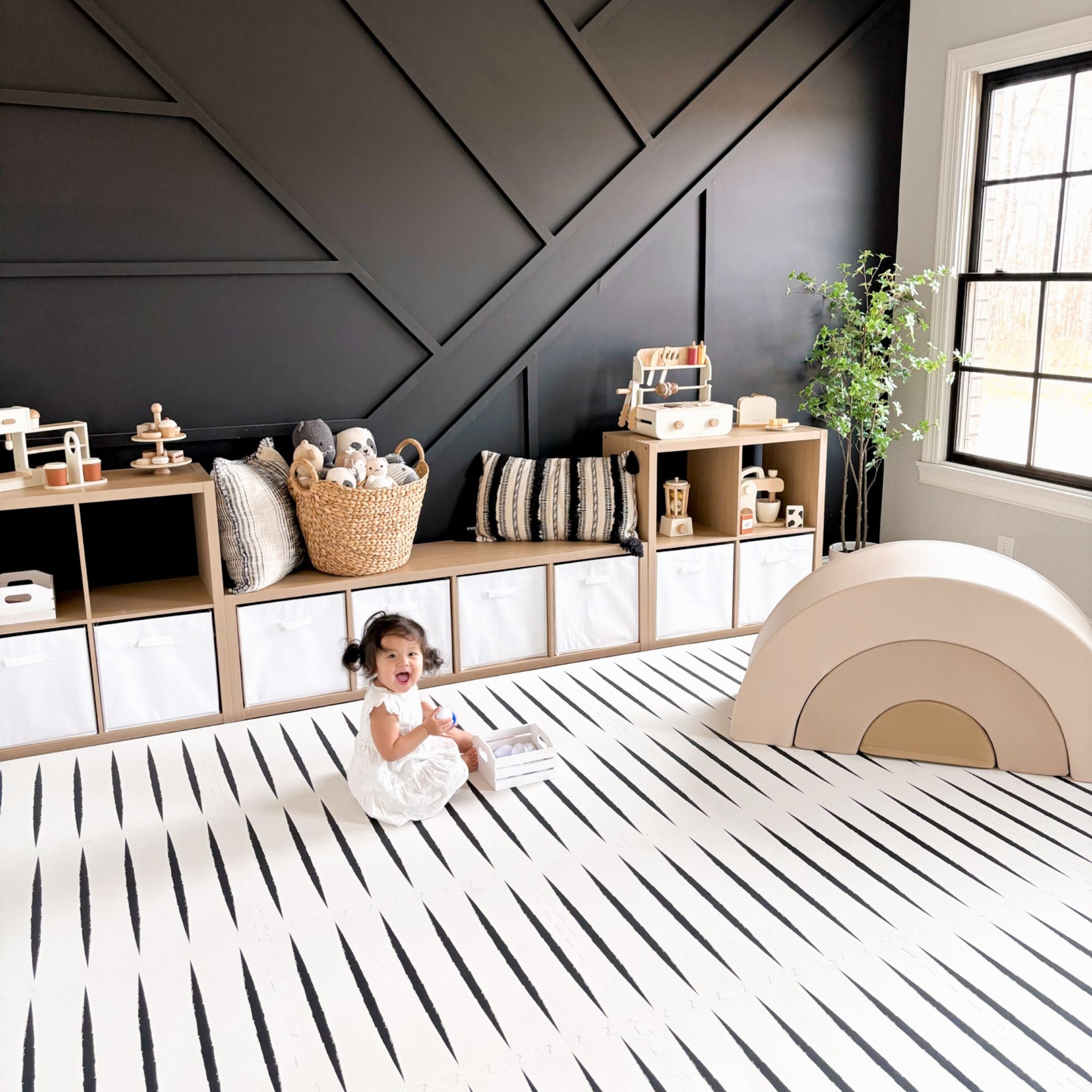
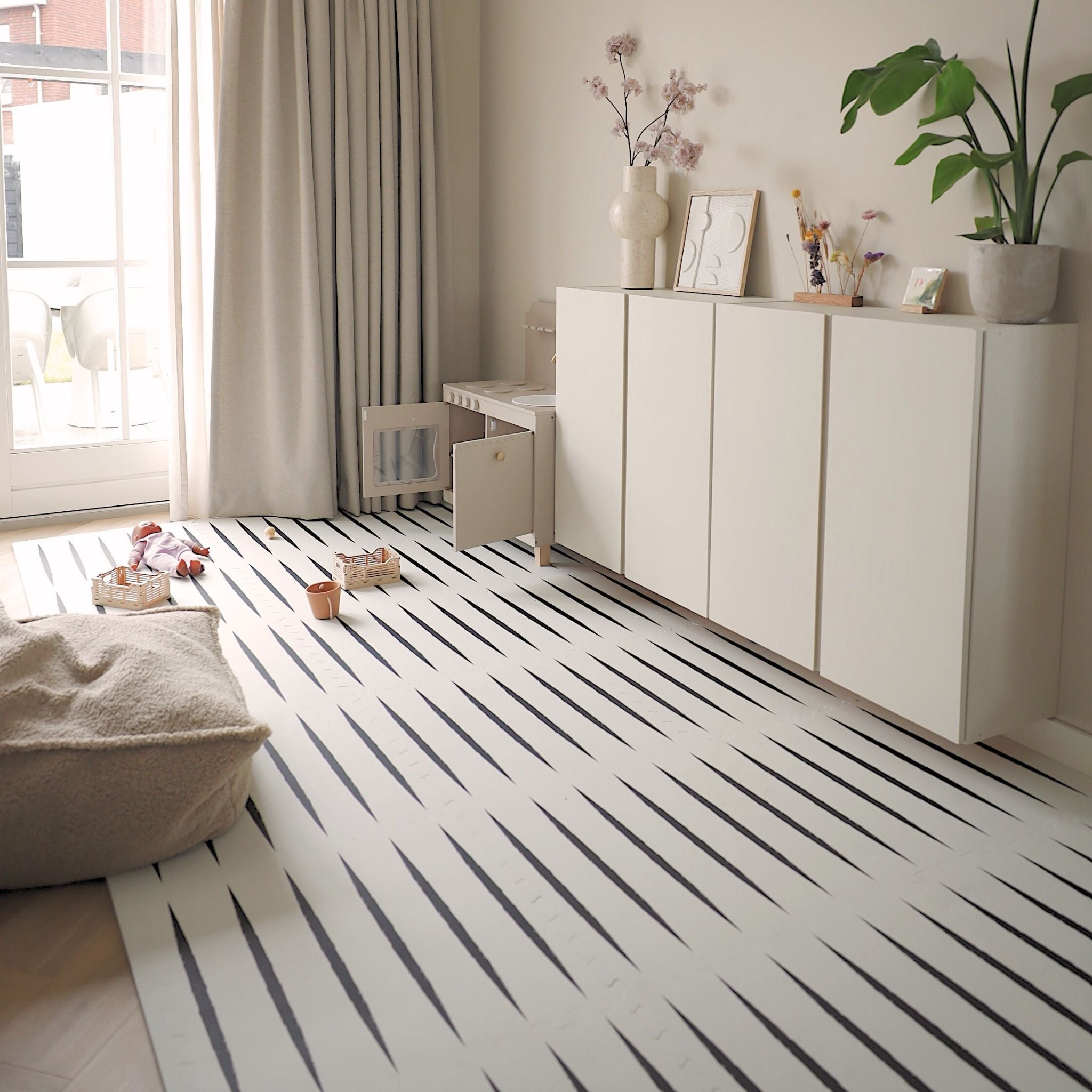
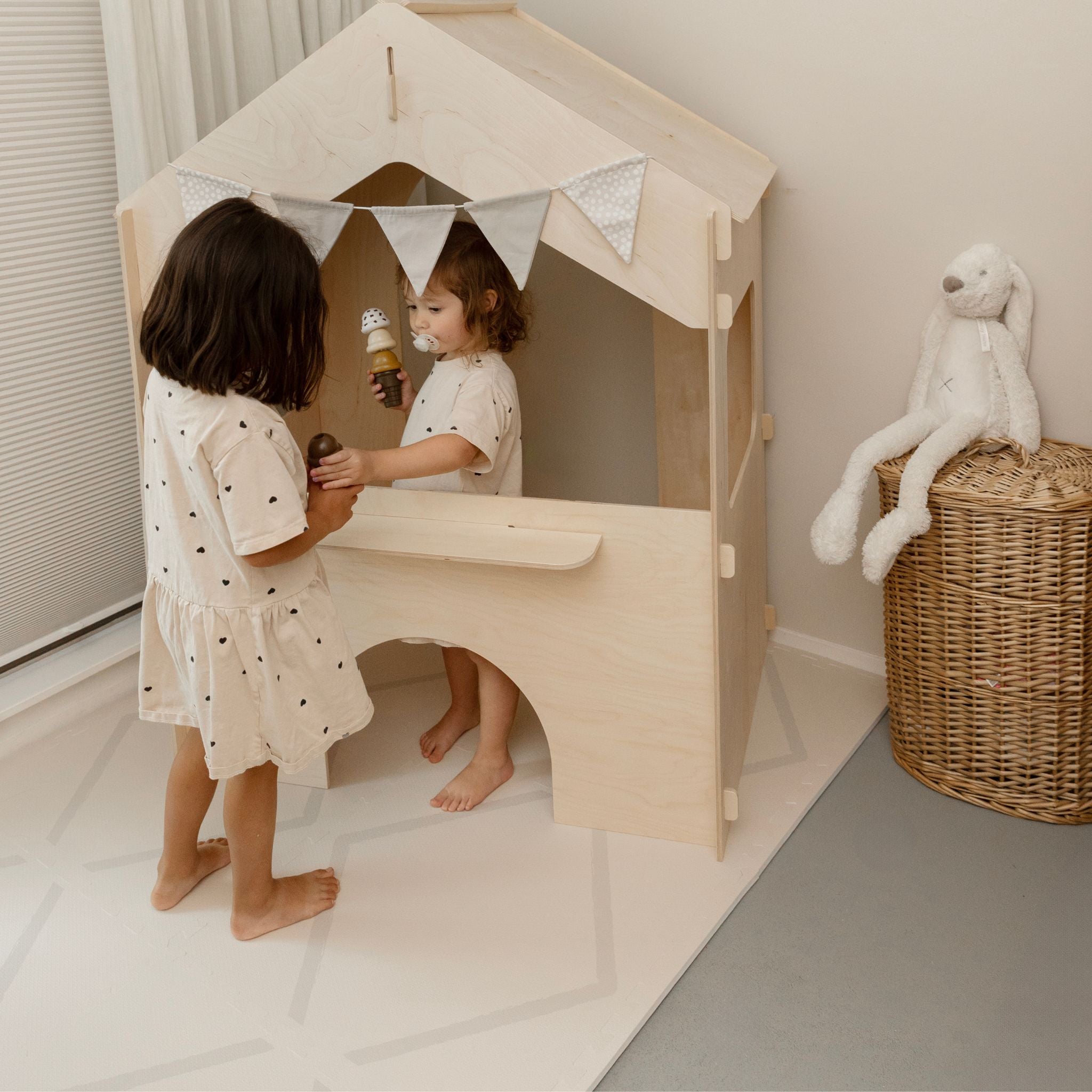
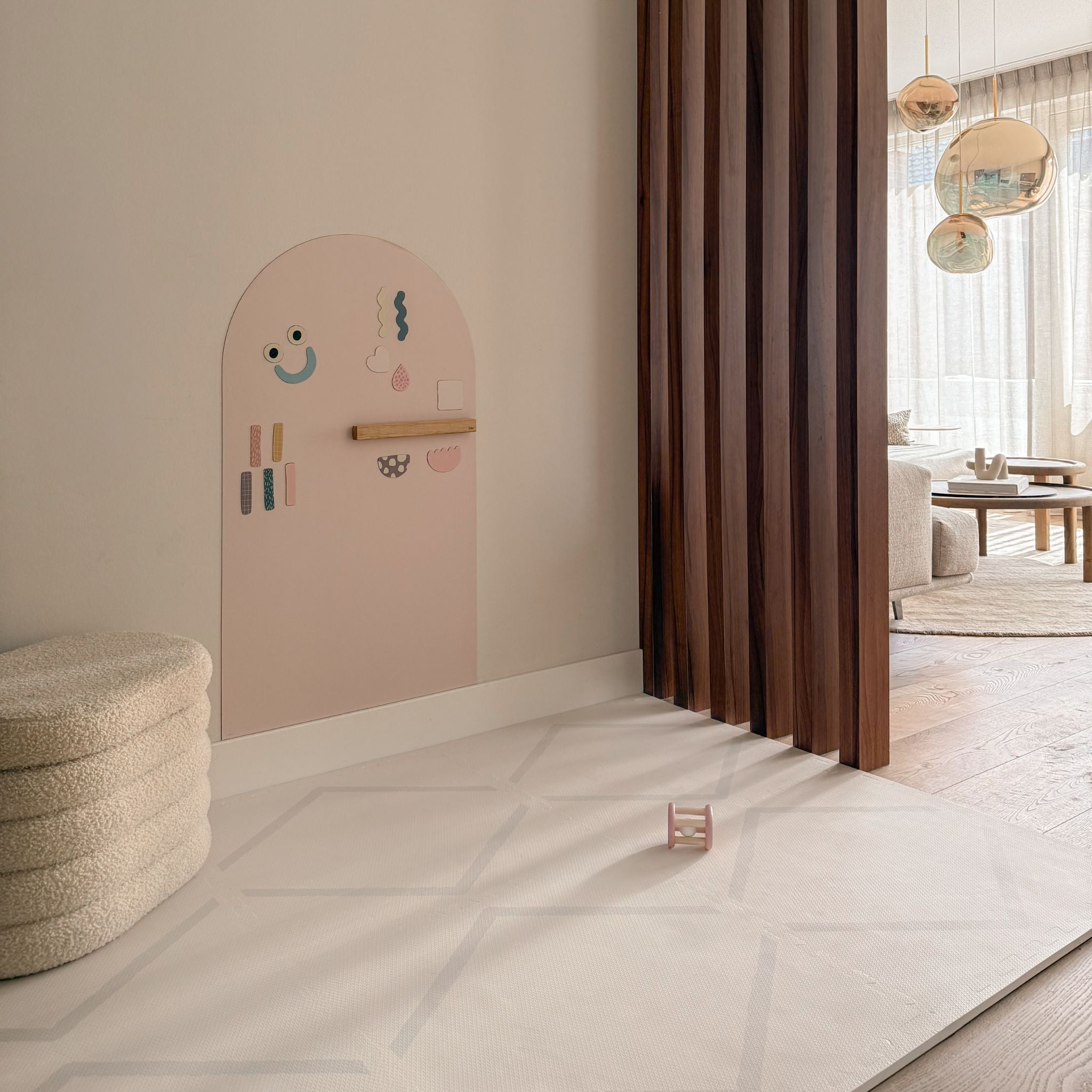
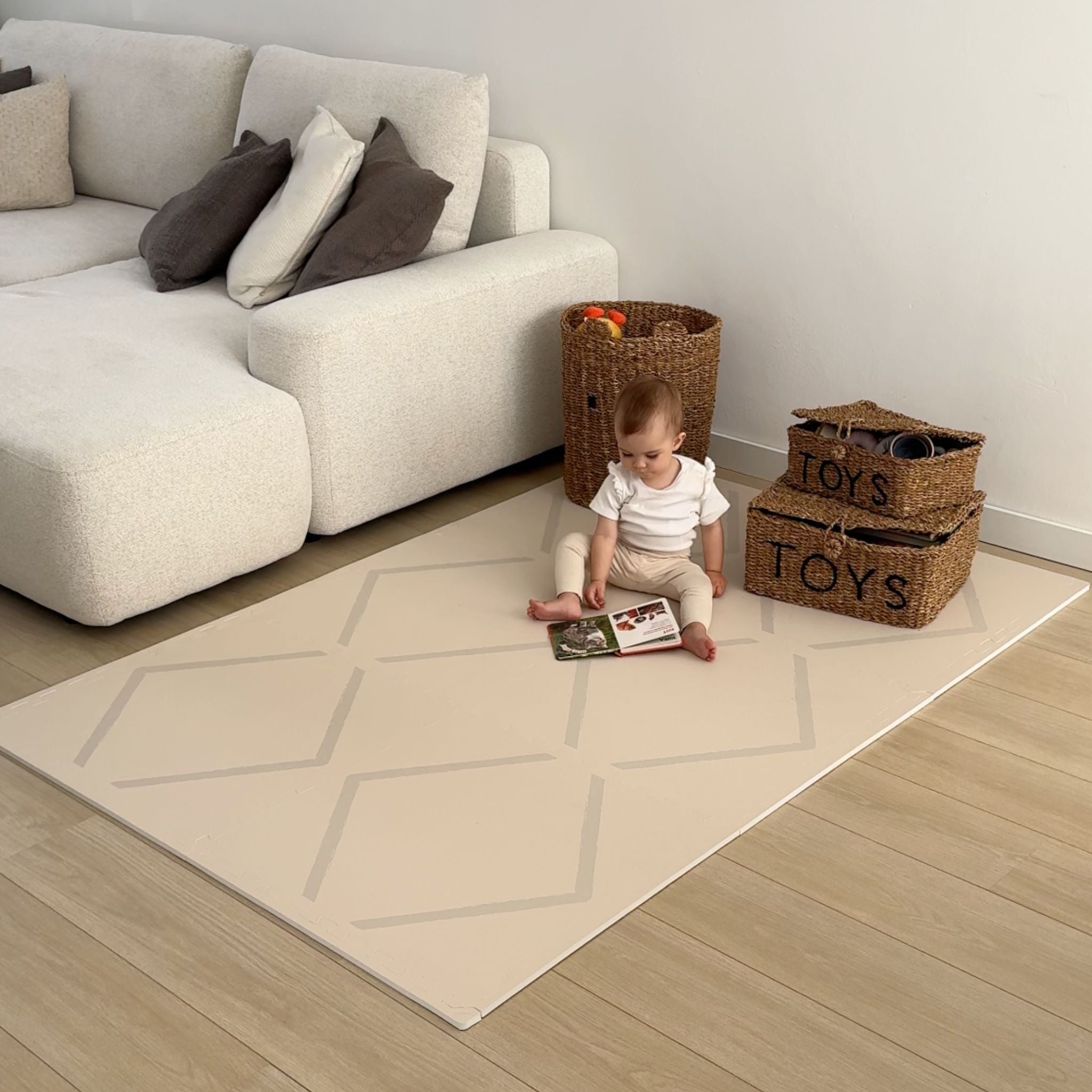
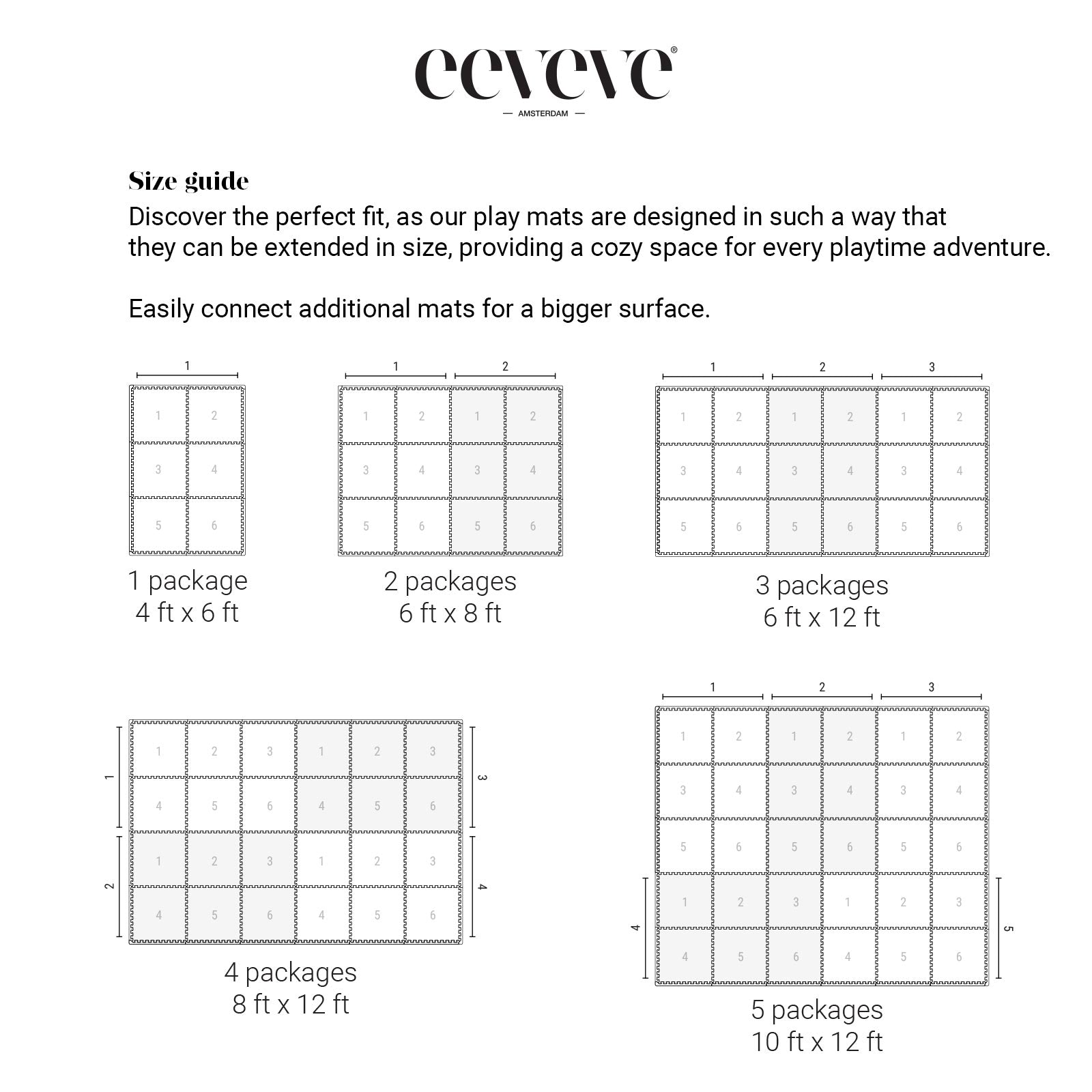
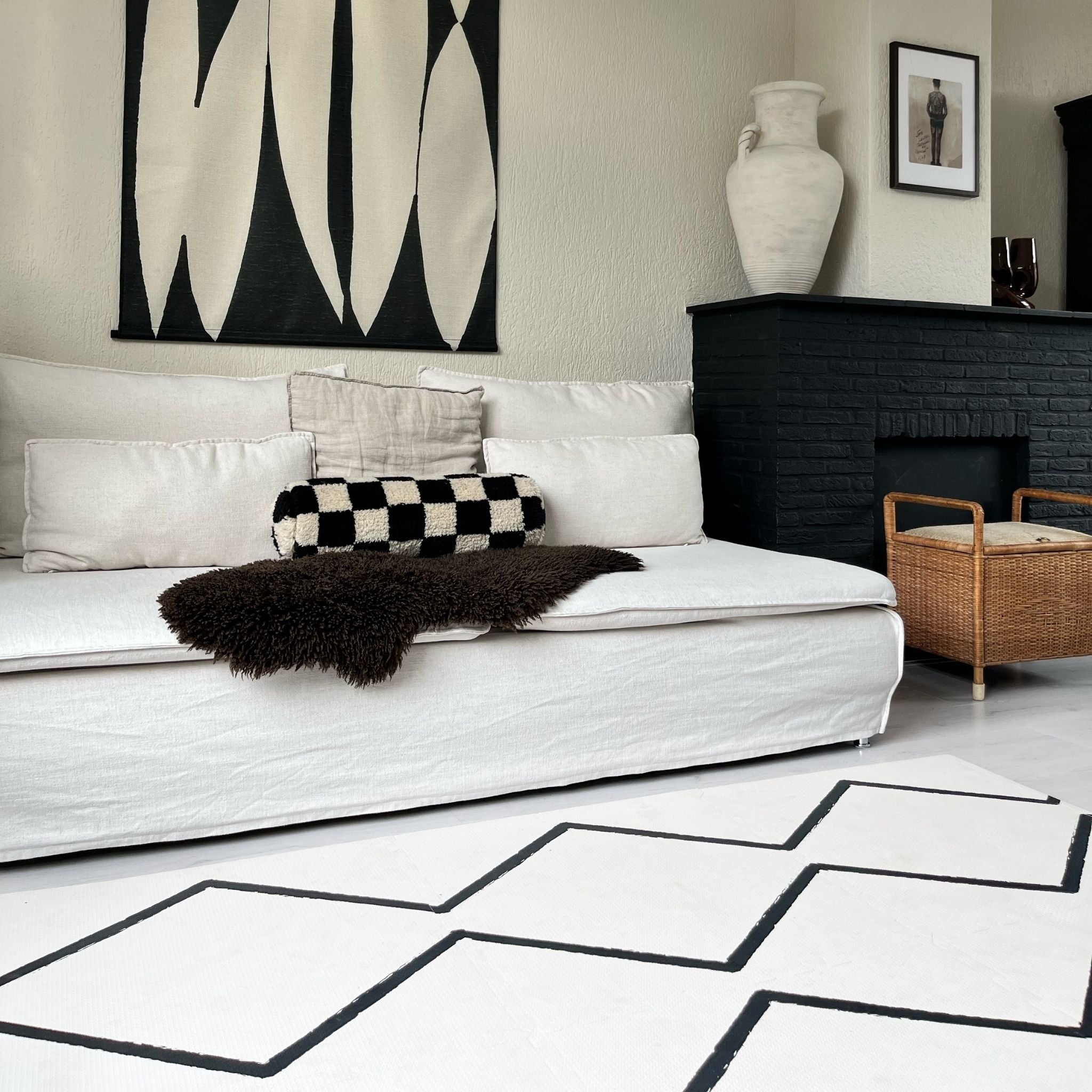
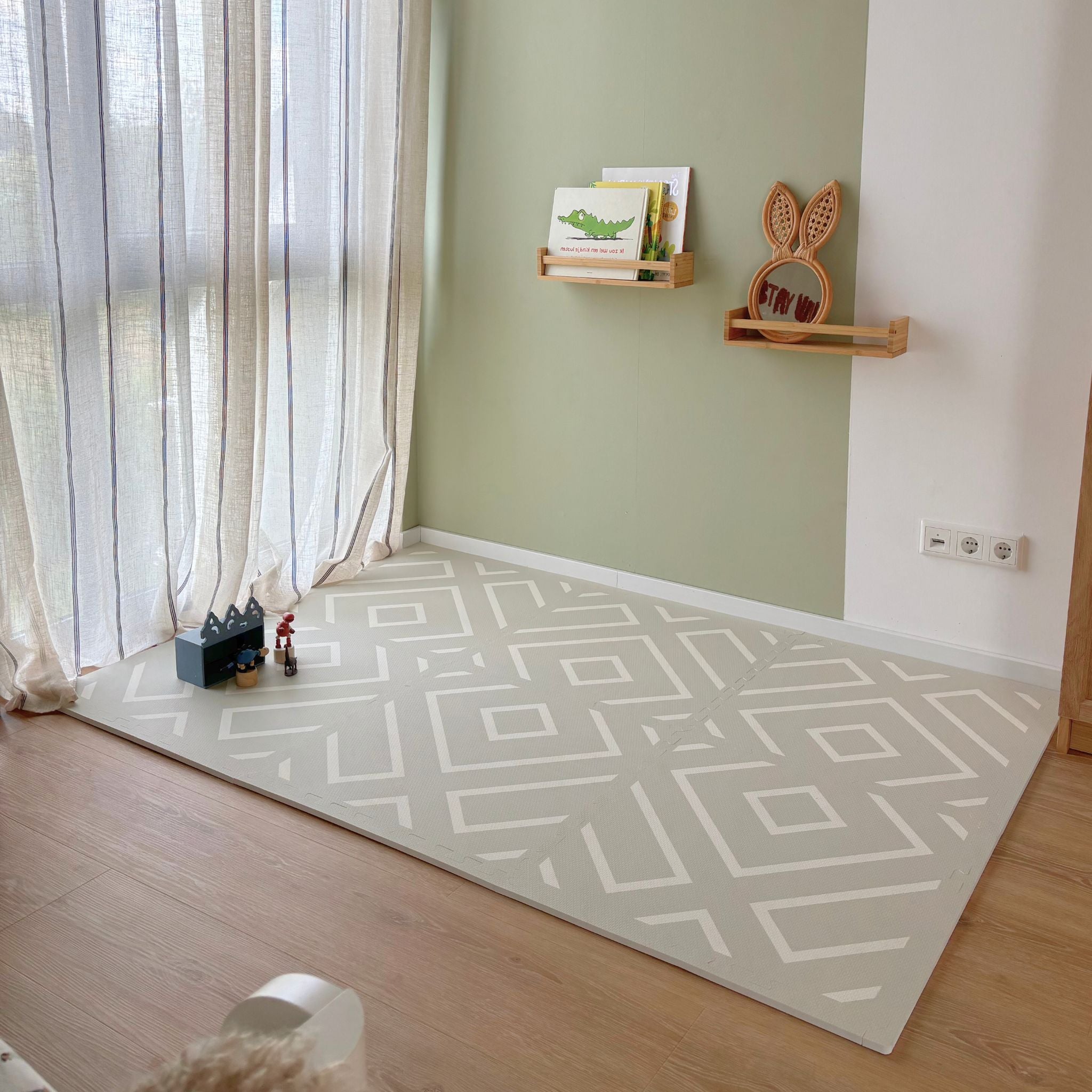
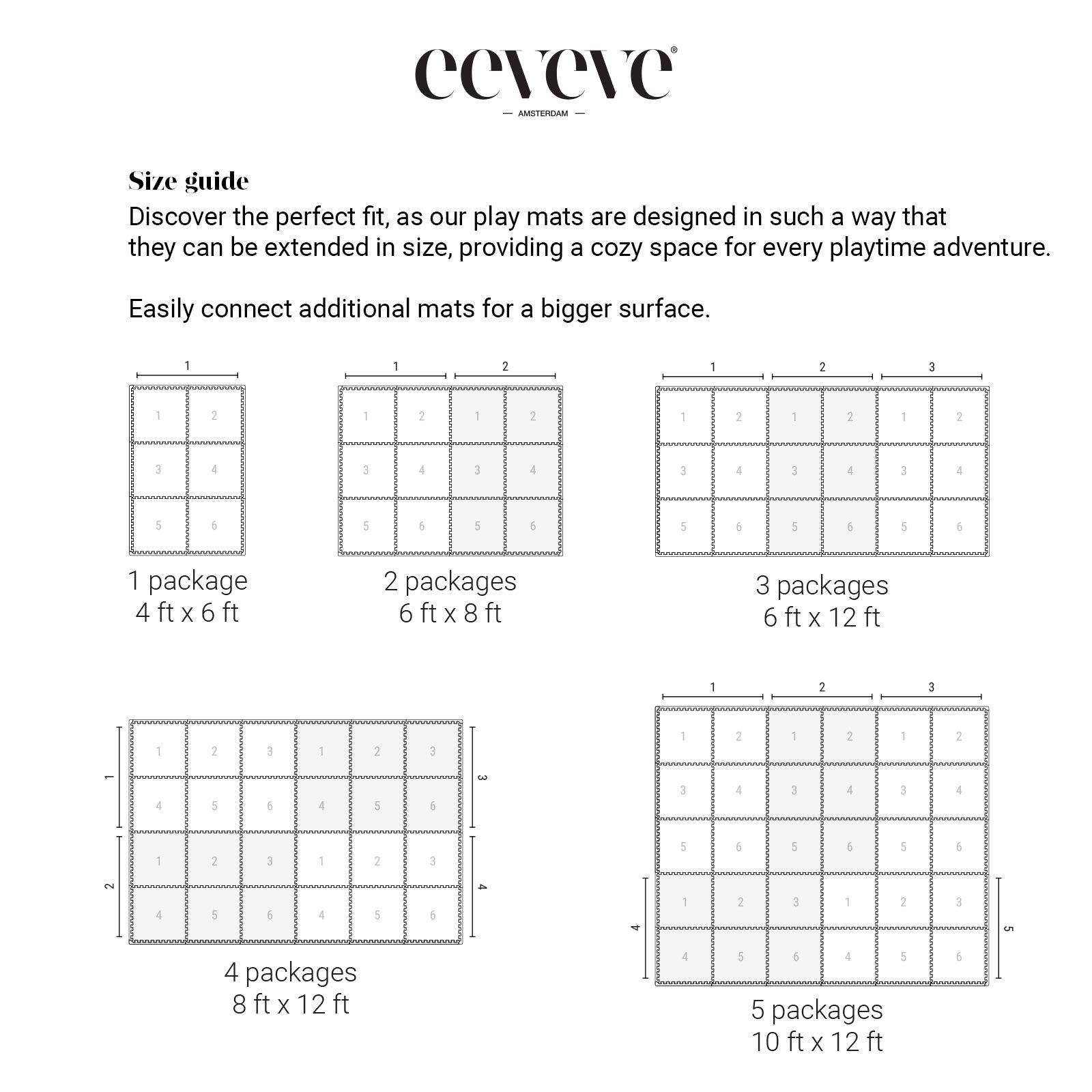
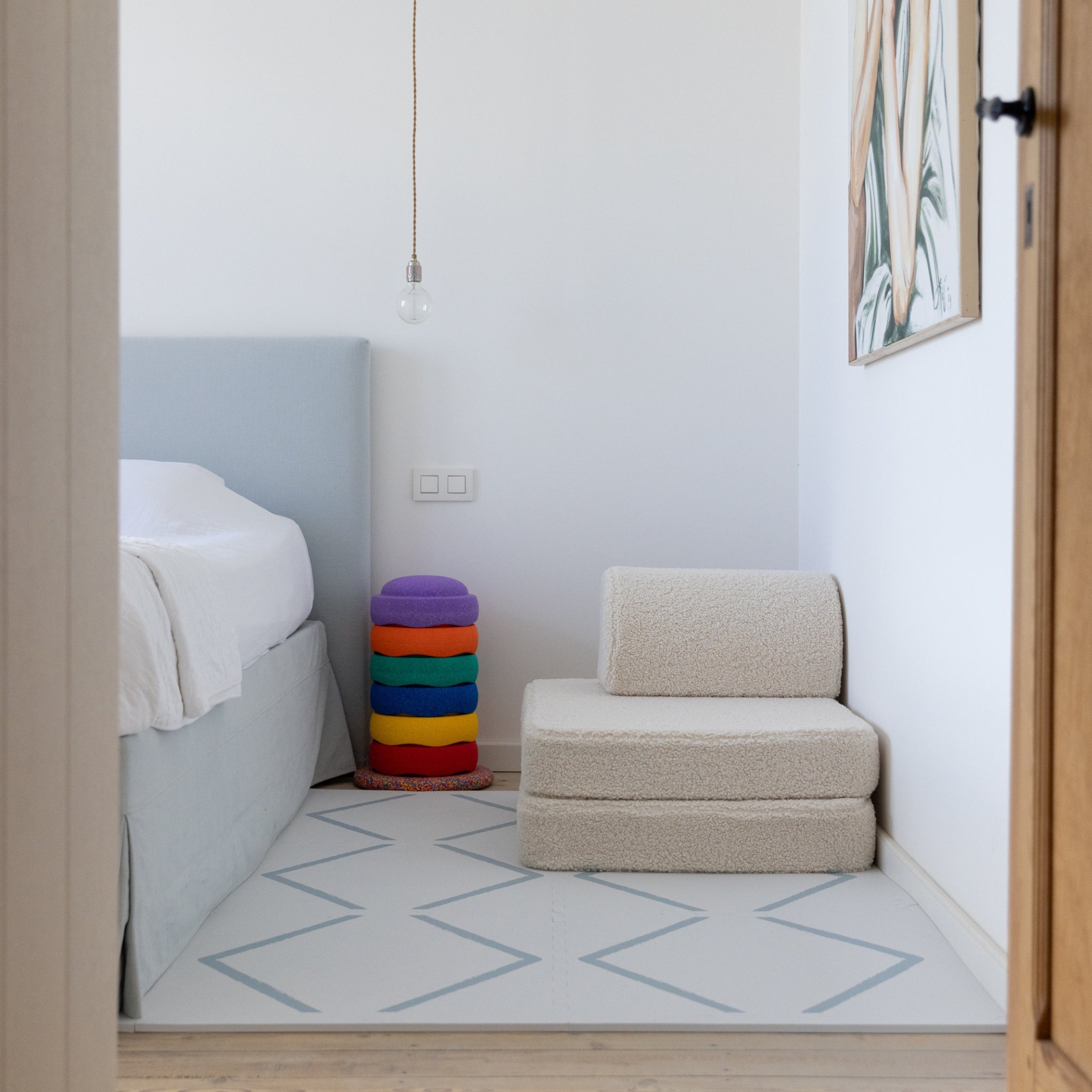
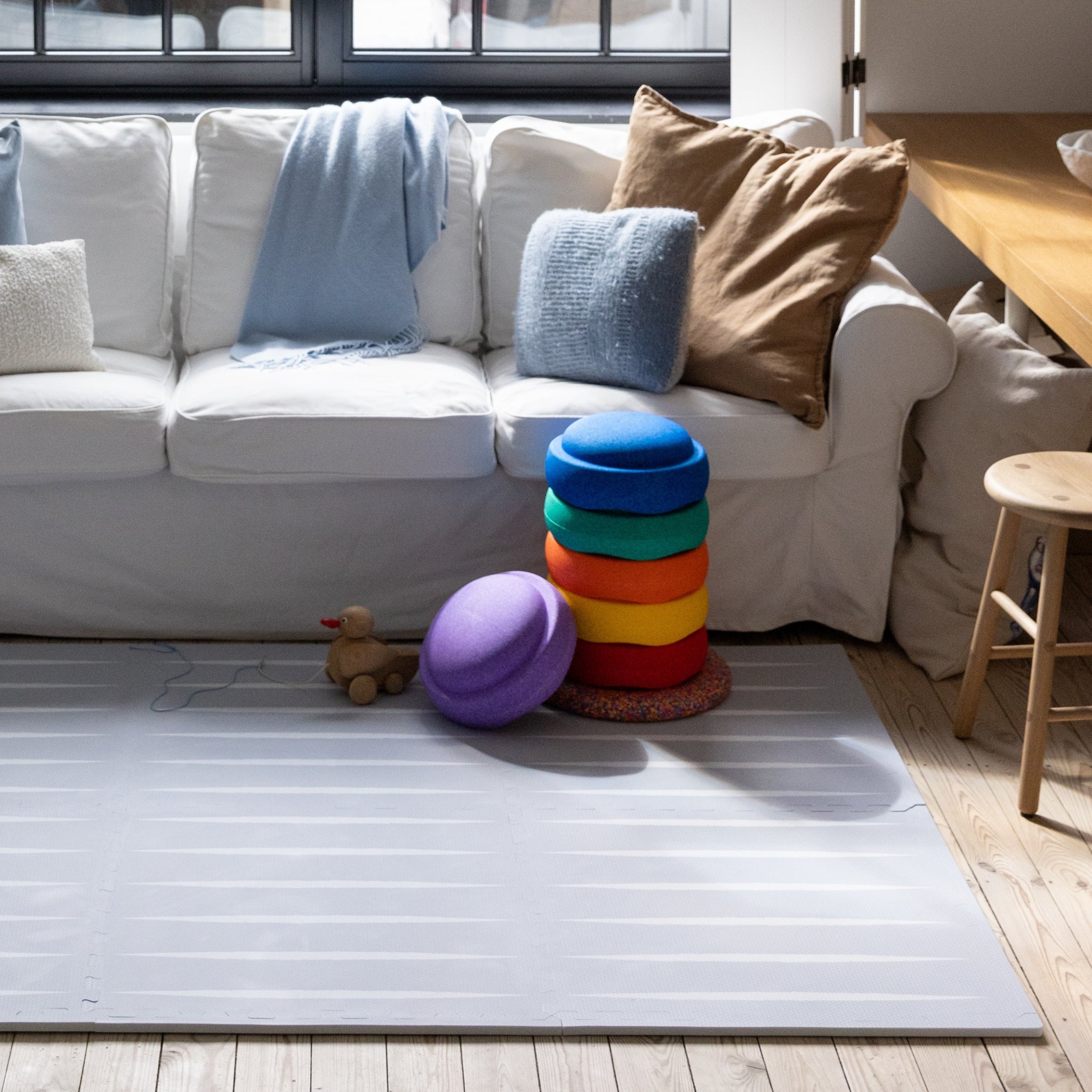
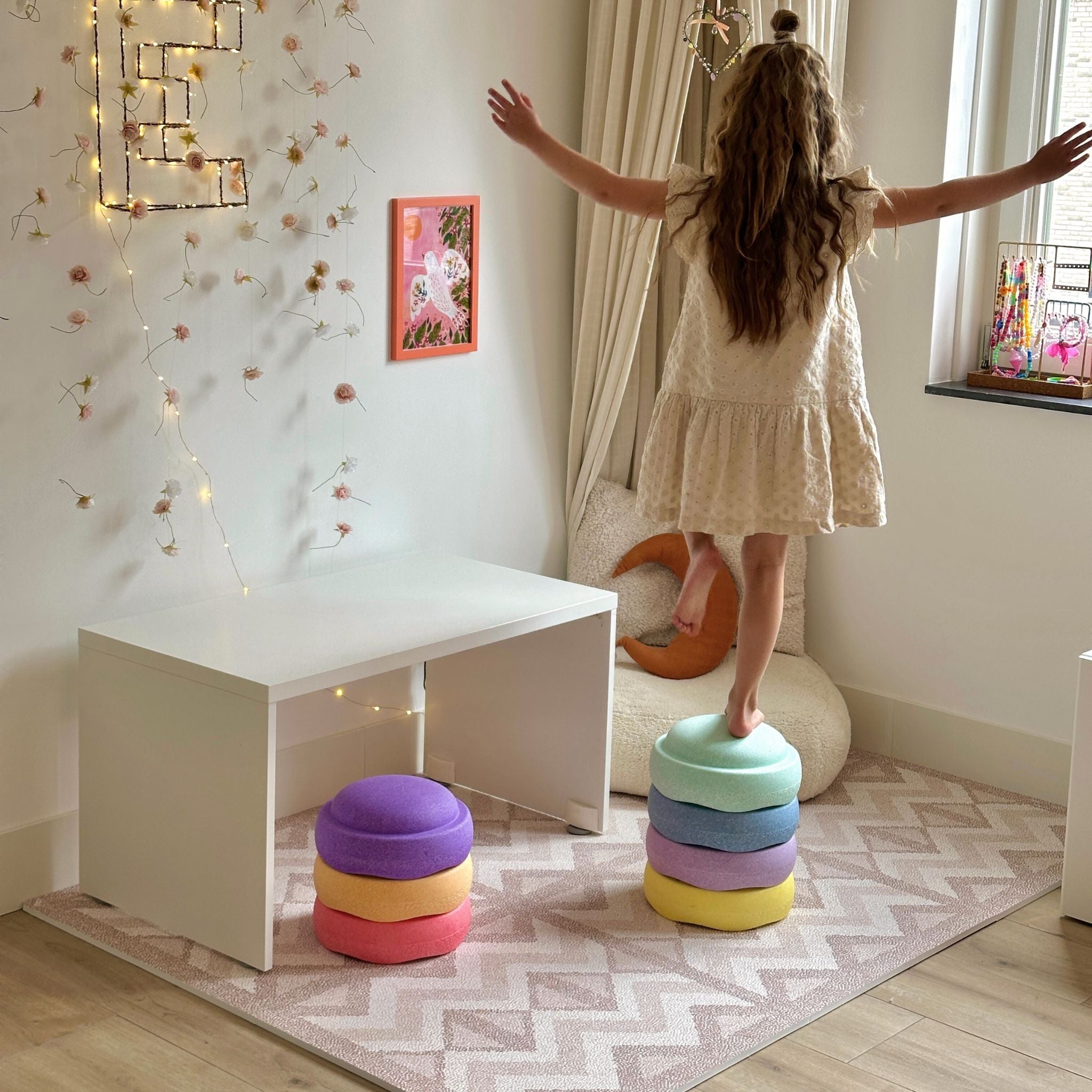
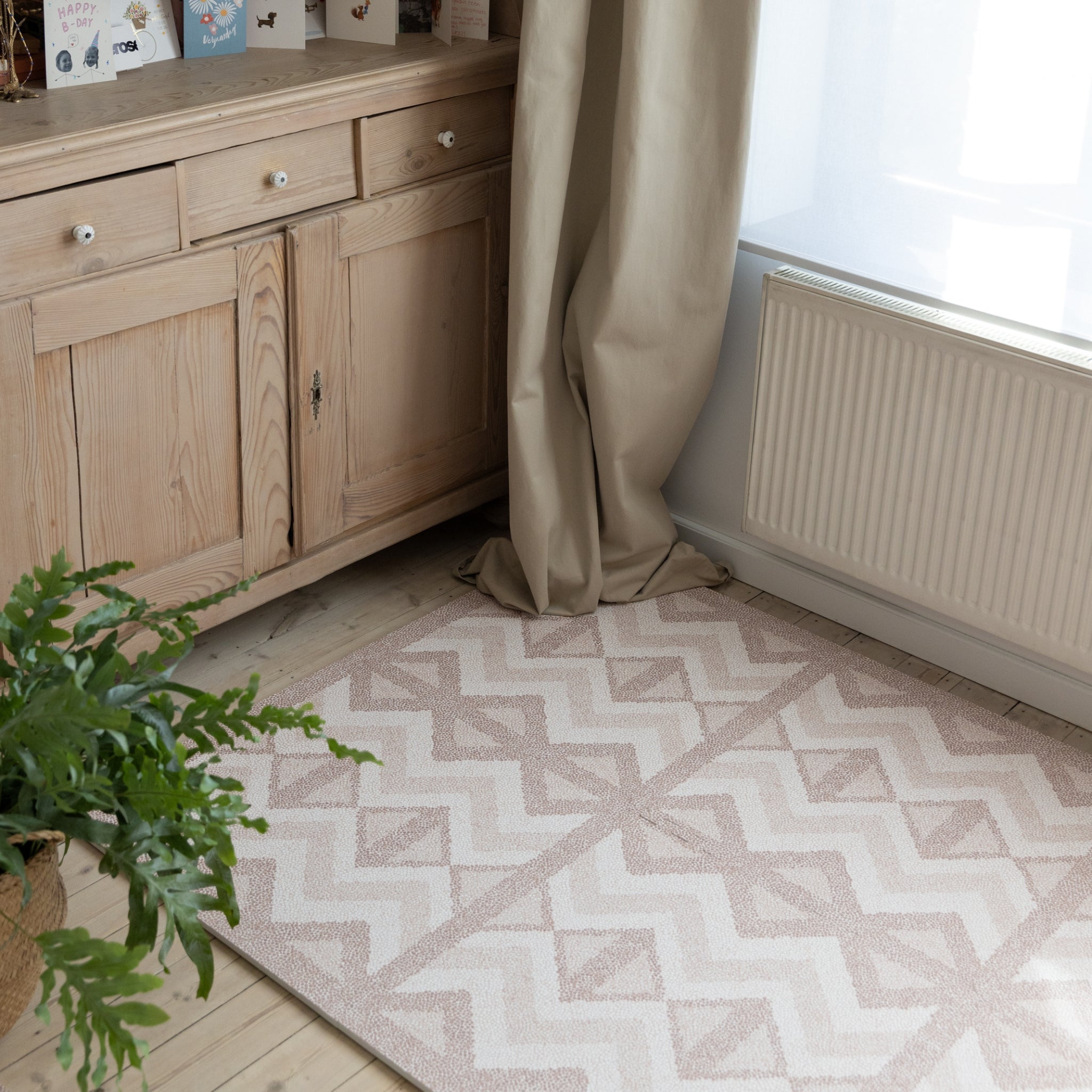
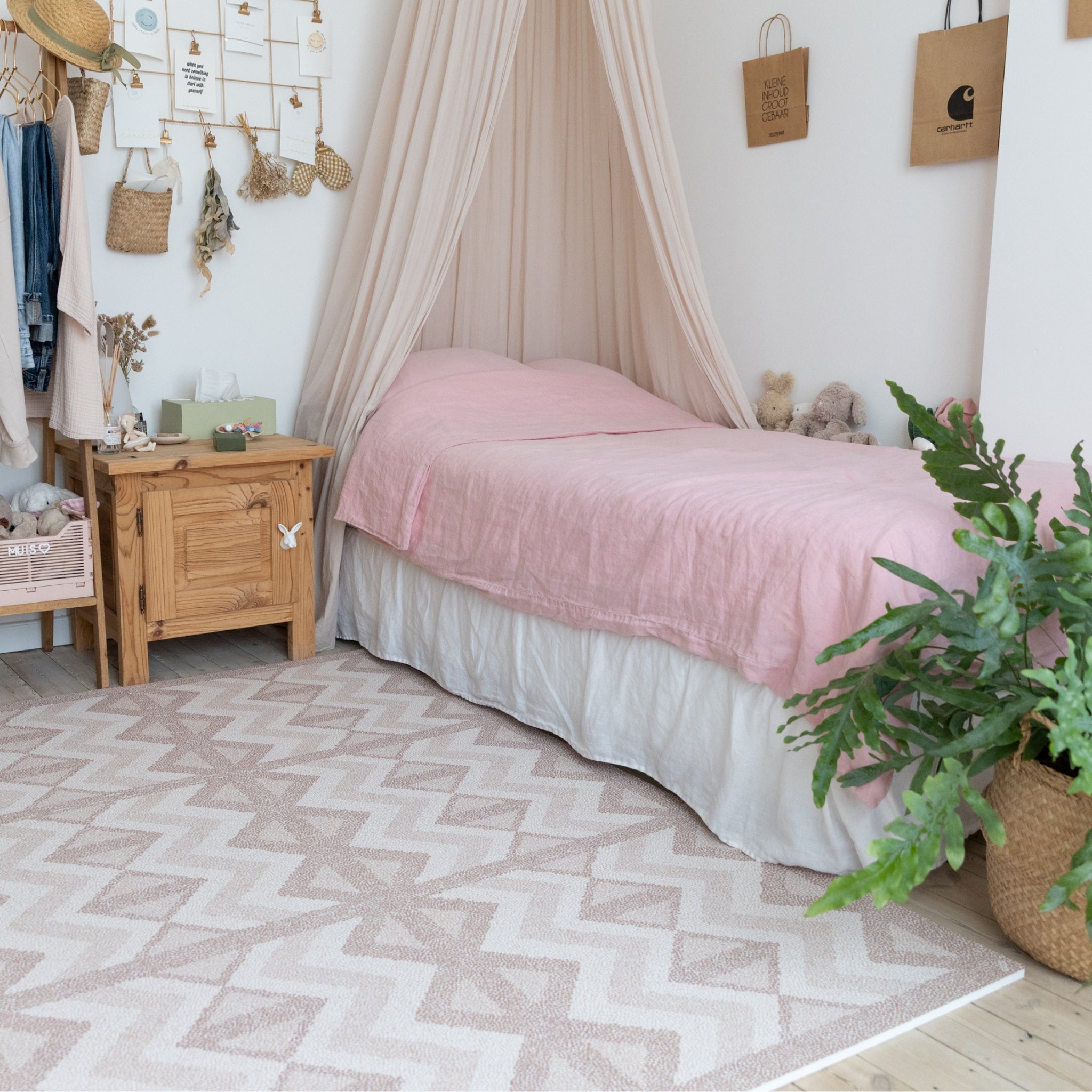
Our eight sizes run from 4 ft by 6 ft, which suits a bedroom corner or a first mat for the early months, up to 16 ft by 12 ft for a dedicated playroom or two children sharing a space. A typical living room corner, once you have measured around the furniture, often lands between 6 ft by 8 ft and 8 ft by 12 ft, which is also the range most of our living room play mats are bought in. A nursery usually suits something smaller, closer to 4 ft by 6 ft or 6 ft by 8 ft, since the crib and dresser already take up wall space.
It helps to measure twice: once before any furniture is delivered, if you are planning ahead, and once again after the room is actually set up. Rooms almost always have less clear floor once a crib, a glider or a bookshelf is in place than they did on paper, and a tape measure against an empty room tends to overestimate what is actually left for a mat.
| Size | Tiles (approx.) | From |
|---|---|---|
| 4 ft x 6 ft | 6 | $119 |
| 6 ft x 8 ft | 12 | $229 |
| 6 ft x 12 ft | 18 | $314 |
| 8 ft x 12 ft | 24 | $399 |
| 10 ft x 12 ft | 30 | $499 |
| 12 ft x 12 ft | 36 | $579 |
| 14 ft x 12 ft | 42 | $649 |
| 16 ft x 12 ft | 48 | $729 |
Not sure which number to measure to?
Start with our best-selling sizes, then compare them against your own clear floor measurement.


What if your measurement falls between two sizes?
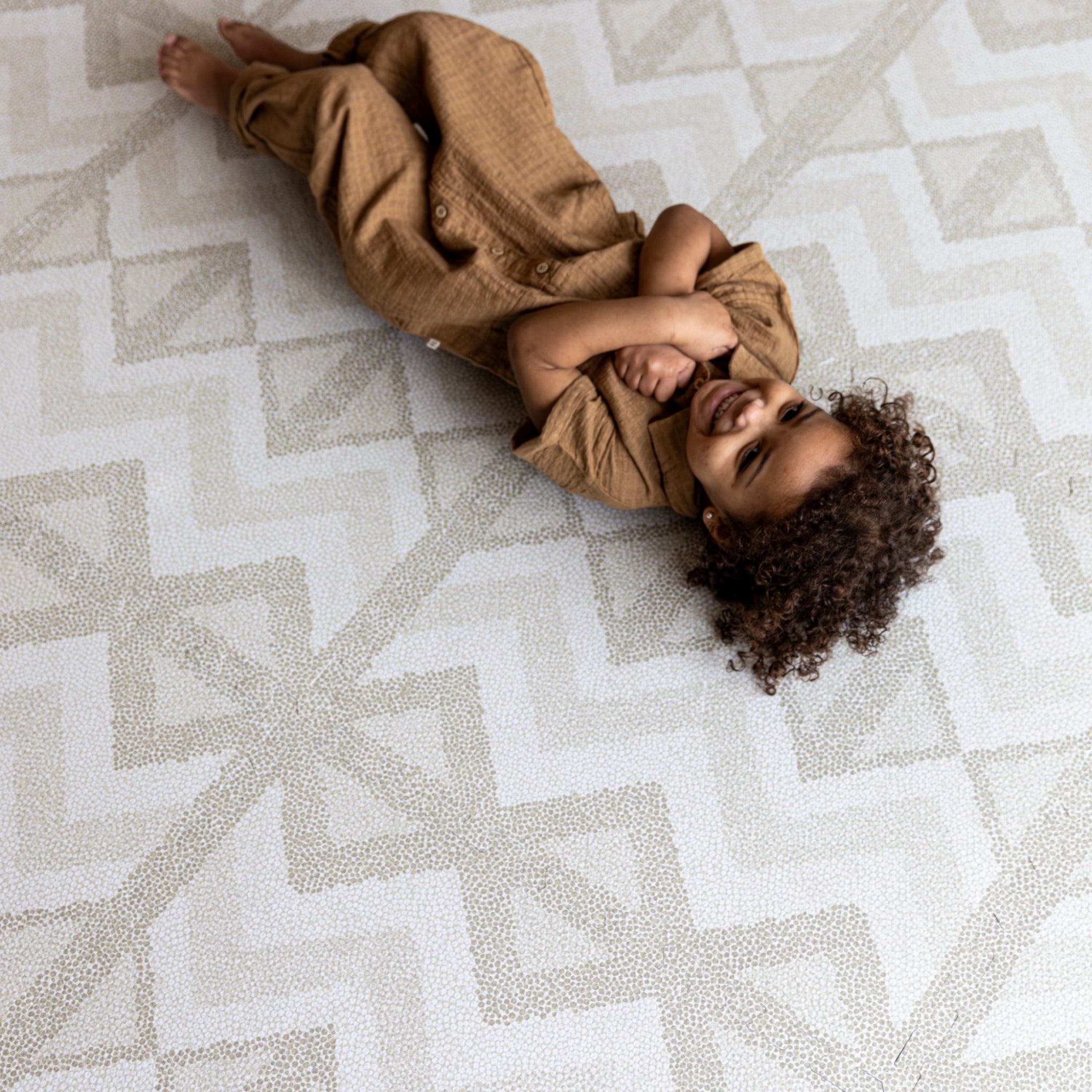
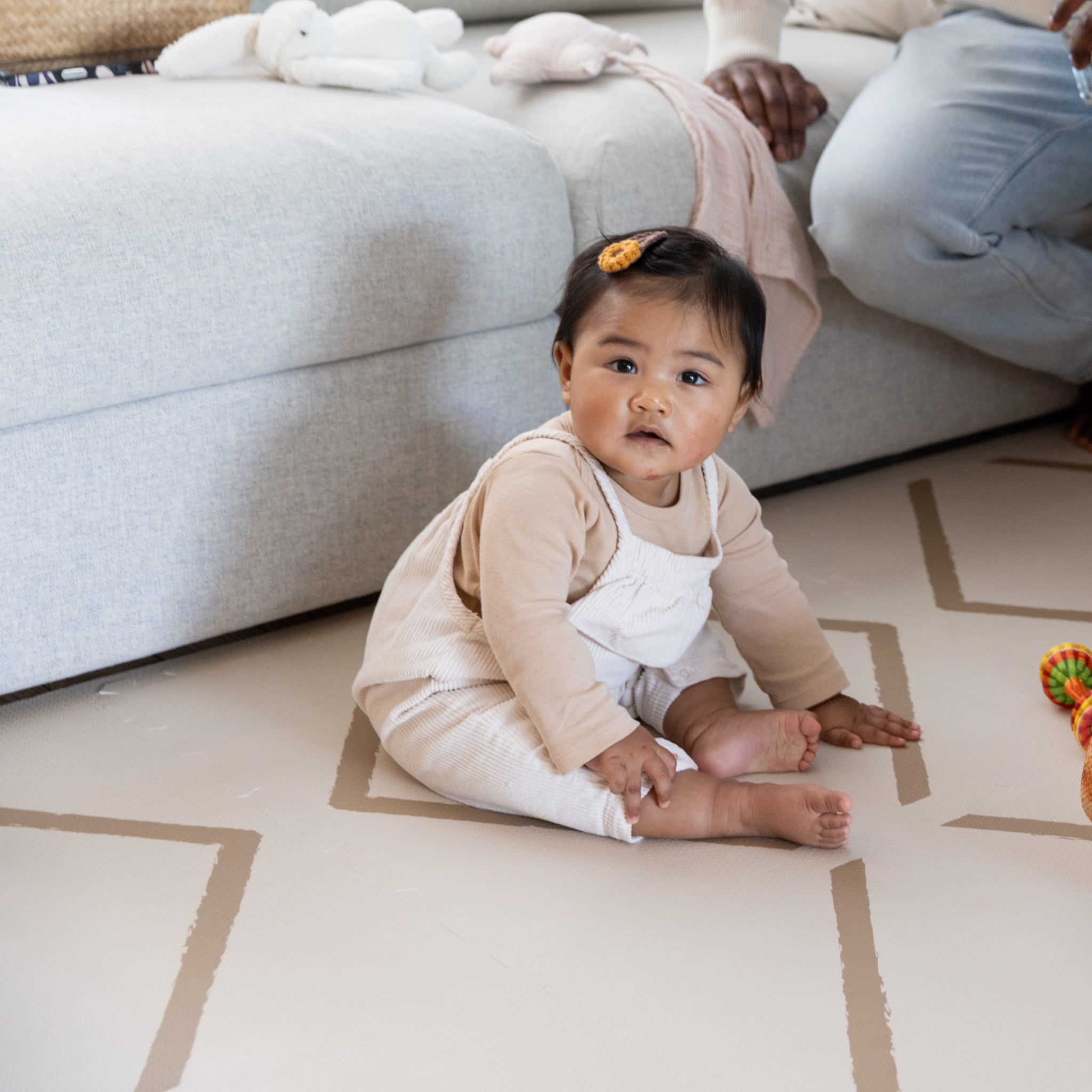
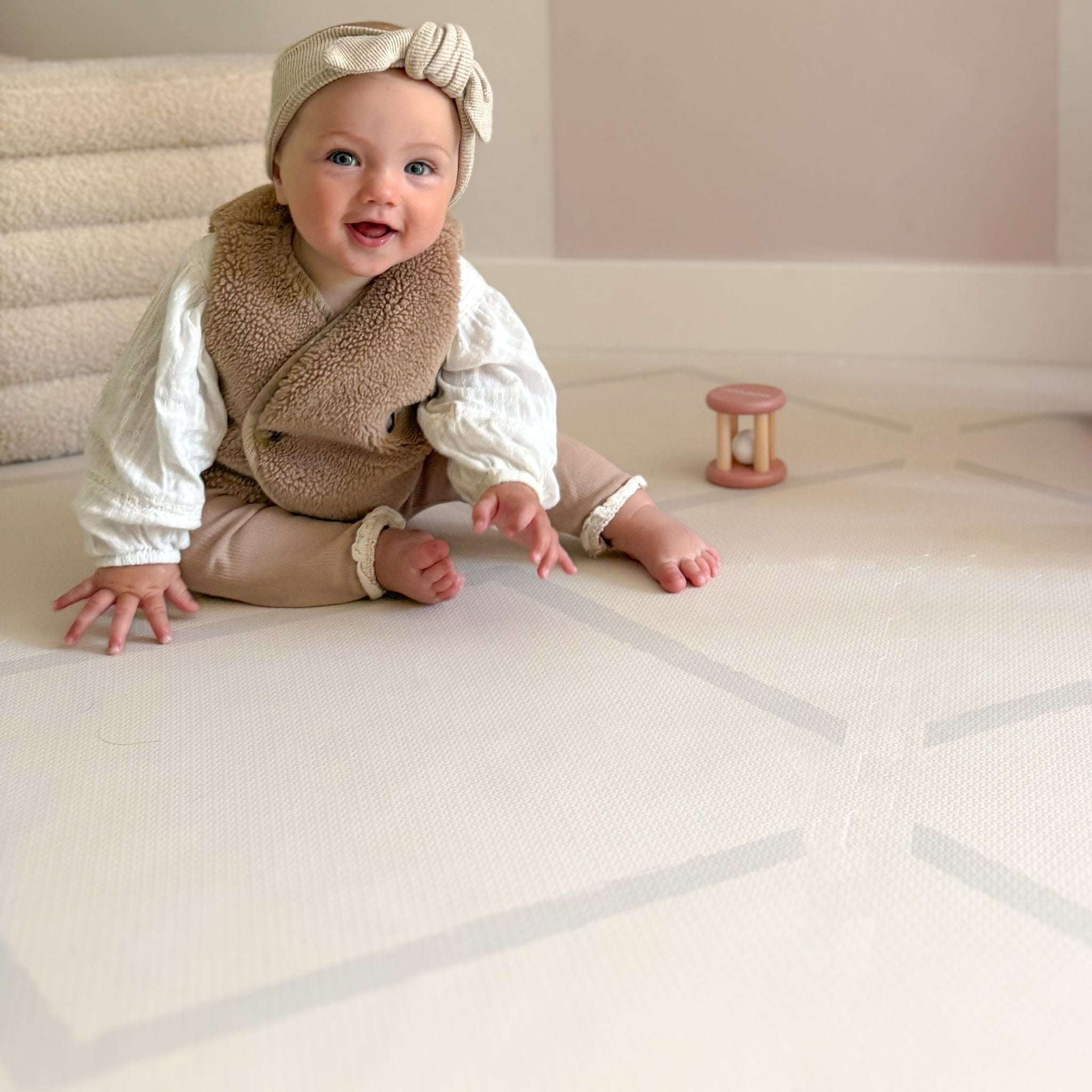
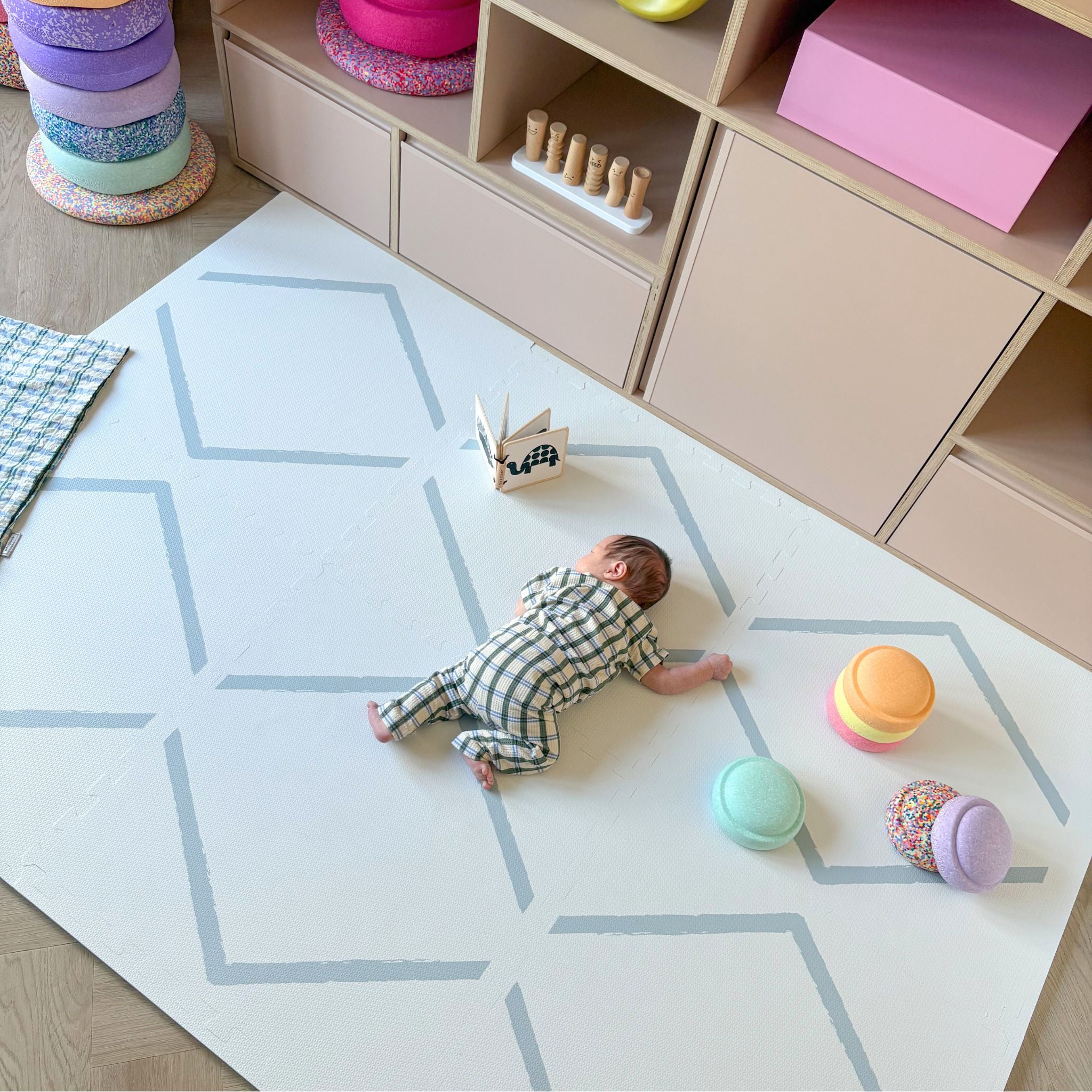
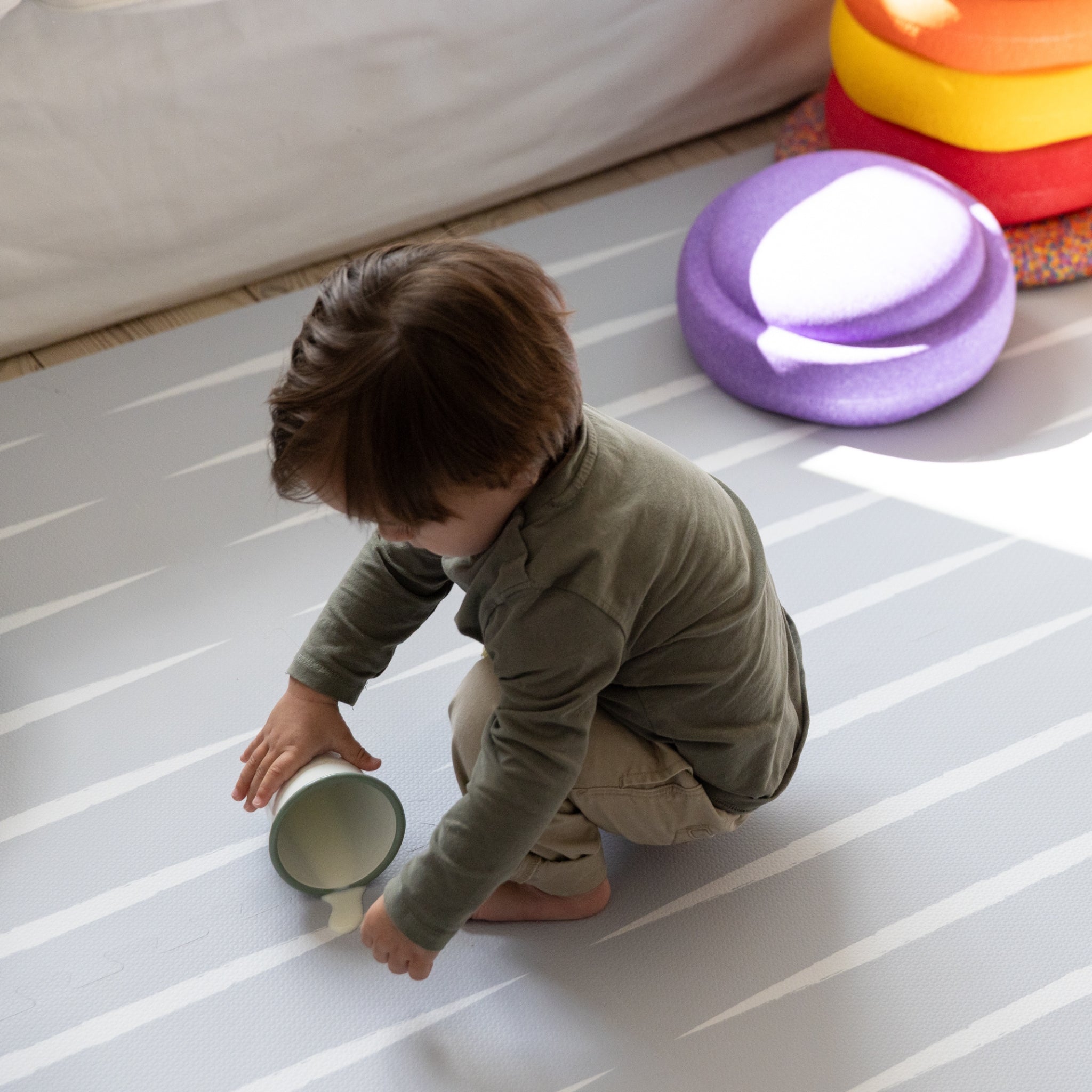
Size up rather than down. A baby who is rolling or crawling uses more floor than a tape measure suggests, because play spreads sideways as soon as a toy rolls off the mat. A few extra inches of exposed floor around the edge is a bigger practical problem than a mat that is slightly larger than you planned. If you are between 6 ft by 8 ft and 8 ft by 12 ft, for example, sizing up is usually the easier choice to live with.
Can you start small and measure again later?
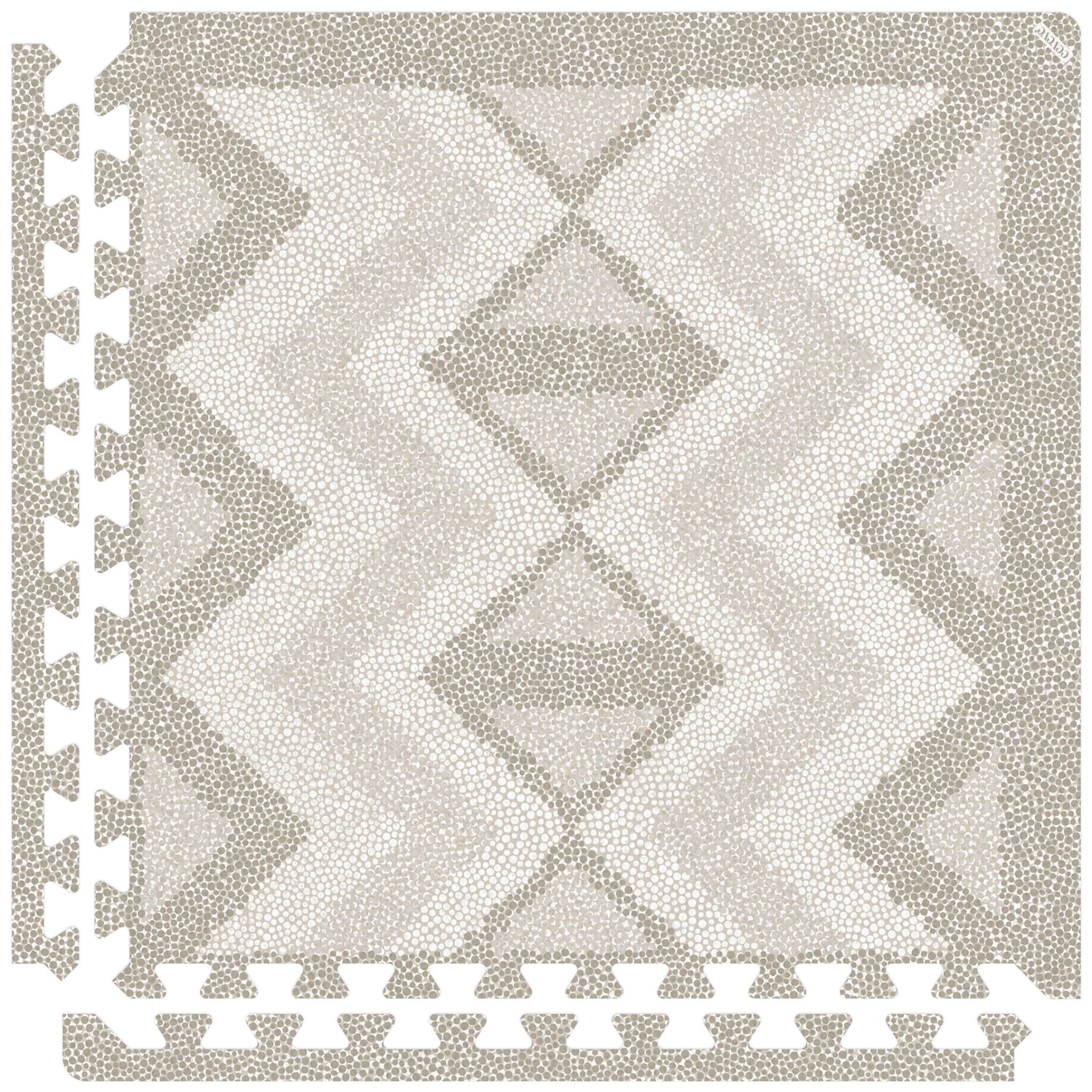
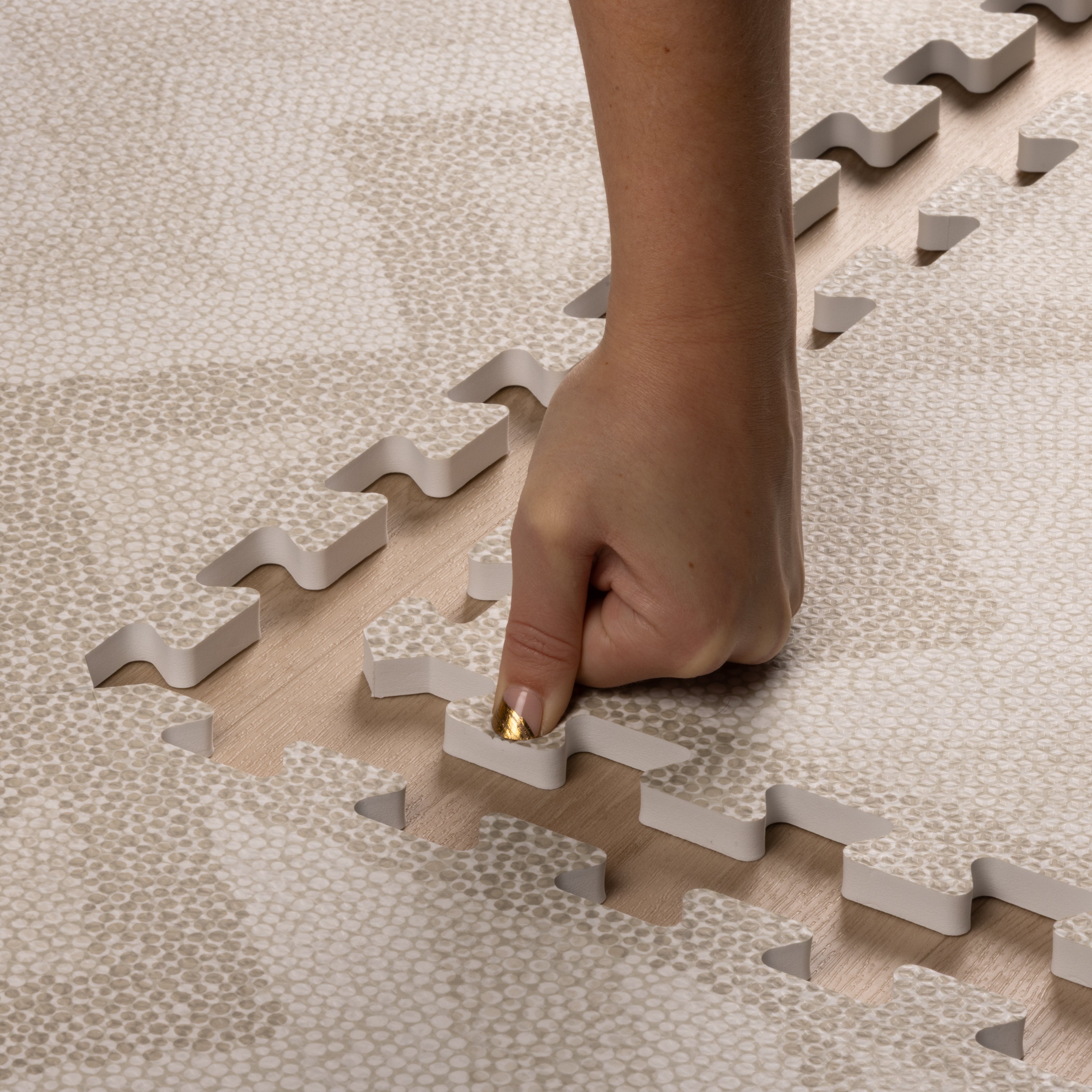
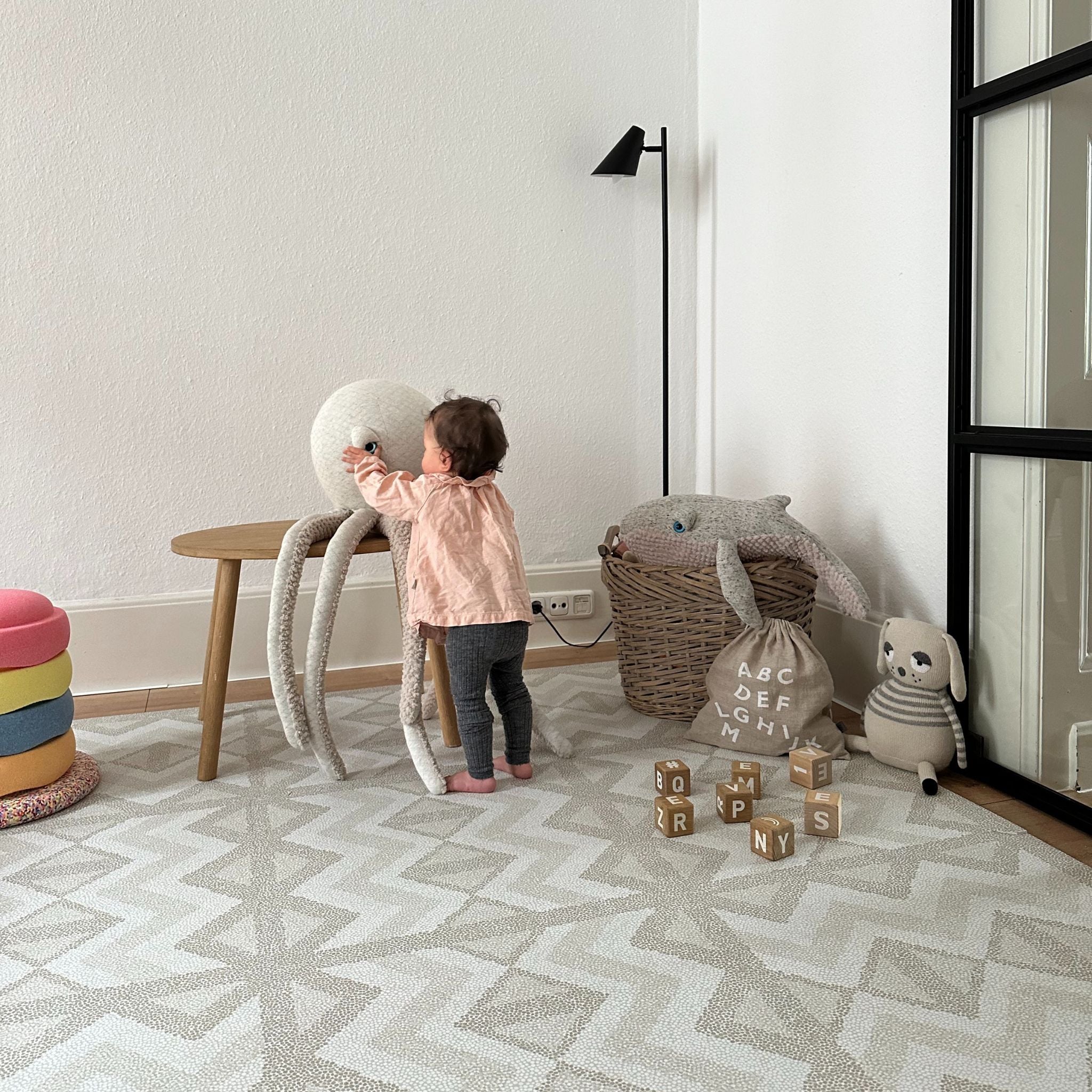
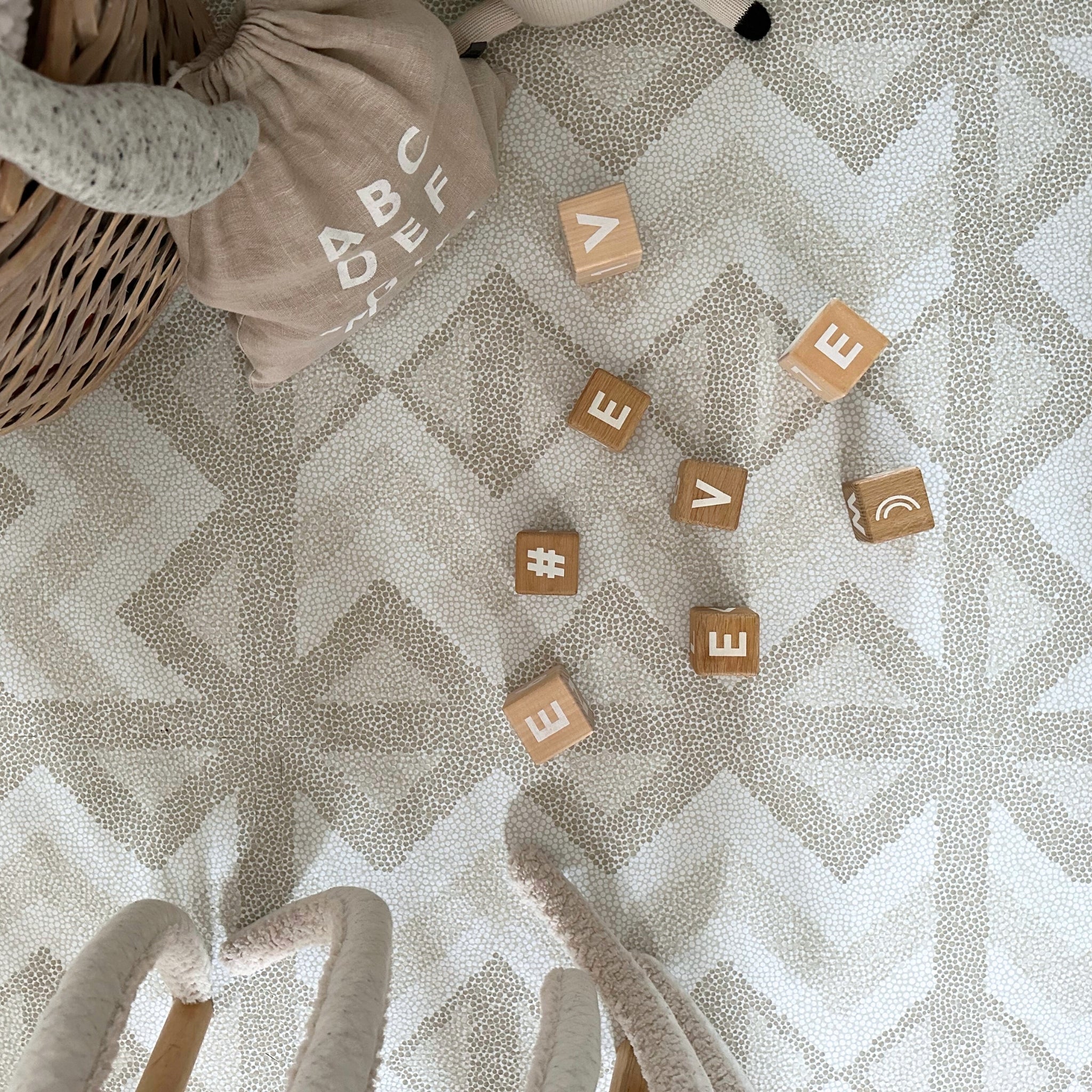
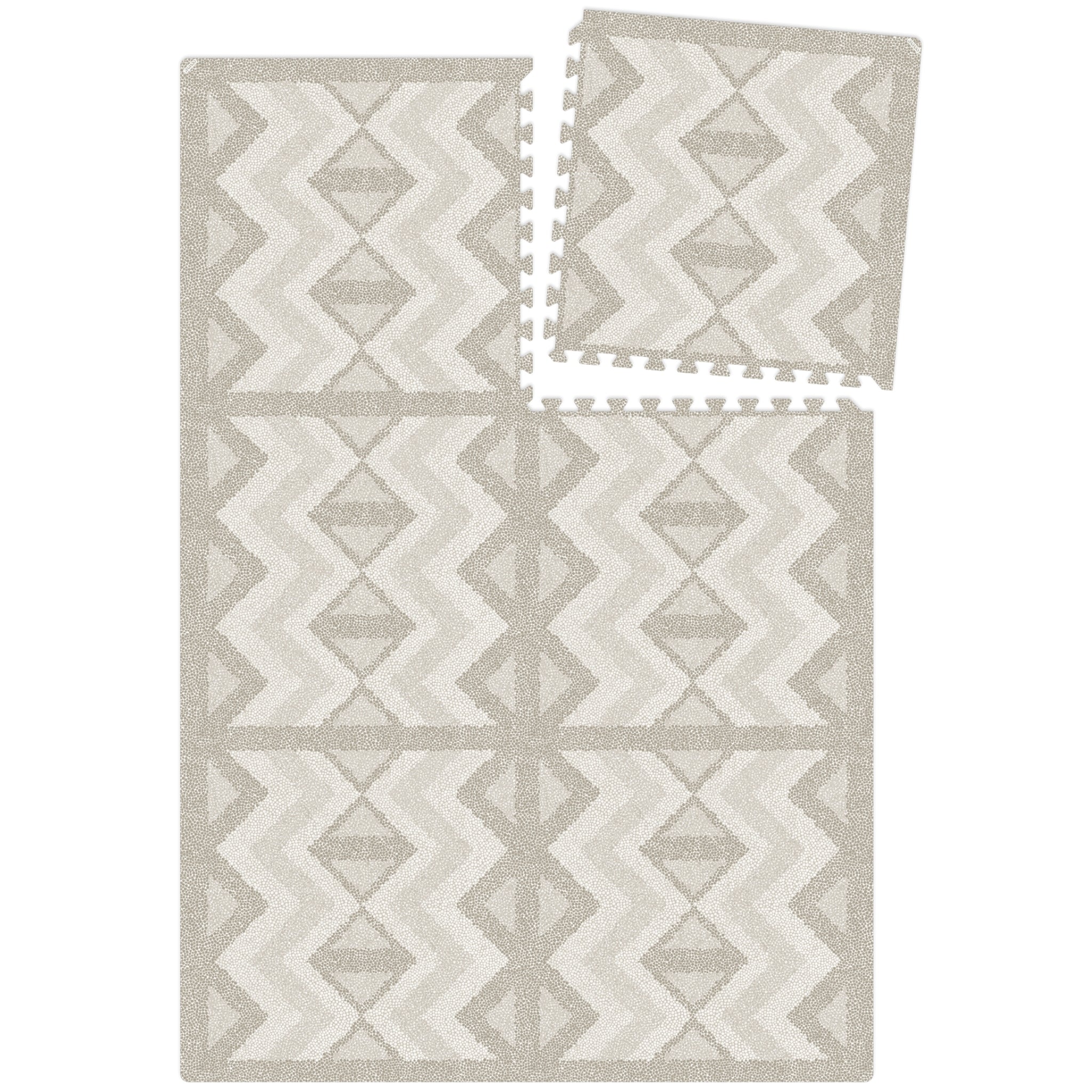
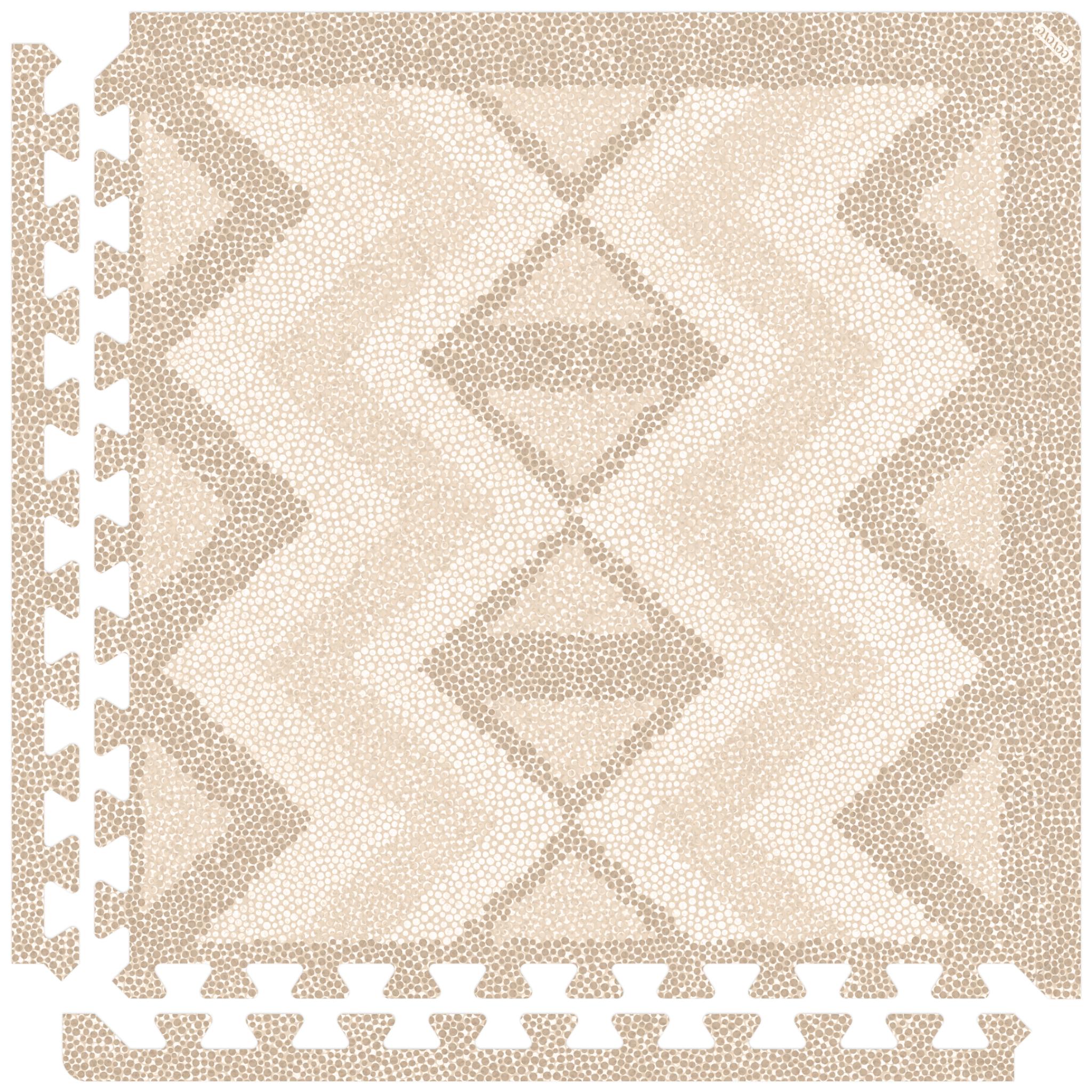
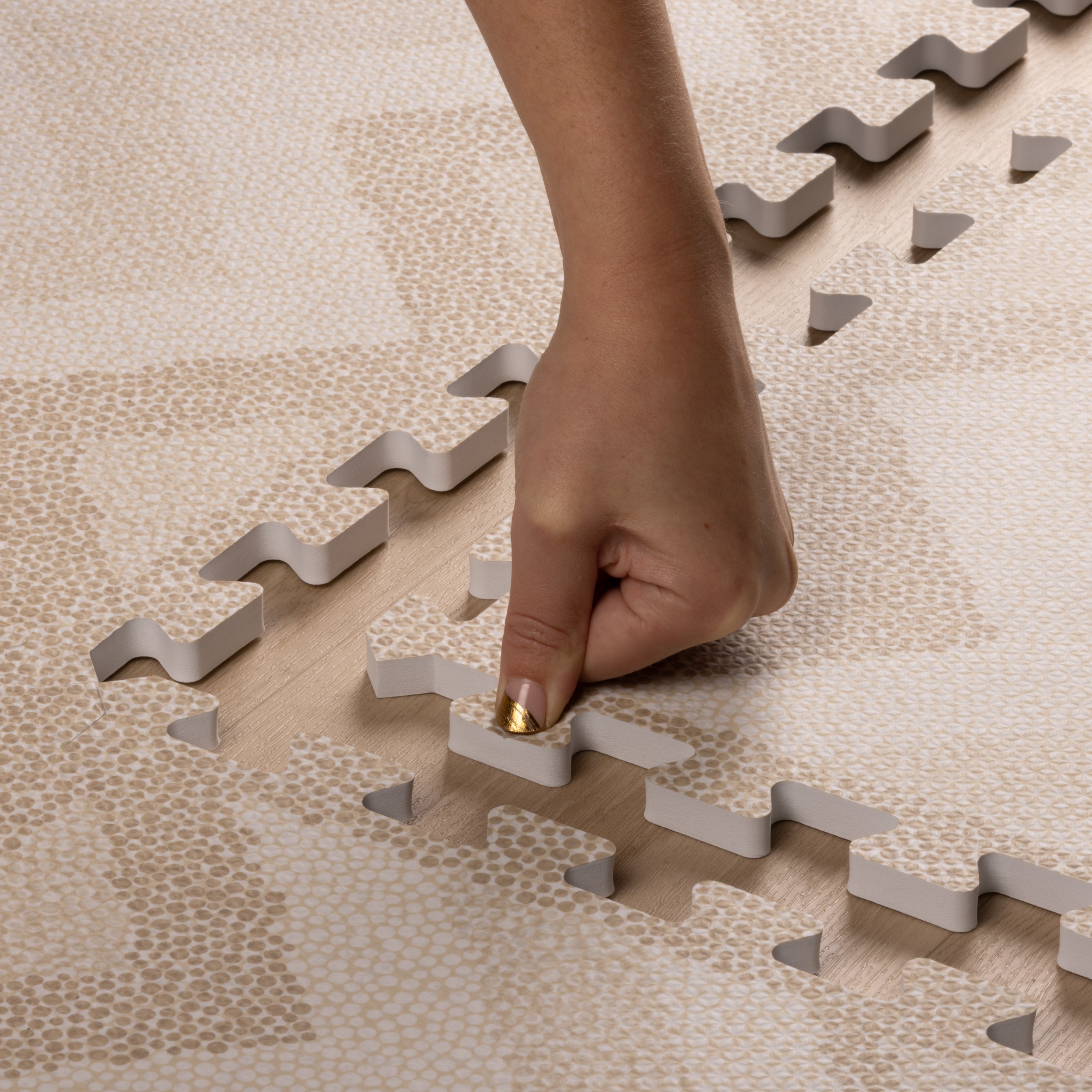
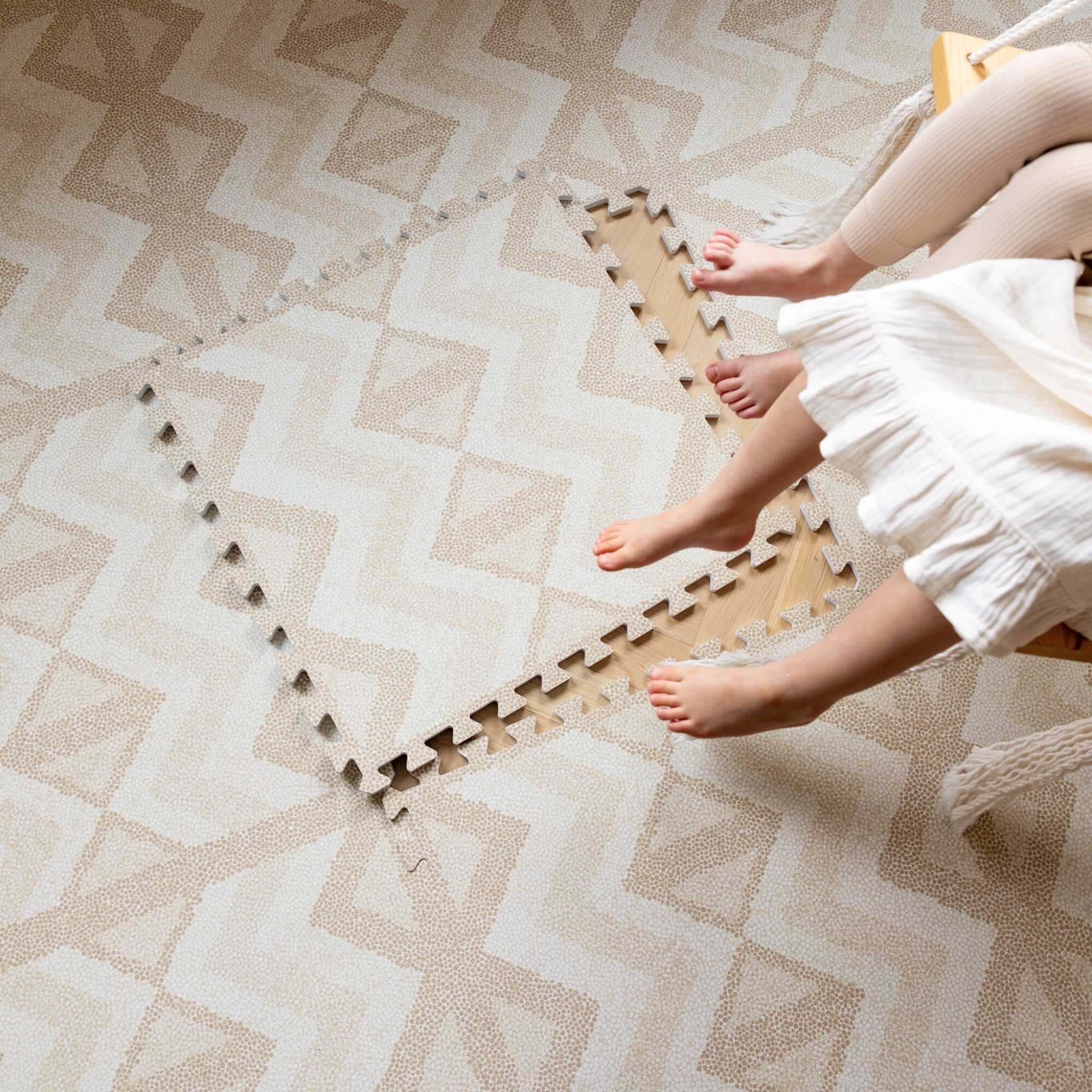
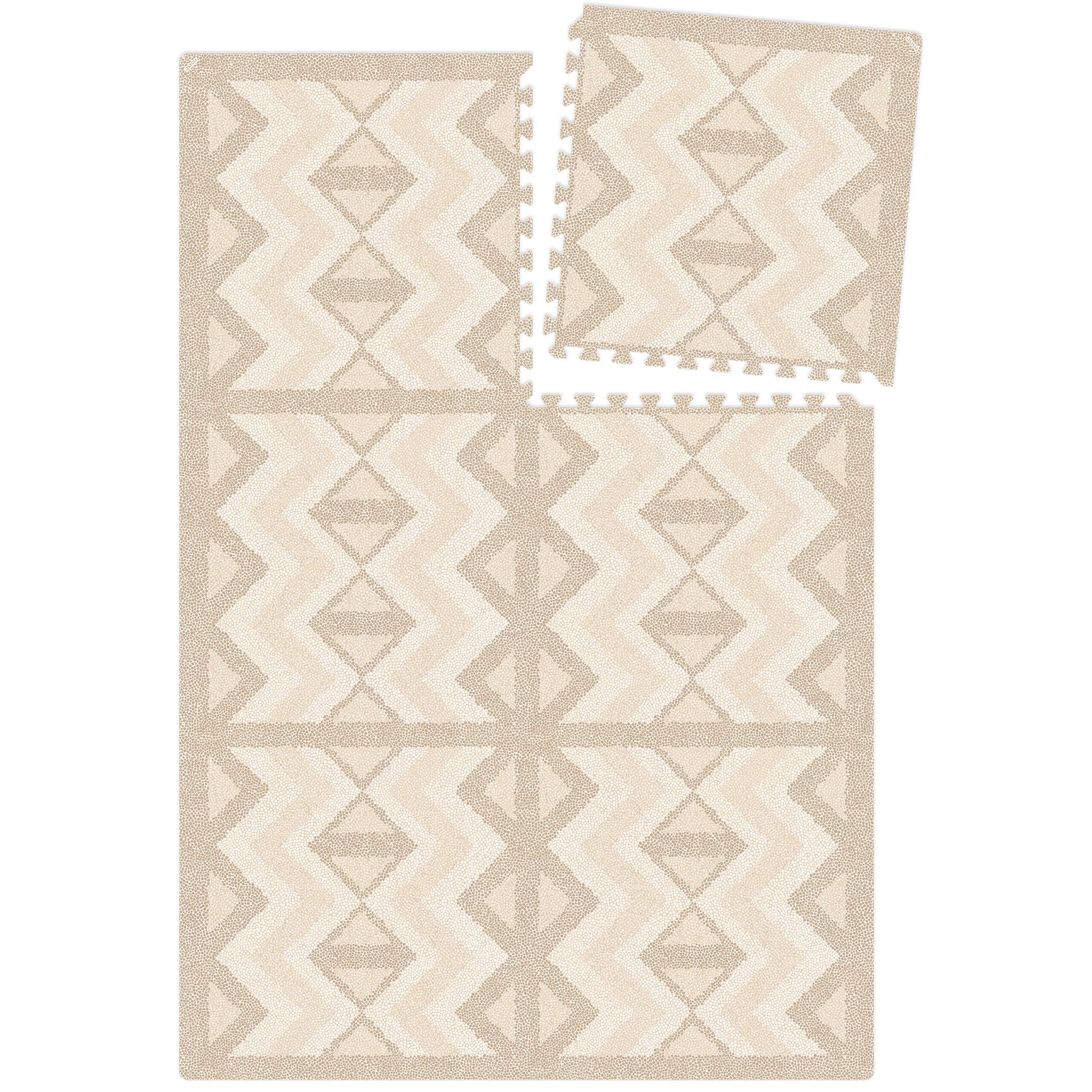
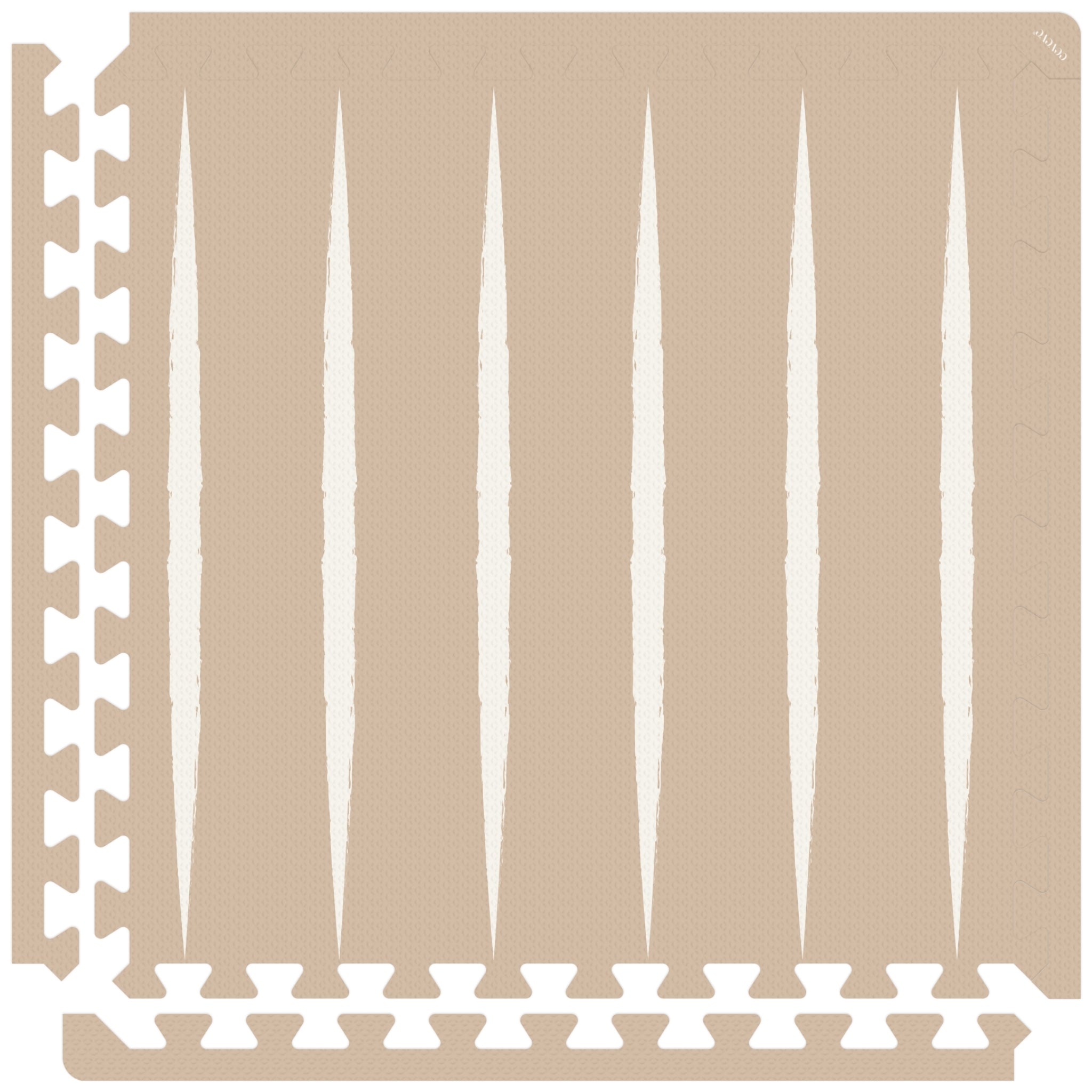
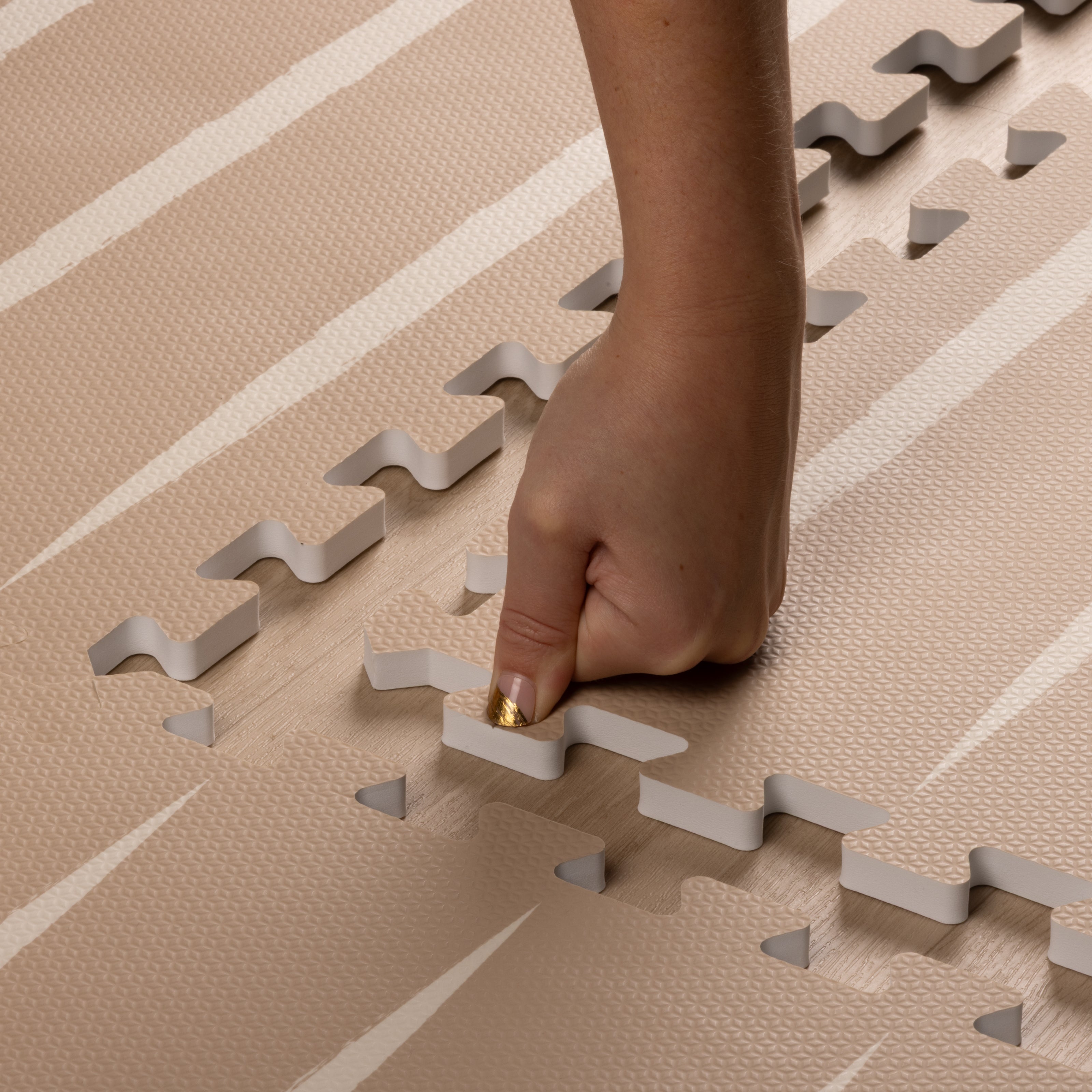
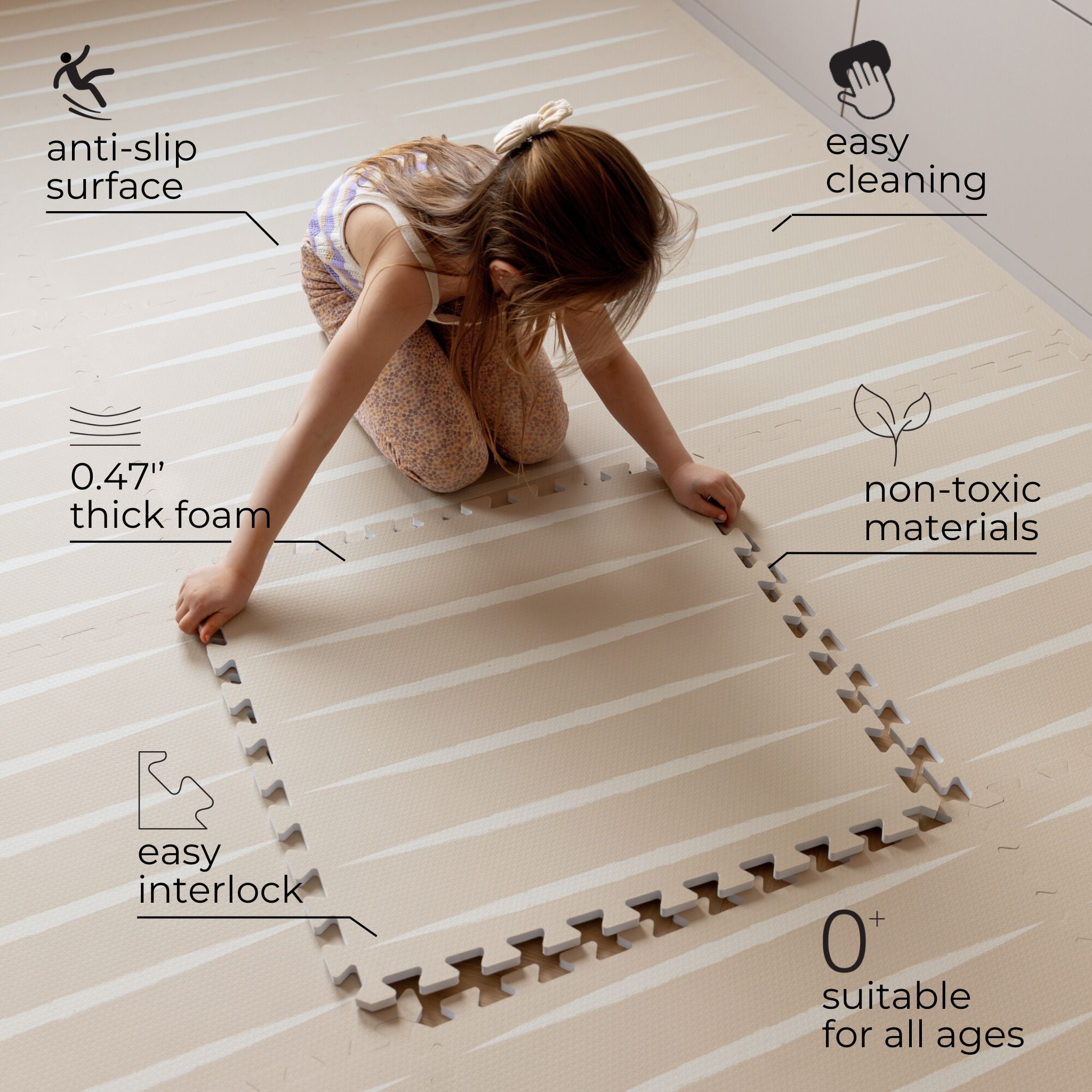
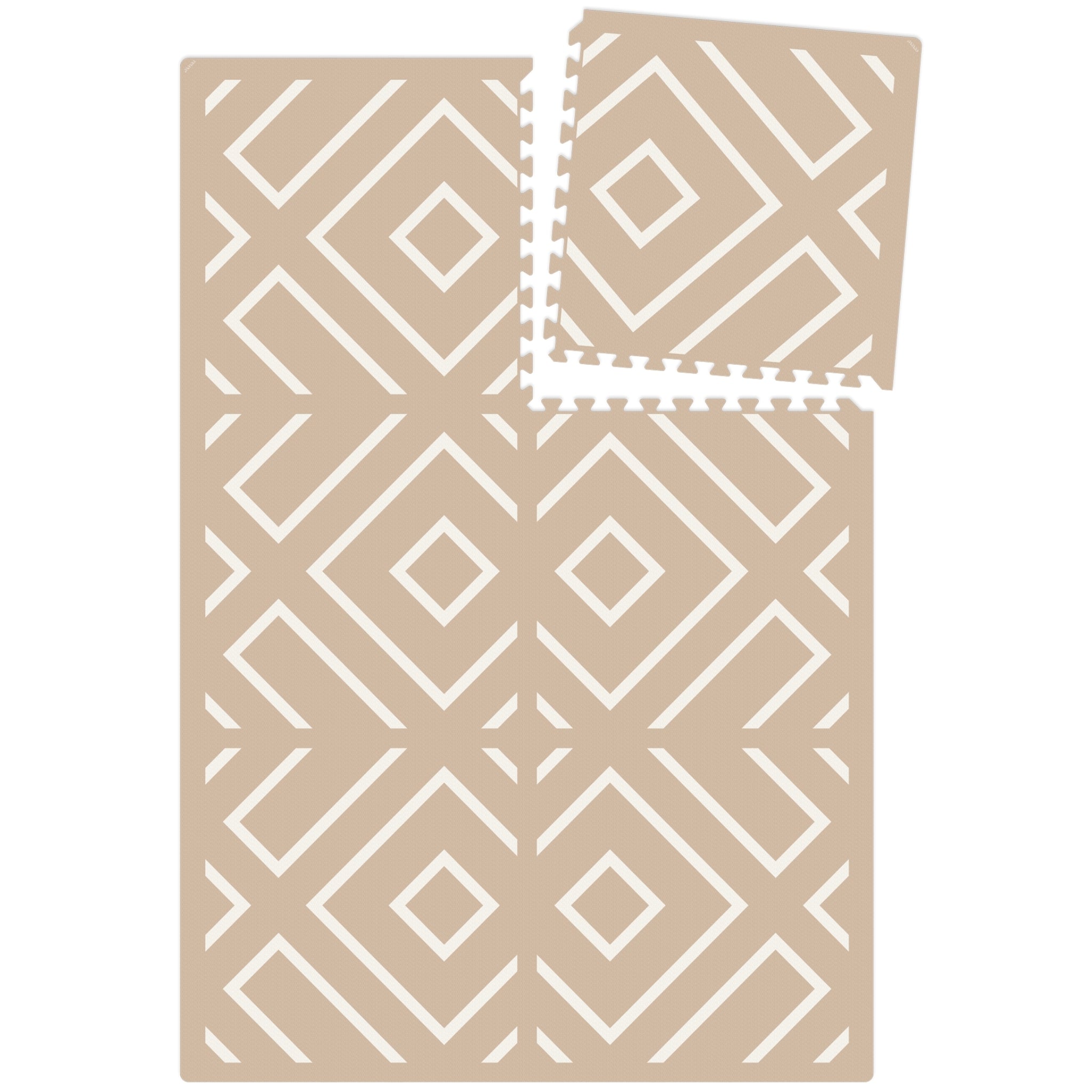
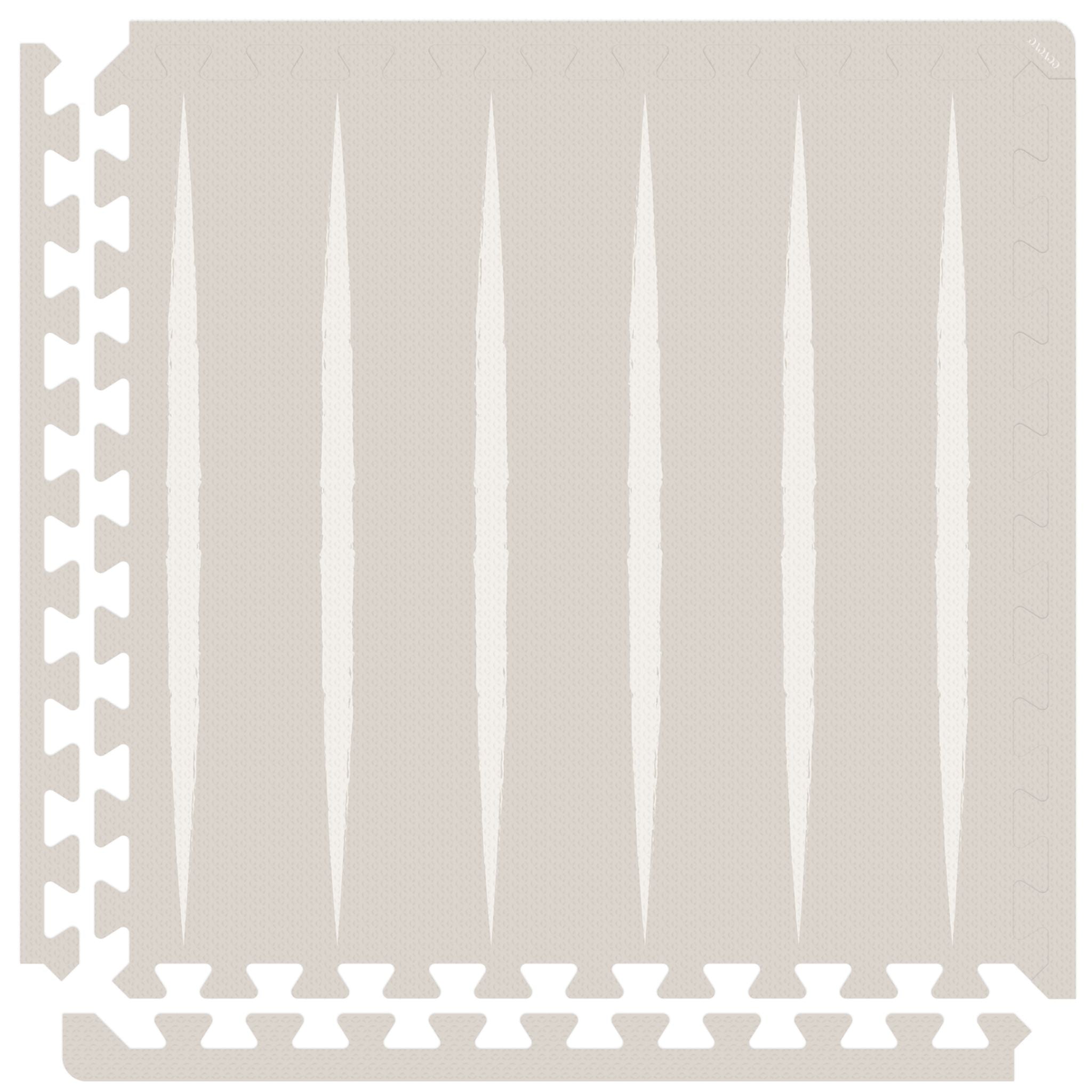
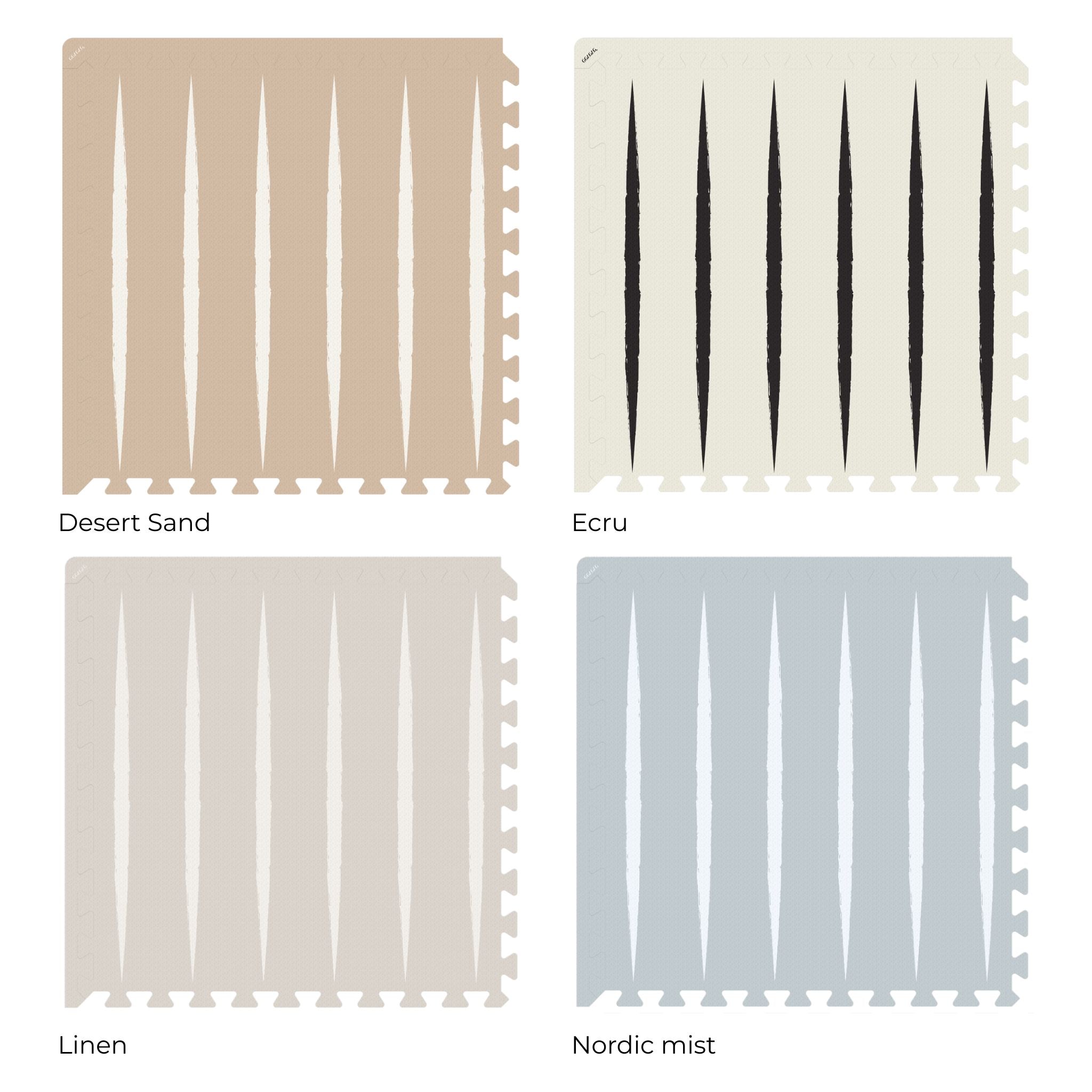
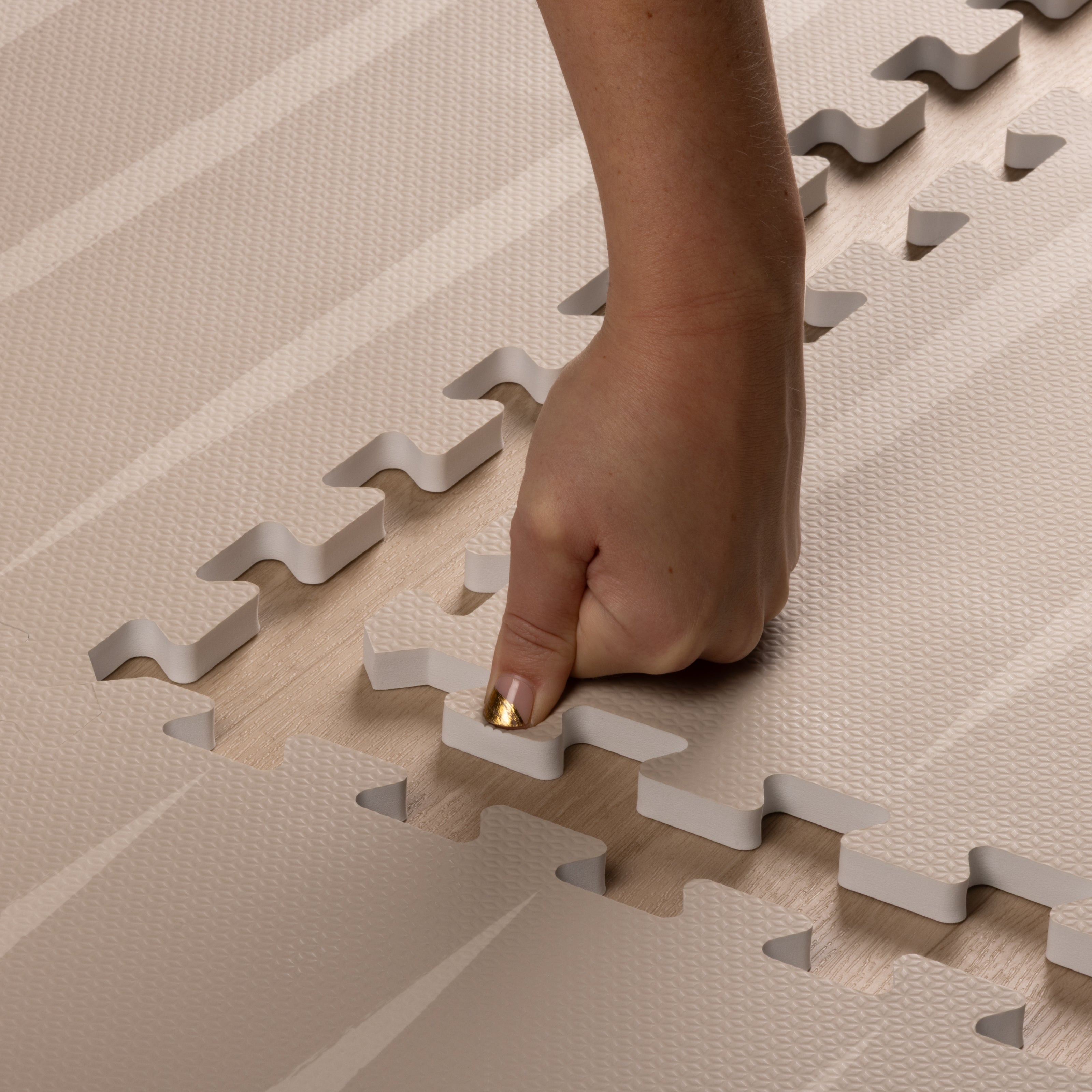
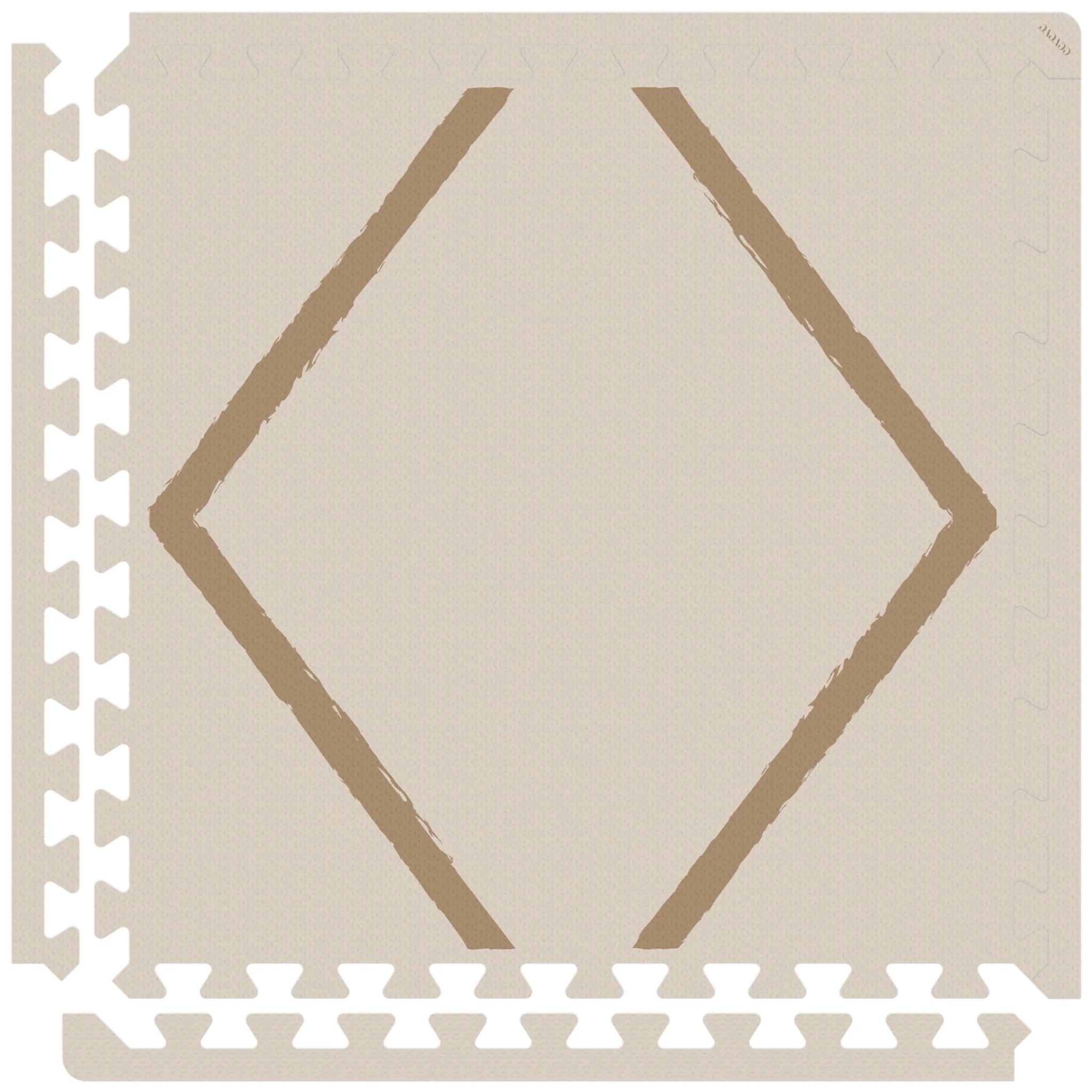
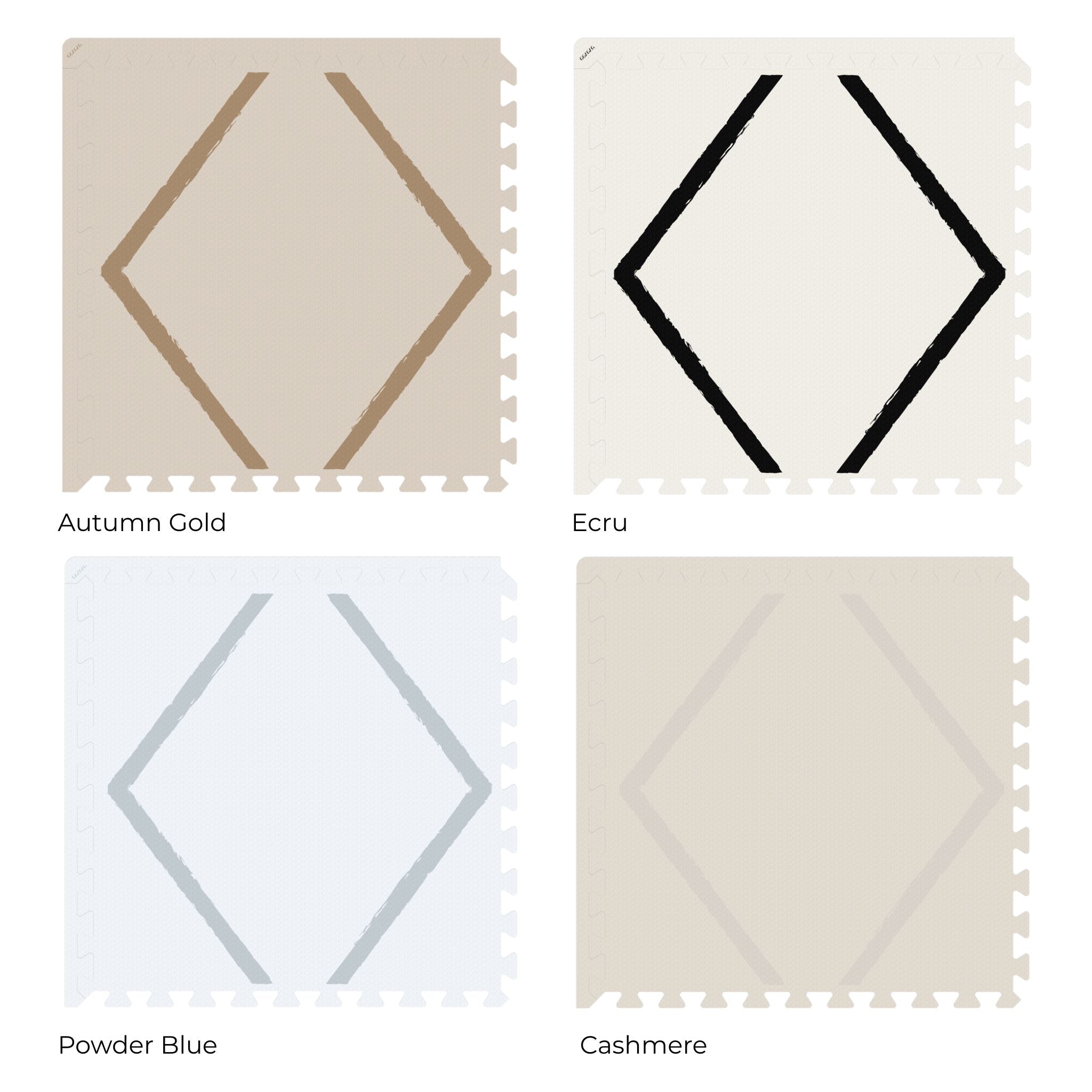
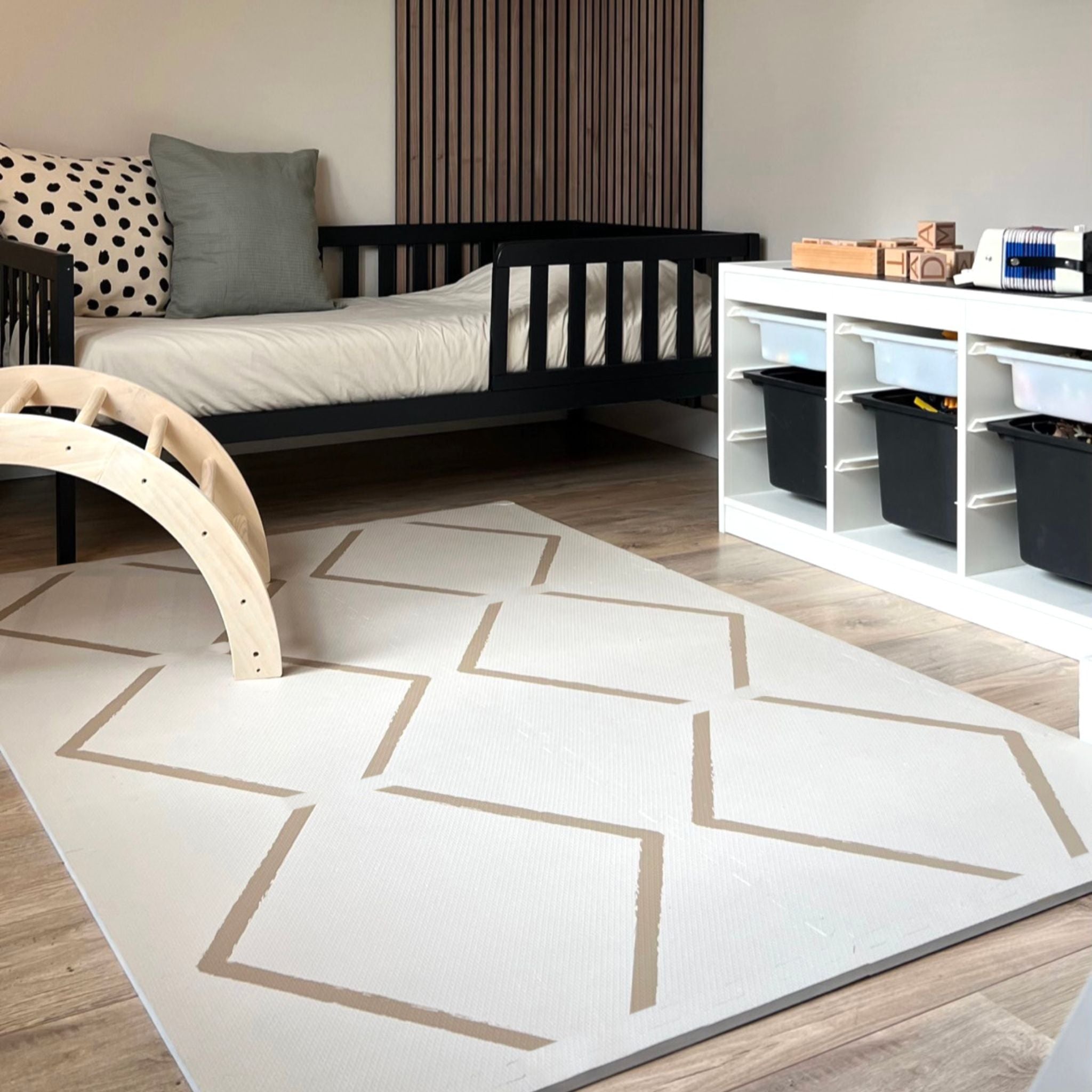
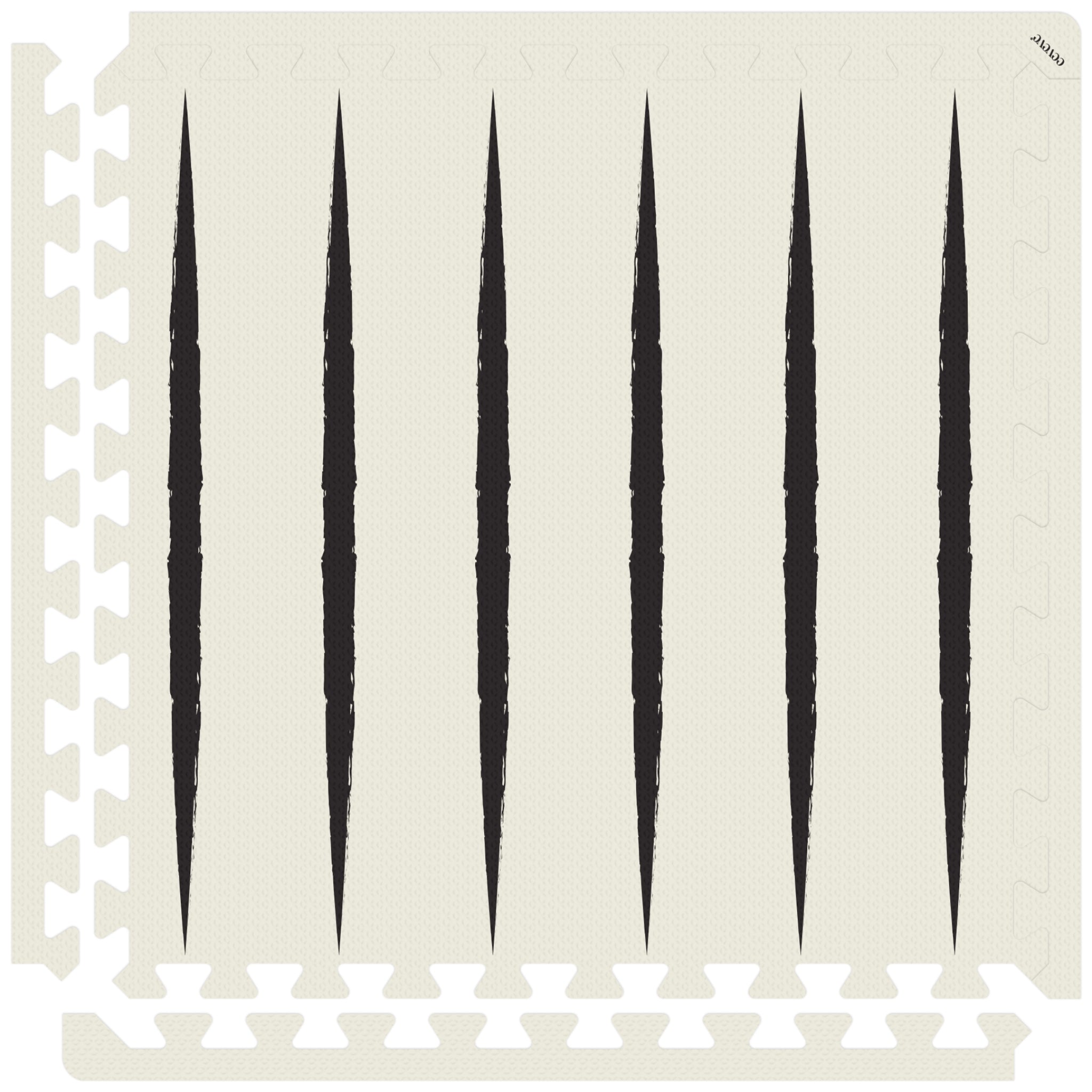
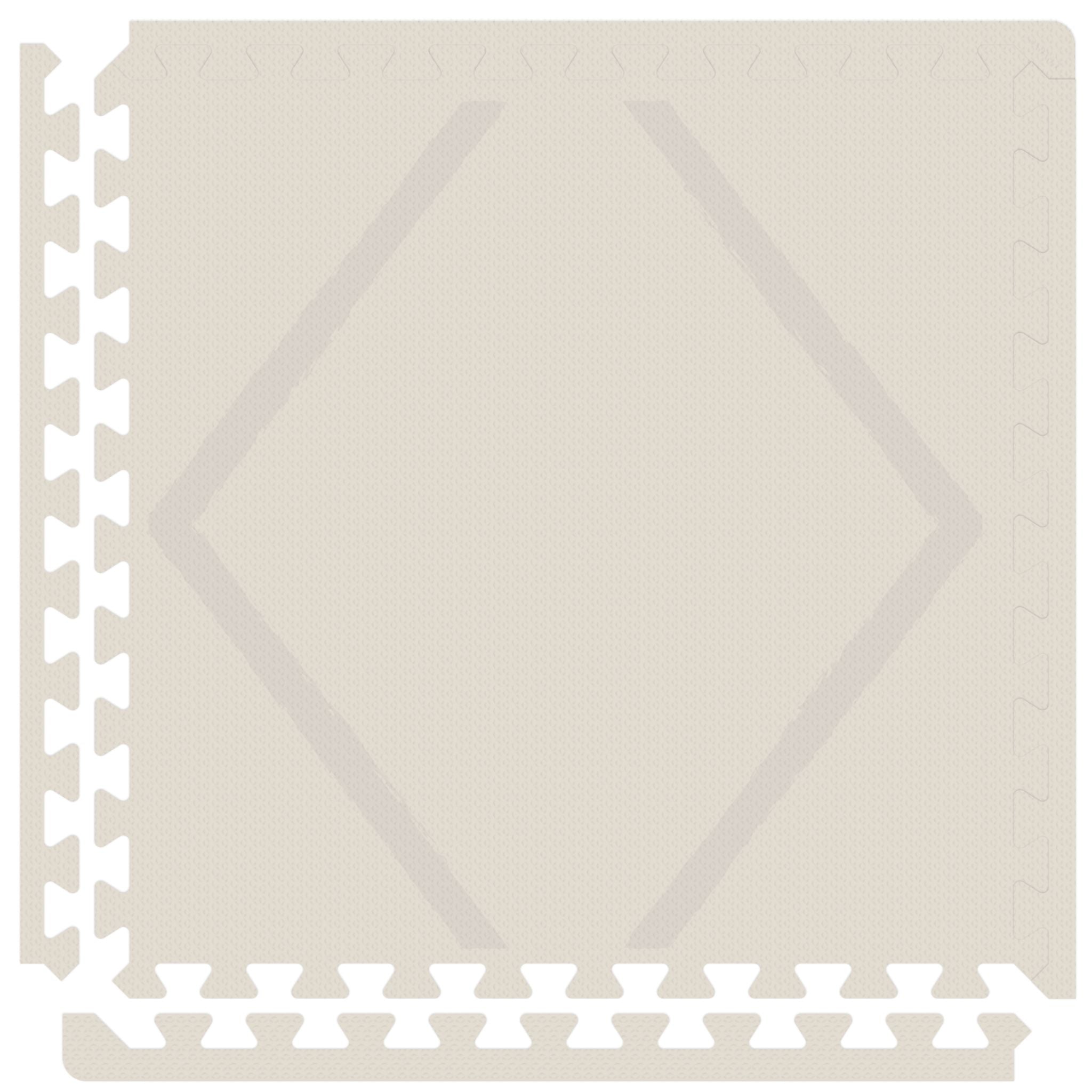
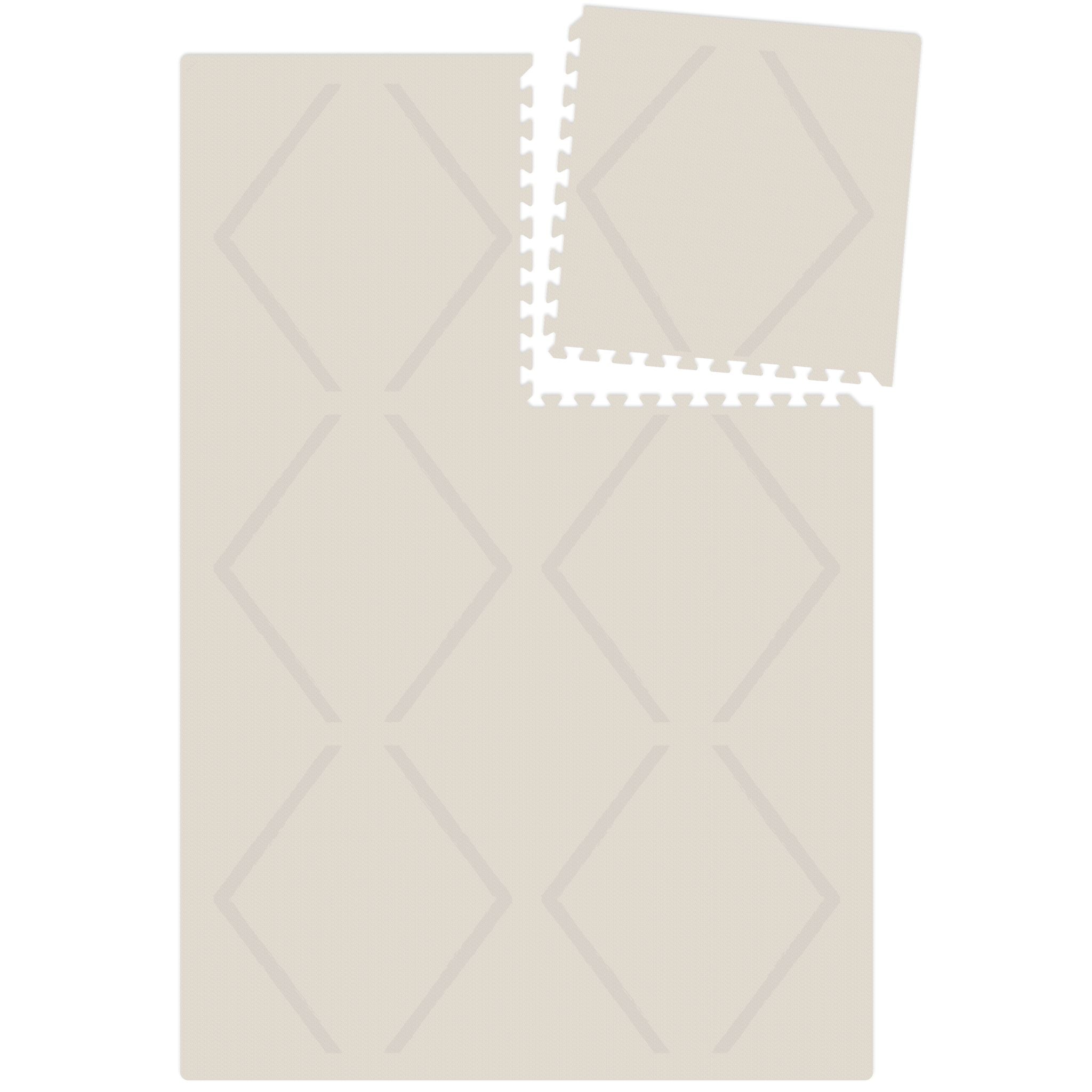
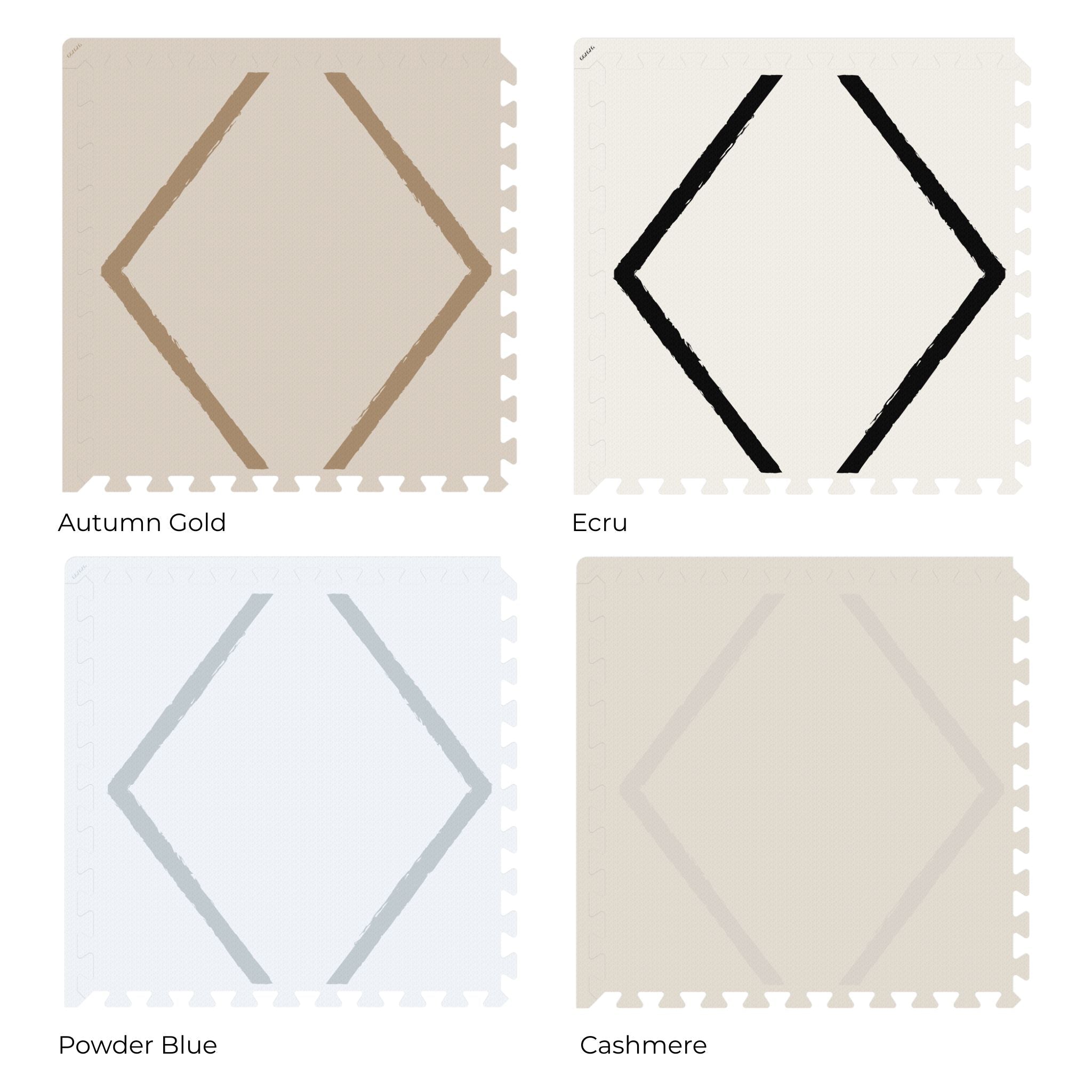
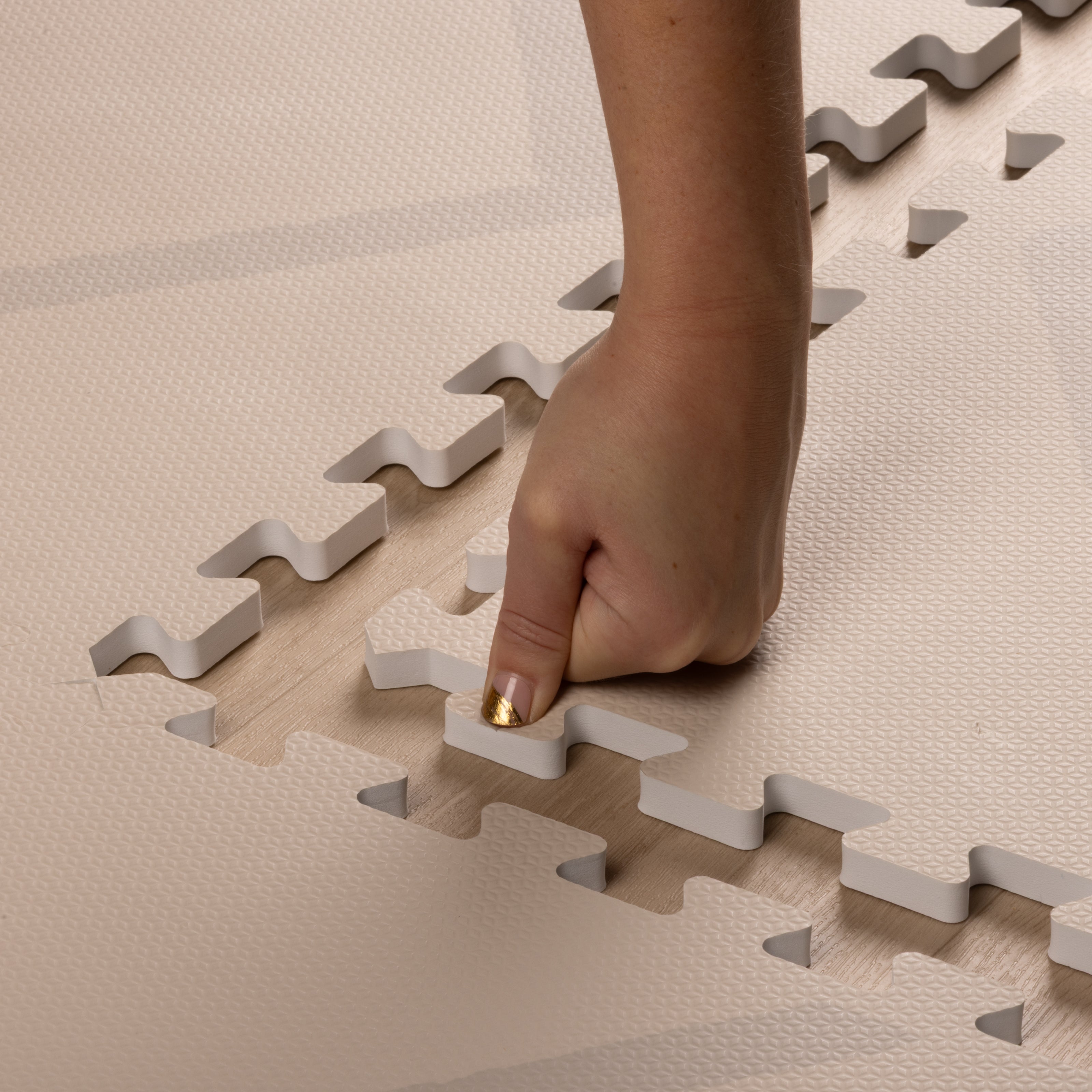
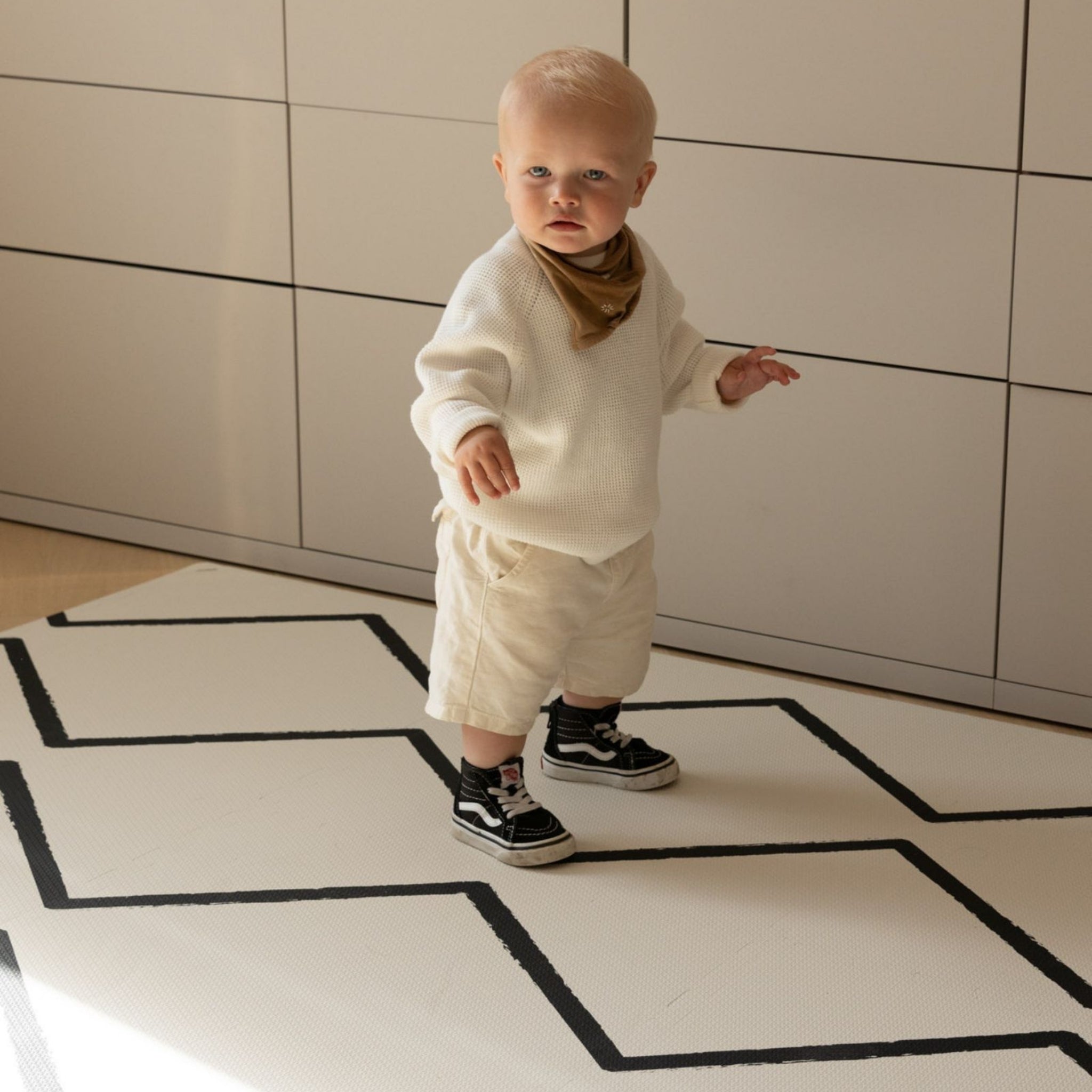
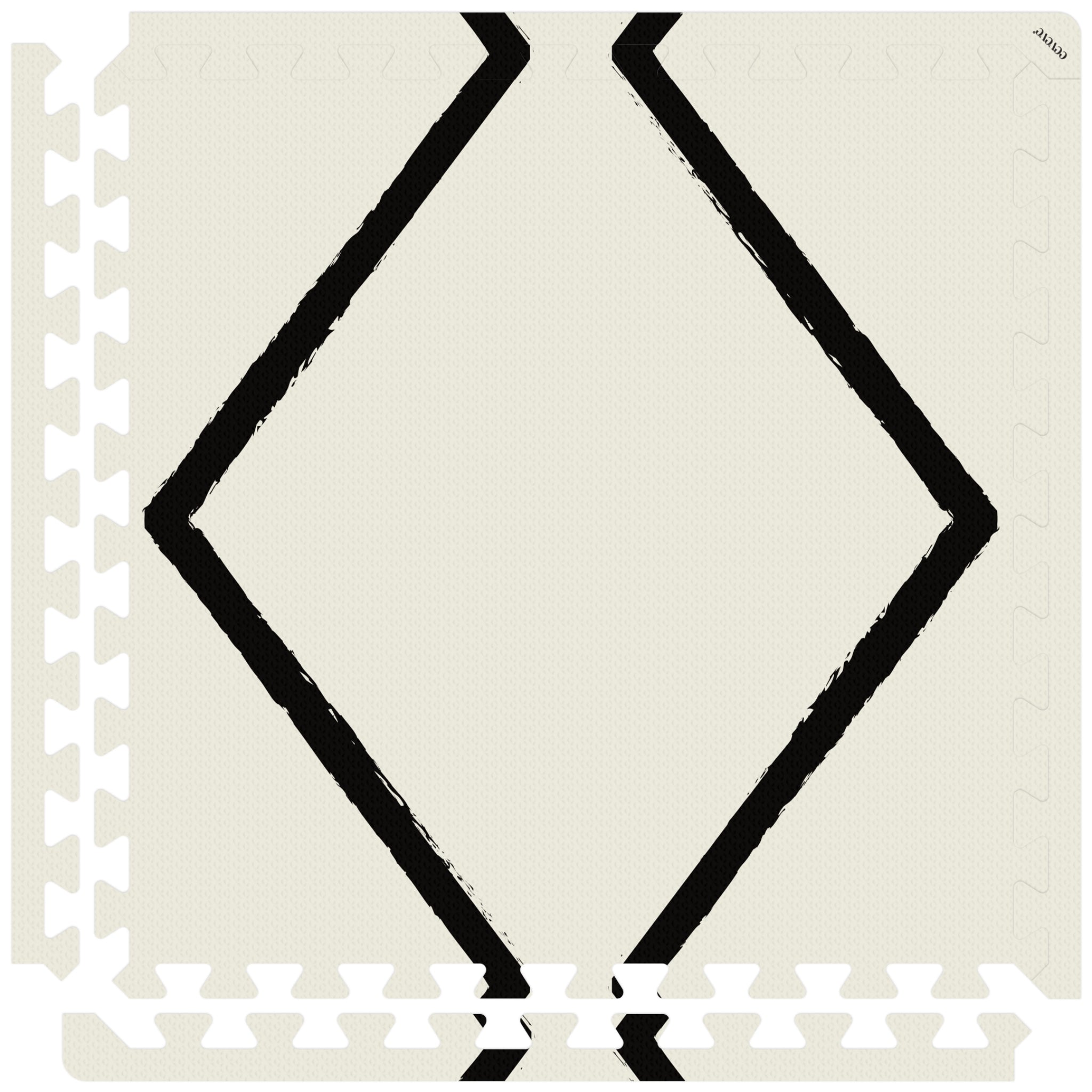
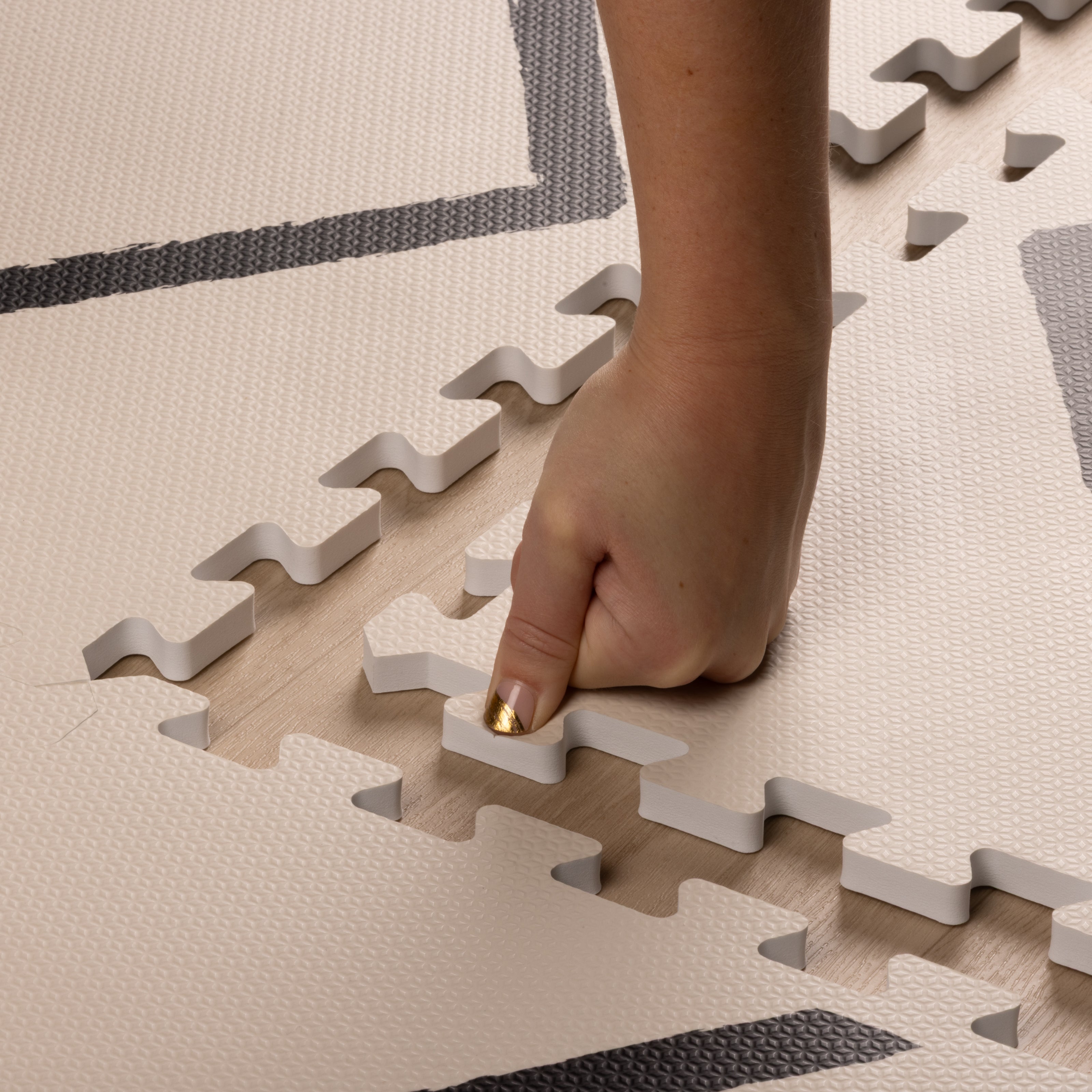
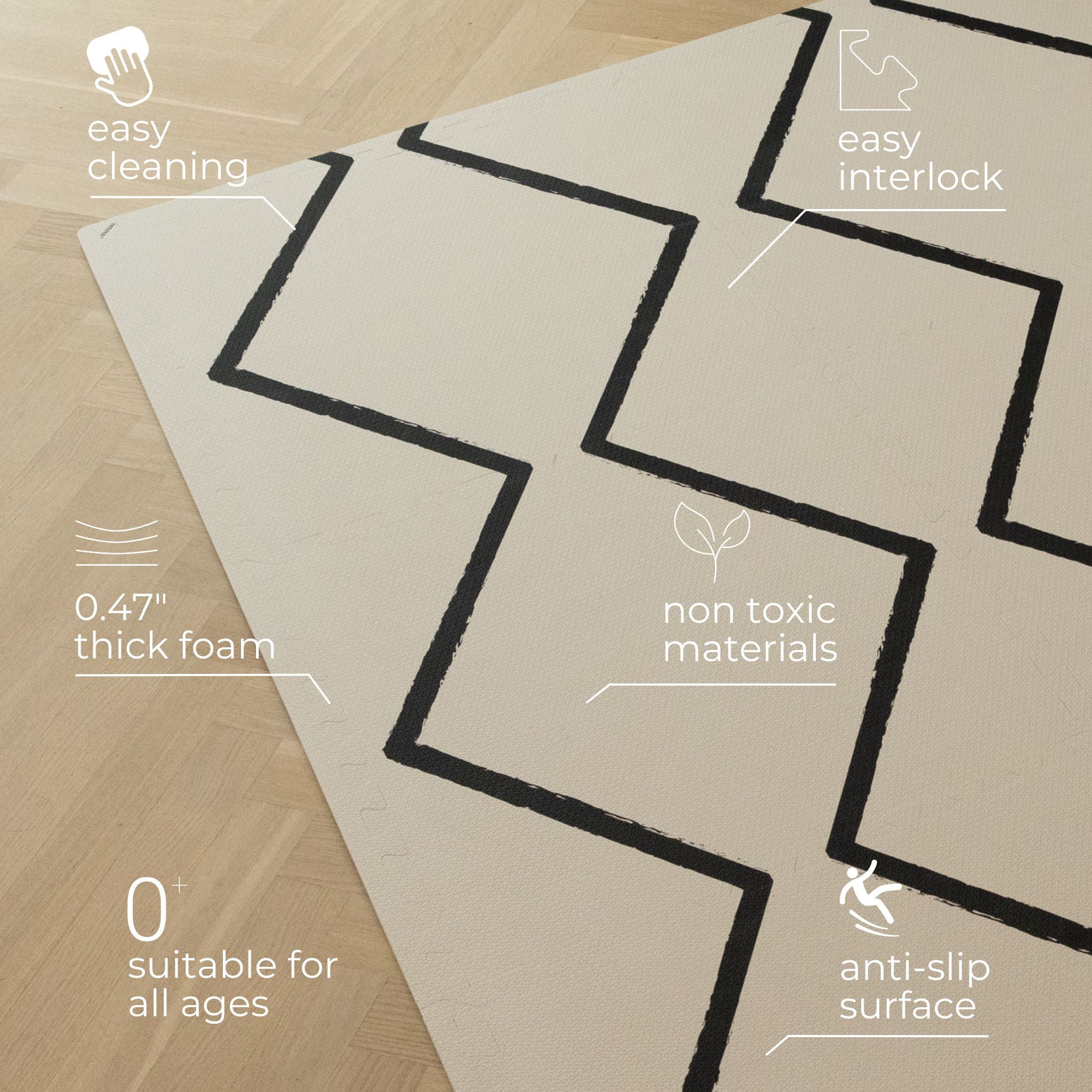
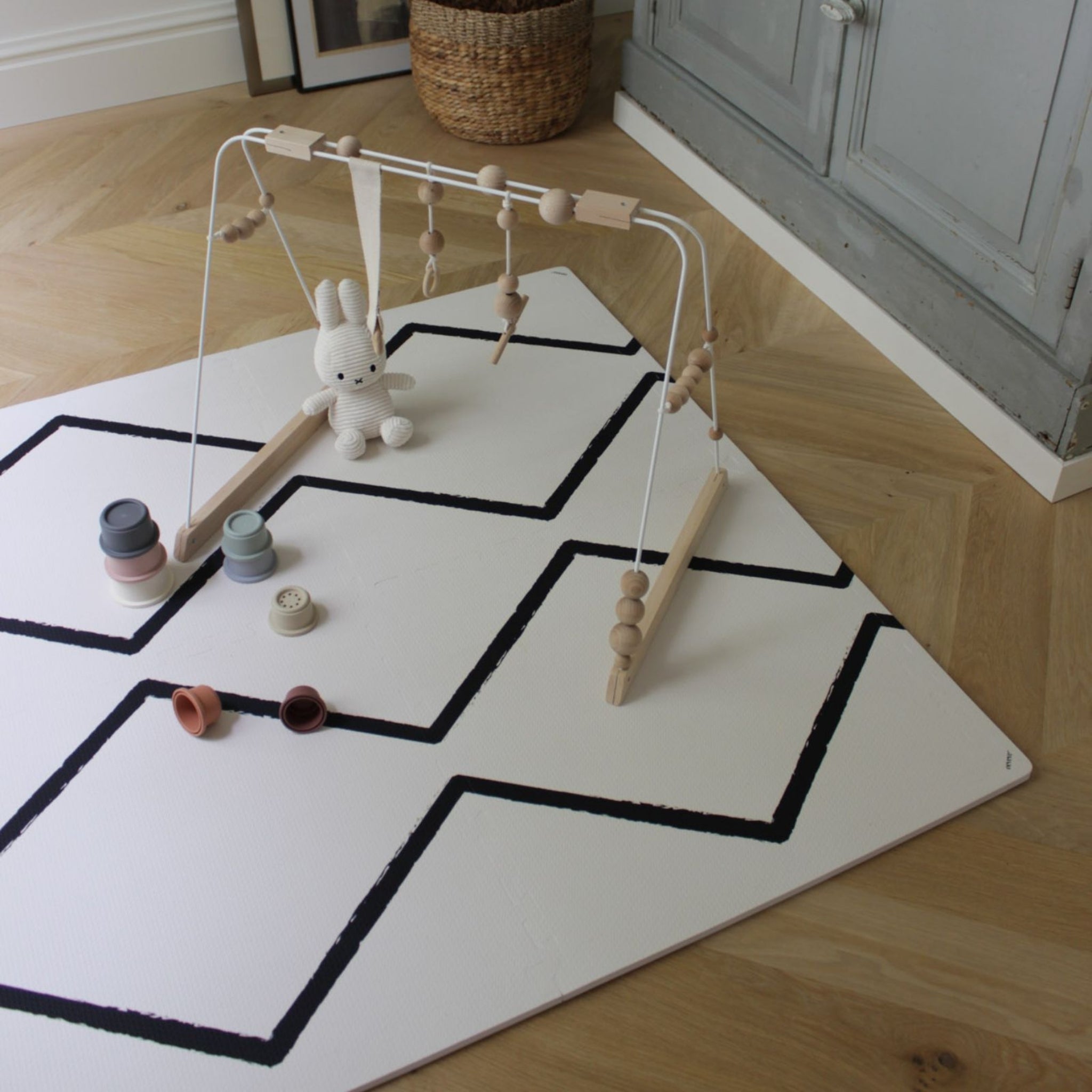
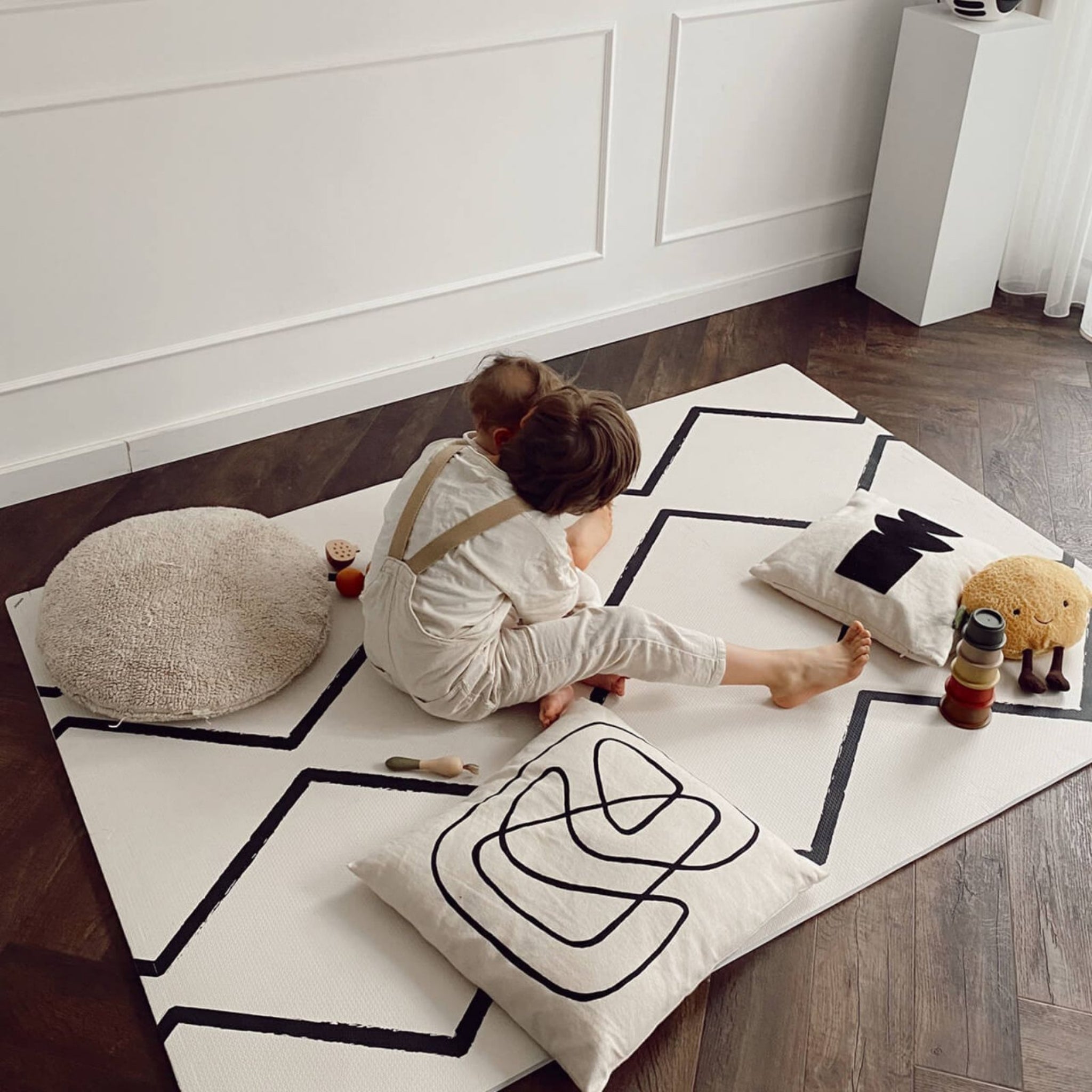
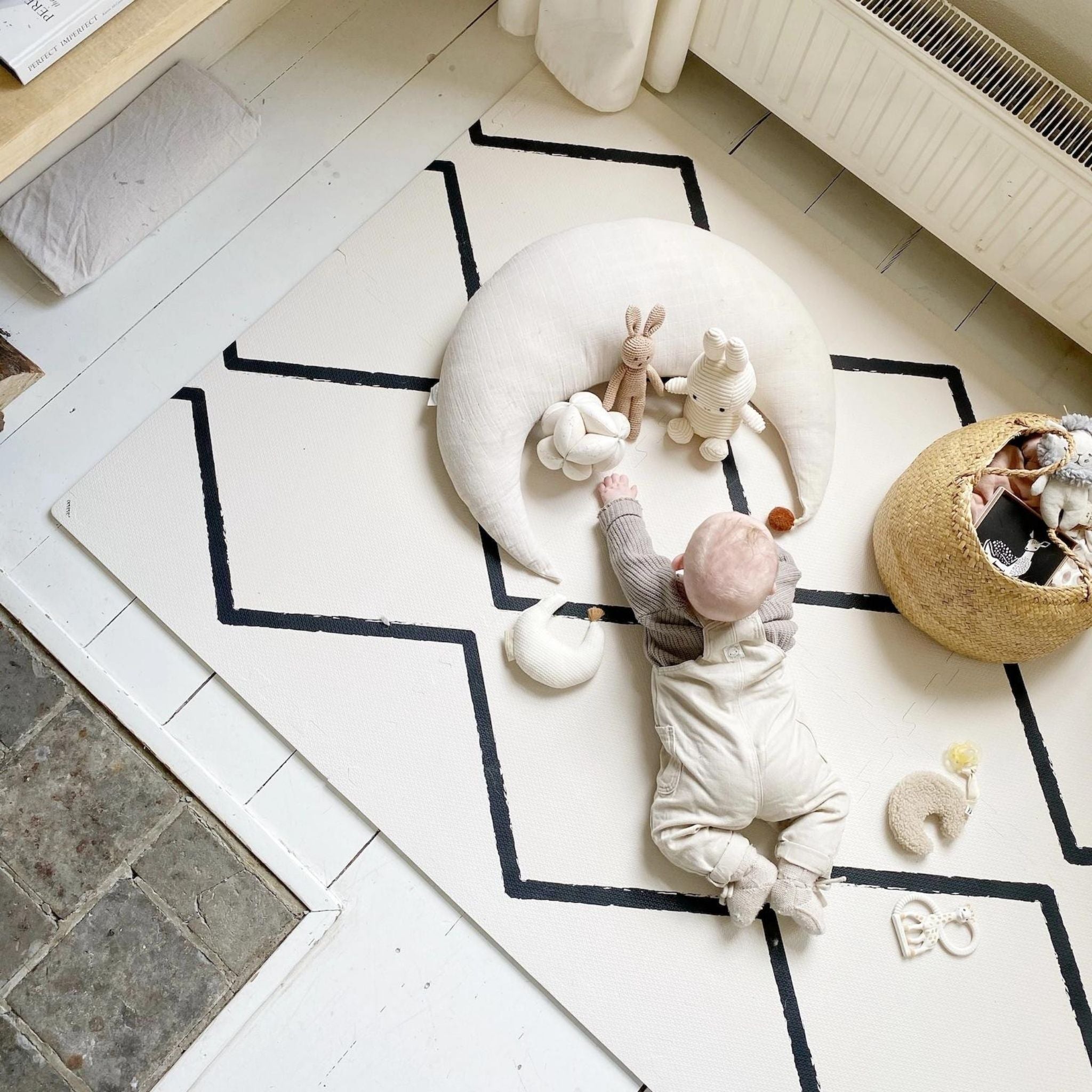
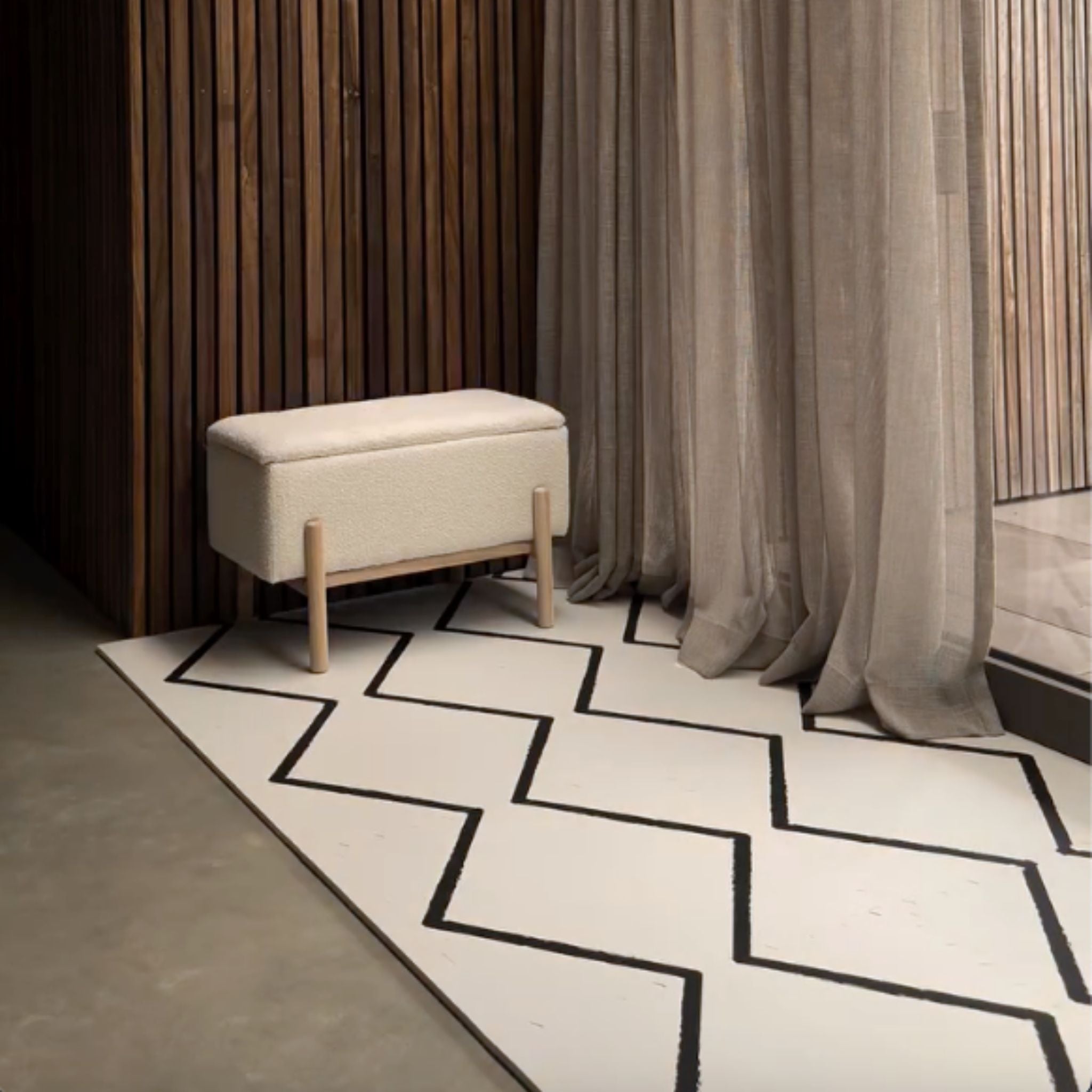
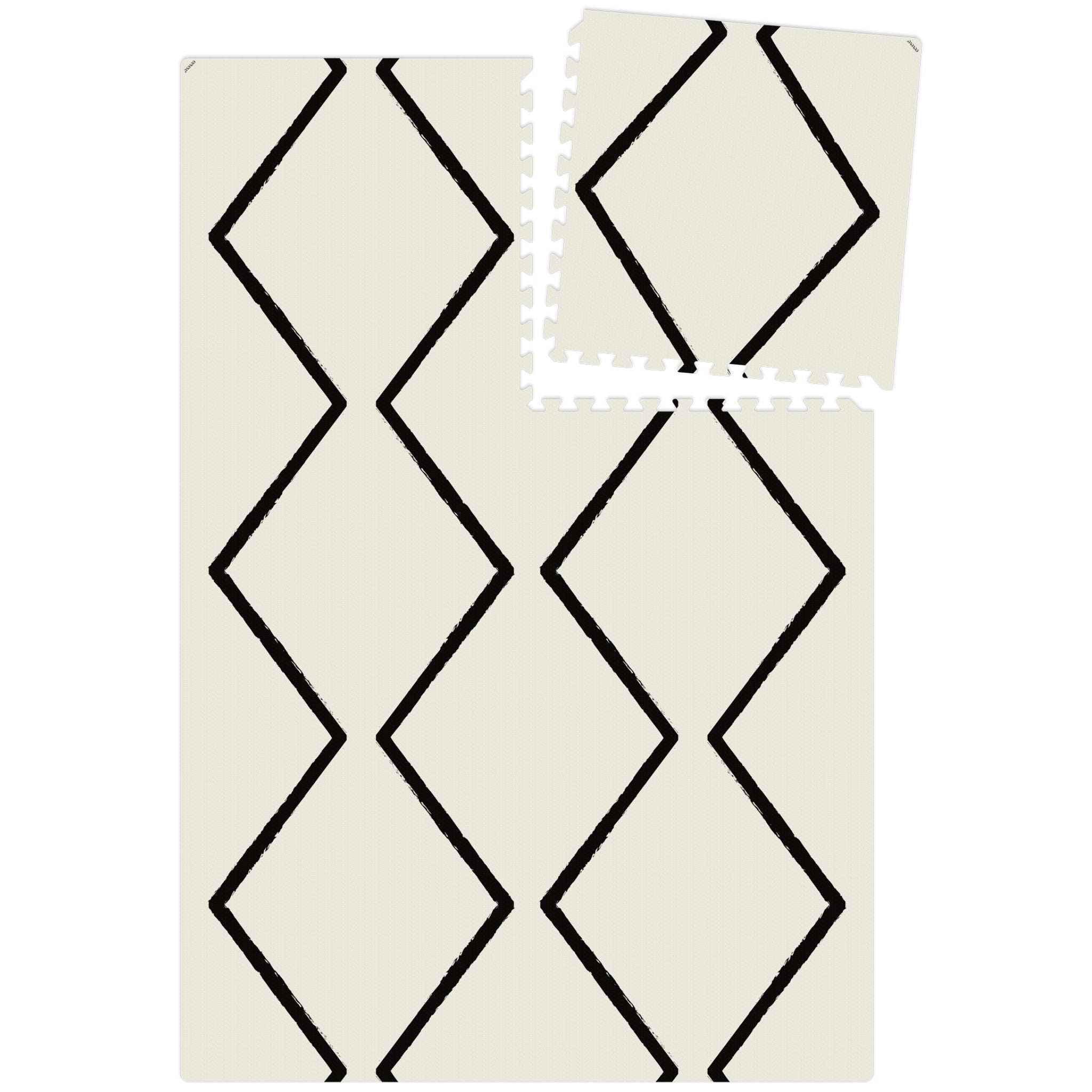
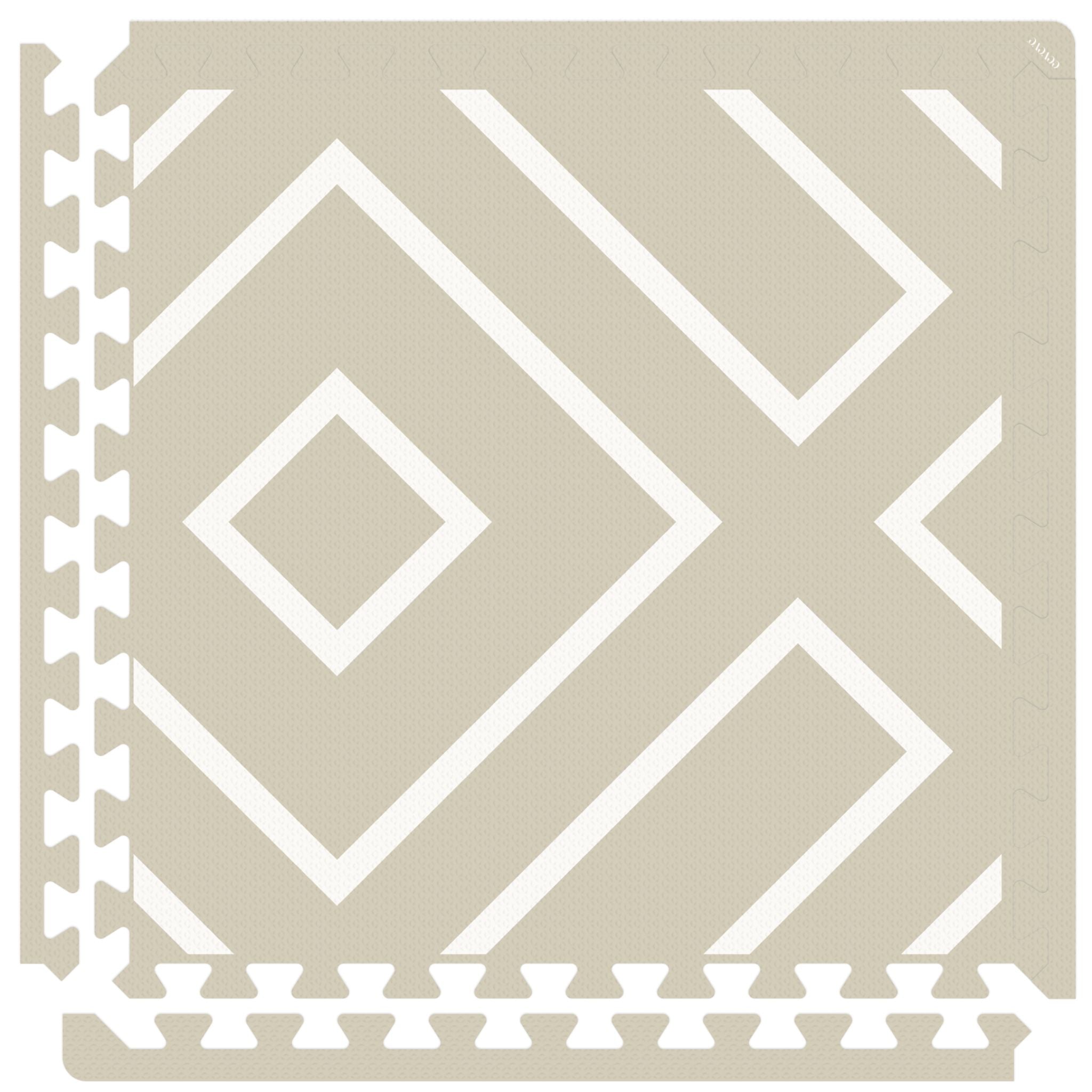
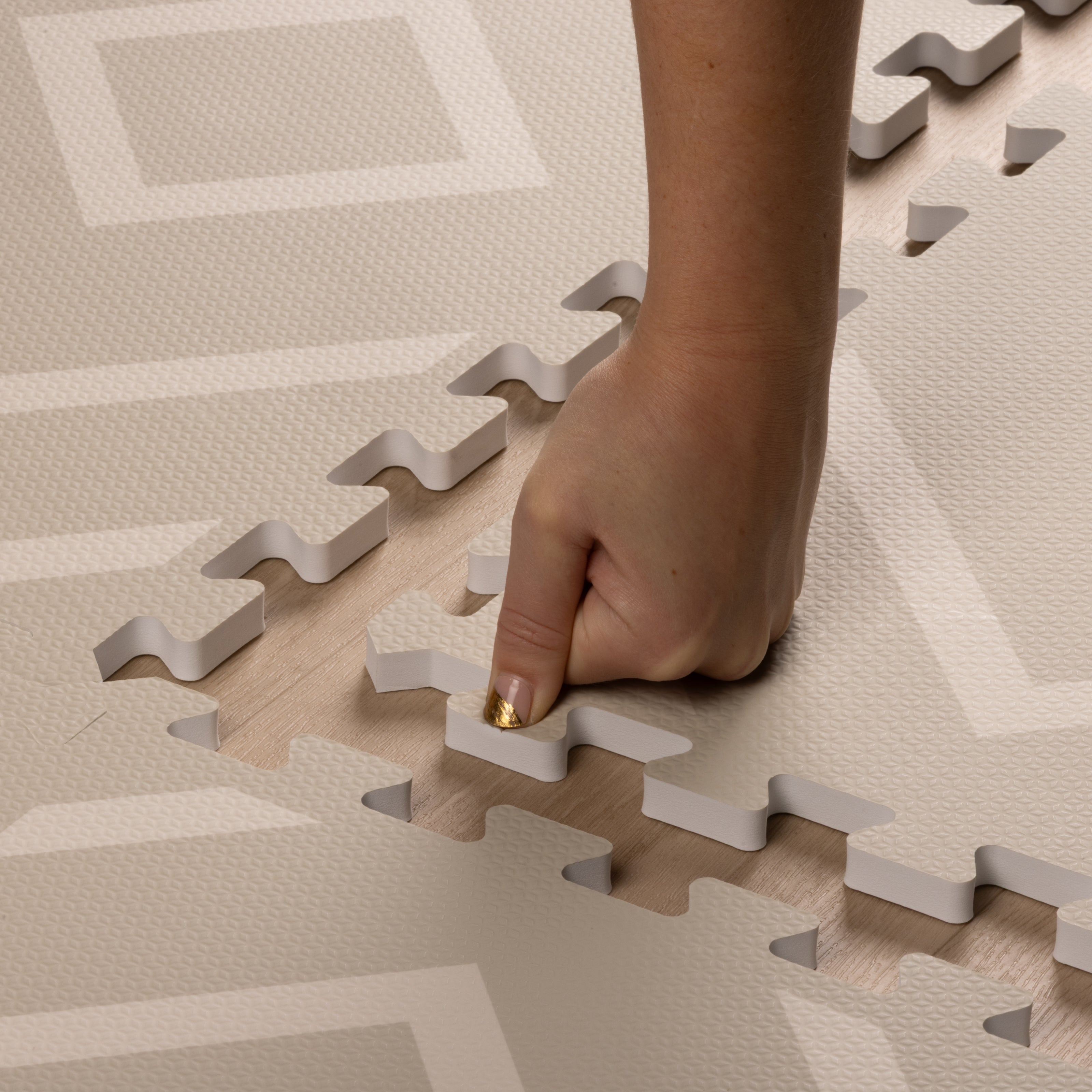
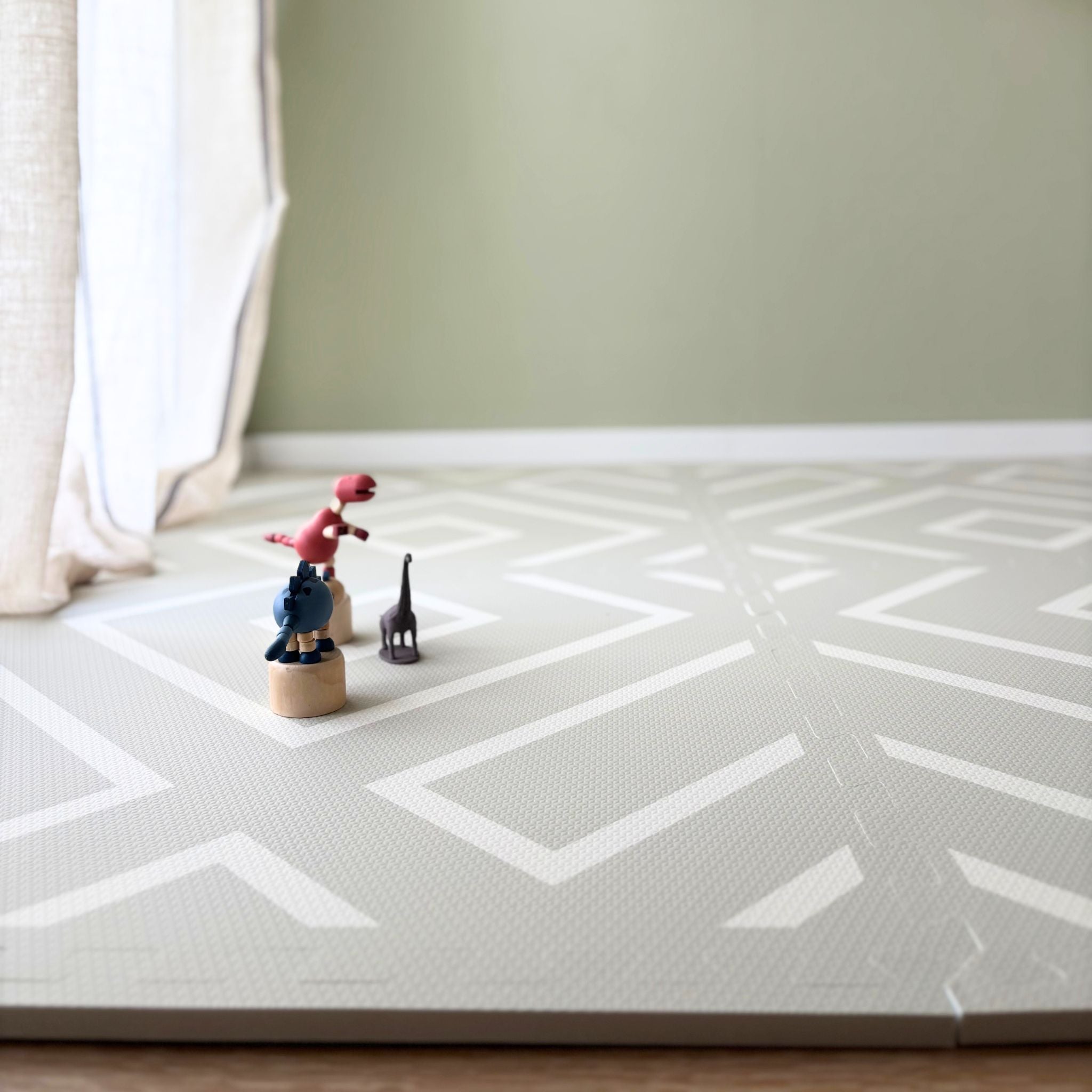
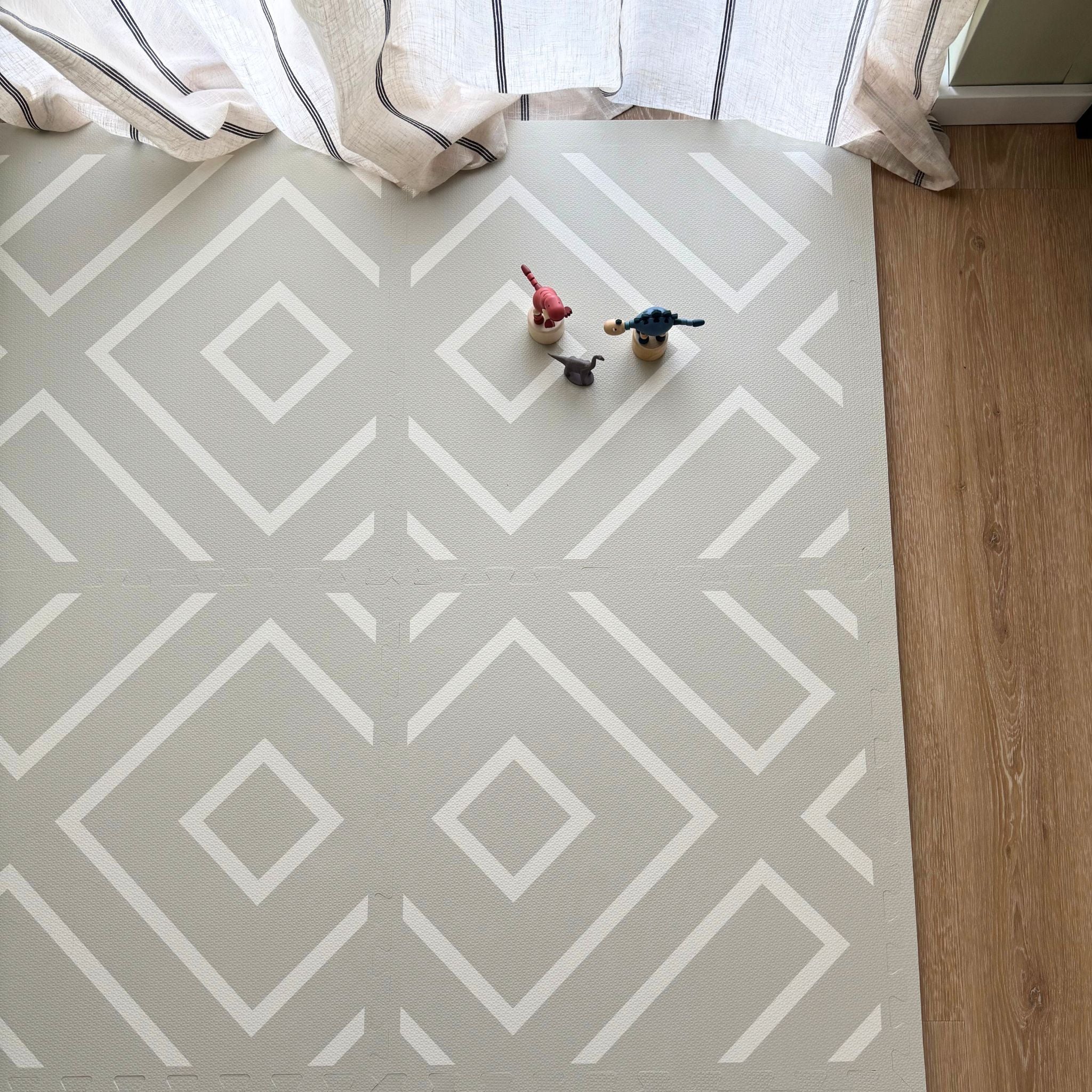
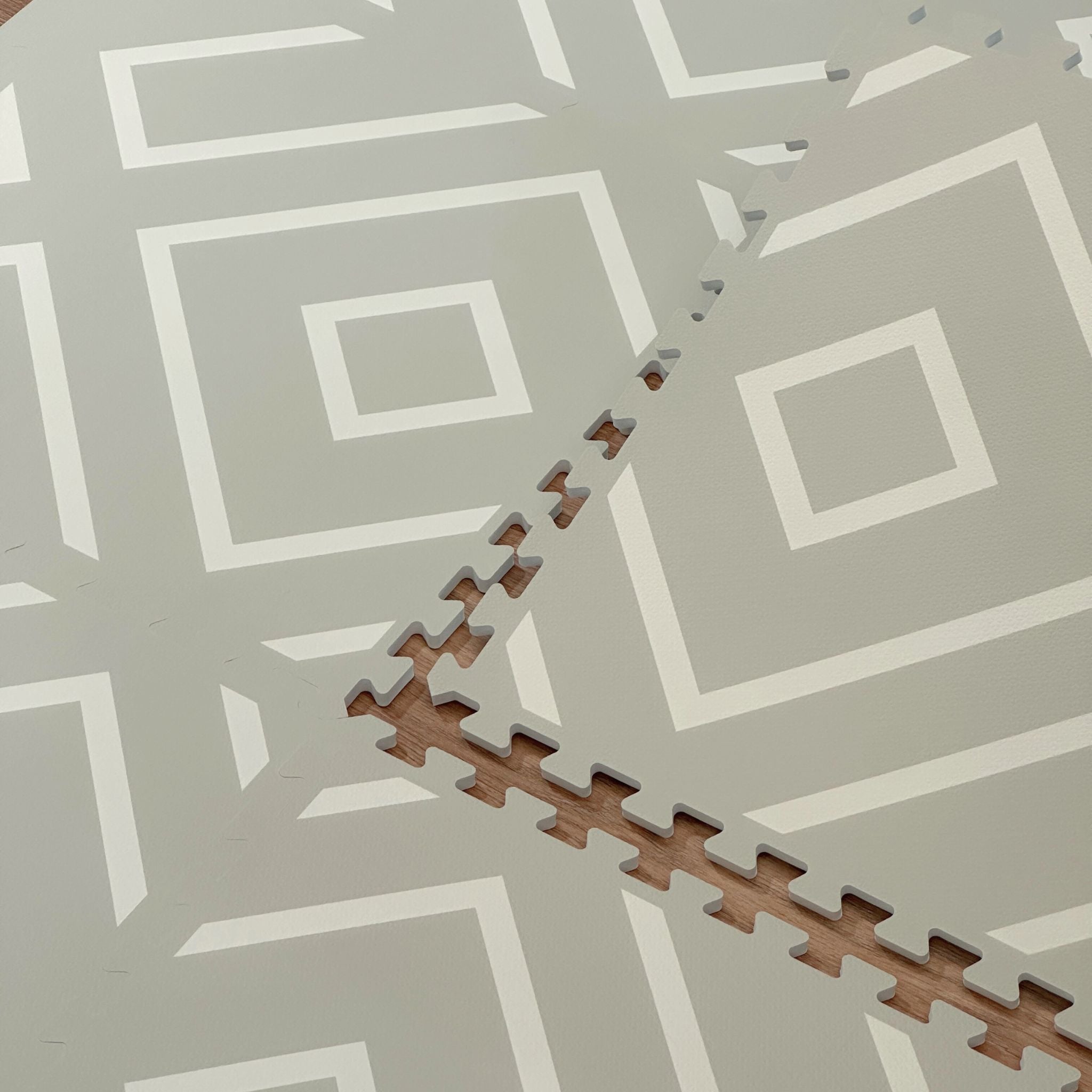
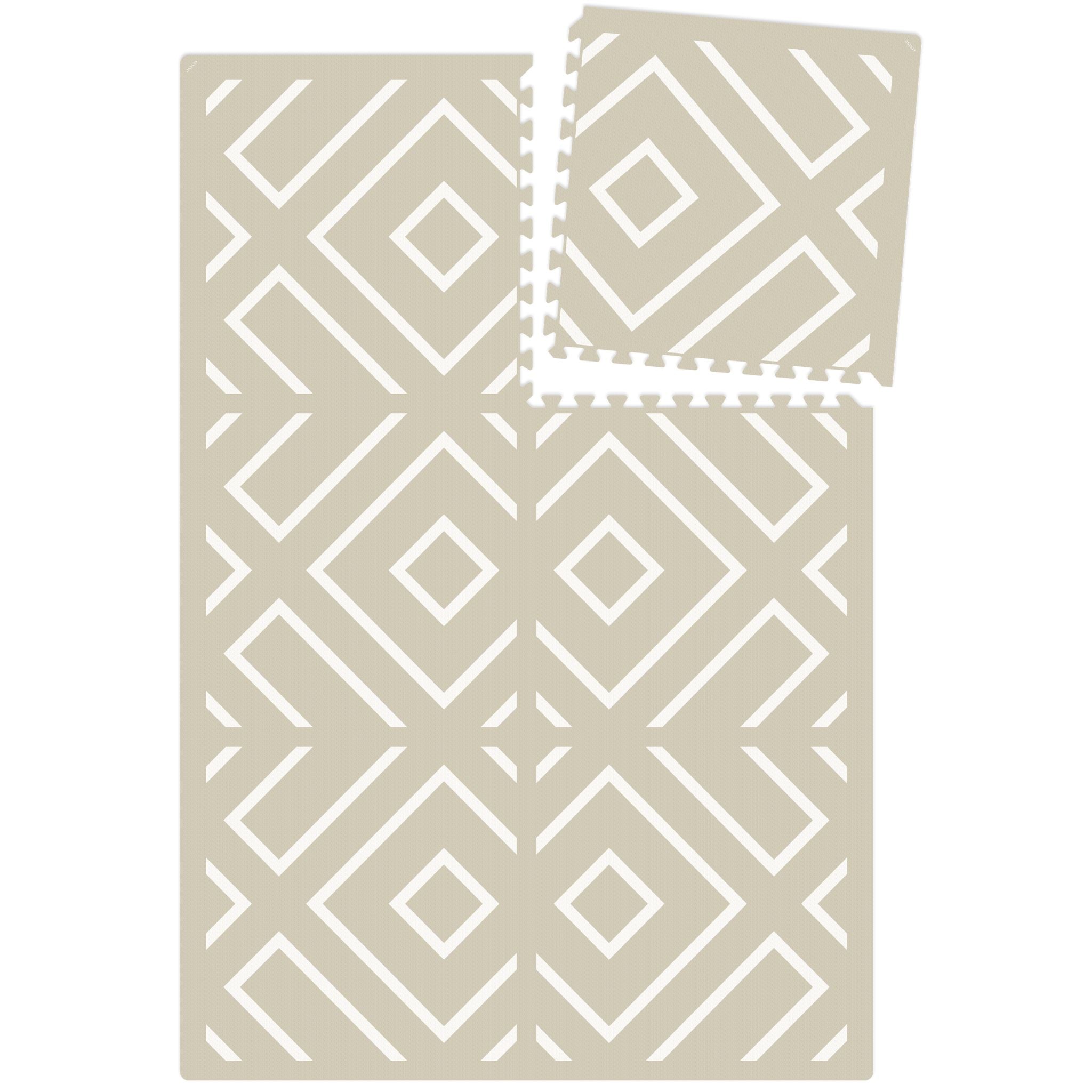
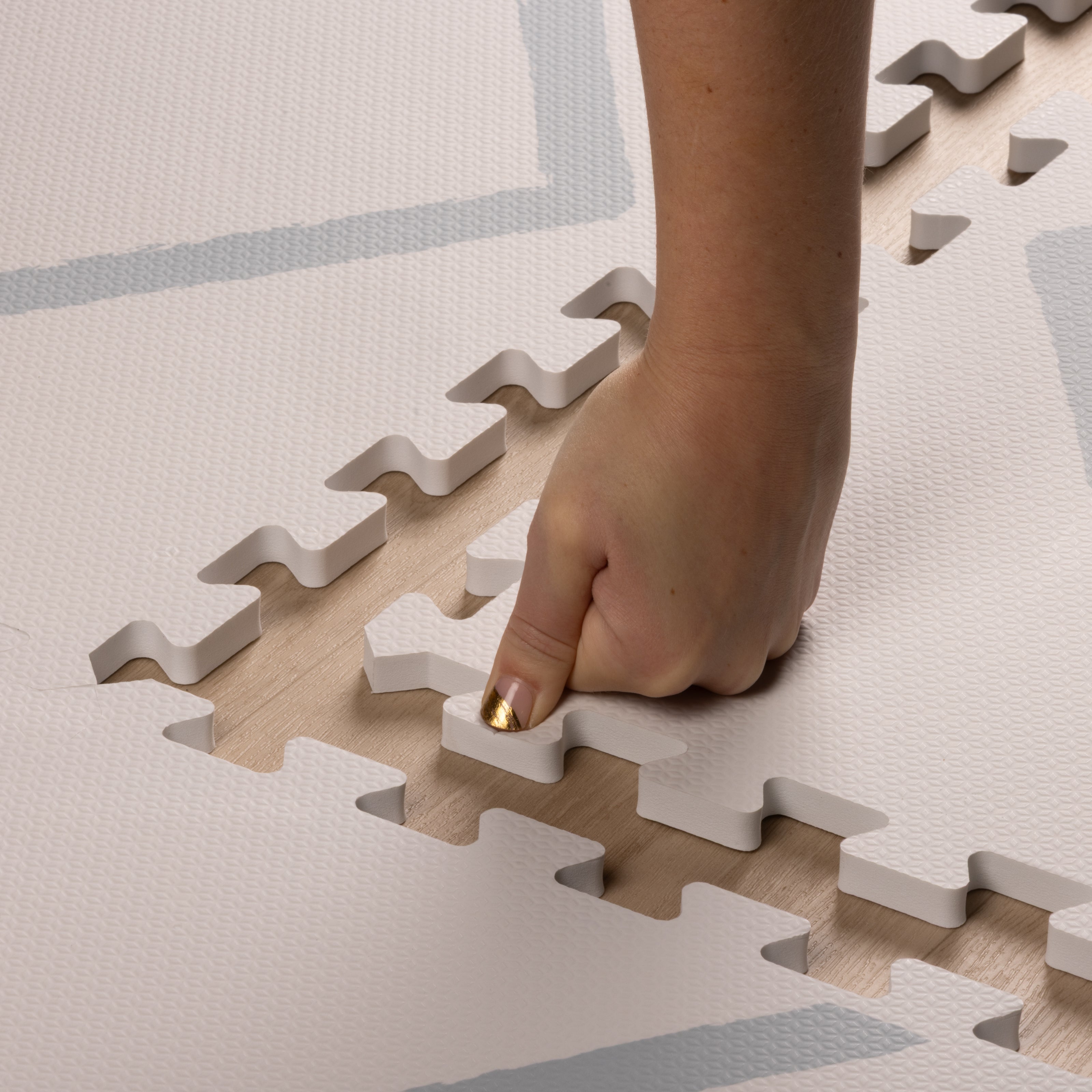
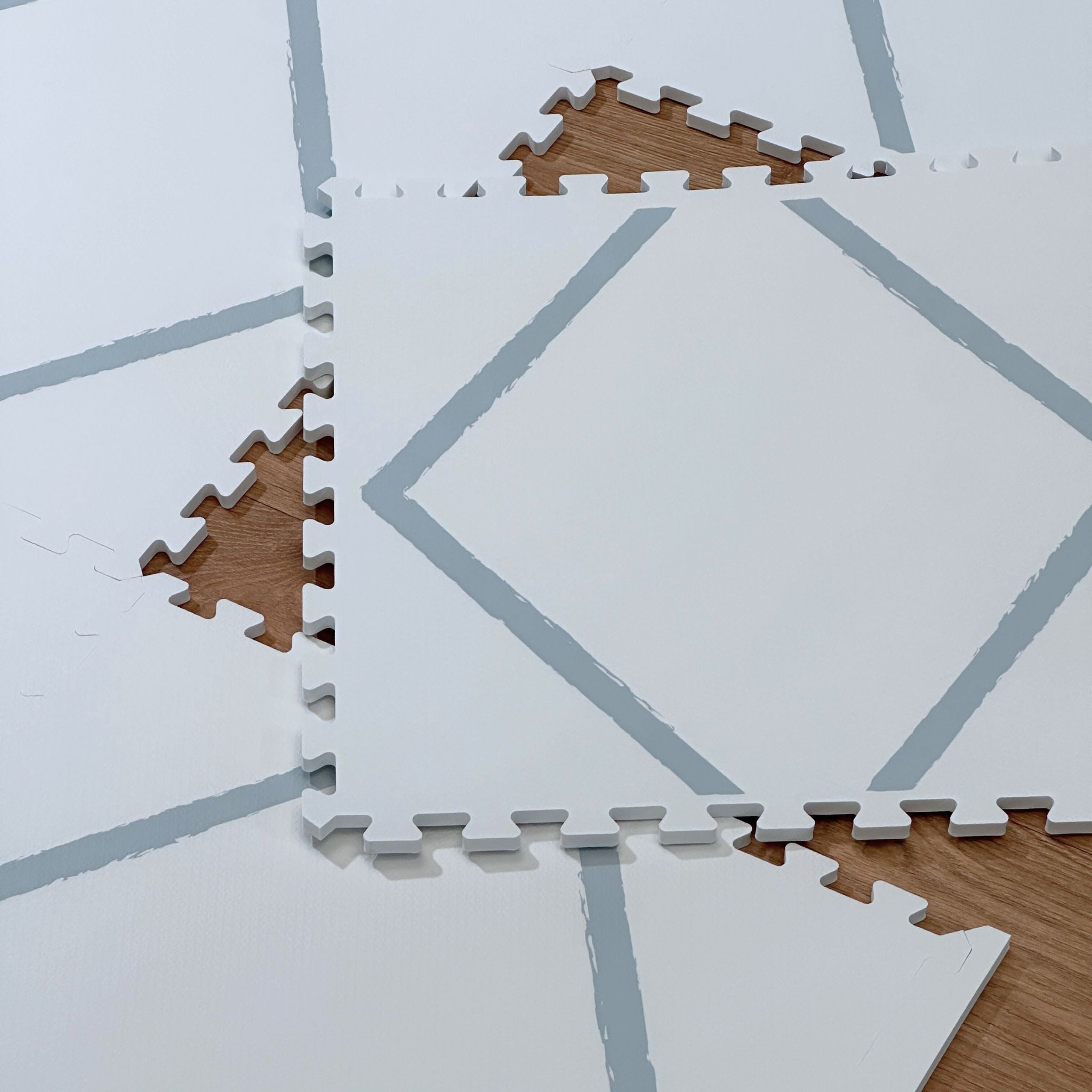
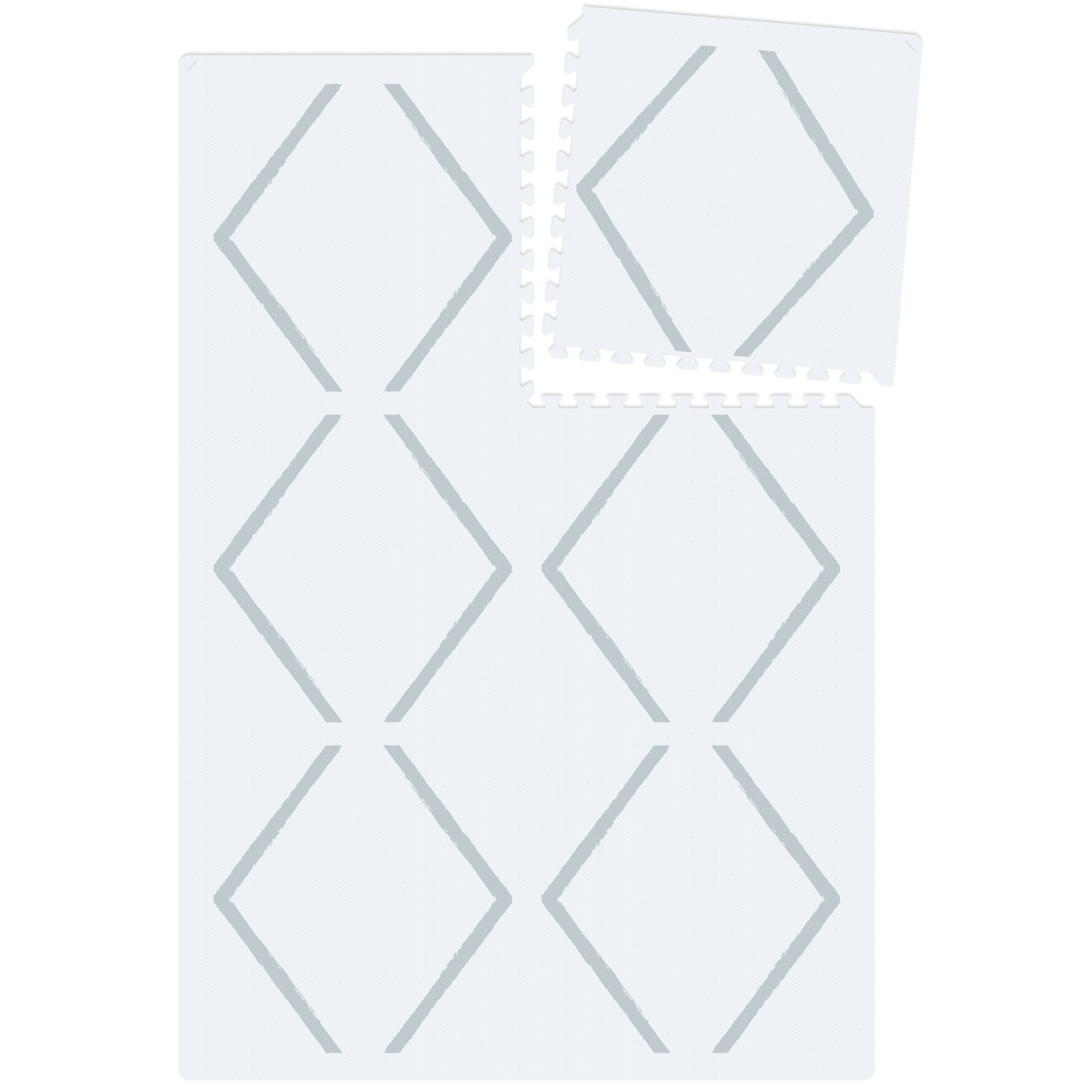
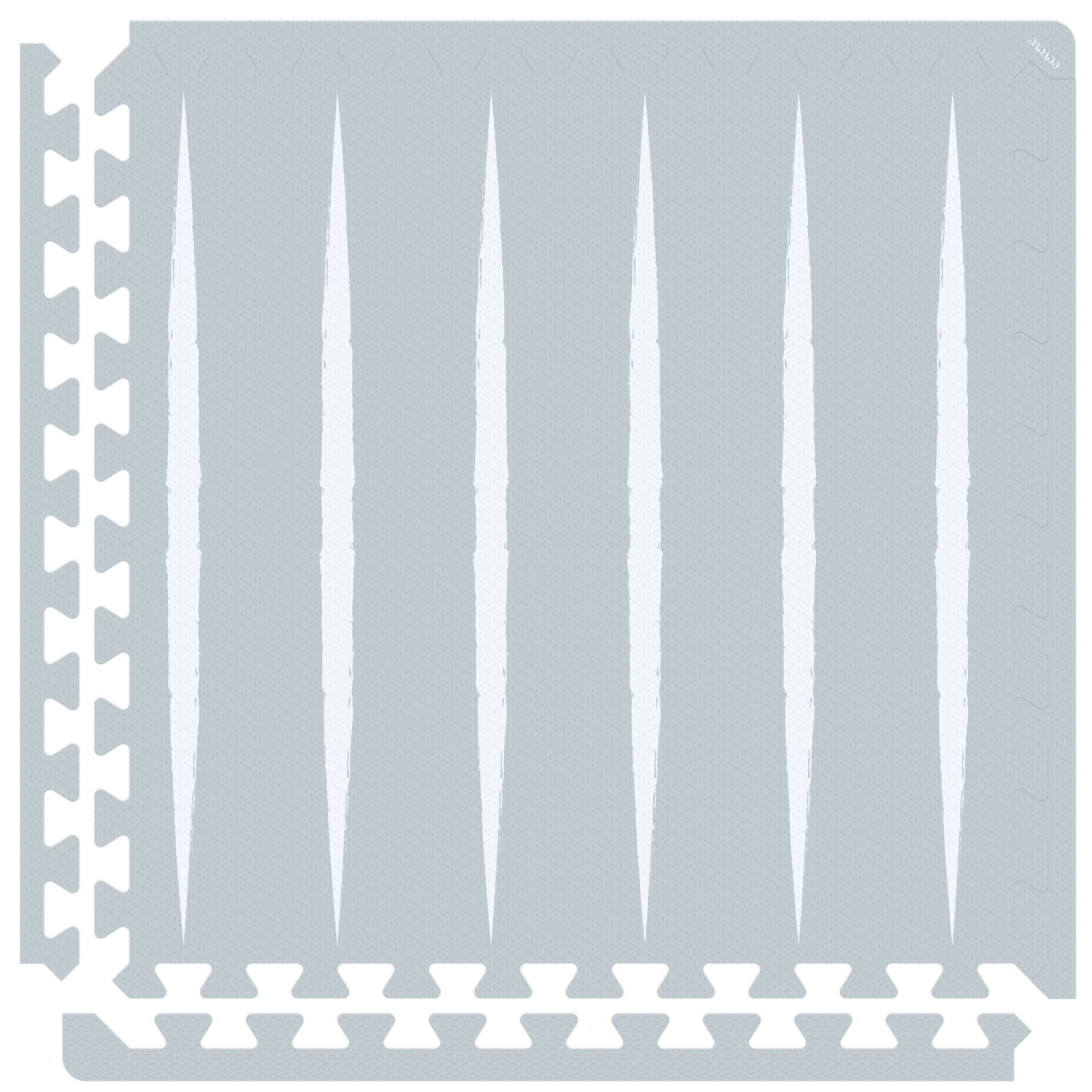
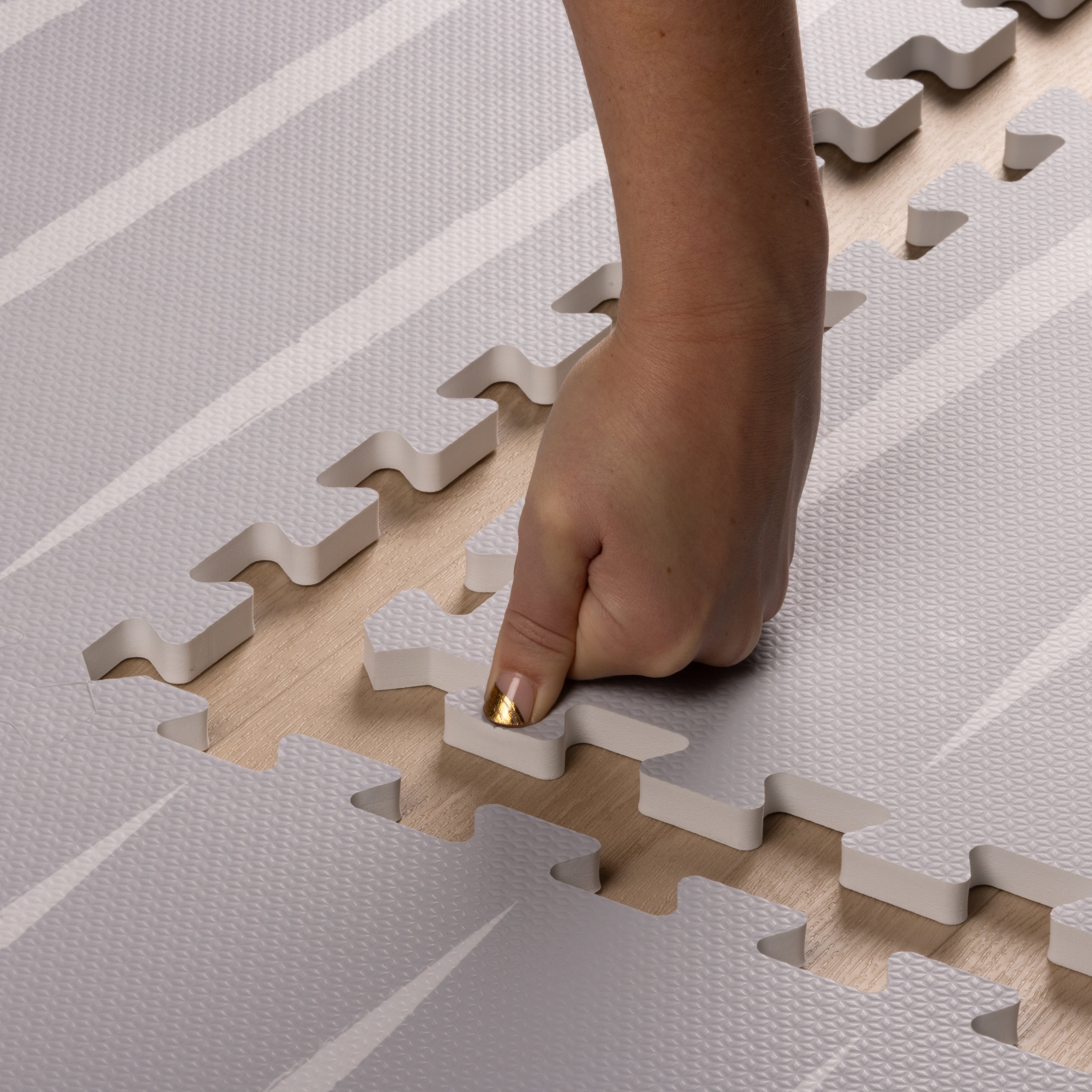
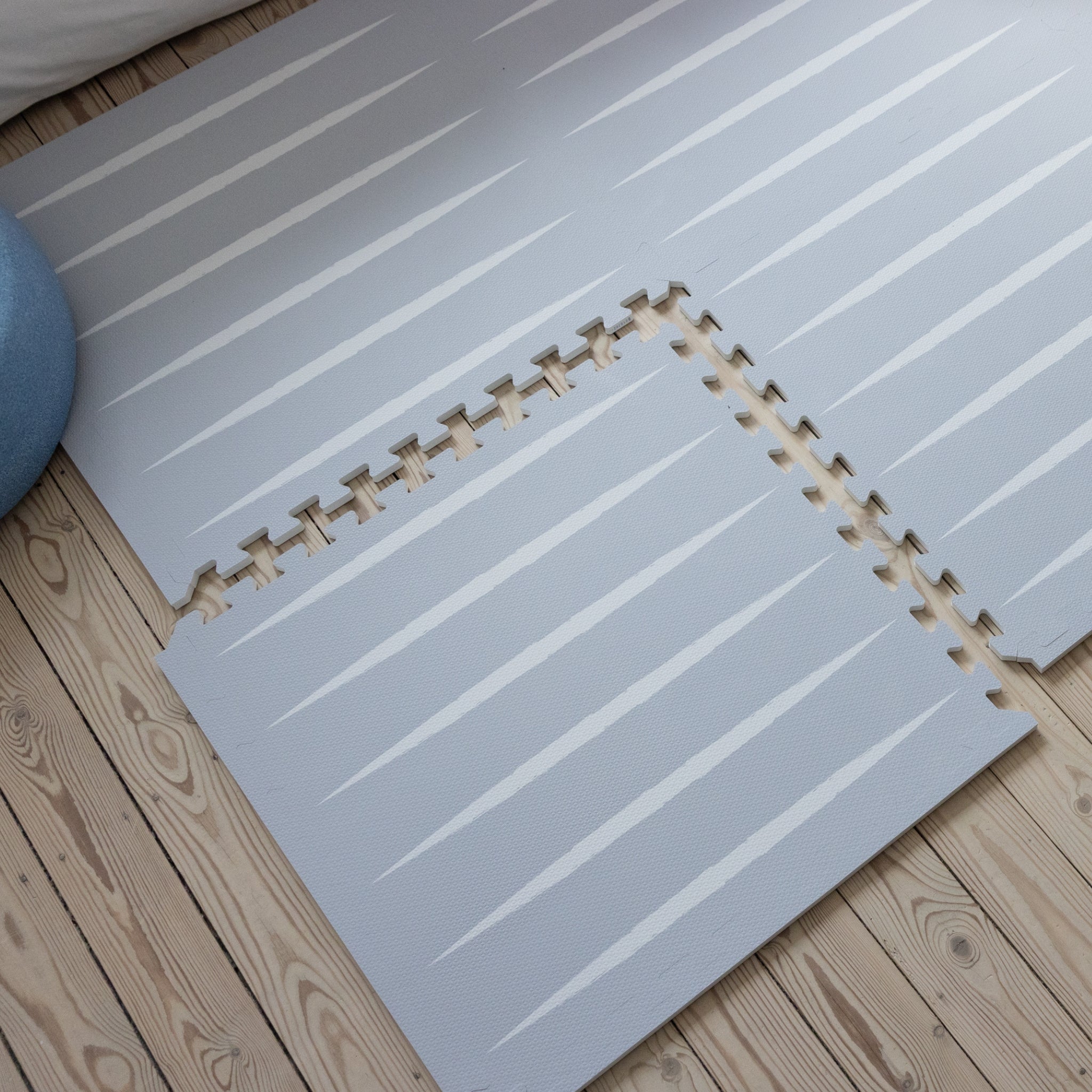
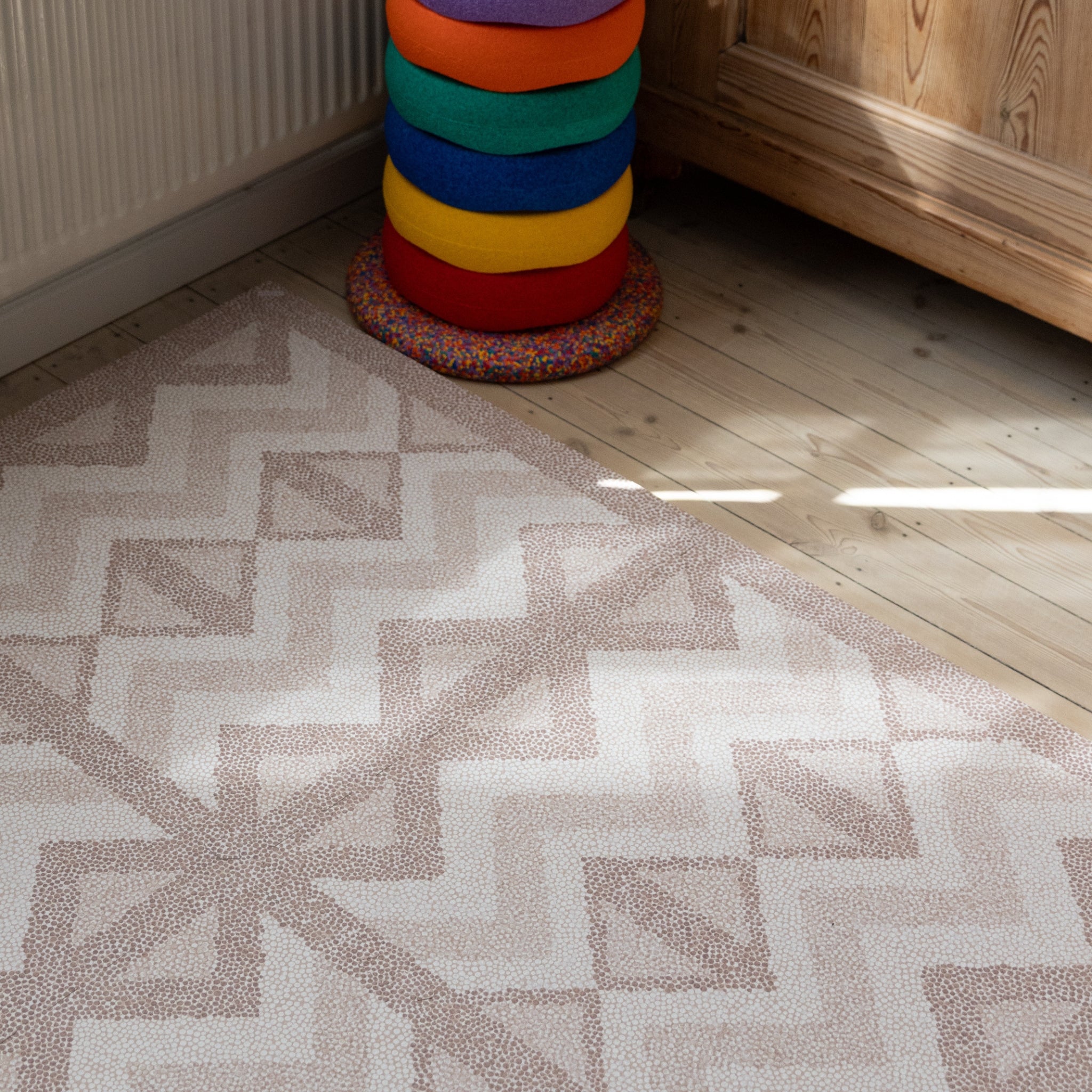
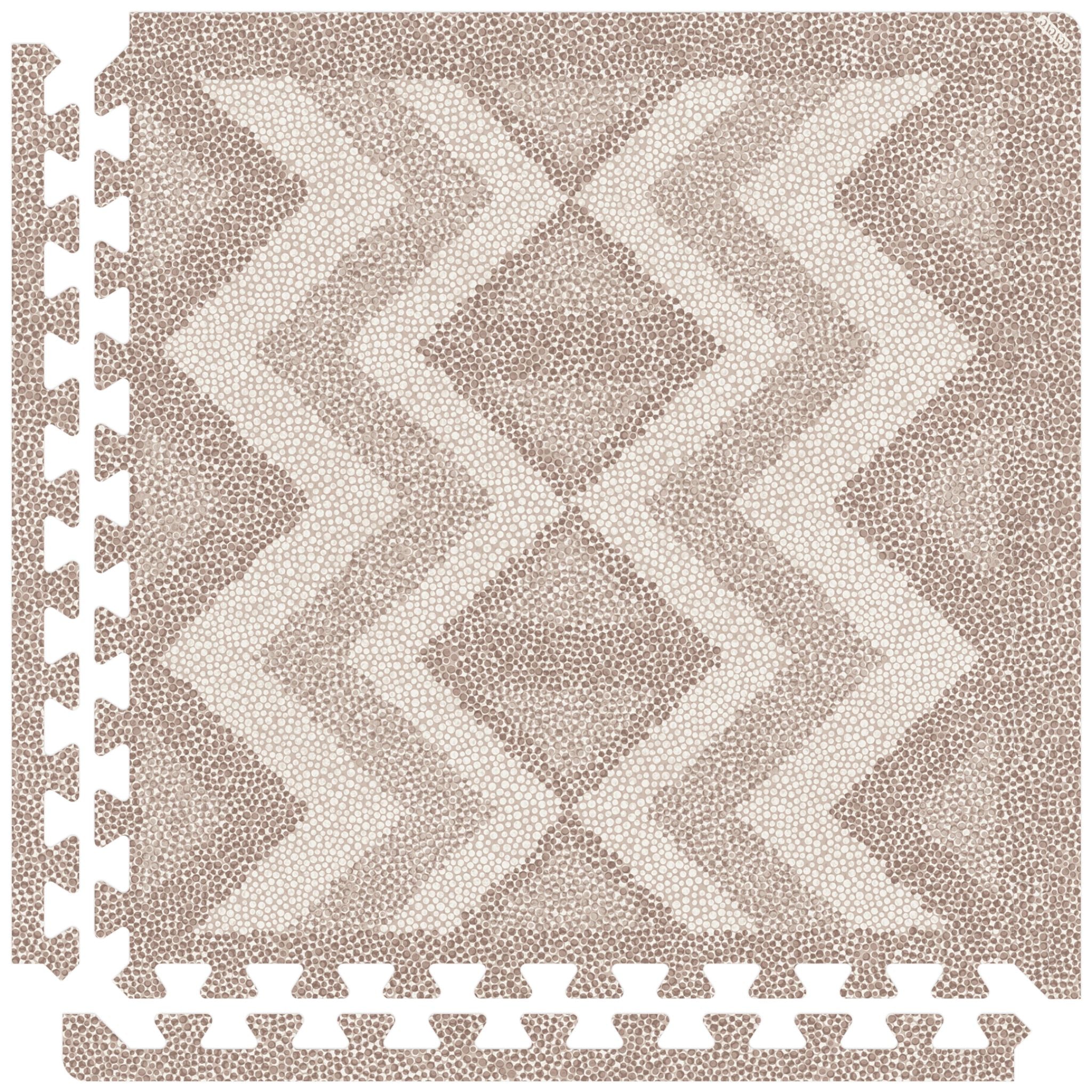
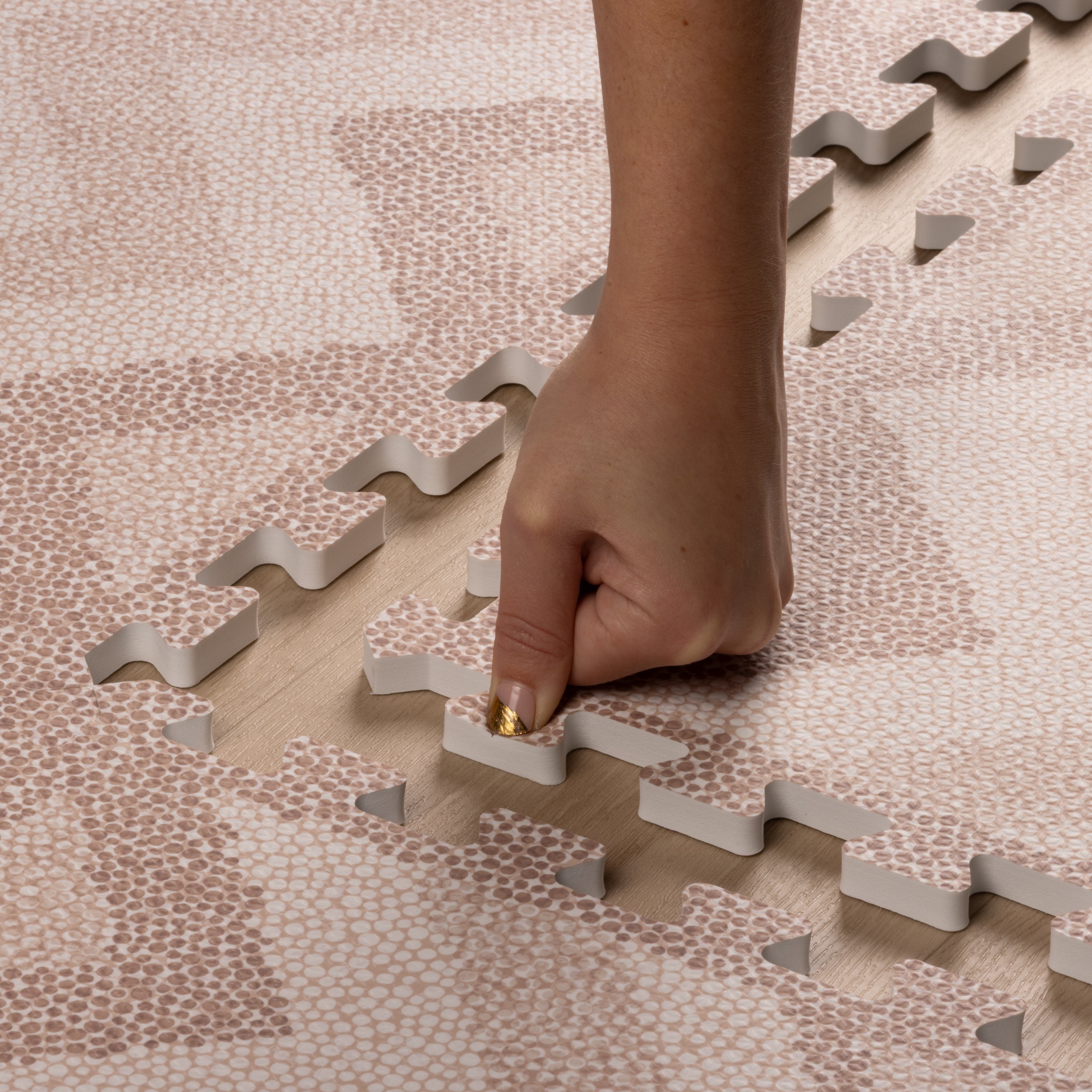
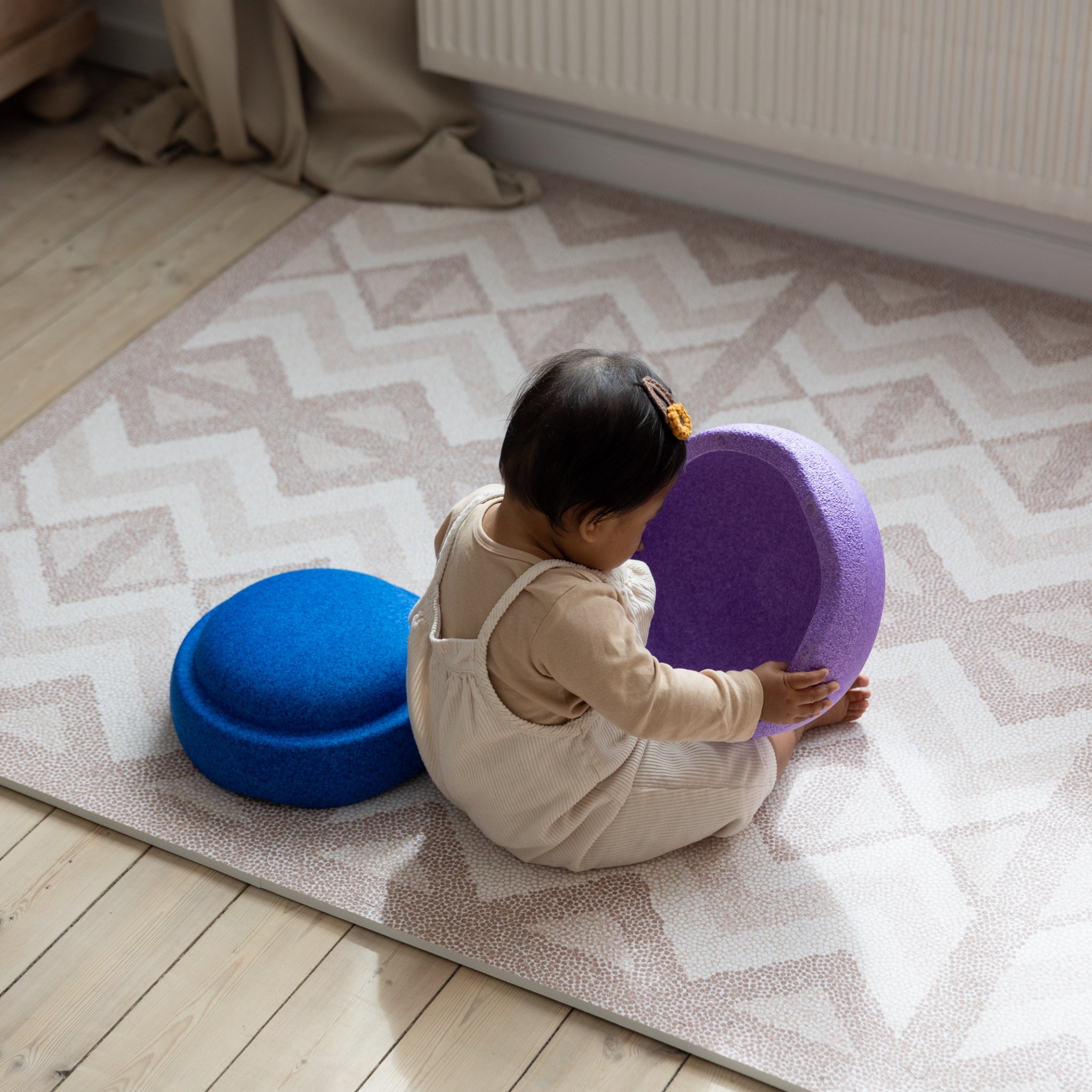
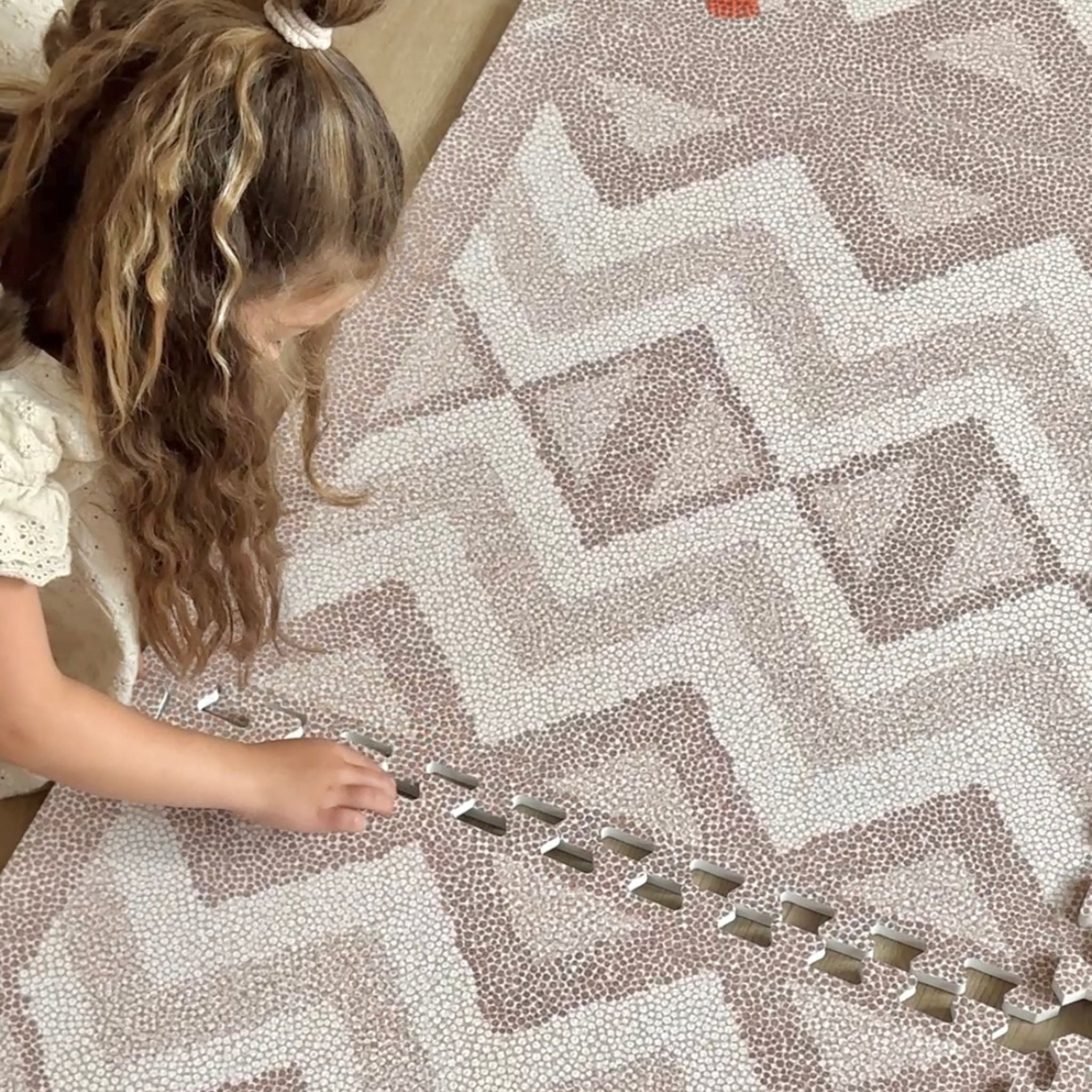
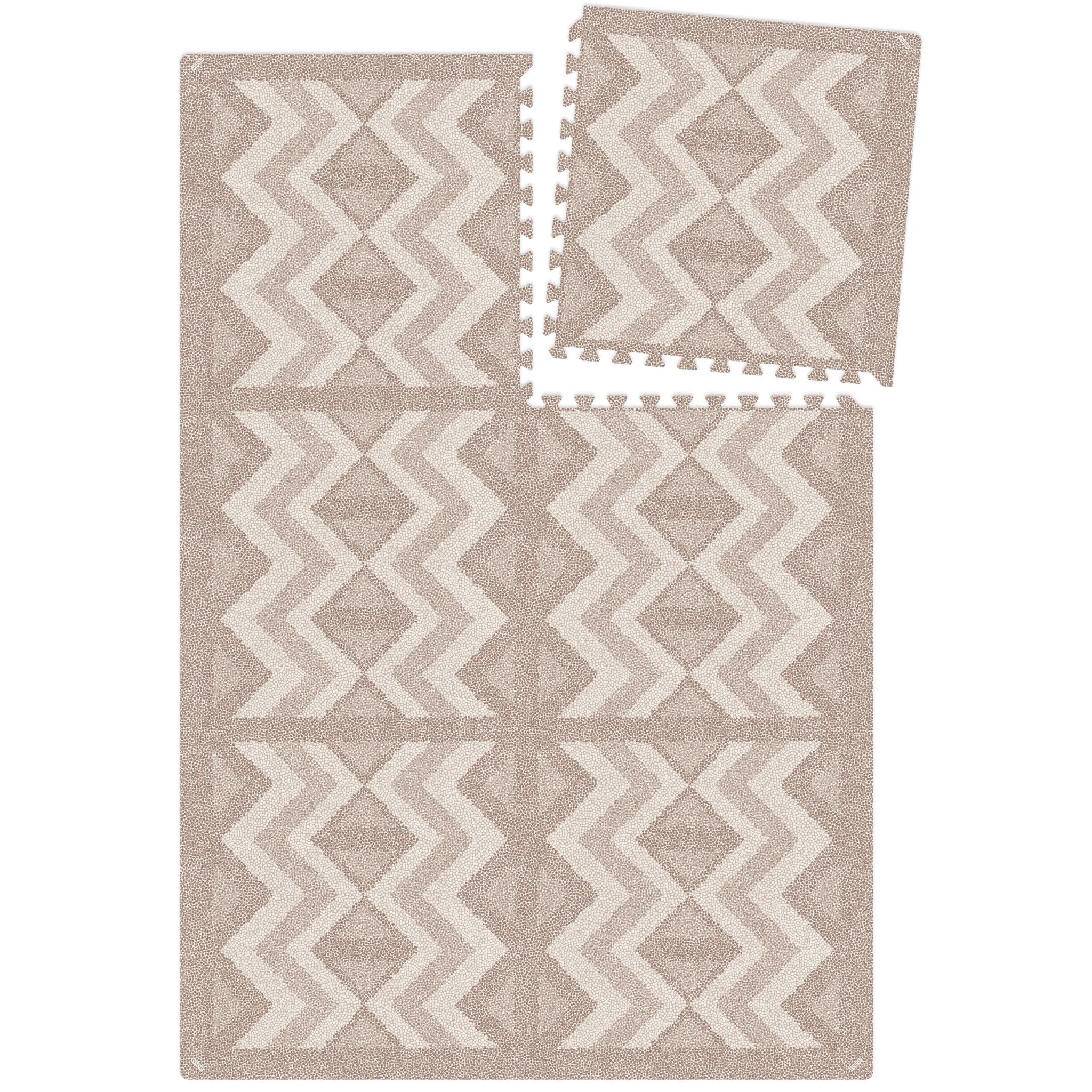
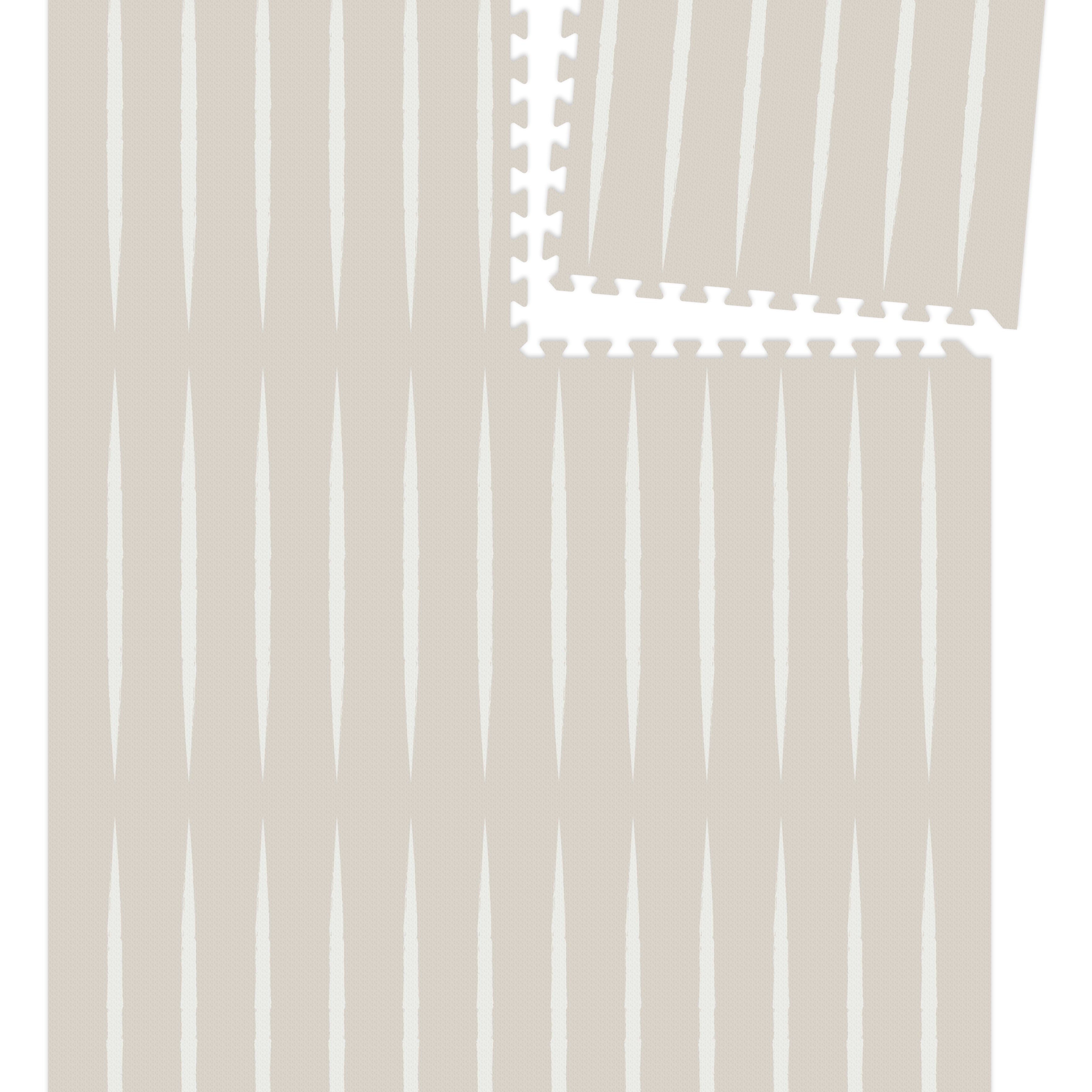
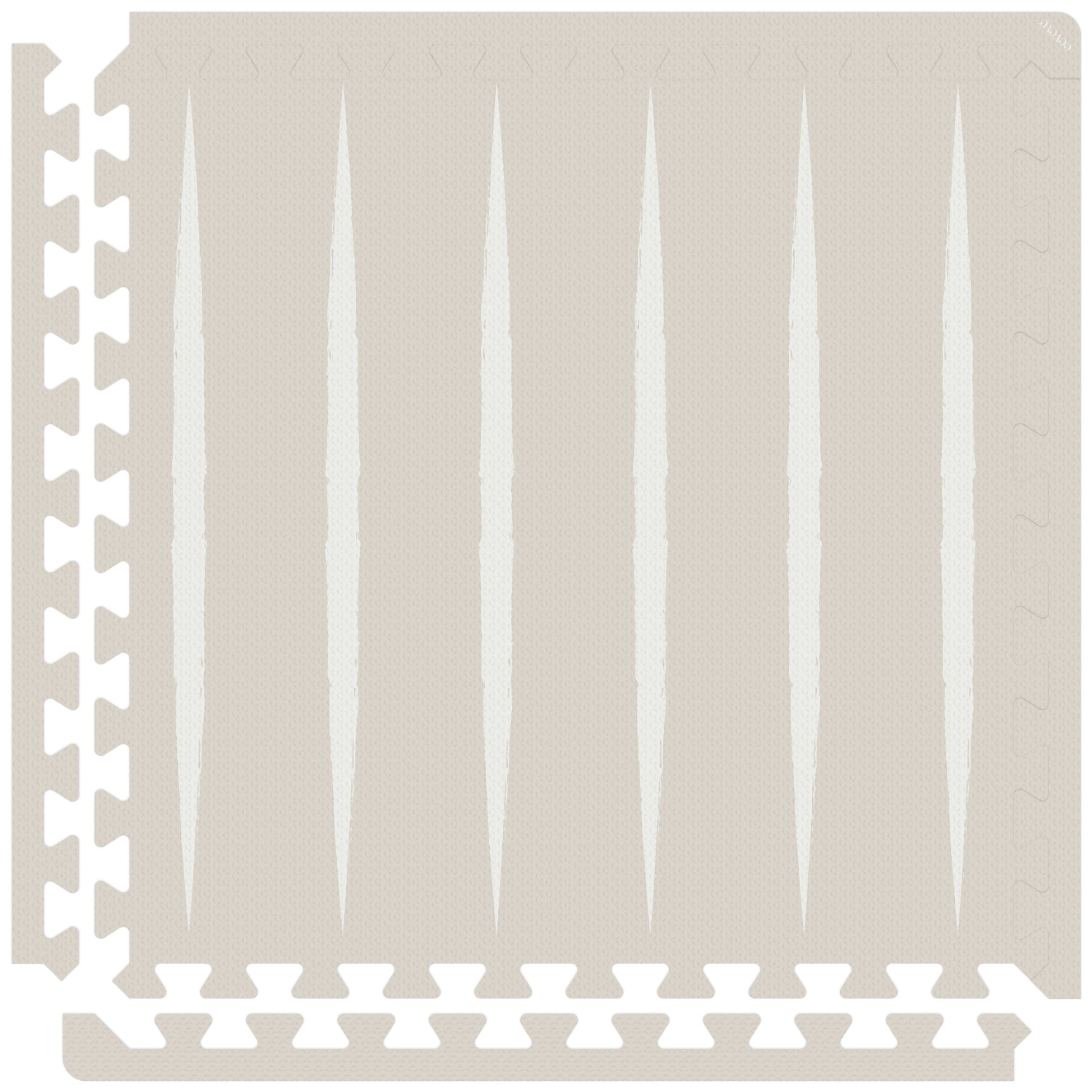
Yes. Because every pattern is built from the same 60 cm tiles across every size, a smaller mat can be extended later with a second mat in the same pattern rather than replaced outright, for example a second Kilim mat in Feather Gray, whose textured chevron zigzag repeats the same way on every tile. That means your first measurement does not have to be your last one, especially if you are buying before a baby arrives and do not yet know how the room will actually be used.

Frequently asked questions
Do I need to measure wall to wall?
No. Measure the clear floor between furniture that is staying put, not the full dimensions of the room.
What if my room is an odd shape?
Measure the largest rectangle inside the space and match the mat to that section rather than the whole floor.
Is the room planner the same as measuring with a tape measure?
It is a faster way to compare a size to your layout on screen; a tape measure of your actual clear floor is still the most accurate check before you order.
Should I measure before or after the crib and furniture are in place?
After, if you can. Furniture placement changes the clear floor more than most people expect.
What is the smallest size you offer?
4 ft by 6 ft is our smallest size, which suits a bedroom corner or a first mat for the early months.
Ready to measure and compare?
Eight sizes from 4 ft by 6 ft to 16 ft by 12 ft, and a room planner to test one against your own floor before you order.